
Nutrition comparison
Cassava vs White Potato: Nutrition, Safety, and Health Comparison
Comparing cassava and white potato? Discover which root vegetable is safer, more nutritious, and better for your dietary goals, including gluten-free and blood sugar impacts.
Overall winner · White Potato
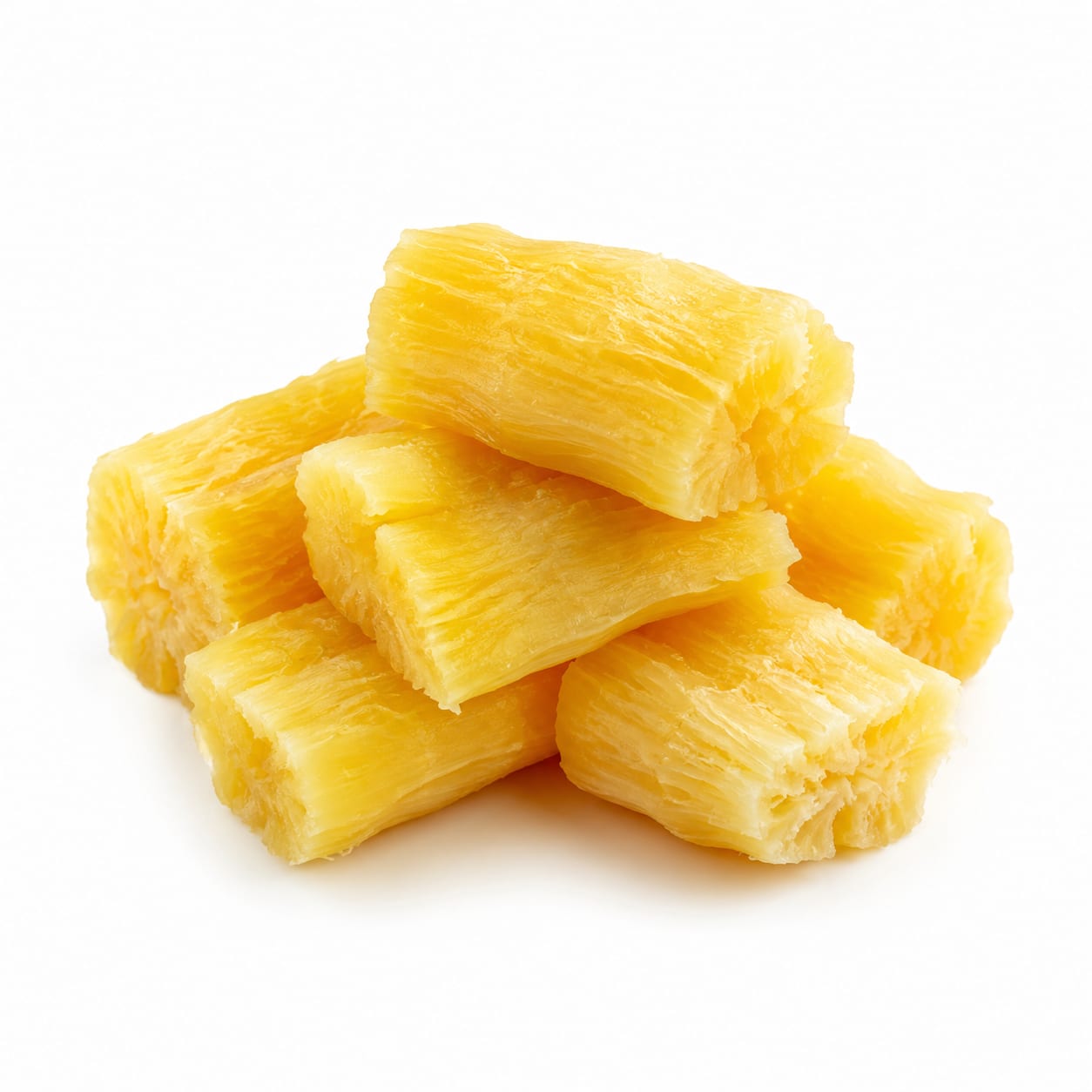
Cassava
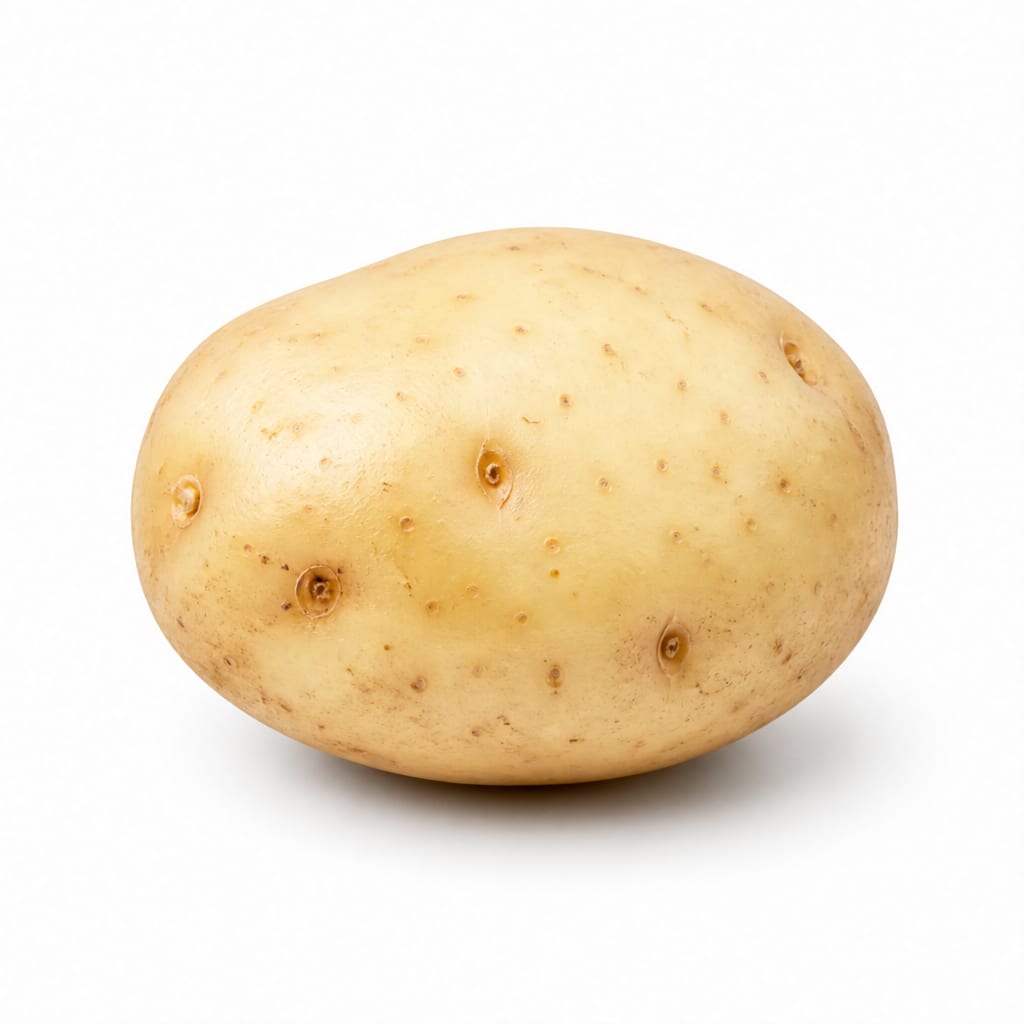
White Potato
White potatoes are safer and more nutritious, while cassava provides a dense, gluten-free energy source that demands careful preparation.
White Potato scores higher due to a superior nutritional profile and much lower safety risks. Cassava loses significant points for the mandatory careful preparation required to remove natural toxins.
Cassava gives you more carbohydrate energy per bite but requires strict preparation to avoid toxicity, whereas white potatoes are safer, more nutrient-dense, and easier to use daily.
At a glance
Executive summary
Overall
White Potato
Healthier
White Potato
More practical
White Potato
Daily use
White Potato
Key comparison lenses
Safety and Toxicity
Cassava contains natural cyanogenic glycosides that require careful preparation to avoid poisoning, making safety the most critical differentiator.
Nutritional Density
Users often assume all root vegetables are nutritionally similar, but white potatoes offer significantly more vitamins and minerals than cassava.
Blood Sugar Management
Both are dense carbohydrate sources, so understanding their glycemic impact is essential for everyday energy and metabolic health.
Dietary Restrictions and Allergens
Cassava is a popular gluten-free and nightshade-free alternative, which matters deeply for people with specific food sensitivities.
Best choice for
Cassava
- Celiacs and those with severe gluten intolerance
- People avoiding nightshades for autoimmune or arthritis reasons
- Endurance athletes needing dense carb loading
White Potato
- Everyday eaters seeking balanced nutrition
- Families wanting a safe, kid-friendly staple
- Those looking for high satiety on a budget
Least suitable for
Cassava
- Children due to higher toxicity risks if undercooked
- People with diabetes due to high carbohydrate density
- Distracted or beginner cooks who might undercook it
White Potato
- People with nightshade sensitivities
- Those strictly limiting high-glycemic carbs
Deep comparison
Dimension by dimension
Each lens scores both foods and breaks down who each option suits.
- Dimension 1 · Priority 95White Potato
Safety and Toxin Risk
Cassava · 40White Potato · 85Cassava contains cyanogenic glycosides that can cause cyanide poisoning if not thoroughly cooked, while white potatoes only pose a solanine risk if heavily green or sprouted.
Tradeoff
Cassava demands peeling and thorough cooking to be safe, whereas potatoes are safe to eat with minimal prep unless visibly spoiled.
Why it matters
Accidental undercooking of cassava can lead to acute toxicity, making it a higher-stakes food to prepare at home.
Real-world impact
You can quickly microwave a white potato for a safe meal, but skipping the boil on cassava could make you severely ill.
Cassava
- Distracted cooks
- Beginners
Worse for
White Potato
- Casual home cooks
- Families with children
- Meal preppers
Better for
- Dimension 2 · Priority 85White Potato
Nutritional Density
Cassava · 45White Potato · 75White potatoes provide more protein, potassium, vitamin C, and fiber than cassava, which is primarily starch.
Tradeoff
Cassava offers more pure carbohydrate energy, but white potatoes bring a wider range of essential micronutrients.
Why it matters
Relying on cassava as a staple without pairing it with other nutrient-dense foods can lead to deficiencies over time.
Real-world impact
A baked white potato contributes meaningfully to your daily potassium and vitamin C, while cassava mostly just fills your glycogen stores.
Cassava
- Endurance athletes carb-loading
Better for
- Those needing protein and micronutrients from their carb sources
Worse for
White Potato
- Those seeking balanced nutrition
- People needing more potassium
Better for
- Dimension 3 · Priority 80It depends
Blood Sugar and Energy
Cassava · 50White Potato · 55Both are high-glycemic starchy carbs, but white potatoes (especially cooled) offer resistant starch, while cassava provides a faster, denser energy hit.
Tradeoff
Cassava gives rapid energy but less sustained fullness, whereas white potatoes (particularly with skin) offer slightly better satiety.
Why it matters
Both can spike blood sugar, so portion control is key for either choice.
Real-world impact
Eating cassava feels like a dense carb load that might leave you hungry again soon, while a white potato with skin keeps you fuller longer.
Cassava
- Quick pre-workout energy
Better for
- People with insulin resistance
Worse for
White Potato
- Sustained afternoon energy
- Avoiding the crash
Better for
- People with insulin resistance
Worse for
- Dimension 4 · Priority 75It depends
Digestive Tolerance and Allergens
Cassava · 70White Potato · 65Cassava is completely free of gluten and nightshades, making it great for sensitive guts, but white potatoes are generally well-tolerated unless you have a specific nightshade issue.
Tradeoff
Cassava is a top-tier gluten-free alternative, while white potatoes can trigger inflammation for those with nightshade sensitivities.
Why it matters
If you have arthritis or an autoimmune condition flaring from nightshades, cassava is the safer carb choice for your body.
Real-world impact
Cassava flour works beautifully in gluten-free baking, while white potatoes might cause joint aches in susceptible people.
Cassava
- People with nightshade sensitivities
- Celiacs
Better for
White Potato
- Those with sensitive digestion who tolerate nightshades well
Better for
- People with autoimmune conditions flaring from nightshades
Worse for
Timeline
Health impact over time
Short-term
Hours to days
Cassava
- Rapid energy replenishment
- Potential nausea or headache if undercooked
White Potato
- Quick satiety
- Steady energy if eaten with protein and fat
- Possible blood sugar spike if eaten alone
Long-term
Months to years
Cassava
- Risk of micronutrient deficiency if eaten as a sole staple
- Potential chronic cyanide exposure effects if consistently undercooked
White Potato
- Improved potassium intake supporting heart health
- Better blood pressure management
- Potential weight gain if fried or overconsumed
Risk profile
Safety & processing
Both cassava and white potatoes are whole, minimally processed root vegetables when bought fresh, though cassava requires more rigorous preparation to become edible.
Cassava
Cyanide poisoning
highRaw cassava contains cyanogenic glycosides. It must be peeled, soaked, and thoroughly cooked to avoid acute cyanide poisoning.
White Potato
Solanine toxicity
lowGreen or sprouted white potatoes contain solanine, which can cause gastrointestinal distress, but this is easily avoided by trimming green parts.
Who wins for whom
Audience fit
Same foods, different winners depending on your goal.
children
White PotatoWhite potatoes are safer to prepare and offer more vitamins for growing bodies, whereas cassava carries a higher risk if undercooked.
daily consumption
White PotatoWhite potatoes are safer, more nutritious, and easier to prepare for daily meals without the risk of toxin exposure.
diabetes
It dependsBoth are high-glycemic and require strict portion control, but cooled white potatoes offer resistant starch which improves glycemic response.
elderly
White PotatoWhite potatoes are easier to chew, safer to digest, and provide more essential micronutrients like potassium for heart health.
muscle gain
White PotatoWhite potatoes provide more protein and potassium, which support muscle function and recovery better than cassava.
weight loss
White PotatoWhite potatoes are proven to be highly satiating per calorie, making it easier to eat less overall compared to the dense, less-filling cassava.
Your move
Decision guide
Choose Cassava
- You are celiac or have a nightshade sensitivity
- You need dense carbohydrate loading for endurance sports
- You want a gluten-free flour alternative for baking
Choose White Potato
- You want a safe, easy-to-prepare everyday carb
- You are looking for more nutrients like potassium and vitamin C
- You want a food that keeps you full longer for weight management
Either works if
- You need a hearty starch to pair with a protein and vegetable
- You are meal-prepping a stew or soup
Avoid both if
- You are on a strict ketogenic or very low-carb diet
- You have severe insulin resistance and cannot tolerate high-glycemic foods
Final recommendation
White potatoes are the safer, more nutritious choice for daily eating. Choose cassava specifically when you need a gluten-free or nightshade-free carb alternative, but always ensure it is thoroughly cooked to eliminate toxicity risks.
Practical
Consumer tips
- 1
Always peel and fully cook cassava before eating; never eat it raw.
- 2
Boiling cassava is the safest method, as it destroys the cyanide compounds.
- 3
Cook and cool white potatoes in the fridge to increase resistant starch, which feeds gut bacteria and lowers the glycemic impact.
- 4
Cut away any green spots or sprouts on white potatoes to avoid solanine.
- 5
Pair either starch with a healthy fat and protein to blunt blood sugar spikes.