
Nutrition comparison
Cassava vs Corn: Which Starchy Staple Is Healthier and Safer?
Compare cassava and corn on nutrition, safety, blood sugar impact, and digestibility. Learn which carb is better for weight loss, diabetes, and daily use — and why cassava's cyanide risk matters.
Overall winner · Corn
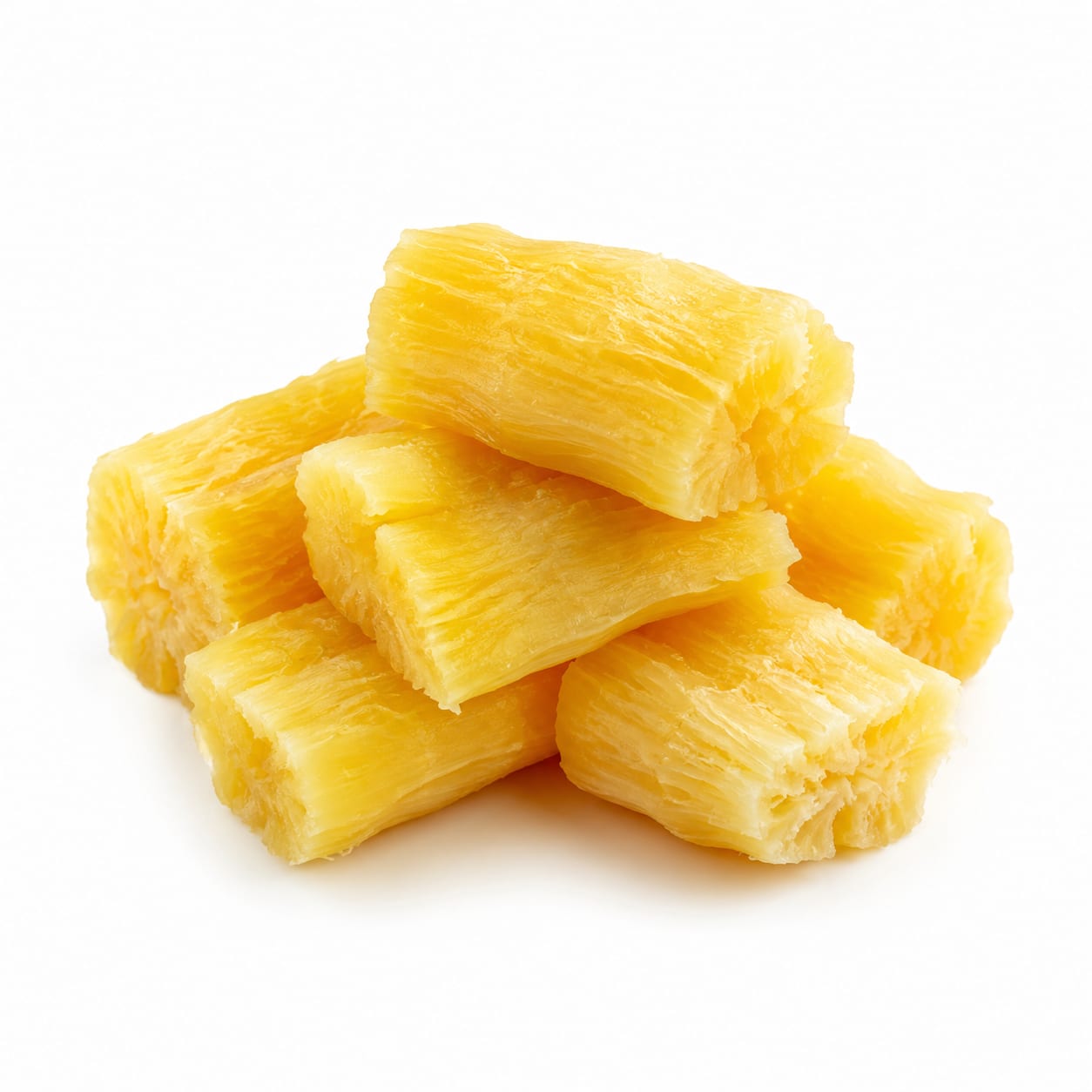
Cassava
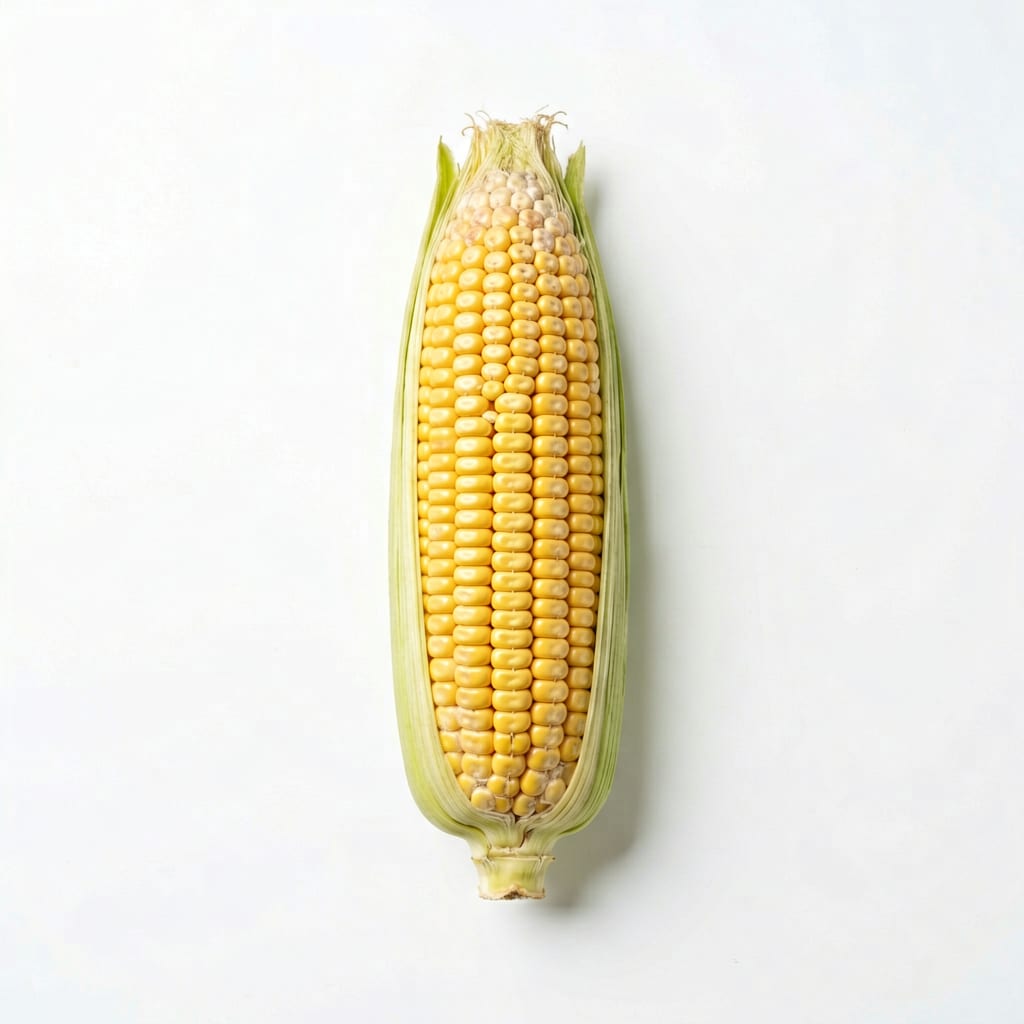
Corn
Corn offers better overall nutrition and easier safety, while cassava delivers denser energy and superior digestibility for sensitive stomachs.
Corn scores notably higher due to stronger nutritional density, easier safety profile, and more protein and fiber. Cassava remains valuable for specific needs like digestive gentleness and caloric density, but its cyanide risk and lower nutrient content hold it back as an everyday staple.
Cassava gives you more calories and comfort per bite but requires careful preparation and lacks protein. Corn brings more fiber, protein, and vitamins but can irritate sensitive digestive systems.
At a glance
Executive summary
Overall
Corn
Healthier
Corn
More practical
Corn
Daily use
Corn
Key comparison lenses
staple carb selection
Both are major starchy staples worldwide, so users are likely deciding which carb base to rely on
safety and preparation
Cassava contains natural cyanogenic compounds requiring proper processing, a critical differentiator
nutritional value comparison
Users want to know which delivers more vitamins, minerals, and protein per calorie
blood sugar management
Both are high-carb foods, so glycemic impact is a real concern for many eaters
digestive tolerance
Corn is a common intolerance trigger while cassava is naturally gluten-free and gentle on digestion
Best choice for
Cassava
- People with gluten sensitivity or celiac disease needing a safe carb base
- Those recovering from illness who need gentle, easy-to-digest calories
- Highly active individuals needing dense caloric fuel
- Anyone seeking a filling comfort food that sits well in the stomach
Corn
- People wanting more protein and fiber from their carb source
- Those prioritizing eye health and antioxidant intake
- Families needing a safe, easy-to-prepare staple without special processing
- Anyone managing blood sugar who benefits from slower-digesting carbs
Least suitable for
Cassava
- People unfamiliar with proper cassava preparation techniques
- Anyone needing protein-rich meals from their carb base
- Those watching calorie intake closely
- People with limited access to fresh, properly processed cassava
Corn
- People with corn allergies or intolerances
- Those avoiding GMO crops unless organic corn is available
- Individuals with severe digestive sensitivity to insoluble fiber
Deep comparison
Dimension by dimension
Each lens scores both foods and breaks down who each option suits.
- Dimension 1 · Priority 92Corn
Nutritional Density
Cassava · 35Corn · 65Corn delivers more protein, fiber, B vitamins, and antioxidants per serving. Cassava is primarily starch with modest vitamin C and little else.
Tradeoff
Cassava provides more calories per gram, which helps if you need energy density, but you sacrifice the broader nutrient profile corn offers.
Why it matters
Eating corn as your staple means your carb source also contributes meaningfully to your protein and micronutrient goals, not just calories.
Real-world impact
A corn-based meal leaves you better nourished overall, while a cassava-heavy plate may leave nutritional gaps you need to fill elsewhere.
Cassava
- Pure caloric fuel for heavy labor or athletic performance
Better for
- Reliance on other foods to fill protein and micronutrient gaps
- Risk of nutrient deficiencies if cassava dominates the diet
Worse for
Corn
- Getting protein, fiber, and vitamins from your carb source
- Reducing the need for supplementation or additional sides
- More complete nutrition per meal
Better for
- Lower calorie density means larger portions needed for the same energy
Worse for
- Dimension 2 · Priority 90Corn
Safety and Preparation
Cassava · 30Corn · 85Cassava contains cyanogenic glycosides that can release cyanide if not properly processed. Corn poses no such risk and requires no special preparation.
Tradeoff
Cassava's safety depends entirely on correct preparation methods like soaking, fermenting, or thorough cooking. Corn is safe to eat with basic cooking.
Why it matters
Improperly prepared cassava can cause acute cyanide poisoning and long-term neurological damage. This is not a theoretical risk in regions where cassava is a daily staple.
Real-world impact
With corn, you can cook and eat confidently. With cassava, you must know what you are doing or buy from trusted sources that have already processed it correctly.
Cassava
- None for safety — this is cassava's biggest disadvantage
Better for
- Potential for serious poisoning if shortcuts are taken
- Requires education and care that many home cooks lack
- Bitter varieties are especially dangerous
Worse for
Corn
- Worry-free cooking and preparation
- Safe for children and elderly without special knowledge
- No risk of acute or chronic toxicity from improper handling
Better for
- Minor concern with GMO varieties for some consumers
Worse for
- Dimension 3 · Priority 82Corn
Blood Sugar Impact
Cassava · 30Corn · 55Both are starchy carbs that raise blood sugar, but cassava has a higher glycemic index and less fiber to slow absorption. Corn's fiber content provides a modest buffer.
Tradeoff
Neither is ideal for tight blood sugar control, but corn is the slightly better choice. Cassava's rapid digestion can cause sharper glucose spikes.
Why it matters
If you are prediabetic, diabetic, or just trying to avoid afternoon energy crashes, the difference in how fast these carbs hit your bloodstream matters daily.
Real-world impact
A cassava meal may leave you energized quickly but hungry again sooner. Corn provides a slightly steadier burn with less dramatic peaks and valleys.
Cassava
- Quick energy before intense physical activity
- Post-workout recovery when fast carbs are desired
Better for
- Sharp blood sugar spikes that can trigger cravings
- Faster return of hunger after eating
- More challenging for anyone with insulin resistance
Worse for
Corn
- Slightly steadier energy release over a few hours
- Less dramatic blood sugar spikes when paired with protein
- Better for managing afternoon energy dips
Better for
- Still a high-carb food that requires portion control for blood sugar management
Worse for
- Dimension 4 · Priority 78Cassava
Digestive Tolerance
Cassava · 80Corn · 50Cassava is naturally gluten-free, low in common allergens, and gentle on sensitive digestive systems. Corn contains insoluble fiber and proteins that can irritate some people.
Tradeoff
Cassava is the safer bet for troubled digestion, but corn's fiber is beneficial if your gut handles it well.
Why it matters
For people with IBS, gluten sensitivity, or food intolerances, cassava can be a calming carb choice. Corn is a frequent trigger for bloating and discomfort in sensitive individuals.
Real-world impact
If corn leaves you bloated or uncomfortable, cassava feels like a relief — smooth, easy, and unlikely to provoke symptoms.
Cassava
- Safe for celiac and gluten-sensitive individuals
- Gentle during digestive recovery or illness
- Low allergen potential overall
Better for
- Very low fiber means less support for healthy gut flora long-term
- Can contribute to constipation if eaten without other fiber sources
Worse for
Corn
- Higher fiber supports regular bowel movements in healthy guts
- Feeds beneficial gut bacteria when tolerated well
Better for
- Corn protein can trigger IgE-mediated allergies in some people
- Insoluble fiber may worsen IBS symptoms
- Whole corn kernels can pass through partially undigested
Worse for
- Dimension 5 · Priority 72Corn
Antioxidant and Protective Compounds
Cassava · 25Corn · 75Corn contains lutein, zeaxanthin, and various polyphenols that support eye health and reduce oxidative stress. Cassava offers minimal antioxidant value.
Tradeoff
Choosing corn means getting protective compounds for free with your carbs. Cassava provides calories without these extras.
Why it matters
Lutein and zeaxanthin are specifically linked to lower risk of age-related macular degeneration. Getting them from food is more effective than supplements for most people.
Real-world impact
Regular corn consumption contributes to long-term eye health in a way cassava simply cannot match.
Cassava
- Vitamin C content provides some antioxidant value
Better for
- Minimal protective phytochemicals compared to most other staples
- Does not contribute to antioxidant defenses meaningfully
Worse for
Corn
- Lutein and zeaxanthin protect vision over decades
- Polyphenols from colored corn varieties fight oxidative damage
- More meaningful contribution to long-term disease prevention
Better for
- Antioxidant content varies significantly by corn variety and preparation
Worse for
- Dimension 6 · Priority 70Cassava
Caloric Efficiency and Satiety
Cassava · 75Corn · 55Cassava packs more calories per serving and provides a heavy, filling sensation. Corn is less calorie-dense and may leave you hungry sooner if eaten alone.
Tradeoff
Cassava fills you up fast with dense energy, which is great for high-calorie needs but risky for weight management. Corn offers lighter satiety that is easier to moderate.
Why it matters
If you are physically active or struggling to eat enough, cassava gets calories in efficiently. If you are watching your weight, corn's lighter profile gives more portion flexibility.
Real-world impact
A cassava meal feels heavy and satisfying in a comforting way. A corn meal feels lighter, which can be good or bad depending on your goals.
Cassava
- High-calorie needs from manual labor or athletic training
- Feeling full and satisfied with less volume
- Weight gain or maintenance in contexts where getting enough calories is hard
Better for
- Easy to overconsume calories without realizing it
- Heavy feeling may not suit lighter meals or hot weather
Worse for
Corn
- Weight management due to lower calorie density
- More flexible portion control without feeling deprived
- Better for meals where you want to leave room for other foods
Better for
- May not feel substantial enough as a standalone carb for very active people
Worse for
Timeline
Health impact over time
Short-term
Hours to days
Cassava
- Quick energy from rapidly digested starch
- Heavy, comforting fullness after meals
- Risk of acute cyanide poisoning if improperly prepared — symptoms include dizziness, headache, and nausea
- Unlikely to trigger allergic reactions or digestive discomfort
Corn
- Moderate energy release with slightly more staying power
- Possible bloating or gas in sensitive individuals
- Safe to eat with standard cooking — no toxicity risk
- Allergic reactions possible in corn-sensitive individuals, including skin reactions or respiratory symptoms
Long-term
Months to years
Cassava
- Chronic low-level cyanide exposure from poorly processed cassava is linked to neurological conditions like konzo and tropical ataxic neuropathy
- Nutrient deficiencies likely if cassava dominates the diet without diverse accompaniments
- Low fiber intake may contribute to constipation and reduced gut health over time
- Vitamin C content supports immune function modestly
Corn
- Lutein and zeaxanthin intake supports long-term eye health and may reduce macular degeneration risk
- Fiber contributes to cardiovascular health and stable digestion over decades
- Moderate protein intake from carb source reduces overall protein deficiency risk
- GMO corn consumption remains debated, though current evidence does not show clear harm
Risk profile
Safety & processing
Both cassava and corn are whole, minimally processed foods when purchased raw. However, cassava requires extensive home processing for safety, and many corn products on shelves are highly processed. Fresh corn on the cob and whole cassava roots are equally natural starting points.
Cassava
Cyanogenic glycoside poisoning
highCassava contains compounds that release hydrogen cyanide when improperly prepared. Bitter varieties are especially dangerous. Thorough peeling, soaking, fermenting, and cooking are essential to reduce cyanide to safe levels.
Chronic cyanide exposure
mediumEven sub-acute exposure from marginally processed cassava can cause long-term neurological damage, particularly in populations relying on it as a daily staple with limited dietary diversity.
Corn
GMO and pesticide exposure
lowMost conventional corn in many countries is genetically modified and may carry higher pesticide residues. Choosing organic corn eliminates this concern. Current evidence does not demonstrate health harm from GMO corn itself.
Mycotoxin contamination
lowCorn can be contaminated with fumonisins and aflatoxins, particularly in humid storage conditions. Proper storage and sourcing from reputable suppliers minimize this risk.
Allergic reactions
lowCorn allergy is uncommon but can cause significant reactions in affected individuals, including anaphylaxis in rare cases.
Who wins for whom
Audience fit
Same foods, different winners depending on your goal.
children
CornCorn is safer to prepare and offers more nutrients for growing bodies. Cassava's cyanide risk demands careful handling that adds unnecessary danger when feeding children.
daily consumption
CornCorn is safer, more nutritious, and easier to incorporate daily without special preparation knowledge. Cassava can be consumed daily but requires consistent proper processing and dietary diversity to avoid nutrient gaps.
diabetes
CornNeither is ideal, but corn's fiber content slows glucose absorption somewhat compared to cassava's faster-digesting starch. Both require careful portioning and pairing with protein and fat.
elderly
CornOlder adults benefit more from corn's fiber, B vitamins, and eye-protective antioxidants. Cassava's lower nutrient density and safety concerns make it a weaker choice for aging bodies that need more nutrition per calorie.
muscle gain
CornCorn provides modest protein alongside its carbs, while cassava is nearly protein-free. Neither is a protein powerhouse, but corn contributes slightly more toward muscle-supporting nutrition.
weight loss
CornCorn's lower calorie density and higher fiber make it easier to manage portions and stay satisfied with fewer calories. Cassava's dense calories add up quickly.
Your move
Decision guide
Choose Cassava
- You have gluten sensitivity or celiac disease and need a reliably safe carb base
- You are highly active and need calorie-dense fuel that digests easily
- You grew up preparing cassava and know the proper processing methods
- You are recovering from illness and need gentle, comforting calories
- You live in a region where cassava is the affordable, accessible staple
Choose Corn
- You want more nutrition from your everyday carb source
- You have children or elderly family members and prefer a safer staple
- You are managing your weight and want lower calorie density
- You care about eye health and antioxidant intake
- You want a versatile carb that requires no special safety knowledge
Either works if
- You need a gluten-free carb and tolerate both well
- You are meal-prepping and want starchy variety across the week
- You live in a tropical region where both are affordable and traditional
Avoid both if
- You are on a strict low-carb or ketogenic diet
- You have severe blood sugar instability that requires minimal starch intake
- You are allergic to both, which is rare but possible
Final recommendation
Corn is the stronger everyday choice for most people due to its better nutrition, easier safety profile, and more balanced blood sugar impact. Choose cassava when you specifically need its digestive gentleness, caloric density, or cultural familiarity — but always ensure proper preparation to eliminate cyanide risk.
Practical
Consumer tips
- 1
If buying cassava, choose sweet varieties when possible — they contain far less cyanogenic compounds than bitter varieties
- 2
Never eat cassava raw; always peel, soak, and cook thoroughly to reduce cyanide to safe levels
- 3
Fermented cassava products like gari and fufu are generally safer due to extended processing that breaks down toxins
- 4
Choose organic corn if you want to avoid GMO crops and reduce pesticide exposure
- 5
Blue and purple corn varieties offer significantly more antioxidants than standard yellow corn
- 6
Pair either starch with protein and healthy fats to slow digestion and reduce blood sugar spikes
- 7
If corn causes bloating, try eating younger, sweeter corn or smaller portions alongside easier-to-digest foods
- 8
Store corn in the refrigerator and consume within a few days to prevent sugar conversion to starch and mycotoxin growth