
Nutrition comparison
Cassava vs Quinoa: Nutrition, Safety, and Health Comparison
Discover the key differences between cassava and quinoa. Learn which is better for blood sugar, protein intake, and overall health, plus crucial safety tips for preparing cassava.
Overall winner · Quinoa
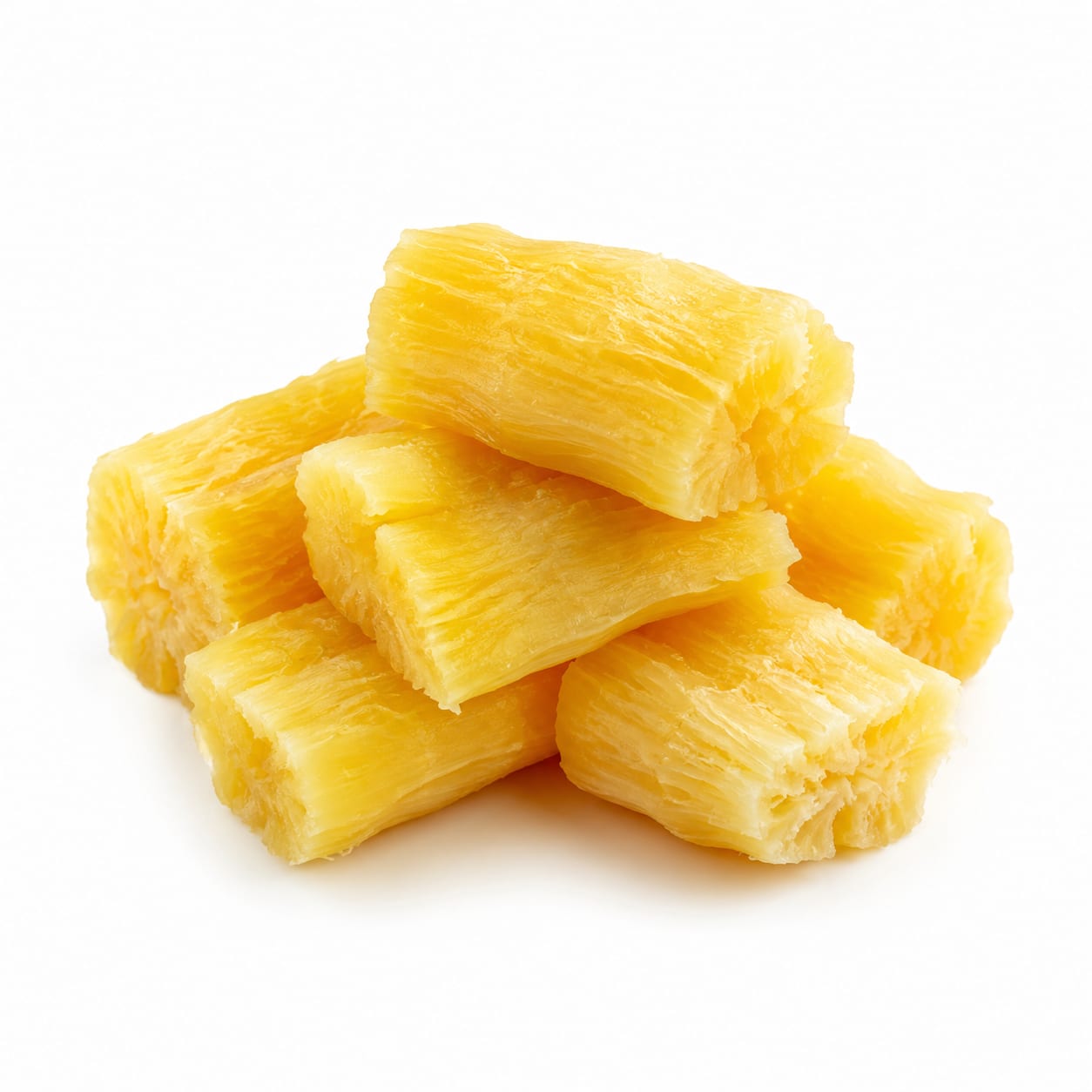
Cassava
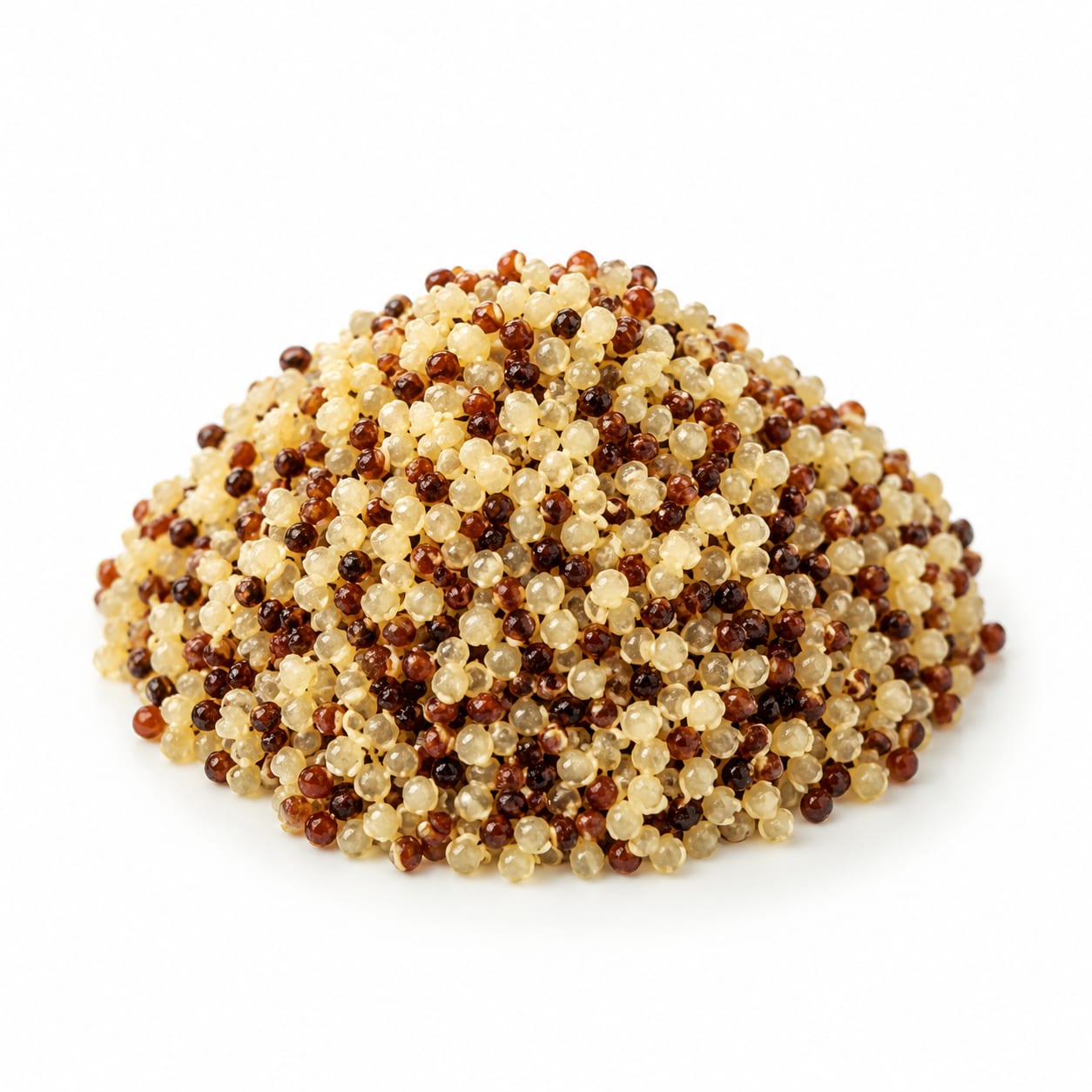
Quinoa
Quinoa dominates for everyday health, offering complete protein and steady energy, while cassava is purely a high-carb energy source with serious safety prep requirements.
Quinoa scores significantly higher due to its complete protein, superior micronutrient profile, and safer preparation. Cassava's low score reflects its poor protein content, high glycemic load, and inherent toxicity risks if improperly prepared.
You trade the cheap, dense calorie fuel of cassava for the nutrient-dense, blood-sugar-friendly profile of quinoa.
At a glance
Executive summary
Overall
Quinoa
Healthier
Quinoa
More practical
Quinoa
Daily use
Quinoa
Key comparison lenses
Nutritional completeness and protein quality
Quinoa is a rare plant-based complete protein, while cassava is almost entirely starch with minimal protein.
Blood sugar impact and energy stability
Cassava is a high-glycemic carb that spikes blood sugar, whereas quinoa provides slow, steady energy.
Food safety and toxicity risks
Cassava contains naturally occurring cyanogenic glycosides that require careful preparation to detoxify, a risk quinoa does not share.
Satiety and weight management
Quinoa's fiber and protein keep you full much longer than cassava's easily digested carbohydrates.
Best choice for
Cassava
- Endurance athletes needing pure carb reloading
- Budget-conscious bulk calorie sourcing
- Traditional cultural recipes
Quinoa
- Balanced daily nutrition
- Blood sugar management
- Plant-based protein intake
Least suitable for
Cassava
- People with diabetes or insulin resistance
- Those seeking nutrient density over calories
- Anyone unfamiliar with proper toxin-removal preparation
Quinoa
- Very tight food budgets
- People with severe quinoa allergies or sensitivities
Deep comparison
Dimension by dimension
Each lens scores both foods and breaks down who each option suits.
- Dimension 1 · Priority 95Quinoa
Nutritional Completeness
Cassava · 15Quinoa · 95Quinoa delivers all essential amino acids and rich minerals, while cassava is essentially empty starch.
Tradeoff
Choosing cassava means missing out on vital proteins and fats that your body needs for repair and hormone production.
Why it matters
Eating foods lacking in protein forces your body to pull from muscle stores, making quinoa a far better staple for maintaining lean mass.
Real-world impact
A quinoa bowl keeps you satisfied and nourished, whereas a cassava-heavy meal leaves you hungry again soon because it lacks the building blocks your body craves.
Cassava
- Pure carbohydrate fueling
Better for
- Muscle maintenance
- Preventing nutrient deficiencies
Worse for
Quinoa
- Tissue repair
- Immune function
- Overall daily nourishment
Better for
- Dimension 2 · Priority 90Quinoa
Blood Sugar Stability
Cassava · 25Quinoa · 85Cassava spikes blood sugar rapidly, while quinoa provides a slow, steady energy release.
Tradeoff
Cassava gives a quick energy rush followed by a crash, whereas quinoa sustains your focus and energy for hours.
Why it matters
Frequent blood sugar spikes from high-glycemic foods like cassava lead to afternoon slumps and increased cravings.
Real-world impact
You will feel far more energized and less snacky after a quinoa lunch compared to a cassava-based meal.
Cassava
- Quick pre-workout energy
Better for
- Sustained focus
- Mood stability
Worse for
Quinoa
- Avoiding the afternoon crash
- Managing diabetes
- Reducing sugar cravings
Better for
- Dimension 3 · Priority 88Quinoa
Food Safety and Preparation
Cassava · 30Quinoa · 90Cassava contains natural cyanide precursors that demand careful peeling and cooking, while quinoa only needs a simple rinse.
Tradeoff
Cassava requires strict preparation to be safe to eat, making it risky for casual cooks, whereas quinoa is virtually foolproof.
Why it matters
Improperly prepared cassava can cause acute cyanide poisoning, a severe health risk that demands respect and knowledge.
Real-world impact
You can cook quinoa without worry on a busy weeknight, but preparing cassava requires dedicated time and attention to avoid getting sick.
Cassava
- Safe meal prep
- Quick weeknight cooking
Worse for
Quinoa
- Convenience
- Peace of mind
- Beginner-friendly cooking
Better for
- Dimension 4 · Priority 85Quinoa
Satiety and Fullness
Cassava · 30Quinoa · 88Quinoa's fiber and protein combo fills you up fast and keeps you full, while cassava digests quickly.
Tradeoff
You need a much larger volume of cassava to feel as satisfied as you would from a moderate portion of quinoa.
Why it matters
Foods that digest quickly often lead to overeating because your brain does not register fullness fast enough.
Real-world impact
Quinoa helps you naturally control portions, while cassava makes it easy to accidentally overconsume calories.
Cassava
- Staying full between meals
- Portion control
Worse for
Quinoa
- Weight management
- Appetite control
- Reducing late-night snacking
Better for
- Dimension 5 · Priority 70Cassava
Caloric Density and Fueling
Cassava · 90Quinoa · 60Cassava is a dense, cheap source of carbohydrates perfect for heavy physical labor or endurance sports.
Tradeoff
If you need massive carb intake on a budget, cassava delivers, but it comes at the cost of nutritional balance.
Why it matters
For intense physical demands, pure carbohydrate density can be a feature rather than a bug.
Real-world impact
An athlete needing to carb-load before a marathon might appreciate cassava, but a desk worker would find it excessive.
Cassava
- Endurance carb-loading
- High-calorie budgets
- Intense physical labor
Better for
- Sitting at a desk all day
Worse for
Quinoa
- Sedentary workdays
- Light activity
Better for
- Extreme calorie needs on a budget
Worse for
Timeline
Health impact over time
Short-term
Hours to days
Cassava
- Rapid blood sugar spike followed by an energy crash
- Risk of acute cyanide poisoning if undercooked or improperly peeled
- Heavy, sluggish feeling if eaten in large portions without protein
Quinoa
- Steady, sustained energy for hours
- Quick feeling of fullness that prevents overeating
- Mild stomach upset if saponins are not rinsed off
Long-term
Months to years
Cassava
- Potential for weight gain if used as a primary staple without portion control
- Risk of protein deficiency if not paired with other protein sources
- Possible chronic cyanide exposure effects if consistently under-processed
Quinoa
- Improved metabolic health and blood sugar regulation
- Better muscle maintenance due to high-quality protein
- Support for heart health via fiber and healthy fats
Risk profile
Safety & processing
Both foods are whole, minimally processed options. However, cassava's natural toxins require human intervention to make it safe, while quinoa is naturally safe after a simple water rinse.
Cassava
Cyanide poisoning
highCassava contains linamarin, which converts to cyanide. Bitter varieties have especially high levels. Thorough peeling, soaking, and cooking are mandatory to avoid severe illness or death.
Quinoa
Saponin sensitivity
lowQuinoa naturally coats itself in saponins to deter pests. Unrinsed quinoa tastes bitter and can cause mild stomach discomfort in sensitive individuals.
Who wins for whom
Audience fit
Same foods, different winners depending on your goal.
children
QuinoaQuinoa is nutrient-dense and safe for kids, whereas cassava offers little nutritional value and poses a strict toxicity risk if improperly prepared.
daily consumption
QuinoaQuinoa is a nutritionally balanced daily staple, while daily cassava consumption without dietary variety can lead to protein and micronutrient deficiencies.
diabetes
QuinoaQuinoa has a low glycemic index that stabilizes blood sugar, while cassava causes rapid glucose spikes.
elderly
QuinoaOlder adults need protein to prevent muscle wasting and steady energy, both of which quinoa provides far better than cassava.
muscle gain
QuinoaQuinoa provides a complete protein profile necessary for muscle repair, whereas cassava offers almost zero protein.
weight loss
QuinoaQuinoa's high protein and fiber keep you full on fewer calories, while cassava's carb density easily leads to overeating.
Your move
Decision guide
Choose Cassava
- You are an endurance athlete needing cheap, dense carbohydrate fuel
- You are preparing traditional cultural dishes that highlight its unique texture
- You need to maximize calorie intake on a very tight budget
Choose Quinoa
- You want a balanced, nourishing base for everyday meals
- You are trying to manage your weight or blood sugar
- You need a convenient, safe, and protein-rich plant-based carb
Either works if
- You are simply looking for a gluten-free carbohydrate base
- You want to add variety to your grain and tuber rotation
Avoid both if
- You are on a strict ketogenic or very low-carb diet
- You have severe digestive issues that react poorly to high-fiber or high-starch foods
Final recommendation
Make quinoa your daily go-to for a safe, filling, and nutritionally complete carb. Save cassava for occasional traditional recipes or intense carb-loading, but always prioritize thorough peeling and cooking to eliminate its natural toxins.
Practical
Consumer tips
- 1
Never eat cassava raw; always peel it deeply, soak it if possible, and boil it thoroughly to destroy cyanogenic compounds.
- 2
Rinse quinoa in a fine-mesh strainer under cold water for 30 seconds to wash away the bitter saponin coating.
- 3
Pair cassava with a strong protein source like beans or meat to balance out its heavy carbohydrate load.
- 4
If trying cassava, opt for the sweeter variety found in grocery stores, as it contains far less natural cyanide than bitter cassava.