
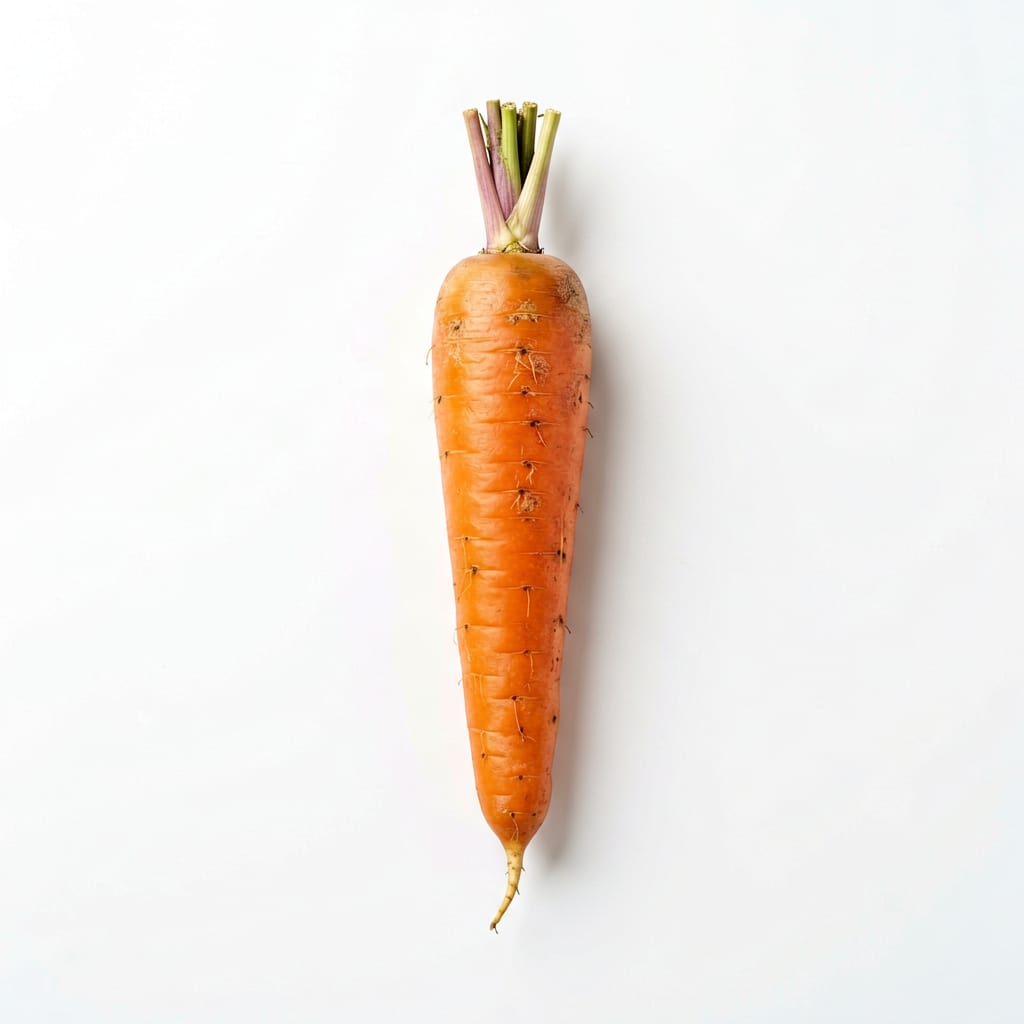
Vegetable
Carrot
Carrots are crunchy, nutrient-dense root vegetables exceptionally rich in beta-carotene and fiber, ideal for low-calorie snacking and cooking.
Carrots are vibrant orange root vegetables widely consumed worldwide for their sweet flavor, crunch, and exceptional beta-carotene content, which the body converts into vitamin A.
high-volume low-calorie root vegetable
Typical serving · 128g
Common varieties · nantes, imperator, chantenay, danvers, baby +1 more
Overall context score across nutrition, safety, and diet fit
At a glance
Quick facts
Simple indicators based on nutrition, processing, and diet fit.
The story
What makes it unique
Raw carrots are root vegetables with high water content and low energy density. They digest at a moderate speed, slowed by soluble fiber like pectin, which promotes satiety and moderates glycemic response. Their macronutrient profile is predominantly carbohydrate with minimal fat and protein. As an unprocessed whole food, they retain intact cellular structures that limit rapid glucose absorption.
Varieties: nantes · imperator · chantenay · danvers · baby · purple
Per 100g
Nutrition breakdown
Macro balance and key metrics at a glance.
Energy
Density 0.41 kcal/g
Protein
Carbs
Fat
Fiber
Sugar
4.7 g
Sodium
69 mg
Potassium
320 mg
Glycemic index
16
Glycemic load
2
Water content
88%
Standout compounds
Nutrient highlights
Beta-carotene
highConverts to vitamin A, essential for vision, immune function, and skin health.
Fiber
moderateSupports digestive regularity and feeds beneficial gut bacteria.
Biotin
moderateImportant for fat and carbohydrate metabolism.
Potassium
moderateHelps regulate blood pressure and fluid balance.
Vitamin K1
moderateCrucial for blood coagulation and bone metabolism.
Wellness map
Health scores & processing
NOVA processing scale
minimally processed · Whole food
Raw carrots are unprocessed whole foods harvested directly from the ground with no added ingredients.
Diet compatibility
- Weight loss
- Muscle gain
- Diabetes
- Gut health
- Low carb
- High protein
- Heart health
Relative standing
Food rankings
Qualitative ranks compared to similar whole foods.
- Satietygood
- Blood sugarexcellent
- Nutrient densityexcellent
- Fitness fuelmoderate
- Processing qualityexcellent
Eat with confidence
Food safety profile
Carrots are generally very safe to consume. The primary concern is surface pesticide residues from conventional farming and potential soil-borne bacteria. Peeling and washing significantly reduce these risks.
Evidence confidence 85%
- Pesticidesmoderate
- Antibioticslow
- Heavy metalslow
- Contaminationlow
Watch for
- pesticide residues
- soil bacteria
Safer choices
Organic carrots eliminate synthetic pesticide exposure risks.
Prep tips
Scrub thoroughly under running water to remove soil and residues. Peeling further reduces pesticide exposure but removes some fiber and nutrients.
Carrots frequently appear on environmental working group watch lists for pesticide residues, though levels usually remain below regulatory limits.
Deep dive
Health analysis
How this food may fit different goals and preparation choices.
Weight loss
Extremely low energy density and high water content allow large portion sizes with minimal calories, promoting fullness without caloric excess.
Blood sugar
Raw carrots have a remarkably low glycemic index and load. Their fiber content slows glucose absorption, preventing blood sugar spikes even in diabetic diets.
Fitness & energy
Provides quick-digesting carbohydrates for light energy, but lacks the protein and dense carbs needed for intense workout recovery or muscle building.
Gut health
Pectin and cellulose fiber support healthy bowel movements and feed beneficial gut bacteria, contributing to a balanced microbiome.
Processing quality
As a whole, unprocessed food, carrots retain their natural fiber matrix and full micronutrient profile without additives or refined sugars.
Food safety
Conventional carrots carry moderate pesticide residue risk. Washing and peeling mitigates most concerns, while organic options offer a cleaner alternative.
Common mistakes
Eating carrots plain without a fat source drastically limits vitamin A uptake. Overcooking can destroy heat-sensitive vitamins while increasing the glycemic index.
Best preparation
Lightly steaming or roasting with a healthy fat like olive oil maximizes beta-carotene bioavailability while preserving nutrients and keeping the glycemic impact low.
Practical guide
Best use cases
When and how this food fits real eating patterns.
Low-calorie snacking
Raw carrot sticks provide high volume and crunch for minimal calories, ideal for curbing hunger between meals.
Vitamin A boost
When cooked with a little fat, carrots efficiently deliver large amounts of bioavailable vitamin A to support vision and immune function.
Meal bulk enhancer
Grated or chopped carrots add low-calorie volume and natural sweetness to salads, soups, and stews.
Balance sheet
Pros & cons
Upsides
- Very low in calories but highly filling
- Exceptional source of beta-carotene for eye health
- Low glycemic index when consumed raw
- Convenient, portable, and requires minimal preparation
- Supports digestive health through pectin fiber
Trade-offs
- Minimal protein and healthy fats, requiring food pairing
- Boiling significantly increases the glycemic index
- Conventional varieties carry moderate pesticide residues
- Overconsumption can cause harmless skin yellowing
Fit check
Who is it for?
Great match
- weight loss snacking
- vitamin A deficiency prevention
- blood sugar friendly diets
- increasing daily vegetable volume
Consider alternatives
- strict ketogenic diets
- high-protein diets
- those avoiding FODMAPs in large quantities
Side by side
How it compares
Open the full head-to-head analysis for nutrition, safety, and practical tradeoffs.
This food
Carrot
VS85% alike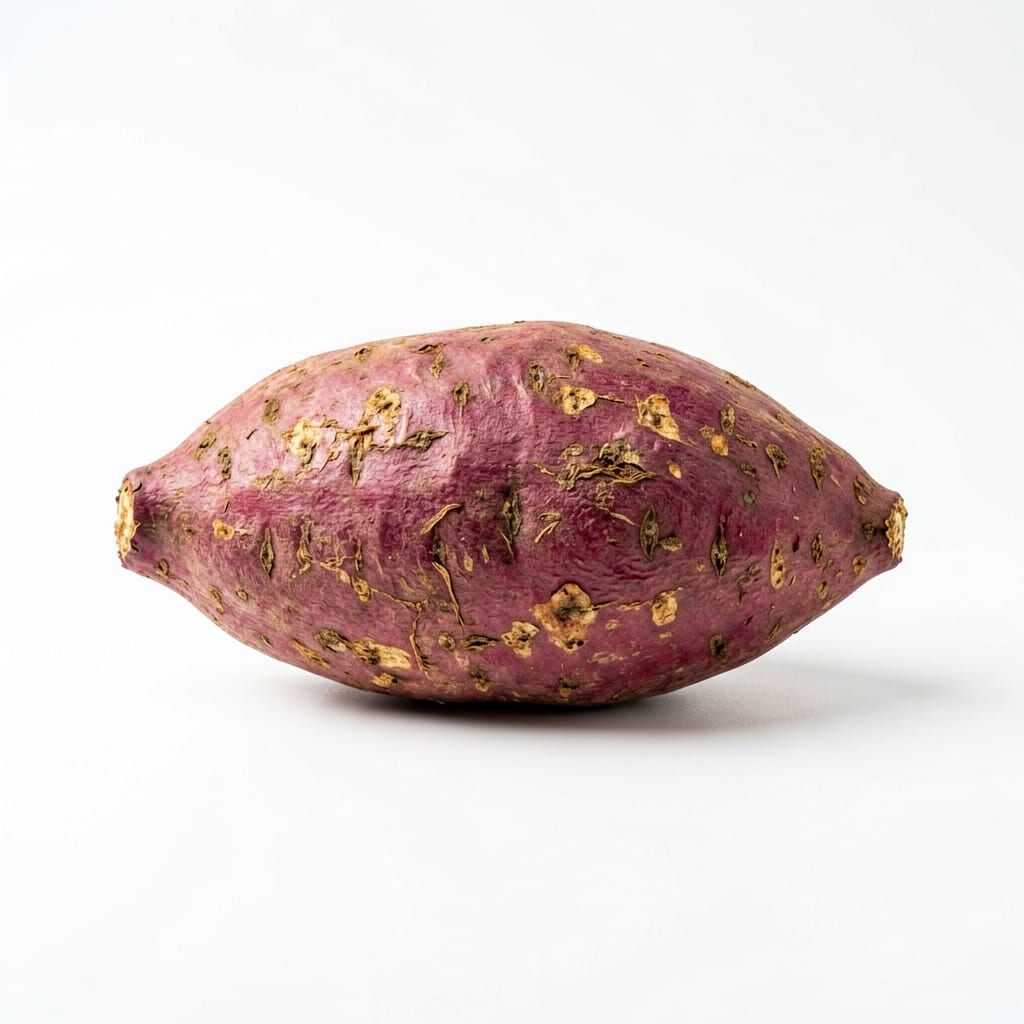
Compare with
Sweet Potato
Sweet potatoes offer more calories and carbohydrates, making them better for energy, while carrots are significantly lower in calories and better for raw snacking.
Carrots are lower in calories and better for weight loss snacking, while sweet potatoes provide denser energy and complex carbs better suited for post-workout recovery.
This food
Carrot
VS80% alike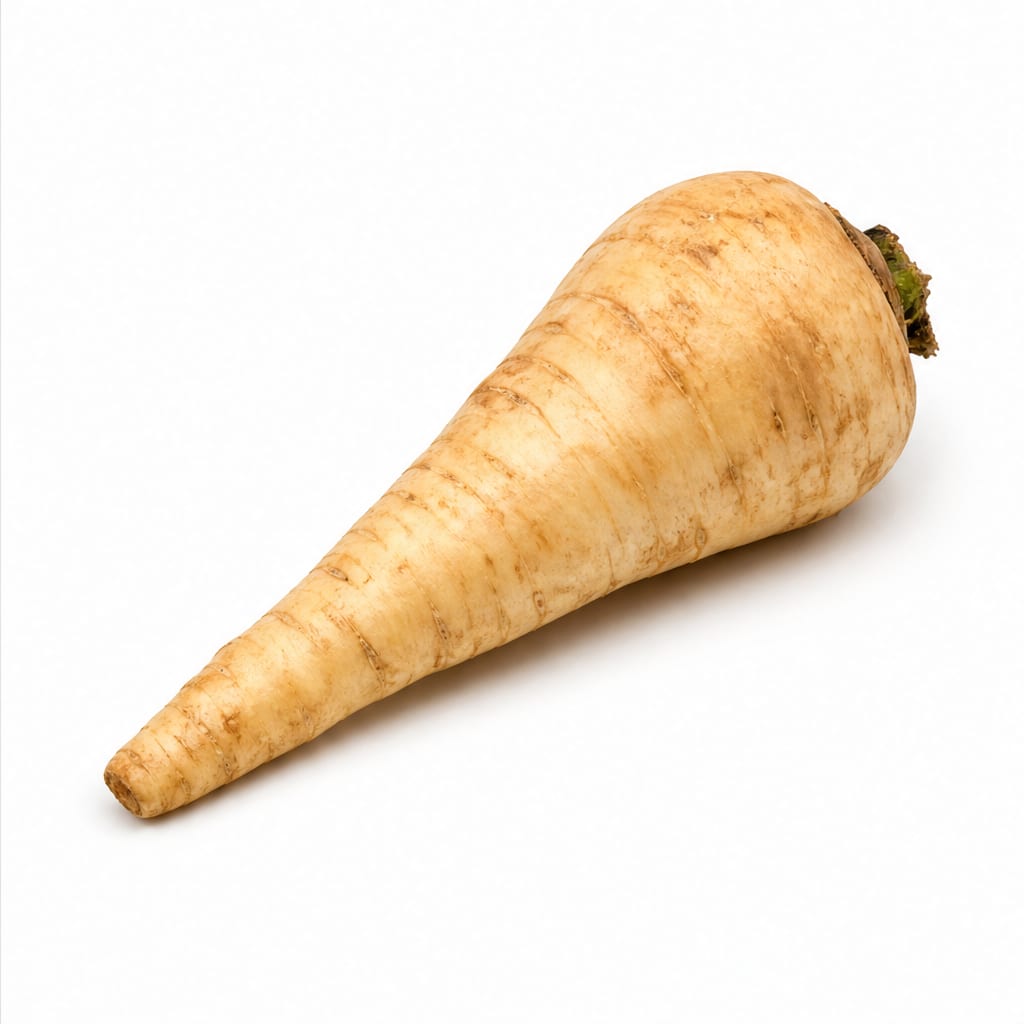
Compare with
Parsnip
Parsnips are sweeter and higher in calories and carbs, whereas carrots are lower in sugar and calories with a lower glycemic impact.
Carrots are much lower in calories and sugar than parsnips, making them better for blood sugar control, while parsnips offer more sustained energy for athletes.
This food
Carrot
VS60% alike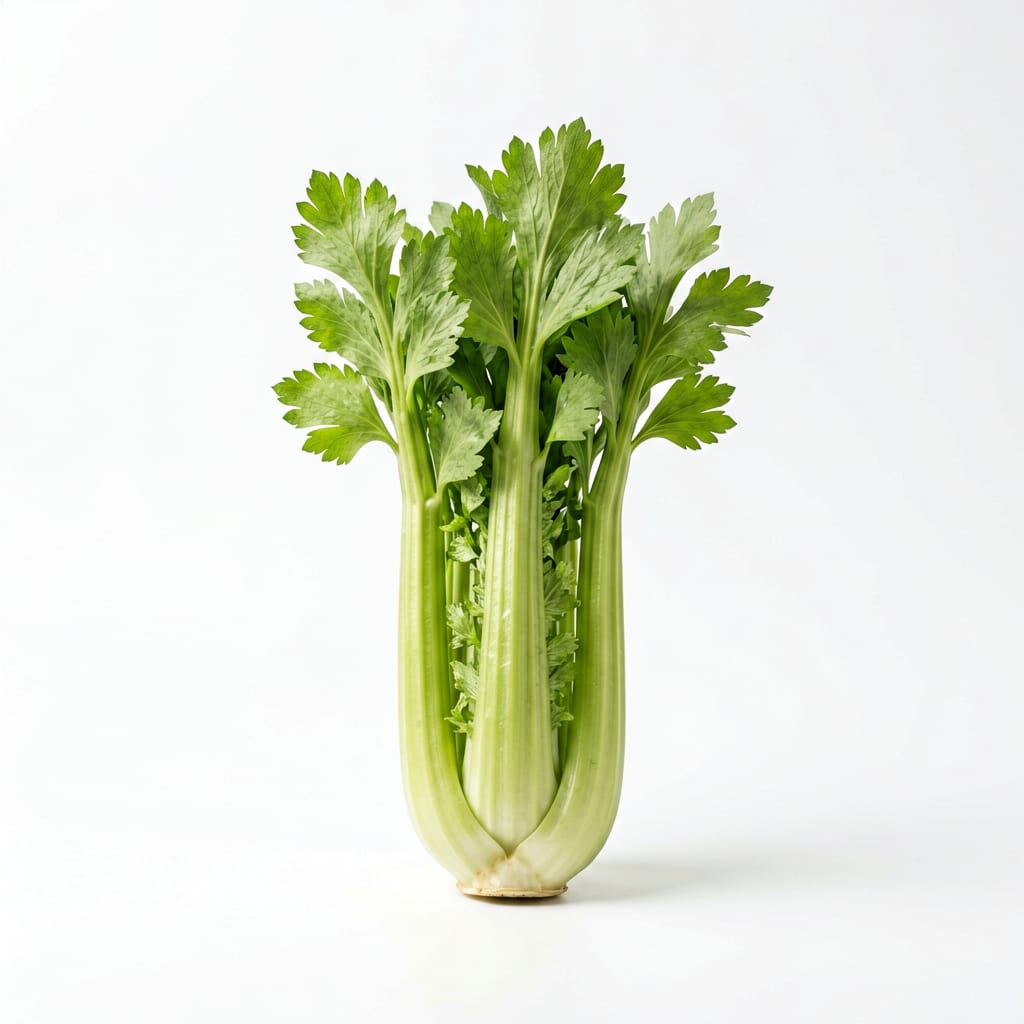
Compare with
Celery
Celery is lower in calories and carbs, but carrots provide vastly more vitamin A and a stronger satiety effect due to their denser texture.
Celery is lower in calories, but carrots provide significantly more vitamins and better satiety, making them a more nutritious low-calorie snack.
This food
Carrot
VS65% alike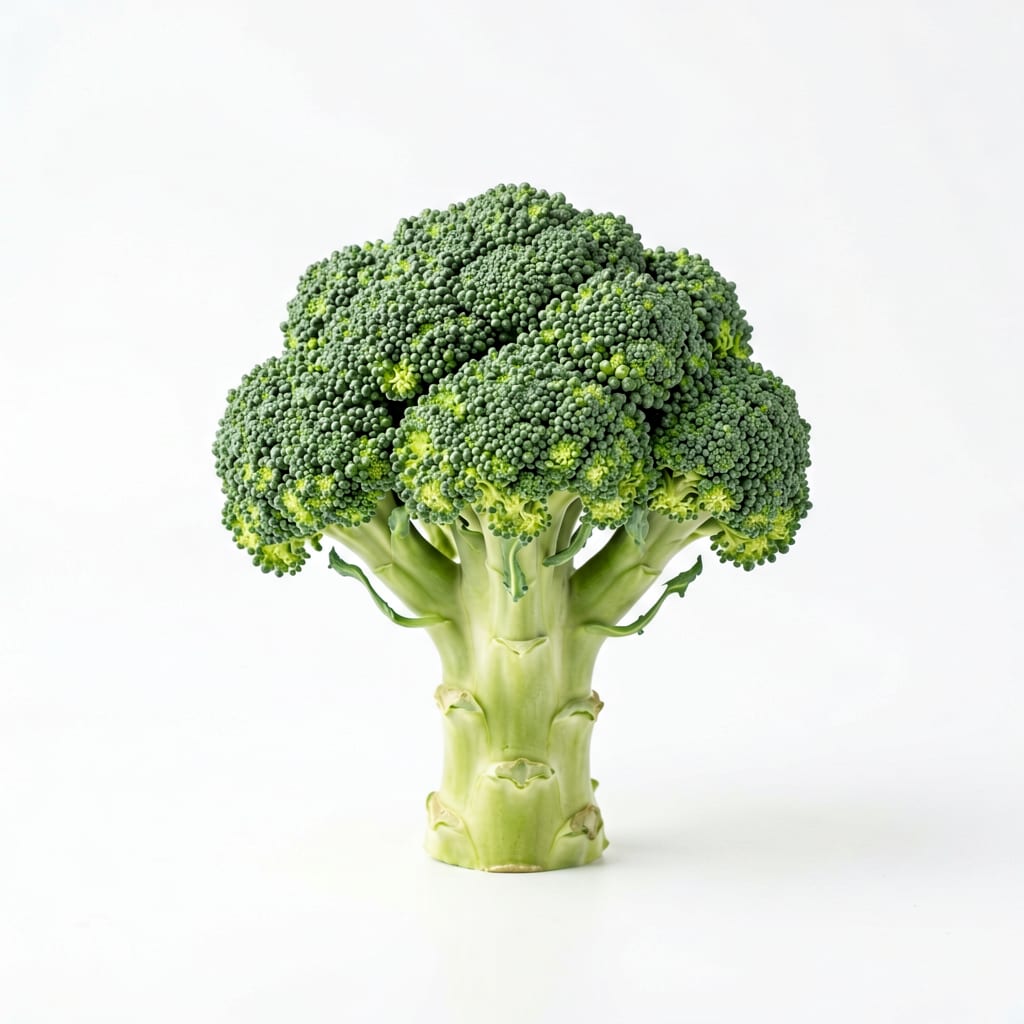
Compare with
Broccoli
Broccoli offers more protein and vitamin C, while carrots provide dramatically more vitamin A. Both are excellent for weight loss.
Broccoli provides more protein and vitamin C, while carrots excel in vitamin A. Both are equally excellent for low-calorie diets and blood sugar control.
This food
Carrot
VS55% alike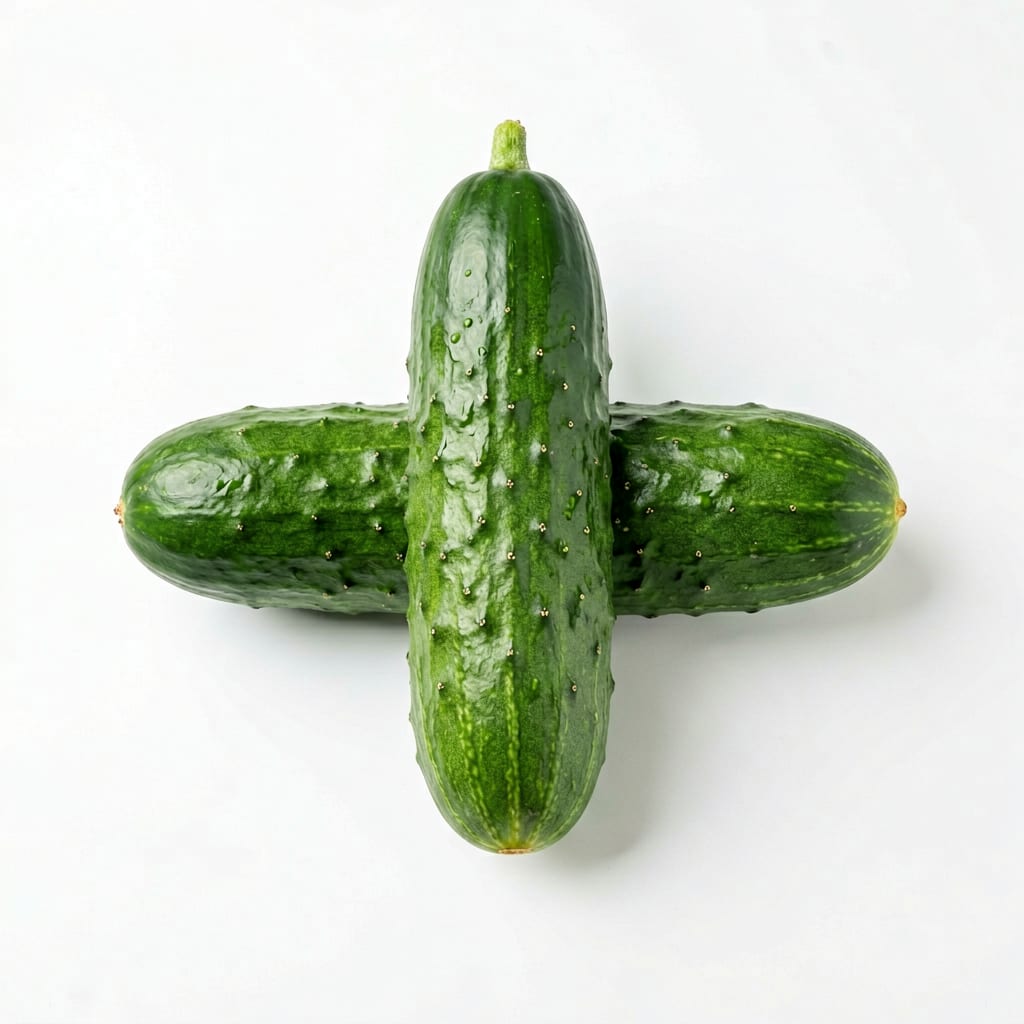
Compare with
Cucumber
Cucumbers are lower in calories and carbs, but carrots are far more nutrient-dense, providing essential vitamins like beta-carotene.
Cucumbers are lower in calories, but carrots offer significantly more nutrients and fiber, making them more filling and beneficial for overall health.
This food
Carrot
VS60% alike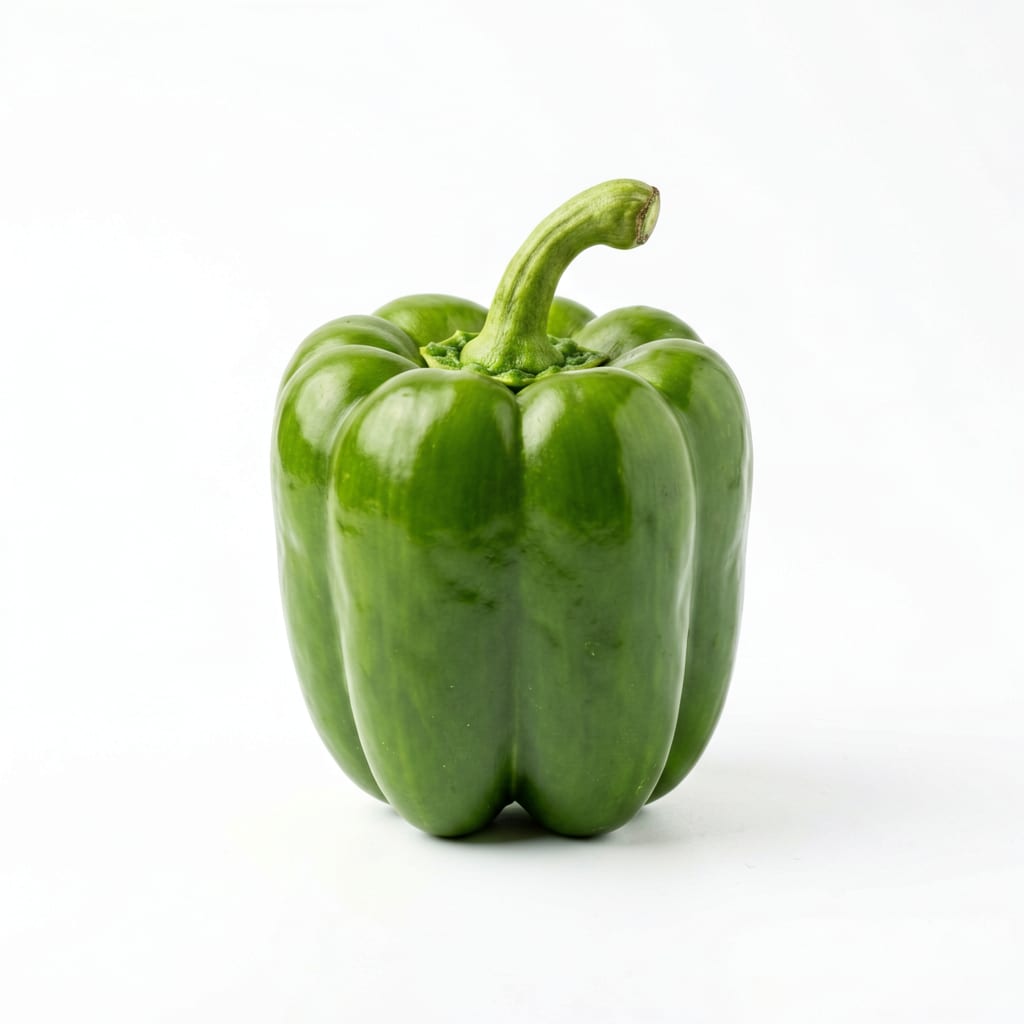
Compare with
Bell Pepper
Bell peppers provide more vitamin C and are lower in carbs, while carrots offer vastly more vitamin A and are slightly lower in calories.
Bell peppers are lower in sugar and higher in vitamin C, while carrots are lower in calories and dominate in vitamin A content.
This food
Carrot
VS70% alike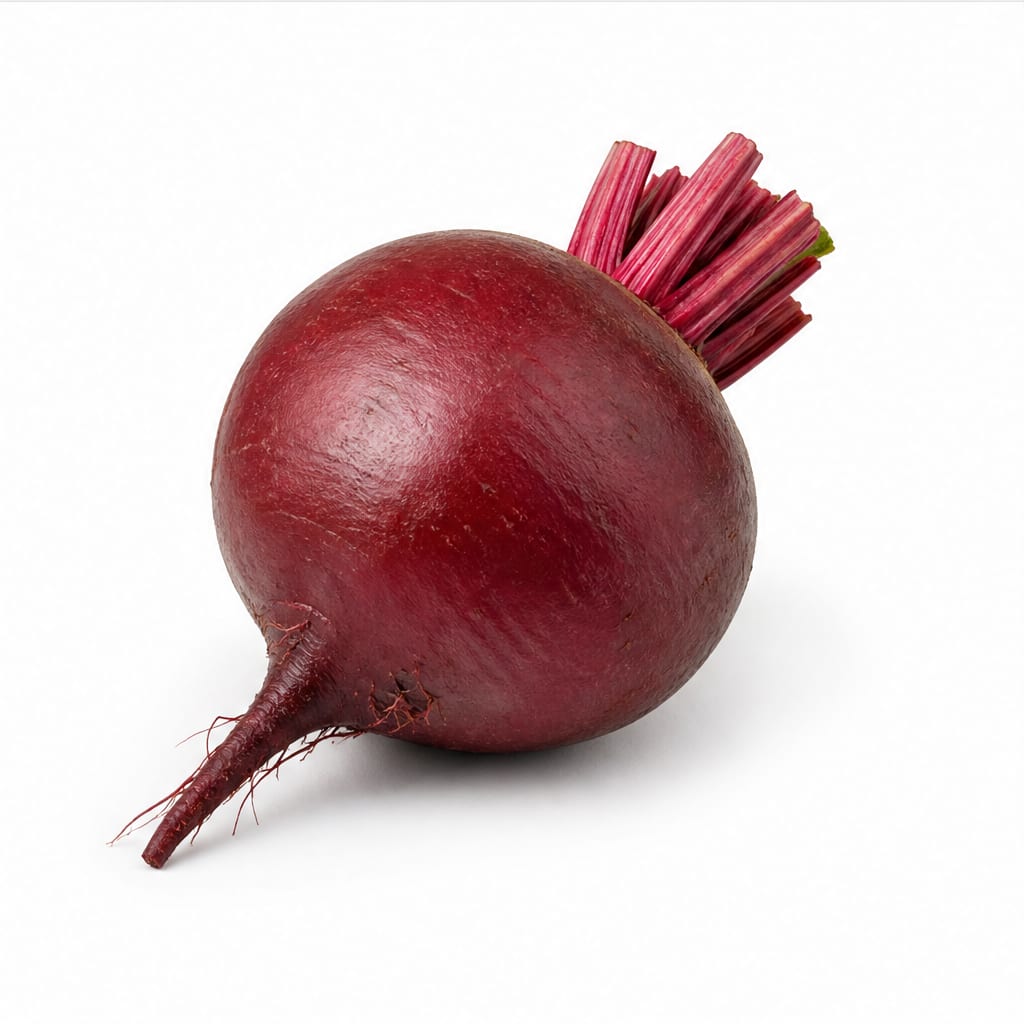
Compare with
Beet
Beets are higher in sugar and calories but offer unique nitrates for athletic performance. Carrots are better for strict low-calorie diets.
Carrots are lower in sugar and calories for weight loss, while beets provide dietary nitrates that specifically enhance athletic blood flow and stamina.
This food
Carrot
VS65% alike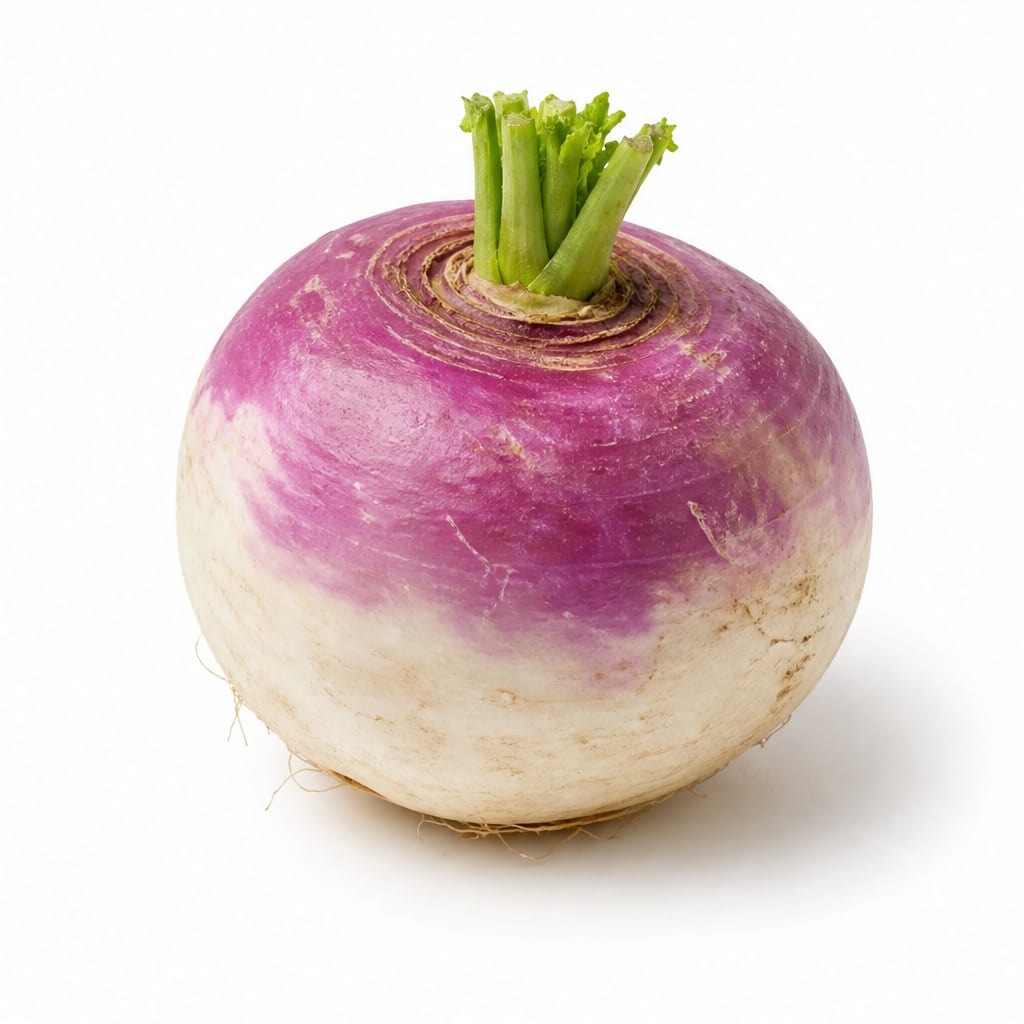
Compare with
Turnip
Turnips are lower in calories and carbs than carrots but lack the high beta-carotene content. Carrots are sweeter and more nutrient-dense.
Turnips are lower in carbohydrates and calories, but carrots provide significantly more micronutrients like vitamin A and better natural sweetness.
This food
Carrot
VS55% alike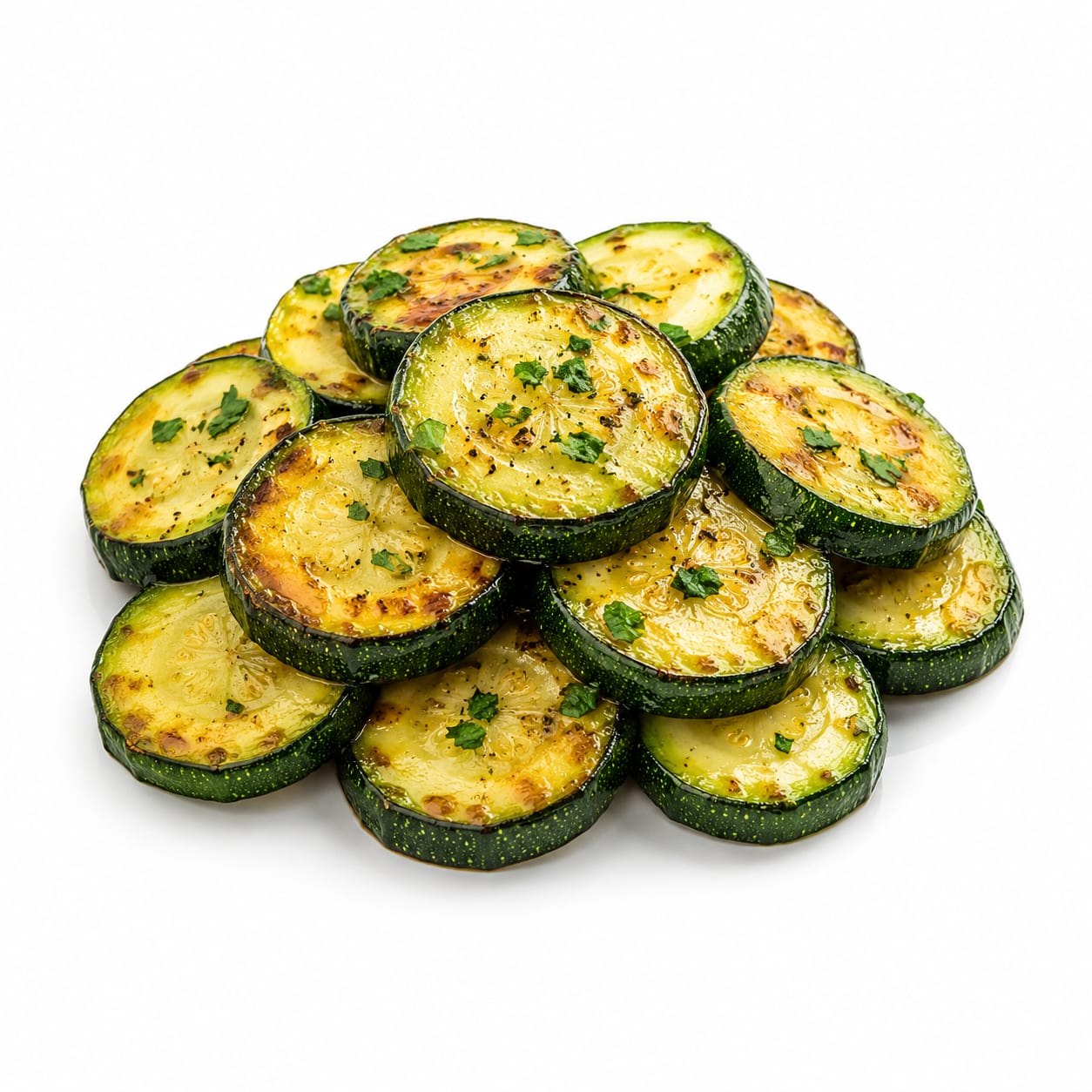
Compare with
Zucchini
Zucchini is lower in carbs and calories, making it better for keto, while carrots provide much more vitamin A and natural sweetness.
Zucchini is lower in carbs and better for strict low-carb diets, while carrots offer more vitamin A and a sweeter flavor for healthy snacking.
This food
Carrot
VS75% alike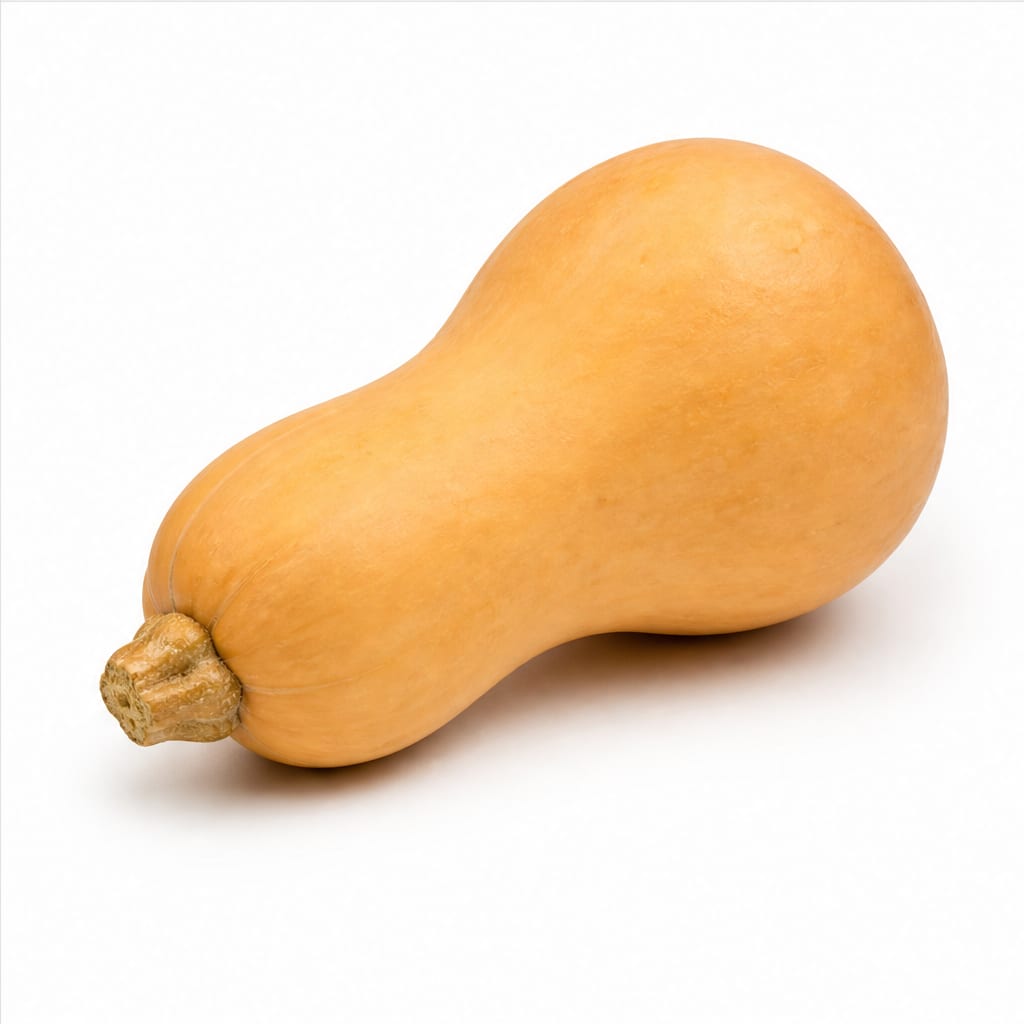
Compare with
Butternut Squash
Butternut squash is denser in calories and carbs, serving well as a meal base, while carrots are better for raw, low-calorie snacking.
Carrots are lower in calories and sugar, making them better for weight loss, while butternut squash provides denser energy and complex carbs for meals.
Common questions
FAQ
Answers aligned with how people search for this food.
Are carrots good for weight loss?
Yes, carrots are excellent for weight loss. They are very low in calories and high in water and fiber, which helps you feel full longer without consuming excess calories.
Do carrots spike blood sugar?
Raw carrots do not spike blood sugar. They have a very low glycemic index of 16 and a glycemic load of 2. However, boiled or juiced carrots can raise blood sugar faster than raw ones.
Is it better to eat carrots raw or cooked?
Cooking carrots breaks down their tough cellular walls, making beta-carotene more available for your body to absorb. However, raw carrots have a lower glycemic index and provide more crunch for satiety.
Why do carrots need fat for vitamin A absorption?
Beta-carotene is a fat-soluble compound. Without dietary fat present during digestion, your body cannot efficiently convert it into active vitamin A. Pairing carrots with a dip or oil solves this.
Are baby carrots as healthy as regular carrots?
Baby carrots are nutritionally similar to regular carrots, though the peeling process removes some surface fiber and nutrients. They are still a very healthy, convenient snack option.
Can diabetics eat carrots?
Yes, diabetics can safely eat carrots. Their low glycemic load means they have a minimal impact on blood sugar levels when eaten in normal portions.
What happens if you eat carrots every day?
Eating carrots daily provides consistent fiber, supports eye health, and boosts immunity. In extreme amounts, excess beta-carotene can cause carotenemia, a harmless condition where skin turns slightly orange.
How many calories are in a medium carrot?
A medium raw carrot contains about 25 calories, making it an incredibly low-calorie snack option.
Transparency
Data confidence
Estimated confidence for nutrition data, interpretation, safety notes, and comparisons.
Nutrition data
Health analysis
Food safety
Comparisons