
Nutrition comparison
Carrot vs Bell Pepper: Nutrition, Vitamins, and Health Benefits Compared
Compare Carrot vs Bell Pepper to see which is better for weight loss, diabetes, and daily nutrition. Discover the tradeoffs between Vitamin A and Vitamin C.
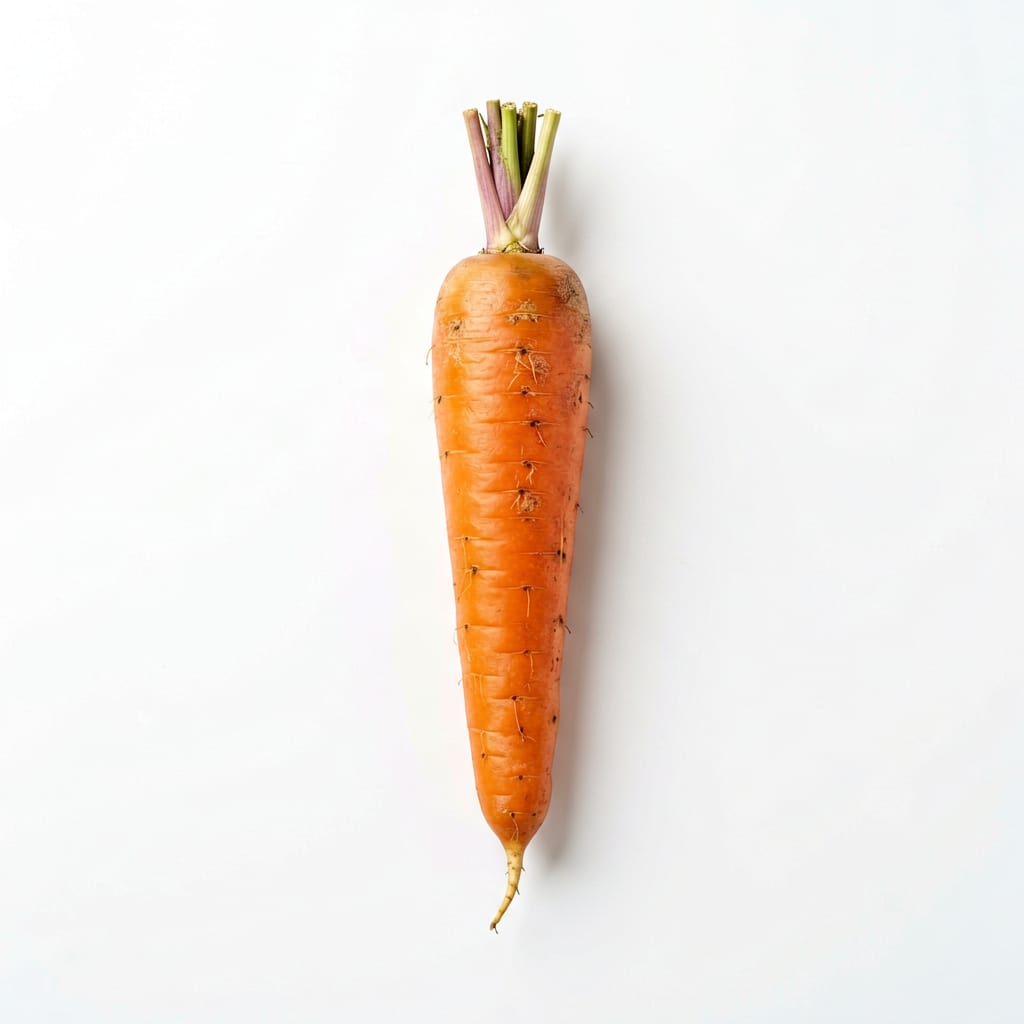
Carrot
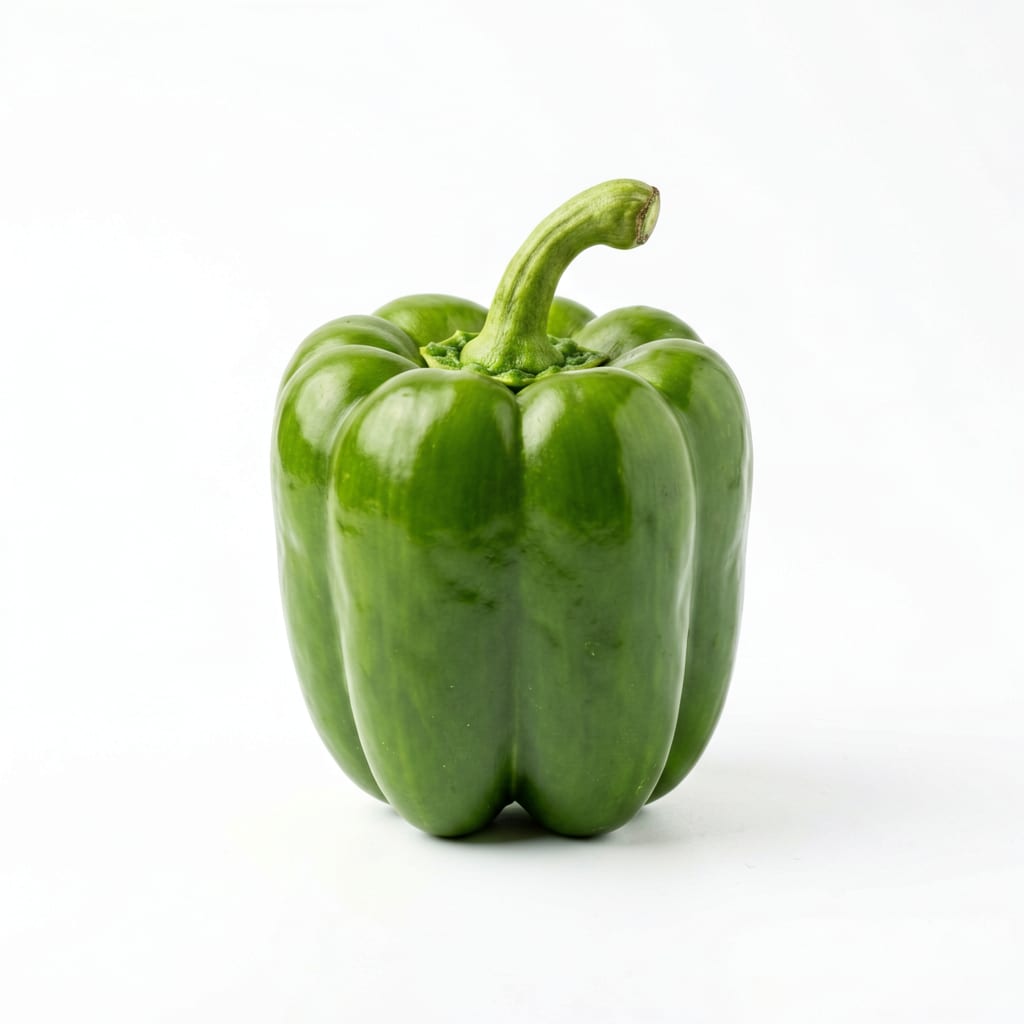
Bell Pepper
Carrots and bell peppers are both crunchy, hydrating, and nutrient-dense, but they serve entirely different vitamin purposes.
Bell peppers edge ahead slightly due to lower sugar and a massive Vitamin C payload, but carrots win on affordability, storage life, and Vitamin A. Both are top-tier whole foods.
You choose between a massive dose of vision-supporting Vitamin A from carrots or an immune-boosting hit of Vitamin C from bell peppers.
At a glance
Executive summary
Overall
It depends
Healthier
It depends
More practical
Carrot
Daily use
It depends
Key comparison lenses
Micronutrient profile differences (Vitamin A vs Vitamin C)
Carrots are famously rich in beta-carotene, while bell peppers are among the top dietary sources of Vitamin C.
Low-calorie snacking and weight management
Both are classic crunchy, low-calorie snack options, but their sugar and water content differ enough to matter.
Blood sugar impact and diabetes suitability
Carrots have a slightly higher natural sugar content, making bell peppers marginally better for strict low-carb or diabetic diets.
Pesticide exposure and food safety
Bell peppers frequently appear on the EWG Dirty Dozen list for pesticide residues, whereas carrots typically rank lower.
Best choice for
Carrot
- People wanting to support eye health and night vision
- Those looking for a sweeter, satisfying crunch on the go
- Budget-conscious shoppers needing a long-lasting vegetable
Bell Pepper
- People wanting to boost immunity and collagen production
- Those strictly monitoring carbohydrate or sugar intake
- Anyone seeking a crisp, hydrating addition to salads without the sweetness
Least suitable for
Carrot
- People on a strict very-low-carb diet who count every gram of sugar
- Those who dislike sweet flavors in savory dishes
Bell Pepper
- People with nightshade sensitivities or inflammation triggers
- Those on a very tight grocery budget who cannot buy organic
Deep comparison
Dimension by dimension
Each lens scores both foods and breaks down who each option suits.
- Dimension 1 · Priority 95It depends
Micronutrient Density
Carrot · 90Bell Pepper · 92Carrots deliver unmatched Vitamin A, while bell peppers provide an extraordinary amount of Vitamin C.
Tradeoff
You trade vision and skin support from beta-carotene for immune and collagen support from ascorbic acid.
Why it matters
Your body cannot produce these vitamins on its own, so choosing the right produce directly targets specific health goals.
Real-world impact
Eating carrots regularly helps with night vision and skin glow; eating bell peppers helps you fight off colds and heal wounds faster.
Carrot
- Eye health and preventing night blindness
- Skin cell turnover and UV protection
Better for
- Providing significant Vitamin C
Worse for
Bell Pepper
- Iron absorption when eaten with plant-based meals
- Fighting off seasonal colds and oxidative stress
Better for
- Providing significant Vitamin A
Worse for
- Dimension 2 · Priority 80Bell Pepper
Blood Sugar and Low-Carb Fit
Carrot · 75Bell Pepper · 88Bell peppers contain slightly less sugar and fewer carbs, making them a safer bet for strict glucose management.
Tradeoff
Carrots offer a sweeter bite but come with a slightly higher glycemic load, though both are still low overall.
Why it matters
For diabetics or keto dieters, even small differences in sugar content can dictate portion sizes and daily carb limits.
Real-world impact
You can eat a whole bell pepper without spiking blood sugar, while a large portion of carrots might cause a small, noticeable rise.
Carrot
- Providing quick, natural energy before a workout
Better for
- Strict carbohydrate counting
Worse for
Bell Pepper
- Maintaining steady blood sugar during afternoon snacking
- Fitting easily into a strict keto or low-carb plan
Better for
- Providing quick pre-workout fuel
Worse for
- Dimension 3 · Priority 70Carrot
Snackability and Satiety
Carrot · 88Bell Pepper · 80Carrots are often easier to snack on raw due to their dense, satisfying crunch and natural sweetness.
Tradeoff
Bell peppers can be slightly watery and hollow, making them less calorie-dense but sometimes less satisfying on their own.
Why it matters
A snack that feels substantial prevents overeating later, while one that feels too light might leave you reaching for more food.
Real-world impact
A bag of baby carrots feels like a substantial afternoon snack; a sliced bell pepper often feels more like a side or a dip vehicle.
Carrot
- A standalone crunchy snack that satisfies a sweet tooth
- Meal prepping into portable sticks that stay firm for days
Better for
- Feeling too sweet for savory snack cravings
Worse for
Bell Pepper
- Providing a refreshing, hydrating crunch in summer
- Acting as a sturdy, low-calorie vessel for hummus or guacamole
Better for
- Filling you up completely on their own
Worse for
- Dimension 4 · Priority 75Carrot
Pesticide Exposure and Safety
Carrot · 82Bell Pepper · 65Conventional bell peppers consistently rank high for pesticide residues, while carrots tend to be cleaner and can be peeled.
Tradeoff
You might need to buy organic bell peppers to avoid chemicals, which drives up the cost, whereas conventional carrots are relatively safe.
Why it matters
Chronic pesticide exposure can disrupt hormones and gut health, making the source of your produce a real factor in long-term wellness.
Real-world impact
Buying conventional bell peppers means you are likely ingesting more synthetic chemicals unless you thoroughly wash and choose organic.
Carrot
- Saving money by safely buying conventional
- Peeling to easily remove surface residues
Better for
- None regarding pesticide exposure
Worse for
Bell Pepper
- None regarding pesticide exposure
Better for
- Higher risk of consuming multiple pesticide residues if not organic
Worse for
Timeline
Health impact over time
Short-term
Hours to days
Carrot
- Provides a quick, natural energy lift from easily digestible carbs
- Satisfies sweet cravings without refined sugar
Bell Pepper
- Boosts hydration due to high water content
- Delivers immediate Vitamin C to support short-term immune function
Long-term
Months to years
Carrot
- Protects against age-related macular degeneration and vision decline
- Supports long-term skin health and resilience against sun damage
Bell Pepper
- Reduces systemic inflammation and oxidative stress over time
- Supports joint health and collagen integrity as you age
Risk profile
Safety & processing
Both carrots and bell peppers are whole, raw vegetables with no artificial ingredients when purchased fresh.
Carrot
Pesticide residue
lowCarrots are generally low on pesticide lists, and peeling removes most surface residues.
Bell Pepper
Pesticide residue
highBell peppers are consistently on the EWG Dirty Dozen list, often testing positive for multiple pesticide types.
Nightshade sensitivity
lowAs a nightshade, bell peppers can trigger joint pain or inflammation in sensitive individuals.
Who wins for whom
Audience fit
Same foods, different winners depending on your goal.
children
CarrotThe natural sweetness and fun crunch of carrots make them far more appealing to kids' palates.
daily consumption
It dependsRotating both provides a balanced spectrum of vitamins A and C without overloading on one nutrient.
diabetes
Bell PepperBell peppers have a lower sugar content and glycemic impact, making glucose management easier.
elderly
It dependsCarrots support aging eyes, while bell peppers support joint and immune health; both are highly beneficial.
muscle gain
It dependsNeither is a significant protein source, though bell peppers aid collagen formation for joint health, and carrots provide carbs for energy.
weight loss
Bell PepperBell peppers are slightly lower in calories and sugar, making them an ultra-light volume eating option.
Your move
Decision guide
Choose Carrot
- You want to support your eye health and vision
- You prefer a sweeter, satisfying crunch for raw snacking
- You are on a budget and want a vegetable that lasts weeks in the fridge
Choose Bell Pepper
- You want to boost your immune system and iron absorption
- You are strictly monitoring your carbohydrate or sugar intake
- You need a crisp, savory vessel for dips without the sweetness
Either works if
- You just need a hydrating, low-calorie crunch to pair with hummus
- You are trying to increase your overall daily vegetable intake
Avoid both if
- You have a severe allergy to either specific vegetable family
- You are looking for a substantial source of protein or dietary fat
Final recommendation
Eat both, but lean toward carrots for snacking and vision support, and bell peppers for salads, immunity, and blood sugar control. If buying conventional, prioritize organic bell peppers to avoid high pesticide exposure.
Practical
Consumer tips
- 1
Buy organic bell peppers whenever possible to avoid high pesticide loads; conventional carrots are generally fine.
- 2
Peel carrots if you are concerned about soil residues or bitterness, but keep the skin on for maximum fiber.
- 3
Pair bell peppers with iron-rich foods like spinach or lentils; the Vitamin C dramatically boosts iron absorption.
- 4
Store carrots in a sealed container with a paper towel to keep them crisp and prevent them from going rubbery.