
Nutrition comparison
Carrot vs Beet: Nutrition, Health Benefits & Which to Choose
Compare carrots vs beets for health, blood sugar, and athletic performance. Discover which root vegetable is better for your goals.
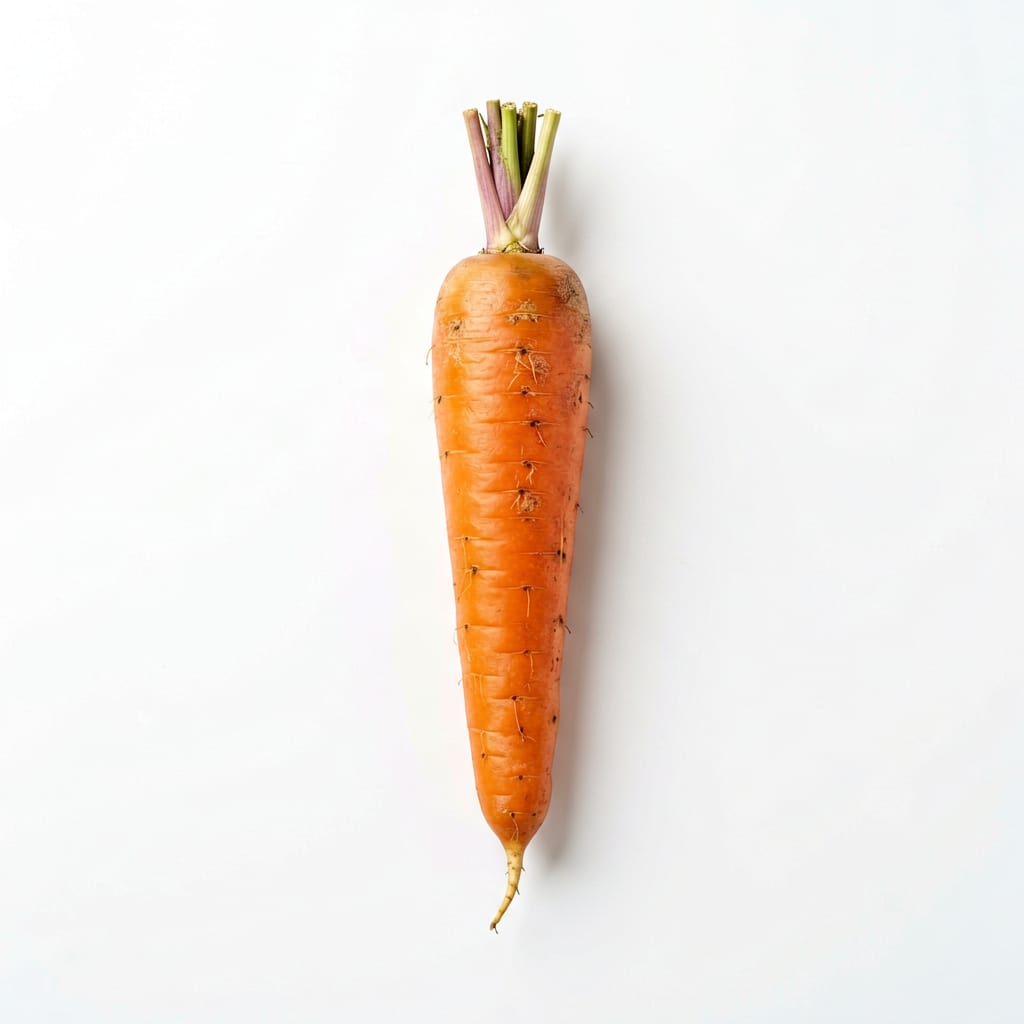
Carrot
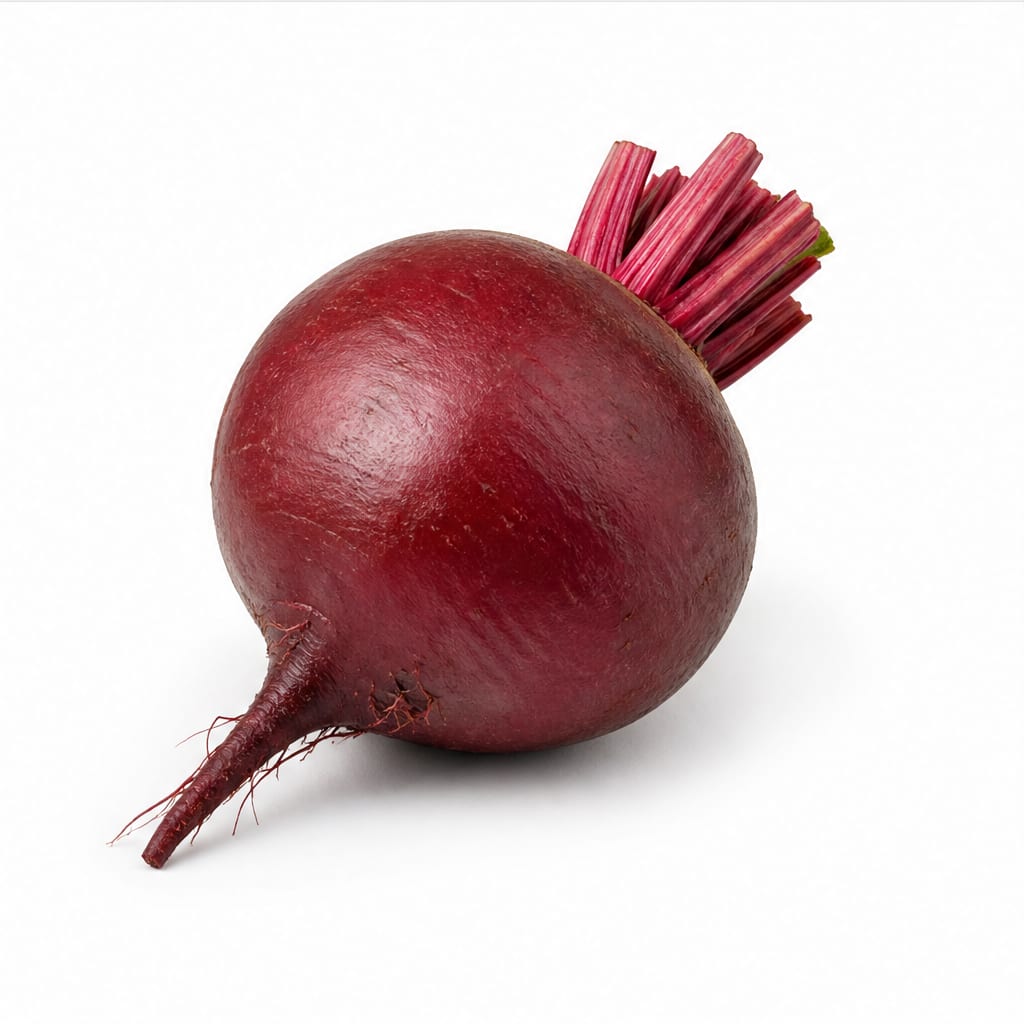
Beet
Carrots edge ahead for everyday snacking and vision support, while beets excel for athletic performance and blood pressure management.
Carrots score slightly higher due to lower sugar content and superior everyday convenience, but beets are nutritionally potent for specific goals like blood flow and stamina.
Carrots offer more vitamin A and lower sugar, whereas beets provide unique dietary nitrates for blood flow but come with more carbs and a messier prep.
At a glance
Executive summary
Overall
It depends
Healthier
It depends
More practical
Carrot
Daily use
Carrot
Key comparison lenses
Vision and immune support vs blood flow and stamina
Carrots are famous for beta-carotene and eye health, while beets are prized by athletes for dietary nitrates and oxygen efficiency.
Blood sugar impact and daily snacking
Carrots are lower in sugar and carbs, making them a more frequent daily snack, whereas beets have a higher natural sugar content.
Preparation convenience and mess factor
Carrots are grab-and-go raw vegetables; beets often require cooking, peeling, and stain everything they touch.
Best choice for
Carrot
- Eye health
- Low-calorie snacking
- Baby-led weaning
Beet
- Pre-workout energy
- Blood pressure management
- Pregnancy folate needs
Least suitable for
Carrot
- Nitric oxide boosting
- Treating anemia
Beet
- Low-carb diets
- Quick clean snacking
Deep comparison
Dimension by dimension
Each lens scores both foods and breaks down who each option suits.
- Dimension 1 · Priority 90It depends
Micronutrient Profile
Carrot · 85Beet · 88Beets provide more folate and unique nitrates, while carrots dominate in vitamin A.
Tradeoff
You trade massive vitamin A from carrots for blood-pressure-lowering nitrates and folate from beets.
Why it matters
Vitamin A protects vision and immunity; nitrates improve blood flow and exercise performance.
Real-world impact
Eating carrots helps your eyes adjust to night driving; beets might help you run a bit faster or feel less winded.
Carrot
- Vision support
- Immune function
- Skin health
Better for
- Blood flow optimization
- Folate intake
Worse for
Beet
- Blood pressure control
- Pregnancy nutrition
- Stamina enhancement
Better for
- Vitamin A needs
- Low-calorie snacking
Worse for
- Dimension 2 · Priority 85Carrot
Blood Sugar & Energy
Carrot · 88Beet · 75Carrots have fewer carbs and a lower glycemic impact, making them steadier for blood sugar.
Tradeoff
Beets contain more natural sugars, giving a quicker energy boost but a slightly higher blood sugar spike.
Why it matters
Stable blood sugar prevents afternoon energy crashes and cravings.
Real-world impact
Carrots are a safe afternoon crunch; beets are better reserved for when you need pre-workout carbs.
Carrot
- Steady energy
- Low-carb diets
- Diabetes management
Better for
- Rapid energy replenishment
Worse for
Beet
- Pre-workout fueling
- Quick carb replenishment
Better for
- Blood sugar stability
- Keto diets
Worse for
- Dimension 3 · Priority 80Beet
Athletic Performance
Carrot · 60Beet · 95Beets are a proven performance enhancer due to their high nitrate content.
Tradeoff
Carrots offer hydration and crunch, but lack the nitric oxide boost that enhances endurance.
Why it matters
Dietary nitrates convert to nitric oxide, widening blood vessels and improving oxygen delivery to muscles.
Real-world impact
Eating beets before a run can noticeably delay fatigue; carrots will not give you that same athletic edge.
Carrot
- Casual movement snacking
Better for
- Competitive endurance
Worse for
Beet
- Endurance sports
- High-intensity workouts
- Altitude training
Better for
- Sedentary snacking
Worse for
- Dimension 4 · Priority 75Carrot
Convenience & Versatility
Carrot · 92Beet · 70Carrots are cleaner to prep, easier to eat raw, and more portable.
Tradeoff
Beets can stain your hands, require peeling or cooking more often, and are less convenient on the go.
Why it matters
The easier a healthy food is to grab, the more likely you are to eat it consistently.
Real-world impact
Tossing baby carrots in a lunchbag is effortless; packing beets usually involves prep and potential mess.
Carrot
- Office snacking
- Lunchboxes
- Raw eating
Better for
- Earthy flavor depth
Worse for
Beet
- Roasted side dishes
- Blended smoothies
Better for
- Clean portable snacking
- Quick prep
Worse for
Timeline
Health impact over time
Short-term
Hours to days
Carrot
- Quick crunch satisfaction
- Mild blood sugar stability
- Hydration boost
Beet
- Noticeable energy lift
- Blood vessel relaxation
- Potential pink urine (harmless)
Long-term
Months to years
Carrot
- Stronger vision health
- Better immune resilience
- Consistent low-calorie fiber intake
Beet
- Lower resting blood pressure
- Improved endurance capacity
- Better folate status for cell repair
Risk profile
Safety & processing
Both carrots and beets are whole, natural root vegetables with virtually no additive concerns when bought fresh.
Carrot
Carotenemia
lowEating extreme amounts of carrots can turn skin orange, which is harmless and reversible.
Pesticide residue
mediumConventional carrots often retain pesticide residue in the soil; peeling or buying organic mitigates this.
Beet
Oxalate content
mediumBeets contain oxalates which can contribute to kidney stones in highly susceptible individuals.
Beeturia
lowPink or red urine after eating beets is common and harmless, though it can cause unnecessary alarm if unexpected.
Who wins for whom
Audience fit
Same foods, different winners depending on your goal.
children
CarrotCarrots are sweeter in a mild way, less messy, and have a highly appealing crunch for kids.
daily consumption
CarrotCarrots are easier to eat every day without issue, whereas daily beets might become tiresome or push sugar intake higher.
diabetes
CarrotCarrots have a lower carbohydrate and sugar load, resulting in a gentler impact on blood glucose.
elderly
BeetBeets offer critical blood pressure support and folate for cardiovascular and cognitive health in aging adults.
muscle gain
It dependsNeither is a significant protein source, but beets offer workout support via nitrates, while carrots offer low-calorie crunch.
weight loss
CarrotCarrots have fewer calories and less sugar, making them easier to eat in large volumes without overconsuming carbs.
Your move
Decision guide
Choose Carrot
- You want a low-calorie, crunchy snack
- Eye health is a priority
- You need something easy to pack and eat raw
Choose Beet
- You are training for an endurance event
- You want to naturally lower blood pressure
- You enjoy earthy flavors in roasted dishes
Either works if
- You just want more colorful veggies in your diet
- You need more daily fiber
Avoid both if
- You are looking for a high-protein food source
Final recommendation
Keep carrots as your daily go-to crunch, and add beets strategically before workouts or dinners for their unique blood flow benefits.
Practical
Consumer tips
- 1
Buy organic carrots if you eat them daily, as conventional ones can carry soil-based pesticide residue.
- 2
Do not panic if your urine turns pink after eating beets; it is harmless beeturia.
- 3
Pair beets with a vitamin C source like lemon juice to boost iron absorption.
- 4
Cook carrots with a little healthy fat like olive oil to absorb their beta-carotene much more effectively.