
Nutrition comparison
Carrot vs Butternut Squash: Nutrition, Convenience, and Health Tradeoffs
Compare carrot and butternut squash side by side. Discover which is better for vitamin A, weight loss, snacking convenience, and meal satisfaction with practical tradeoff analysis.
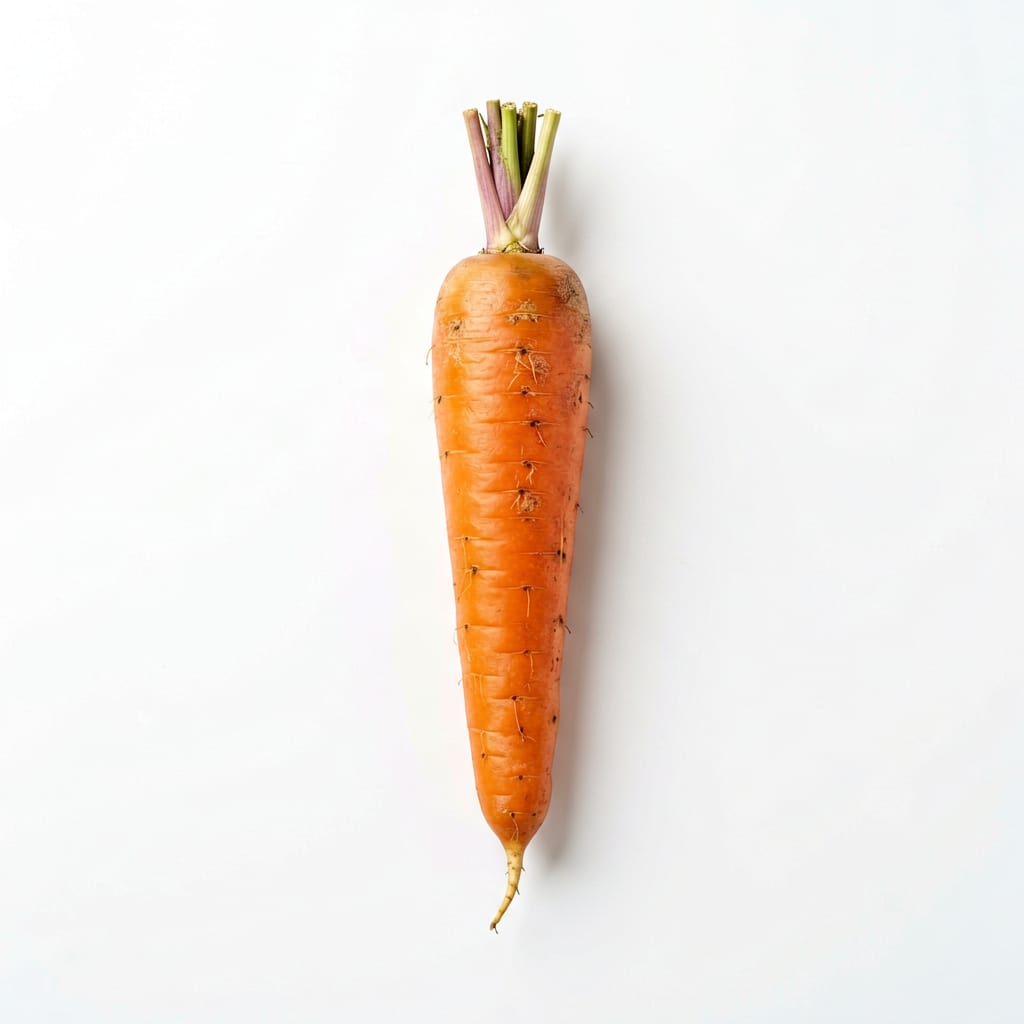
Carrot
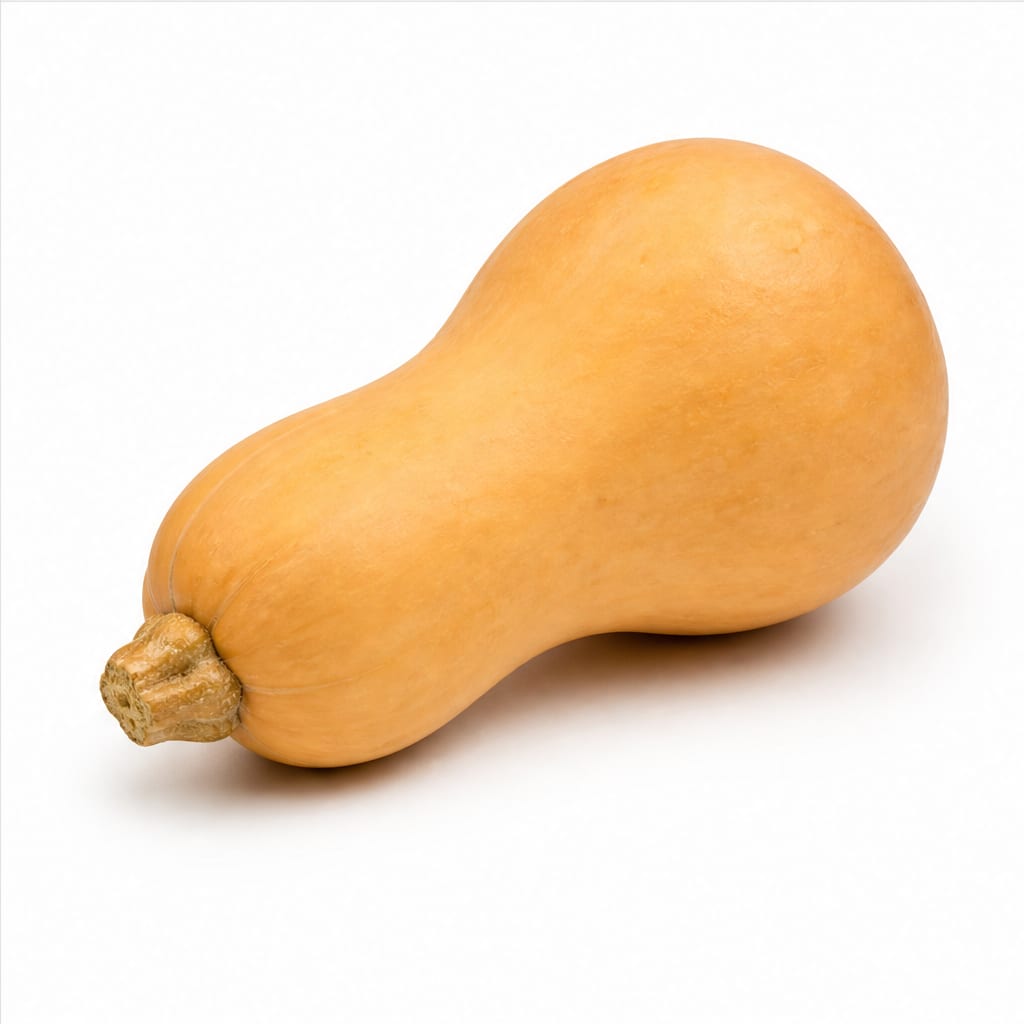
Butternut Squash
Carrots win for raw snack convenience and vitamin A; butternut squash wins for meal satisfaction and vitamin C.
Carrots score slightly higher due to unmatched convenience and vitamin A density, but butternut squash is nutritionally competitive and more satisfying as a meal component.
Instant raw snack with unmatched beta-carotene versus a more filling, comforting cooked food with broader nutrient coverage.
At a glance
Executive summary
Overall
It depends
Healthier
It depends
More practical
Carrot
Daily use
Carrot
Key comparison lenses
vitamin A dominance
Carrots are one of the richest beta-carotene sources available, far exceeding butternut squash
convenience and snackability
Carrots can be eaten raw on the go; butternut squash requires peeling and cooking
meal versatility and satiety
Butternut squash is more filling and works as a meal base, while carrots are primarily a side or snack
vitamin C and immune support
Butternut squash delivers significantly more vitamin C, relevant during cold season
weight management and calorie density
Both are low-calorie, but carrots are slightly lower and easier to portion-control raw
Best choice for
Carrot
- quick raw snacking
- maximizing vitamin A intake
- low-calorie crunch cravings
- on-the-go produce
- kids' lunchboxes
Butternut Squash
- hearty comforting meals
- vitamin C and immune support
- post-workout carb replenishment
- fall and winter cooking
- baby food and purees
Least suitable for
Carrot
- substantial meal bases
- people bored of raw veggie snacking
- recipes needing a starchy backbone
Butternut Squash
- quick no-cook snacking
- travel or commuting food
- people who dislike peeling and prep work
Deep comparison
Dimension by dimension
Each lens scores both foods and breaks down who each option suits.
- Dimension 1 · Priority 92Carrot
vitamin A and beta-carotene
Carrot · 97Butternut Squash · 68Carrots deliver roughly double the beta-carotene of butternut squash per serving, making them the clear winner for vitamin A.
Tradeoff
Butternut squash still provides solid beta-carotene, just not at the elite level carrots offer.
Why it matters
Vitamin A supports vision, skin health, and immune function. If this is your priority, carrots are hard to beat.
Real-world impact
A single large carrot covers over 200% of your daily vitamin A needs. You would need significantly more butternut squash to match that.
Carrot
- eye health optimization
- skin clarity support
- immune resilience during winter
Better for
Butternut Squash
- relying on it as your sole vitamin A source
Worse for
- Dimension 2 · Priority 75Butternut Squash
vitamin C and immune support
Carrot · 42Butternut Squash · 81Butternut squash provides substantially more vitamin C, which carrots lack in meaningful amounts.
Tradeoff
If you eat other vitamin C-rich foods, this gap matters less. But as a standalone vegetable choice, butternut squash covers more bases.
Why it matters
Vitamin C is essential for immune function, collagen production, and iron absorption. Carrots are surprisingly weak here.
Real-world impact
A cup of cooked butternut squash provides roughly 30% of daily vitamin C. Carrots offer under 10%.
Carrot
- relying on carrots alone for broad immune support
Worse for
Butternut Squash
- cold and flu season support
- wound healing and recovery
- vegetarians needing better iron absorption
Better for
- Dimension 3 · Priority 85Carrot
convenience and snackability
Carrot · 94Butternut Squash · 32Carrots are one of the most convenient vegetables available. Butternut squash requires peeling, seeding, and cooking.
Tradeoff
Butternut squash rewards the effort with a more satisfying, meal-worthy result. Carrots stay in snack territory.
Why it matters
In real life, convenience often determines what you actually eat. The vegetable you grab is always better than the one you skip.
Real-world impact
Baby carrots can be eaten straight from the bag at your desk. Butternut squash takes 30-45 minutes of prep and roasting.
Carrot
- office snacking
- road trip produce
- quick lunch additions
- kids who need easy finger food
Better for
Butternut Squash
- weekend meal prep sessions
- batch cooking for the week
Better for
- spontaneous snacking
- low-effort weeknight sides
Worse for
- Dimension 4 · Priority 80Butternut Squash
satiety and meal satisfaction
Carrot · 45Butternut Squash · 82Butternut squash is starchier and more filling, making it a legitimate meal component rather than just a side.
Tradeoff
Carrots are lighter and less likely to make you feel sluggish, but they rarely satisfy hunger on their own.
Why it matters
Foods that actually fill you up reduce the urge to snack later. Butternut squash earns its place as a dinner staple.
Real-world impact
A bowl of roasted butternut squash can stand in for rice or pasta. Carrots complement a meal but cannot carry one.
Carrot
- light grazing without feeling heavy
Better for
- using as a main energy source after exercise
Worse for
Butternut Squash
- replacing refined carbs at dinner
- post-workout replenishment
- comforting meals on cold days
- appetite control between meals
Better for
- Dimension 5 · Priority 65Butternut Squash
potassium and electrolyte balance
Carrot · 55Butternut Squash · 78Butternut squash contains meaningfully more potassium, which supports blood pressure regulation and muscle function.
Tradeoff
Neither is a potassium powerhouse compared to potatoes or bananas, but butternut squash contributes more per serving.
Why it matters
Most people under-consume potassium. Every bit helps, especially from whole food sources rather than supplements.
Real-world impact
A cup of cooked butternut squash provides about 15% of daily potassium needs versus roughly 10% from the same amount of carrots.
Carrot
Butternut Squash
- active individuals needing electrolyte support
- blood pressure management
Better for
- Dimension 6 · Priority 70Carrot
blood sugar impact
Carrot · 78Butternut Squash · 62Carrots have a lower glycemic load and fewer carbs per serving, making them gentler on blood sugar.
Tradeoff
Butternut squash is still a low-to-medium glycemic food. The difference matters most for people closely managing glucose.
Why it matters
Steadier blood sugar means fewer energy crashes and better hunger control throughout the day.
Real-world impact
Raw carrots as a snack will not spike blood sugar. A large portion of roasted butternut squash might cause a modest rise, especially if eaten alone.
Carrot
- diabetics monitoring glycemic load closely
- late-night snacking without blood sugar disruption
Better for
Butternut Squash
- athletes who want controlled carb energy before training
Better for
- eating large portions alone before a fasting blood test
Worse for
Timeline
Health impact over time
Short-term
Hours to days
Carrot
- Quick crunch satisfaction without heaviness or energy dip
- Beta-carotene absorption improves significantly when paired with a fat source like hummus or olive oil
- Very low risk of digestive discomfort even in large quantities
Butternut Squash
- Warm, comforting fullness that reduces urge to snack afterward
- Starchier carb content provides noticeable energy over 1-2 hours
- Can cause mild bloating if eaten in very large portions due to fiber load
Long-term
Months to years
Carrot
- Consistent high vitamin A intake supports eye health and may reduce age-related vision decline
- Low calorie density makes it easier to maintain healthy weight when used as a default snack
- Carotenemia is possible with extreme overconsumption, causing harmless orange skin tint
Butternut Squash
- Broader micronutrient profile supports immune resilience and cardiovascular health over time
- Potassium contribution helps counteract high-sodium diets common in processed food intake
- Regular consumption as a carb substitute may reduce reliance on refined grains
Risk profile
Safety & processing
Both are whole, unprocessed vegetables. Baby carrots undergo minor surface polishing but remain essentially natural. Butternut squash is typically sold whole and unprocessed. Neither raises additive concerns.
Carrot
pesticide residue
mediumConventional carrots frequently appear on the Dirty Dozen list. Peeling reduces residue but also removes beneficial nutrients near the skin.
Butternut Squash
pesticide residue
lowButternut squash has a thick protective rind that shields edible flesh from pesticide exposure. Peeling effectively removes nearly all surface residue.
Who wins for whom
Audience fit
Same foods, different winners depending on your goal.
children
CarrotKids accept raw carrots more readily, and the sweetness appeals to young palates without requiring cooking. Butternut squash works well as a puree for babies but loses favor with older kids.
daily consumption
CarrotRaw convenience makes daily carrot intake realistic. Butternut squash is healthy but most people will not cook it daily.
diabetes
CarrotLower glycemic load and fewer carbs make carrots safer for tight glucose management. Butternut squash is acceptable in moderation but requires more careful portioning.
elderly
Butternut SquashSofter texture when cooked is easier to chew and digest. Higher potassium and vitamin C also address common deficiencies in older adults.
muscle gain
Butternut SquashMore carbs and potassium support glycogen replenishment and electrolyte balance after training. Carrots simply do not provide enough energy for recovery needs.
weight loss
CarrotLower calorie density and raw snackability make carrots easier to portion-control. Butternut squash is still weight-loss friendly but slightly more calorie-dense per serving.
Your move
Decision guide
Choose Carrot
- You want a grab-and-go vegetable that requires zero prep
- Vitamin A and eye health are top priorities for you
- You need a low-calorie crunch to replace chips or crackers
- You are managing blood sugar closely
- You pack lunches or snacks for work or school
Choose Butternut Squash
- You want a comforting, filling vegetable that replaces rice or pasta
- You are cooking a fall or winter meal and want seasonal warmth
- Vitamin C and immune support matter more to you right now
- You are meal-prepping for the week and do not mind cooking
- You need post-workout carbs with micronutrient benefits
Either works if
- You simply want more colorful vegetables in your diet
- You are rotating produce for gut microbiome diversity
- Both fit easily into a balanced weekly meal plan
Avoid both if
- You have a rare allergy to Apiaceae family vegetables (carrots) or Cucurbitaceae family (squash)
Final recommendation
Keep both in rotation. Carrots are your daily driver for raw snacking and vitamin A. Butternut squash is your weekend comfort vegetable that fills you up and broadens your nutrient intake. Choosing one permanently means missing what the other uniquely offers.
Practical
Consumer tips
- 1
Pair carrots with hummus, guacamole, or olive oil to absorb up to six times more beta-carotene
- 2
Buy organic carrots when possible since they rank high for pesticide residue on conventional farms
- 3
Butternut squash peels easily after roasting, so you can skip the difficult raw peeling step
- 4
Cubed butternut squash freezes well for up to six months, making batch prep worthwhile
- 5
Baby carrots are convenient but dry out faster. Store them in water in the fridge to maintain crunch
- 6
Sprinkle cinnamon on roasted butternut squash for a naturally sweet side that feels like comfort food without added sugar