
Nutrition comparison
Carrot vs Celery: Which Is Actually Better for You?
Carrots deliver far more nutrition and satisfaction per bite, while celery wins on ultra-low calories and hydration. Compare their health benefits, weight loss value, and best uses.
Overall winner · Carrot
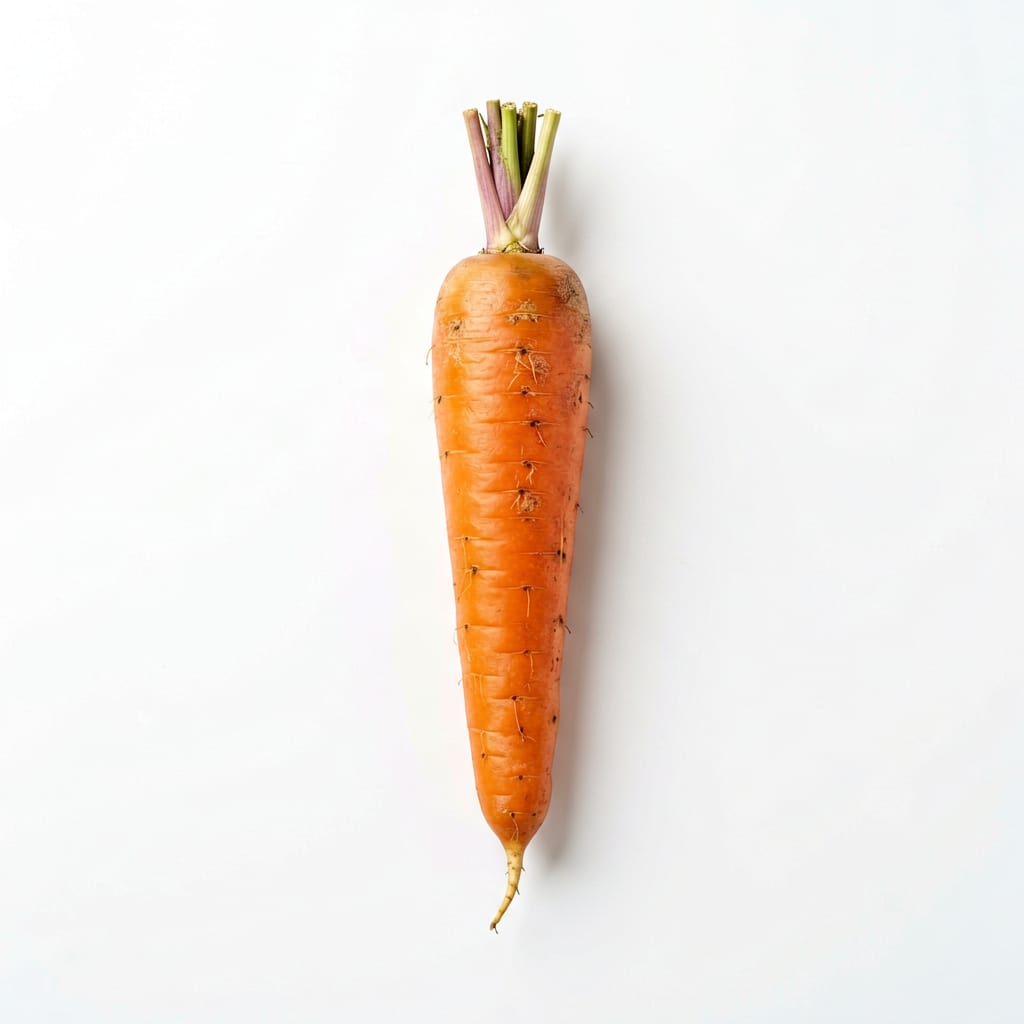
Carrot
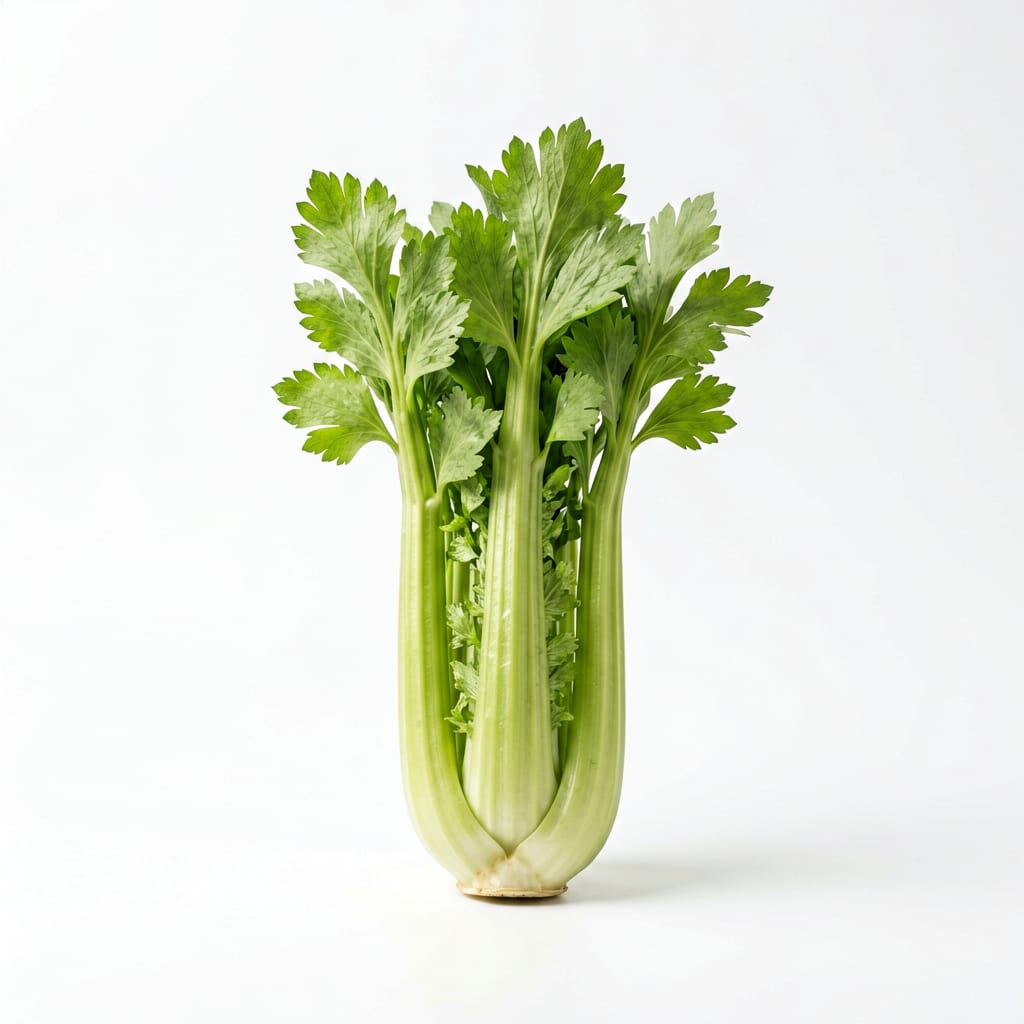
Celery
Carrots win on nutrition and satisfaction. Celery wins on ultra-low calories and hydration. For most people, carrots offer more real food value per bite.
Carrots score notably higher because they deliver substantially more nutrition per calorie, especially vitamin A, and provide better satiety. Celery remains valuable for ultra-low-calorie snacking and hydration but offers less real nourishment.
Carrots give you substantially more vitamins and staying power, but celery lets you eat almost unlimited volume with negligible calories.
At a glance
Executive summary
Overall
Carrot
Healthier
Carrot
More practical
It depends
Daily use
Carrot
Key comparison lenses
Low-calorie snacking and weight management
Both are classic diet snacks but differ significantly in calorie density and satiety
Nutrient density and vitamin intake
Carrots deliver far more vitamins per calorie, especially vitamin A, while celery offers minimal nutrition beyond hydration
Blood sugar and diabetes-friendly eating
Celery has almost no sugar; carrots have more natural sugar, though still low overall
Hydration and light eating
Celery is roughly 95% water and feels lighter, making it a go-to for refreshing snacking
Practical snacking and convenience
Both are portable raw vegetables but differ in prep, shelf life, and dip-holding ability
Best choice for
Carrot
- People wanting more nutrients from their snacks
- Anyone seeking better eye health and immune support
- Those who find celery too bland or unsatisfying
- Active people needing more sustained energy between meals
- Kids who prefer a slightly sweet crunch
Celery
- Strict calorie counters wanting maximum volume
- People managing blood sugar who want near-zero carbs
- Anyone needing extra hydration in hot weather
- Those recovering from digestive issues who need very gentle fiber
- Stress eaters who want mindless crunch without consequences
Least suitable for
Carrot
- People on strict very-low-carb diets tracking every gram
- Those with carrot allergy or birch pollen allergy (oral allergy syndrome)
- Anyone needing extremely low sugar intake for medical reasons
Celery
- People seeking nutrient-dense foods per calorie
- Anyone trying to gain weight or recover from illness
- Those who find unsatisfying snacks trigger more overeating
- People watching sodium who eat large volumes of celery
Deep comparison
Dimension by dimension
Each lens scores both foods and breaks down who each option suits.
- Dimension 1 · Priority 95Carrot
Nutrient Density
Carrot · 88Celery · 35Carrots are dramatically more nutrient-dense, especially for vitamin A, potassium, and biotin. Celery provides minimal vitamins per serving.
Tradeoff
You get far more nutritional value from carrots, but celery's low nutrition also means near-zero calories if that is your priority.
Why it matters
If your snack needs to actually nourish you, carrots deliver. A single medium carrot provides over 200% of daily vitamin A needs.
Real-world impact
Eating carrots as your go-to snack means you are building up vitamin A reserves for eye health, skin, and immune function. Celery mostly just fills your stomach with water.
Carrot
- Meeting daily vitamin needs through food
- Supporting eye health long-term
- Getting more from each calorie you eat
Better for
- Very low-carb diets where even modest sugar matters
Worse for
Celery
- Situations where calories matter more than nutrients
- Eating after already meeting vitamin needs from other meals
Better for
- Reliance on celery as a significant nutrient source
- Recovery from illness when nourishment matters most
Worse for
- Dimension 2 · Priority 90Celery
Calorie Density and Weight Management
Carrot · 72Celery · 95Celery is one of the lowest-calorie foods in existence at roughly 14 calories per cup. Carrots have about 52 calories per cup, still very low but meaningfully higher.
Tradeoff
Celery lets you eat enormous volume with almost no caloric impact. Carrots cost more calories but reward you with actual nutrition and satisfaction.
Why it matters
For strict calorie restriction, celery is hard to beat. But carrots may prevent overeating later because they are more satisfying.
Real-world impact
You can eat an entire bunch of celery for under 100 calories. The same calories from carrots give you less volume but you will likely feel fuller longer.
Carrot
- Preventing rebound hunger after snacking
- Getting more satiety per snack session
Better for
- Very strict calorie-counting diets
Worse for
Celery
- Maximum volume eating on a calorie budget
- Late-night grazing with minimal consequence
- Replacing higher-calorie crunchy snacks
Better for
- Situations where unsatisfying snacks trigger more eating
- Active people who need energy from their food
Worse for
- Dimension 3 · Priority 80Celery
Blood Sugar Impact
Carrot · 65Celery · 92Celery has almost no sugar and negligible glycemic impact. Carrots contain more natural sugar, though their glycemic load remains low.
Tradeoff
Celery is essentially free of blood sugar concerns. Carrots are still diabetes-friendly for most people but require more awareness in very strict contexts.
Why it matters
For most people, carrots will not spike blood sugar meaningfully. But for very insulin-sensitive management, celery is the safer bet.
Real-world impact
A diabetic person can eat celery freely without thinking. Carrots are fine for most in normal portions but some very low-carb approaches limit them.
Carrot
- Providing some natural energy between meals
Better for
- Very low-carb or keto diet tracking
- People who experience sugar cravings from even mild sweetness
Worse for
Celery
- Strict blood sugar management
- Keto and very-low-carb diets
- Frequent glucose monitoring situations
Better for
- Situations where some carbohydrate energy would be beneficial
Worse for
- Dimension 4 · Priority 70Celery
Hydration and Refreshment
Carrot · 60Celery · 90Celery is roughly 95% water and feels genuinely refreshing. Carrots are about 88% water and feel more like eating food than drinking water.
Tradeoff
Celery doubles as hydration support. Carrots hydrate less but nourish more.
Why it matters
In hot weather or after exercise, celery provides both crunch and hydration. Carrots satisfy hunger better but contribute less to fluid intake.
Real-world impact
On a summer afternoon, celery feels like a refreshing break. Carrots feel more like a small meal or substantial snack.
Carrot
- Post-workout when you need some energy too
Better for
- Situations where light refreshment is the goal
Worse for
Celery
- Hot weather snacking
- After exercise when rehydration matters
- Replacing water-heavy fruits out of season
Better for
- When actual nourishment is needed alongside hydration
Worse for
- Dimension 5 · Priority 85Carrot
Satiety and Satisfaction
Carrot · 82Celery · 48Carrots are more filling due to higher fiber density and natural sugar content. Celery's high water content passes through quickly, leaving hunger returning fast.
Tradeoff
Carrots keep you fuller for longer. Celery disappears from your stomach quickly, which can be good or bad depending on your goals.
Why it matters
If a snack is meant to bridge you to the next meal, carrots do this better. Celery may leave you hunting for more food within 30 minutes.
Real-world impact
A handful of baby carrots at 3pm can hold you until dinner. Celery at 3pm often leads to another snack by 3:30.
Carrot
- Bridging long gaps between meals
- Preventing overeating at the next meal
- Feeling like you actually ate something
Better for
- When you want a light pre-meal snack that won't fill you
Worse for
Celery
- Mindless snacking where you want no consequences
- Situations where you want to eat but are not truly hungry
Better for
- Emotional eating patterns where unsatisfying food leads to more eating
- Active people who need snacks to actually sustain them
Worse for
- Dimension 6 · Priority 68It depends
Practical Snacking and Versatility
Carrot · 75Celery · 72Carrots are sturdier, last longer in the fridge, and hold up to dips. Celery is more delicate but has a unique crunch and works better as a vessel for toppings.
Tradeoff
Carrots win on durability and dip-holding. Celery wins as a boat for peanut butter or hummus and offers a crisper, juicier bite.
Why it matters
Both are convenient raw snacks. Carrots are more forgiving with meal prep. Celery requires more careful storage and goes limp faster.
Real-world impact
Baby carrots can sit in your fridge all week and stay fine. Celery starts going rubbery after a few days unless stored carefully.
Carrot
- Meal prep and weekly snack planning
- Sturdy dipping without breaking
- Kids' lunchboxes where durability matters
Better for
- Recipes requiring a mild, watery crunch
Worse for
Celery
- Ants on a log and creative snack builds
- Juicing and smoothie additions
- When you want maximum crunch and juiciness
Better for
- Make-ahead snacking over several days
- Hot weather transport when wilting is likely
Worse for
Timeline
Health impact over time
Short-term
Hours to days
Carrot
- Provides noticeable satiety within 15-20 minutes
- Natural sugars give a mild energy lift without a crash
- Beta-carotene can temporarily tint skin orange with very high intake, which is harmless
Celery
- Almost immediate feeling of fullness from water volume that fades quickly
- Very gentle on digestion with minimal gas or bloating risk
- Can feel unsatisfying, potentially triggering additional snacking
Long-term
Months to years
Carrot
- Consistent vitamin A intake supports eye health, skin integrity, and immune resilience
- Fiber contributes to regular digestion and gut health over time
- Antioxidant compounds may reduce oxidative stress and inflammation
Celery
- Excellent for maintaining low calorie intake long-term if used to replace higher-calorie snacks
- Natural sodium content supports electrolyte balance, though large amounts could add up for sodium-sensitive people
- Hydration habit support when eaten regularly
Risk profile
Safety & processing
Both carrots and celery are whole, raw vegetables with minimal processing concerns. Baby carrots are technically slightly more processed due to shaping and polishing but remain a clean whole food. Neither carries meaningful additive risks in their raw form.
Carrot
Pesticide residue
mediumCarrots consistently appear on pesticide concern lists. Peeling reduces exposure significantly. Organic options are worthwhile if budget allows.
Choking hazard for young children
lowWhole baby carrots or carrot sticks can be a choking risk for toddlers. Grating or cooking eliminates this concern.
Celery
Pesticide residue
highCelery frequently ranks among the most pesticide-contaminated vegetables in EWG testing. Washing helps but does not fully remove residues. Organic is strongly recommended for regular consumption.
Natural sodium content
lowCelery contains roughly 80mg sodium per cup. Not concerning for most people, but very high-volume celery consumption could matter for sodium-sensitive individuals.
Foodborne illness
lowCelery has been linked to occasional listeria and E. coli outbreaks due to its growing conditions and difficulty cleaning between stalks. Thorough washing is important.
Who wins for whom
Audience fit
Same foods, different winners depending on your goal.
children
CarrotKids generally prefer the mild sweetness of carrots over celery's bitterness. Carrots also deliver more growth-supporting vitamin A.
daily consumption
CarrotDaily carrot consumption provides consistent vitamin A, fiber, and antioxidants. Daily celery is fine but contributes less meaningful nutrition over time.
diabetes
CeleryCelery has essentially zero sugar and no glycemic impact. Carrots are still acceptable for most diabetics but contain more carbohydrate.
elderly
CarrotOlder adults benefit more from carrots' vitamin A for immune support and vision. Celery's very low nutrition makes it less useful for people with diminished appetites who need nutrient density.
muscle gain
CarrotNeither is a muscle-building food, but carrots provide slightly more carbohydrate energy for training and more potassium for muscle function.
weight loss
It dependsCelery is better for strict calorie restriction and volume eating. Carrots are better for sustainable weight loss because they prevent hunger-driven overeating. Choose based on your eating psychology.
Your move
Decision guide
Choose Carrot
- You want your snack to actually nourish you, not just occupy your mouth
- You tend to get hungry again quickly after light snacks
- Eye health, skin health, or immune support matters to you
- You are packing snacks for kids who prefer sweetness
- You want a snack that bridges you 2-3 hours to the next meal
Choose Celery
- You are counting calories strictly and want maximum eating volume
- You need near-zero carbohydrate intake for blood sugar management
- You want a refreshing, hydrating crunch in hot weather
- You use snacks as a vehicle for healthy dips and spreads
- You are a stress eater who needs something to munch on without consequences
Either works if
- You just want a clean, whole-food crunch instead of chips or crackers
- You are building a vegetable tray and want variety
- You need something to pair with hummus or guacamole
Avoid both if
- You have oral allergy syndrome triggered by raw vegetables in the birch pollen family
- You need calorie-dense foods for weight gain or recovery
- You are looking for protein or fat in your snack, which neither provides meaningfully
Final recommendation
Keep both in your fridge but lean toward carrots as your default. They deliver more real nutrition and satisfaction per bite. Reach for celery when you specifically want ultra-low calories, maximum crunch, or a hydrating refresh. If budget forces a choice, carrots give you more health value for your money.
Practical
Consumer tips
- 1
Buy organic celery when possible since it consistently ranks high for pesticide residue. Carrots are less critical but organic still reduces exposure.
- 2
Peel carrots to significantly cut pesticide residue if buying conventional. This works less well for celery since you cannot effectively peel it.
- 3
Store celery wrapped in aluminum foil in the crisper drawer. It stays crisp far longer than in plastic bags.
- 4
Baby carrots are convenient but go through more processing and dry out faster. Whole carrots with the tops removed stay fresher longer.
- 5
If celery goes limp, trim the ends and stand it in cold water for 30 minutes to revive crispness.
- 6
Pair carrots with a fat source like hummus or olive oil. Beta-carotene is fat-soluble, so you absorb significantly more vitamin A with some fat present.
- 7
Do not rely on celery as a significant nutrient source. Think of it as hydration and crunch, not nourishment.
- 8
Both vegetables lose nutrients the longer they sit after cutting. Prep only what you will eat within 2-3 days.