
Nutrition comparison
Carrot vs Broccoli: Which Vegetable Is Healthier for You?
Compare carrot vs broccoli on nutrition, cancer-fighting compounds, blood sugar impact, and convenience. Find out which vegetable fits your health goals better.
Overall winner · Broccoli

Carrot
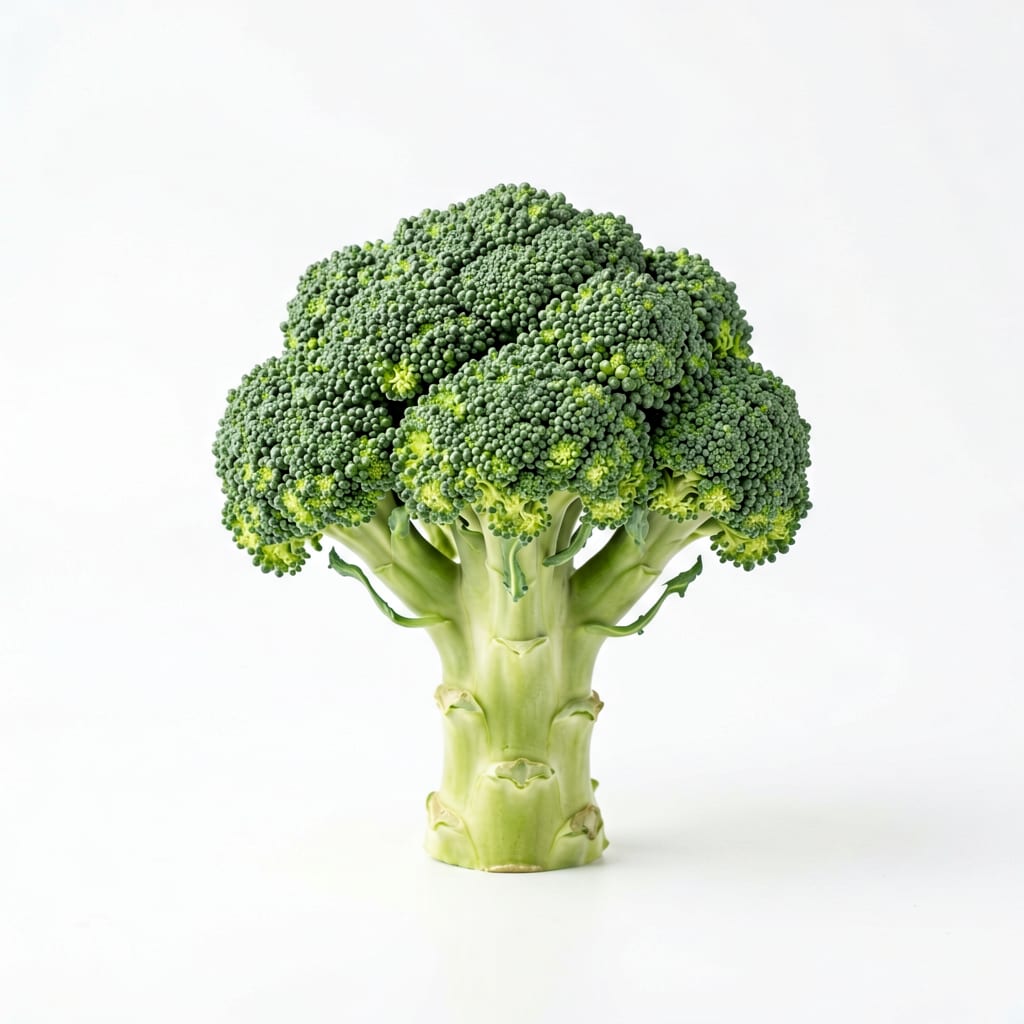
Broccoli
Broccoli edges ahead with higher protein, more fiber, stronger cancer-fighting compounds, and better blood sugar control. Carrots win on convenience, vitamin A, and digestibility.
Broccoli scores higher due to superior fiber, protein, vitamin C, vitamin K, and sulforaphane content. Carrots remain strong with unmatched beta-carotene and everyday convenience, but their higher sugar and lower overall nutrient breadth create a meaningful gap.
Carrots give you unmatched vitamin A and grab-and-go ease, but broccoli delivers broader nutrition and deeper satiety at the cost of more prep and potential bloating.
At a glance
Executive summary
Overall
Broccoli
Healthier
Broccoli
More practical
Carrot
Daily use
Broccoli
Key comparison lenses
nutrient density comparison
Both are nutrient-dense vegetables but excel in completely different vitamin and mineral profiles
antioxidant and cancer prevention
Carrots offer beta-carotene while broccoli provides sulforaphane — two of the most studied plant compounds for disease prevention
blood sugar and weight management
Carrots are sweeter and higher in natural sugars, while broccoli is nearly zero-sugar and more filling per calorie
everyday convenience and versatility
Carrots are easier to snack on raw, broccoli requires more prep but offers more cooking versatility
digestive tolerance
Broccoli causes bloating for some people due to raffinose, while carrots are gentler on digestion
Best choice for
Carrot
- Quick raw snacking without prep
- Vitamin A and eye health support
- Gentle digestion after stomach upset
- Kids who resist green vegetables
- Portable lunchbox additions
Broccoli
- Maximizing nutrient density per calorie
- Blood sugar management and diabetes prevention
- Cancer-fighting sulforaphane intake
- High-fiber satiety for weight management
- Post-workout vegetable nutrition with more protein
Least suitable for
Carrot
- Low-sugar or ketogenic diets requiring minimal carb intake
- Those seeking high-fiber fullness from vegetables
- People focused on vitamin K and folate intake
Broccoli
- People with IBS or sensitive digestion prone to bloating
- Raw snacking on the go without cooking access
- Children who strongly resist bitter flavors
Deep comparison
Dimension by dimension
Each lens scores both foods and breaks down who each option suits.
- Dimension 1 · Priority 95Broccoli
Nutrient Density
Carrot · 70Broccoli · 91Broccoli packs more vitamins and minerals per calorie across the board, especially vitamin C, vitamin K, and folate.
Tradeoff
Carrots dominate vitamin A content with over 300% daily value per cup, while broccoli barely contributes vitamin A. But broccoli wins nearly everything else.
Why it matters
If you eat limited vegetables, broccoli gives you more nutritional coverage per bite. Carrots are a one-trick vitamin A powerhouse.
Real-world impact
A cup of broccoli covers your vitamin C and K for the day. A cup of carrots covers your vitamin A for days but leaves gaps elsewhere.
Carrot
- Vitamin A and beta-carotene needs
- Eye health support
- Skin health from retinol precursors
Better for
- Low vitamin C and K
- Minimal folate contribution
Worse for
Broccoli
- Broad-spectrum vitamin coverage
- Vitamin C immune support
- Vitamin K for bone and blood health
- Folate for cell repair and pregnancy
Better for
- Negligible vitamin A content
- Less direct eye health benefit
Worse for
- Dimension 2 · Priority 85Broccoli
Blood Sugar and Satiety
Carrot · 65Broccoli · 86Broccoli has almost no sugar and far more fiber, making it steadier for blood sugar and more filling per calorie.
Tradeoff
Carrots are sweeter and more snackable, but their natural sugars add up faster, especially with dips. Broccoli feels heavier and more satisfying without the sugar load.
Why it matters
For managing cravings, diabetes risk, or afternoon energy crashes, broccoli keeps things stable. Carrots are still low-glycemic but less reliable for strict blood sugar control.
Real-world impact
Munching through a bowl of raw carrots with hummus can deliver 6-8g of sugar before you feel full. The same volume of broccoli delivers under 2g sugar with more fullness.
Carrot
- Quick energy from natural carbs before exercise
- More palatable for frequent snacking
Better for
- Higher sugar can trigger cravings in sensitive people
- Less satiating per serving
Worse for
Broccoli
- Steady blood sugar without spikes
- Greater fullness per calorie eaten
- Diabetes-friendly vegetable choice
Better for
- Less immediate energy from carbs
- May feel too heavy as a light snack
Worse for
- Dimension 3 · Priority 88Broccoli
Cancer-Fighting Compounds
Carrot · 62Broccoli · 93Broccoli is one of the richest sources of sulforaphane, a compound with strong evidence for cancer prevention. Carrots offer beta-carotene but with weaker direct cancer-fighting data.
Tradeoff
Sulforaphane from broccoli has been shown to activate detoxification enzymes and suppress tumor growth in numerous studies. Beta-carotene from carrots is protective but less directly linked to cancer outcomes.
Why it matters
If cancer prevention is a priority, cruciferous vegetables like broccoli are among the most evidence-backed foods you can eat.
Real-world impact
Eating broccoli 3-4 times per week is associated with measurable reductions in several cancer types. Carrots help, but the evidence is less dramatic.
Carrot
- Antioxidant protection against oxidative stress
- Some lung cancer risk reduction in studies
Better for
- Weaker direct cancer-prevention evidence
- Single dominant antioxidant rather than diverse compounds
Worse for
Broccoli
- Sulforaphane-driven detoxification enzyme activation
- Stronger evidence for colorectal and breast cancer risk reduction
- Broader anti-inflammatory compound profile
Better for
- Sulforaphane degrades significantly with overcooking
- Requires proper preparation to maximize benefit
Worse for
- Dimension 4 · Priority 78Carrot
Convenience and Versatility
Carrot · 88Broccoli · 68Carrots are the ultimate grab-and-go vegetable. No cooking required, portable, and universally palatable. Broccoli demands more effort but rewards with cooking versatility.
Tradeoff
Carrots win for raw snacking ease and lunchbox practicality. Broccoli shines when you have time to roast, steam, or stir-fry, but raw broccoli is less enjoyable for most people.
Why it matters
The best vegetable is the one you actually eat consistently. Carrots lower the barrier to daily vegetable intake.
Real-world impact
Throwing baby carrots in a bag takes zero thought. Preparing broccoli requires washing, cutting, and cooking — a 10-15 minute commitment most people skip on busy days.
Carrot
- Zero-prep raw snacking
- Lunchbox and travel friendly
- Universally accepted flavor including by kids
- Long refrigerator shelf life
Better for
- Limited cooking transformation — mostly a raw snack
- Can become boring without dips or variety
Worse for
Broccoli
- Roasting brings out savory umami depth
- Absorbs sauces and seasonings beautifully
- Works in soups, stir-fries, casseroles, and pasta dishes
Better for
- Raw eating is less palatable for many
- Requires cooking for best flavor and digestion
- Shorter fridge life once cut
Worse for
- Dimension 5 · Priority 72Carrot
Digestive Tolerance
Carrot · 85Broccoli · 60Carrots are gentle on the digestive system and rarely cause discomfort. Broccoli contains raffinose, a complex sugar that ferments in the gut and causes bloating in many people.
Tradeoff
If you have a sensitive stomach or IBS, carrots are the safer bet. Broccoli's fiber is beneficial long-term but can cause uncomfortable gas, especially raw.
Why it matters
Digestive discomfort makes people avoid vegetables. A vegetable that causes bloating may get dropped from your diet entirely.
Real-world impact
A big serving of raw broccoli at a party can leave you uncomfortably gassy for hours. The same amount of raw carrots causes almost no digestive issues for most people.
Carrot
- IBS-friendly and low-FODMAP in moderate portions
- Gentle after illness or stomach upset
- Rarely causes gas or bloating
Better for
- Lower fiber means less prebiotic benefit
- Less contribution to long-term gut health
Worse for
Broccoli
- Higher fiber supports healthy gut microbiome long-term
- Feeds beneficial gut bacteria when tolerated
Better for
- Raffinose causes significant bloating in sensitive individuals
- Raw broccoli is particularly problematic for IBS
- Can cause discomfort during social situations
Worse for
Timeline
Health impact over time
Short-term
Hours to days
Carrot
- Quick natural energy from easily digestible carbs
- Satisfies sweet cravings without processed sugar
- Hydrating with high water content
- Rarely causes digestive discomfort
Broccoli
- Strong fullness after meals due to high fiber and protein
- May cause bloating or gas within hours of eating
- Steadier energy without sugar spikes
- Raw forms can feel heavy and hard to digest initially
Long-term
Months to years
Carrot
- Consistent beta-carotene intake supports eye health and immune function
- Skin appearance may improve from vitamin A precursors
- Lower cancer-prevention impact compared to cruciferous vegetables
- Easy to maintain as a daily habit due to convenience
Broccoli
- Measurable reduction in several cancer types with regular consumption
- Stronger bone density support from high vitamin K
- Better blood sugar regulation and diabetes risk reduction over years
- Gut microbiome diversity improves from consistent fiber intake
- Risk of avoidance if bloating experiences create negative associations
Risk profile
Safety & processing
Both carrots and broccoli are whole, minimally processed vegetables with essentially zero additive concerns when purchased fresh or frozen. Neither requires preservatives or artificial ingredients in their natural form.
Carrot
Pesticide residue on conventional carrots
mediumCarrots grow underground and can retain soil pesticide residues. Peeling reduces exposure significantly. Organic carrots eliminate this concern.
Choking hazard for young children
lowWhole raw carrots are a known choking risk for toddlers. Cut into thin strips or cook until soft for children under 4.
Broccoli
Pesticide residue on conventional broccoli
mediumBroccoli appears on EWG's Dirty Dozen list some years. The floret structure traps residues. Washing thoroughly and choosing organic reduces risk.
Goitrogenic compounds affecting thyroid
lowRaw broccoli contains goitrogens that can interfere with thyroid function in very large amounts. Cooking neutralizes most of this concern. Only relevant for people with existing thyroid conditions eating extreme quantities raw.
Who wins for whom
Audience fit
Same foods, different winners depending on your goal.
children
CarrotCarrots are sweeter, easier to eat raw, and less likely to cause gas or rejection. Most kids accept carrots far more readily than broccoli's bitter notes.
daily consumption
BroccoliBroccoli delivers broader nutritional coverage and stronger disease-prevention benefits when eaten daily. Carrots are easier to eat daily but provide a narrower nutrient profile.
diabetes
BroccoliBroccoli has minimal sugar and more fiber, creating steadier blood sugar. Carrots are still a safe choice but their higher carbohydrate load requires more portion awareness.
elderly
BroccoliBroccoli's higher vitamin K supports bone density and fracture prevention. Vitamin C aids collagen and joint health. The fiber helps with common constipation issues in older adults, provided digestion tolerates it.
muscle gain
BroccoliNeither is a protein powerhouse, but broccoli has roughly twice the protein per calorie. Every gram counts when building muscle, and broccoli's vitamin K supports bone health under training stress.
weight loss
BroccoliBroccoli provides more fullness per calorie with higher fiber and protein, making it easier to eat less overall. Carrots are still excellent but their sugar content adds up faster.
Your move
Decision guide
Choose Carrot
- You need a no-prep vegetable you will actually eat every day
- Vitamin A and eye health are your top priority
- You have IBS or a sensitive stomach that reacts to cruciferous vegetables
- You are feeding children who resist green vegetables
- You want a portable snack for commuting, hiking, or desk grazing
Choose Broccoli
- Cancer prevention and anti-inflammatory benefits are your main goal
- You want maximum fullness and blood sugar stability from vegetables
- You cook regularly and can prepare broccoli properly
- Bone health and vitamin K intake matter to you
- You are managing diabetes, prediabetes, or insulin resistance
Either works if
- You simply need more vegetables in your diet regardless of type
- You rotate vegetables weekly for nutrient diversity
- You are generally healthy without specific digestive or metabolic concerns
Avoid both if
- You are on a very strict very-low-fiber diet for medical reasons
- You have severe oral allergy syndrome triggered by raw carrots or broccoli
- You have known allergies to either vegetable specifically
Final recommendation
Eat both. Carrots and broccoli complement each other perfectly — carrots cover your vitamin A needs while broccoli handles vitamin C, vitamin K, and cancer-fighting compounds. If forced to pick one for overall health, broccoli wins. If forced to pick one for daily consistency and ease, carrots win. The smartest move is keeping both in your fridge rotation: raw carrots for snacking and roasted broccoli with dinner.
Practical
Consumer tips
- 1
Buy organic carrots and broccoli when possible — both can carry significant pesticide residues conventionally
- 2
Peel conventional carrots to remove surface pesticide residues
- 3
Let chopped broccoli sit for 40 minutes before cooking to maximize sulforaphane formation — the enzyme needs time to activate
- 4
Lightly steam broccoli rather than boiling to preserve vitamin C and sulforaphane — boiling leaches nutrients into water
- 5
Pair carrots with a fat source like olive oil or hummus — beta-carotene is fat-soluble and absorbs dramatically better with fat
- 6
If broccoli causes bloating, try roasting instead of eating raw — cooking breaks down raffinose and reduces gas
- 7
Baby carrots are convenient but are often treated with chlorine wash — whole carrots with peels are the cleanest option
- 8
Frozen broccoli retains most nutrients and eliminates prep time — great for busy weeknights