
Nutrition comparison
Carrot vs Zucchini: Nutrition, Calories, and Health Benefits Compared
Compare Carrot vs Zucchini to see which is better for weight loss, keto, and overall health. Discover the nutritional differences and best uses for each vegetable.
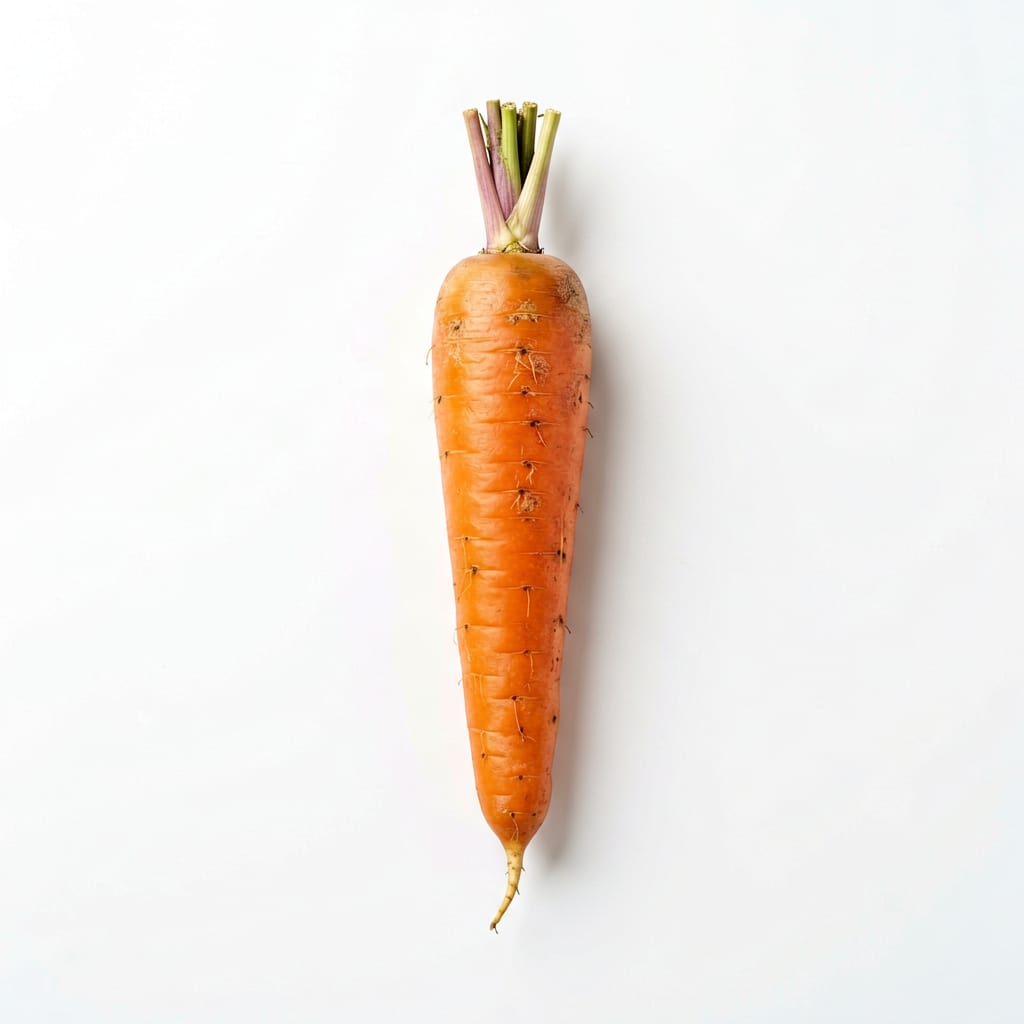
Carrot
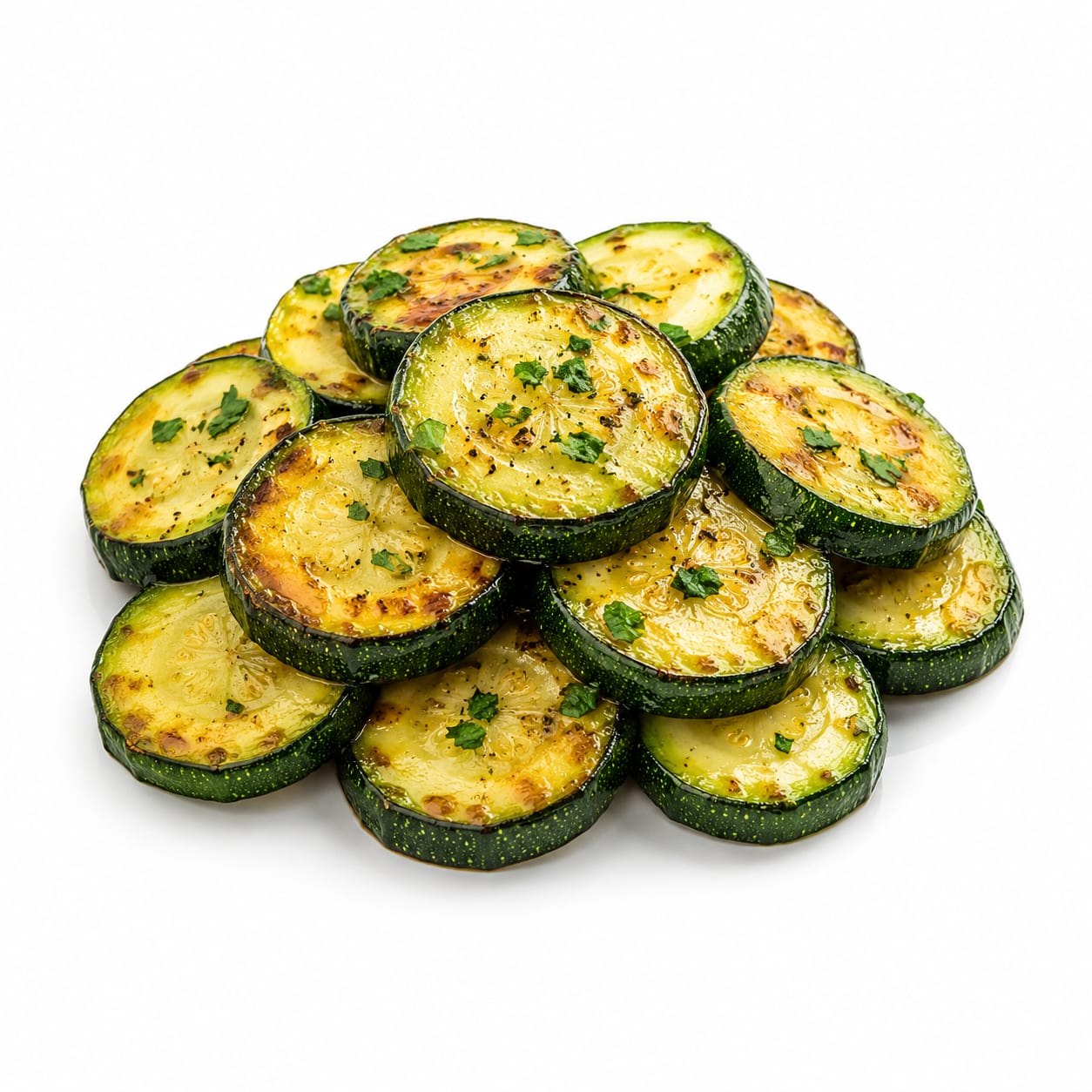
Zucchini
Carrots deliver a massive Vitamin A boost and satisfying crunch, while Zucchini shines as a nearly zero-calorie culinary chameleon.
Carrots and Zucchini are both highly nutritious vegetables with different strengths. Carrots edge out slightly on micronutrient density and fiber, while Zucchini wins on calorie and carb efficiency.
Richer flavor and nutrients versus lower calories and carbs.
At a glance
Executive summary
Overall
It depends
Healthier
It depends
More practical
It depends
Daily use
It depends
Key comparison lenses
Low-calorie volume eating
Zucchini is famously low in calories and high in water, making it a staple for large portion sizes.
Vitamin A and eye health
Carrots are one of the best dietary sources of beta-carotene, a critical nutrient for vision.
Blood sugar and carb control
Zucchini has significantly fewer carbs and a lower glycemic impact than Carrots.
Raw snacking convenience
Carrots are crunchy and satisfying raw, whereas Zucchini is rarely eaten raw as a snack.
Best choice for
Carrot
- Boosting Vitamin A and eye health
- Satisfying crunchy snack cravings
- Adding natural sweetness to meals
Zucchini
- Strict low-carb or keto diets
- Maximizing food volume for minimal calories
- Replacing pasta or noodles in dishes
Least suitable for
Carrot
- Strict ketogenic diets
- Those severely limiting sugar intake
Zucchini
- Those needing a calorie-dense energy source
- Satisfying hunger with a standalone raw snack
Deep comparison
Dimension by dimension
Each lens scores both foods and breaks down who each option suits.
- Dimension 1 · Priority 90Carrot
Vitamin A & Antioxidants
Carrot · 95Zucchini · 30Carrots are a powerhouse of beta-carotene, far exceeding Zucchini.
Tradeoff
You get vastly more eye-health supporting nutrients with Carrots, but Zucchini offers different antioxidants like lutein and zeaxanthin.
Why it matters
Vitamin A is crucial for vision, immune function, and skin health.
Real-world impact
Eating Carrots regularly can noticeably support eye health, while Zucchini provides milder antioxidant benefits.
Carrot
- Eye health support
- Immune system boosting
- Skin vitality
Better for
- Those avoiding orange pigments
Worse for
Zucchini
- Milder flavor profiles
- Avoiding excess Vitamin A
Better for
- Those needing a Vitamin A boost
Worse for
- Dimension 2 · Priority 88Zucchini
Calorie & Carb Efficiency
Carrot · 65Zucchini · 95Zucchini is incredibly low in calories and carbohydrates, making it a diet staple.
Tradeoff
Zucchini lets you eat a much larger volume for fewer calories, while Carrots provide more natural sugars and energy.
Why it matters
Lower calorie density helps with weight loss and satiety through volume eating.
Real-world impact
You can eat an entire Zucchini as a pasta substitute for a fraction of the calories of Carrot noodles.
Carrot
- Pre-workout energy
- Active individuals needing carbs
Better for
- Strict calorie restriction
- Keto
Worse for
Zucchini
- Weight loss
- Keto diets
- Volume eating
Better for
- High-calorie needs
Worse for
- Dimension 3 · Priority 82Carrot
Fiber & Digestive Comfort
Carrot · 85Zucchini · 60Carrots provide significantly more fiber per serving, aiding digestion and fullness.
Tradeoff
Carrots keep you fuller for longer, but Zucchini is gentler on sensitive stomachs due to its high water content.
Why it matters
Fiber is essential for gut health and maintaining steady blood sugar.
Real-world impact
A serving of Carrots will stave off afternoon hunger much better than Zucchini.
Carrot
- Gut health
- Satiety
- Blood sugar regulation
Better for
- Acute digestive flare-ups requiring low fiber
Worse for
Zucchini
- Sensitive digestion
- Bland diet needs
Better for
- Constipation prevention
Worse for
- Dimension 4 · Priority 75Zucchini
Culinary Versatility
Carrot · 70Zucchini · 90Zucchini's mild flavor and texture make it an incredibly versatile cooking ingredient, especially as a low-carb substitute.
Tradeoff
Zucchini seamlessly absorbs flavors and mimics pasta, while Carrots have a distinct sweetness that limits their use in savory dishes.
Why it matters
Versatility makes it easier to stick to healthy eating habits long-term.
Real-world impact
Zucchini can be spiralized into noodles, baked into breads, or grilled, while Carrots are mostly relegated to sides and salads.
Carrot
- Sweet recipes
- Raw crudités
- Juicing
Better for
- Mimicking grains or pasta
Worse for
Zucchini
- Pasta alternatives
- Baking
- Absorbing savory sauces
Better for
- Standalone raw snacking
Worse for
Timeline
Health impact over time
Short-term
Hours to days
Carrot
- Quick energy from natural sugars
- Immediate fullness from fiber
Zucchini
- Hydration boost from high water content
- Very light feeling after eating
Long-term
Months to years
Carrot
- Stronger vision and immune function from Vitamin A
- Improved bowel regularity from fiber
Zucchini
- Easier weight maintenance from low calorie intake
- Better blood sugar control from low carbs
Risk profile
Safety & processing
Both Carrots and Zucchini are whole, natural foods typically eaten with minimal to no processing.
Carrot
Pesticide residue
mediumConventional Carrots often show pesticide residues near the skin; peeling or buying organic mitigates this.
Zucchini
Pesticide residue
lowZucchini is typically on the cleaner list, but conventional farming still uses pesticides; wash thoroughly.
Who wins for whom
Audience fit
Same foods, different winners depending on your goal.
children
CarrotKids often prefer the sweet crunch of Carrots over the softer, milder Zucchini.
daily consumption
It dependsBoth are excellent daily staples; Carrots for nutrient density, Zucchini for low-carb volume.
diabetes
ZucchiniZucchini has a much lower glycemic impact and carb load, making blood sugar management easier.
elderly
CarrotThe Vitamin A and fiber in Carrots are highly beneficial for aging eyes and digestion, though cooked Zucchini is also easy to chew.
muscle gain
It dependsNeither is a significant protein source, but Carrots offer slightly more carbs for workout energy.
weight loss
ZucchiniZucchini's extremely low calorie and carb count makes it a volume-eating favorite for dieters.
Your move
Decision guide
Choose Carrot
- You want to boost your Vitamin A and eye health
- You need a satisfying, crunchy raw snack
- You are making juices or sweet soups
Choose Zucchini
- You are on a keto or very low-carb diet
- You want a low-calorie pasta substitute
- You need a mild base for savory sauces
Either works if
- You just need more vegetables in your diet
- You are making a stir-fry or roasted medley
Avoid both if
- You have a specific allergy to either vegetable (rare)
Final recommendation
Keep both in your kitchen. Use Carrots for nutrient-dense snacking and Zucchini for low-carb meals, letting their unique strengths complement your weekly meal plan.
Practical
Consumer tips
- 1
Buy organic Carrots if you eat them frequently, as they often retain pesticide residues near the skin.
- 2
Salt Zucchini noodles and let them sit before cooking to draw out excess water and prevent soggy dishes.
- 3
Pair Carrots with a fat source like hummus or olive oil to absorb the fat-soluble beta-carotene.