
Nutrition comparison
Carrot vs Parsnip: Nutrition, Calories, and Health Benefits Compared
Carrot vs Parsnip: Which root vegetable is healthier? Compare calories, vitamins, blood sugar impact, and best uses to make the right choice for your meals.
Overall winner · Carrot
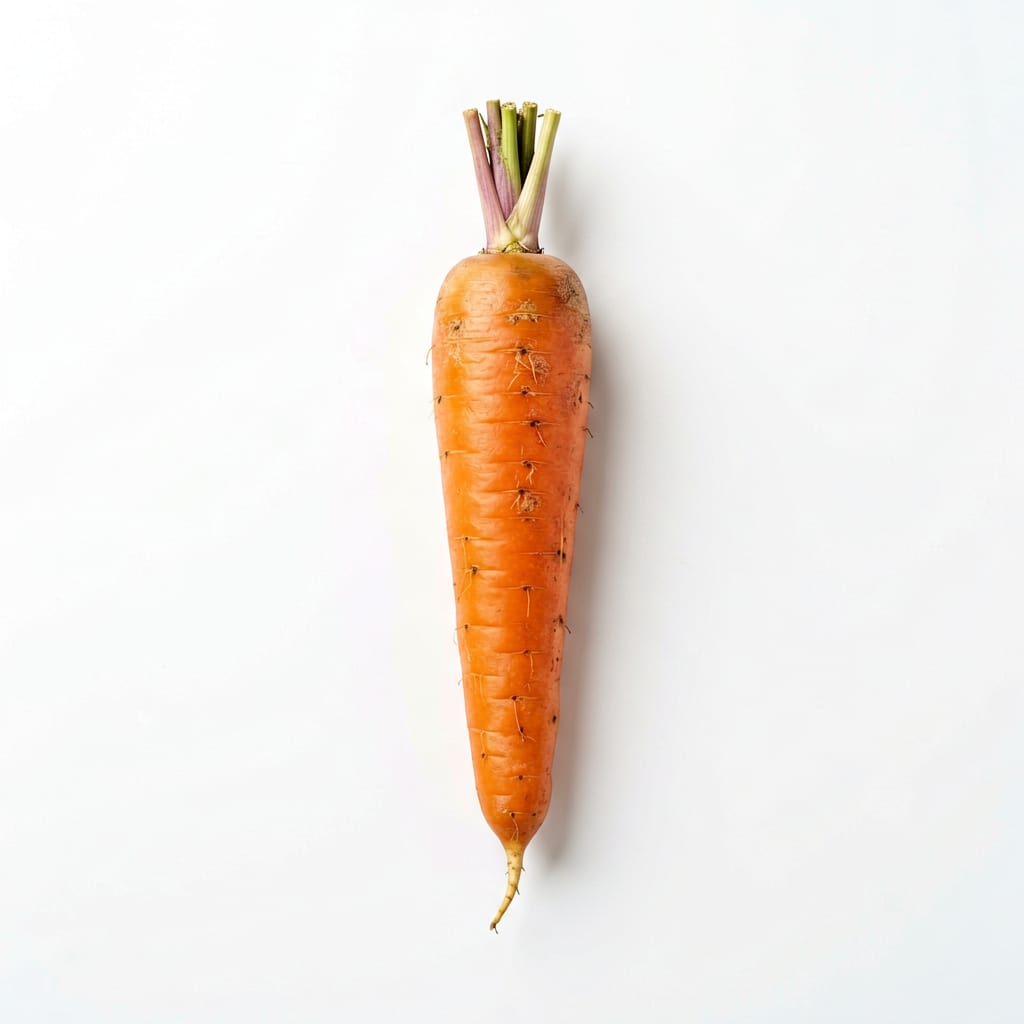
Carrot
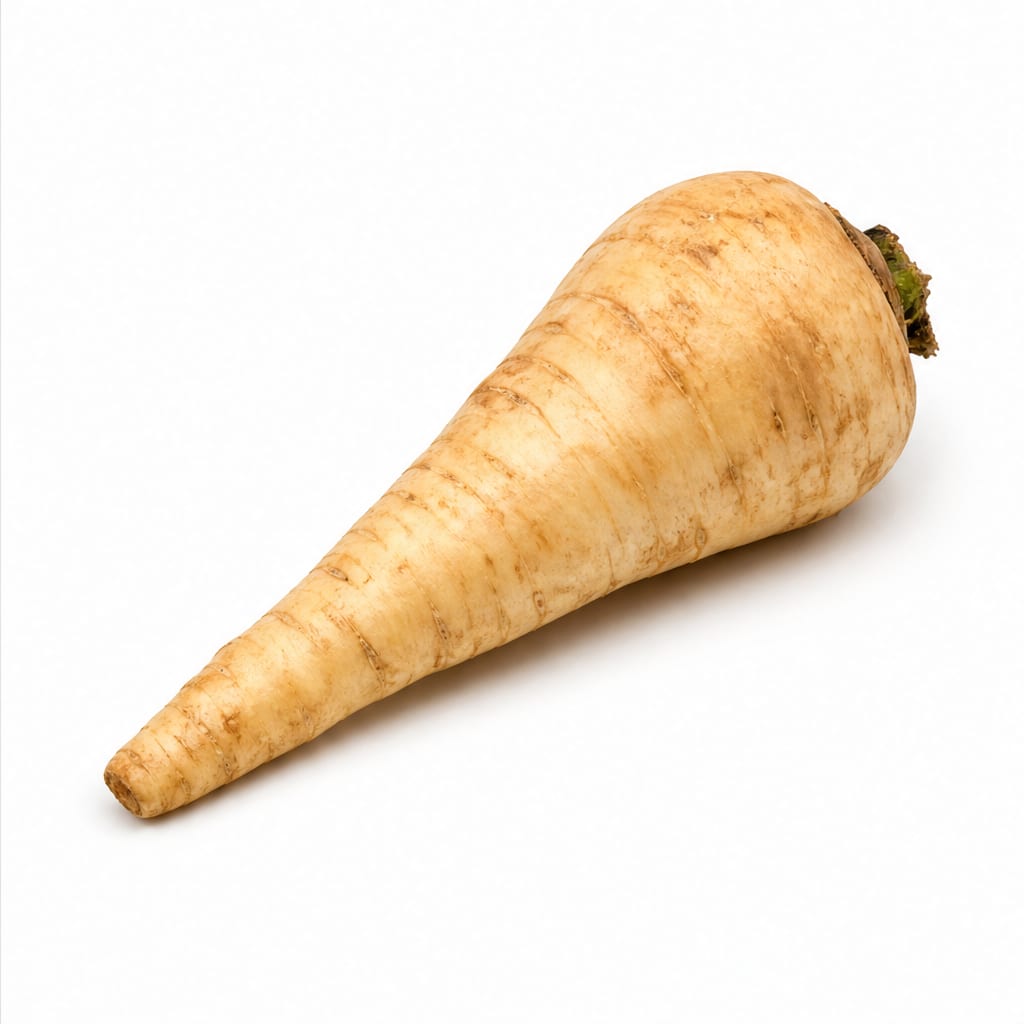
Parsnip
Carrots are lower in calories and richer in vision-boosting vitamin A, while parsnips offer more fiber and folate but with a higher calorie and carb load.
Carrot scores higher due to its lower calorie density, raw snackability, and exceptional vitamin A content, making it a more universally applicable daily vegetable. Parsnip is nutritious but its higher carb content limits its flexibility for certain diets.
Carrots give you more crunch and vitamin A for fewer calories, whereas parsnips provide more filling fiber and B-vitamins but act more like a starch on your plate.
At a glance
Executive summary
Overall
Carrot
Healthier
Carrot
More practical
Carrot
Daily use
Carrot
Key comparison lenses
Root vegetable nutritional tradeoffs
Users often swap root vegetables and need to understand how their vitamin and carb profiles differ.
Blood sugar impact of starchy vs non-starchy roots
Parsnips are significantly starchier, making glycemic response a key differentiator.
Raw snacking vs cooked side dish utility
Carrots are a staple raw snack, while parsnips almost always require cooking, changing how they are consumed.
Vitamin A vs B-vitamin focus
Carrots provide massive vitamin A value, whereas parsnips lean into folate and other B-vitamins.
Best choice for
Carrot
- Low-calorie snacking
- Vitamin A support
- Raw crunch cravings
Parsnip
- Hearty roasted sides
- Folate needs during pregnancy
- Digestive regularity from extra fiber
Least suitable for
Carrot
- Those needing high caloric intake
- Potassium-restricted diets if consumed in massive amounts
Parsnip
- Low-carb or keto diets
- Blood sugar management when eaten in large portions
Deep comparison
Dimension by dimension
Each lens scores both foods and breaks down who each option suits.
- Dimension 1 · Priority 95It depends
Nutrient Density & Vitamins
Carrot · 85Parsnip · 82Carrots dominate in vitamin A and K, while parsnips bring more folate and potassium to the table.
Tradeoff
You trade eye-health supporting beta-carotene in carrots for DNA-synthesis supporting folate in parsnips.
Why it matters
Vitamin A is critical for vision and immunity, whereas folate is essential for cell division and pregnancy.
Real-world impact
Eating carrots literally helps you see better at night; eating parsnips helps keep your energy and blood cells healthy.
Carrot
- Eye health
- Immune support
- Skin health
Better for
- Folate intake
- Potassium intake
Worse for
Parsnip
- Prenatal nutrition
- Heart health via potassium
- Energy metabolism
Better for
- Vitamin A intake
- Antioxidant variety from carotenoids
Worse for
- Dimension 2 · Priority 90Carrot
Blood Sugar & Satiety
Carrot · 88Parsnip · 65Carrots have a much lower glycemic impact, especially raw, while parsnips are starchier and can spike blood sugar faster when cooked.
Tradeoff
Parsnips are more filling due to higher fiber and calories, but carrots keep your blood sugar steadier.
Why it matters
Steady blood sugar means fewer afternoon energy crashes and less cravings.
Real-world impact
Snacking on carrot sticks won't give you a sugar rollercoaster, but a large serving of mashed parsnips might.
Carrot
- Steady energy
- Diabetic-friendly snacking
- Low-glycemic diets
Better for
- Feeling completely stuffed from a small portion
Worse for
Parsnip
- Post-workout carb replenishment
- High-fiber fullness
Better for
- Blood sugar spikes
- Keto or low-carb diets
Worse for
- Dimension 3 · Priority 85Carrot
Calorie Density & Weight Management
Carrot · 92Parsnip · 68Carrots are roughly half the calories of parsnips per 100g, making them far better for volume eating.
Tradeoff
You can eat a massive bowl of carrots for minimal calories, but parsnips pack more energy into a smaller serving.
Why it matters
Volume eating helps you feel full without overconsuming calories.
Real-world impact
You can mindlessly crunch through a cup of carrot sticks for 50 calories, but a cup of parsnips hits around 100 calories and requires cooking.
Carrot
- Weight loss
- Volume eating
- Unlimited snacking
Better for
- Getting enough calories if very active
Worse for
Parsnip
- Weight gain needs
- Hiking fuel
- Caloric efficiency
Better for
- Calorie counting
- Mindless snacking
Worse for
- Dimension 4 · Priority 80Carrot
Culinary Versatility & Practicality
Carrot · 95Parsnip · 60Carrots are perfect raw or cooked, while parsnips almost always require cooking to be palatable.
Tradeoff
Carrots are a grab-and-go snack; parsnips are a dedicated side dish that requires peeling and roasting or boiling.
Why it matters
Convenience often dictates what you actually eat on a busy Tuesday.
Real-world impact
Throwing carrots into a lunchbox is effortless, but parsnips demand meal prep time.
Carrot
- Quick snacks
- Salads
- Lunchboxes
- Juicing
Better for
- Missing out on a starchy comfort food replacement
Worse for
Parsnip
- Hearty winter soups
- Mashed potato alternatives
- Roasted root medleys
Better for
- Raw snacking
- Quick prep
- Cold dishes
Worse for
Timeline
Health impact over time
Short-term
Hours to days
Carrot
- Quick hydration from high water content
- Immediate crunch satisfaction
- Mild blood sugar rise
Parsnip
- Sustained fullness from dense carbs
- Heavier feeling in the stomach
- Satiety from fiber
Long-term
Months to years
Carrot
- Better night vision and eye health
- Improved skin clarity from beta-carotene
- Easier weight maintenance
Parsnip
- Better digestive regularity
- Support for cardiovascular health via potassium
- Healthy fetal development if pregnant
Risk profile
Safety & processing
Both are whole, raw root vegetables straight from the ground with virtually zero processing concerns when bought fresh.
Carrot
Pesticide residue
mediumConventional carrots often show pesticide residue on the skin; peeling or buying organic mitigates this.
Parsnip
Parsnip dermatitis
lowHandling parsnip leaves or shoots can cause phytophotodermatitis in sensitive people due to furanocoumarins, though the root itself is safe to eat.
Who wins for whom
Audience fit
Same foods, different winners depending on your goal.
children
CarrotNaturally sweeter, fun to eat raw, and packed with vision-supporting vitamin A for growing bodies.
daily consumption
CarrotMore versatile, lower calorie, and easier to incorporate into any meal or snack without prep.
diabetes
CarrotLower glycemic index and carb load keeps blood sugar more stable.
elderly
CarrotEasier to chew when lightly steamed and provides crucial vitamin A without excess calories.
muscle gain
ParsnipHigher carbohydrate content helps replenish glycogen stores after heavy lifting.
weight loss
CarrotHalf the calories and excellent for raw volume eating.
Your move
Decision guide
Choose Carrot
- You want a low-calorie raw snack
- Eye health is a priority
- You need quick, prep-free veggies
- You are watching your blood sugar
Choose Parsnip
- You want a comforting, starchy side dish
- You need extra folate or potassium
- You are meal-prepping roasted vegetables
- You need dense carbs for athletic performance
Either works if
- You are making a winter stew
- You want to boost your vegetable intake
- You need more fiber in your diet
Avoid both if
- You are on a strict very-low-carb diet and counting every gram of net carbs
Final recommendation
Keep carrots as your daily driver for snacking and salads, but rotate in parsnips when you want a comforting, nutrient-dense alternative to potatoes for dinner.
Practical
Consumer tips
- 1
Buy organic carrots if you eat the skin, as they are a known pesticide-residue crop.
- 2
Peel parsnips thicker than carrots, as the outer layer can be bitter and woody.
- 3
Roast parsnips with a drizzle of honey or olive oil to bring out their natural nutty sweetness.
- 4
Shred carrots into sauces or baked goods for hidden nutrition; parsnips work well in soups for creaminess without dairy.