
Nutrition comparison
Carrot vs Turnip: Which Root Vegetable Is Healthier for You?
Compare carrot vs turnip nutrition including vitamin A, carbs, calories, and blood sugar impact. Find out which root vegetable fits your diet best.
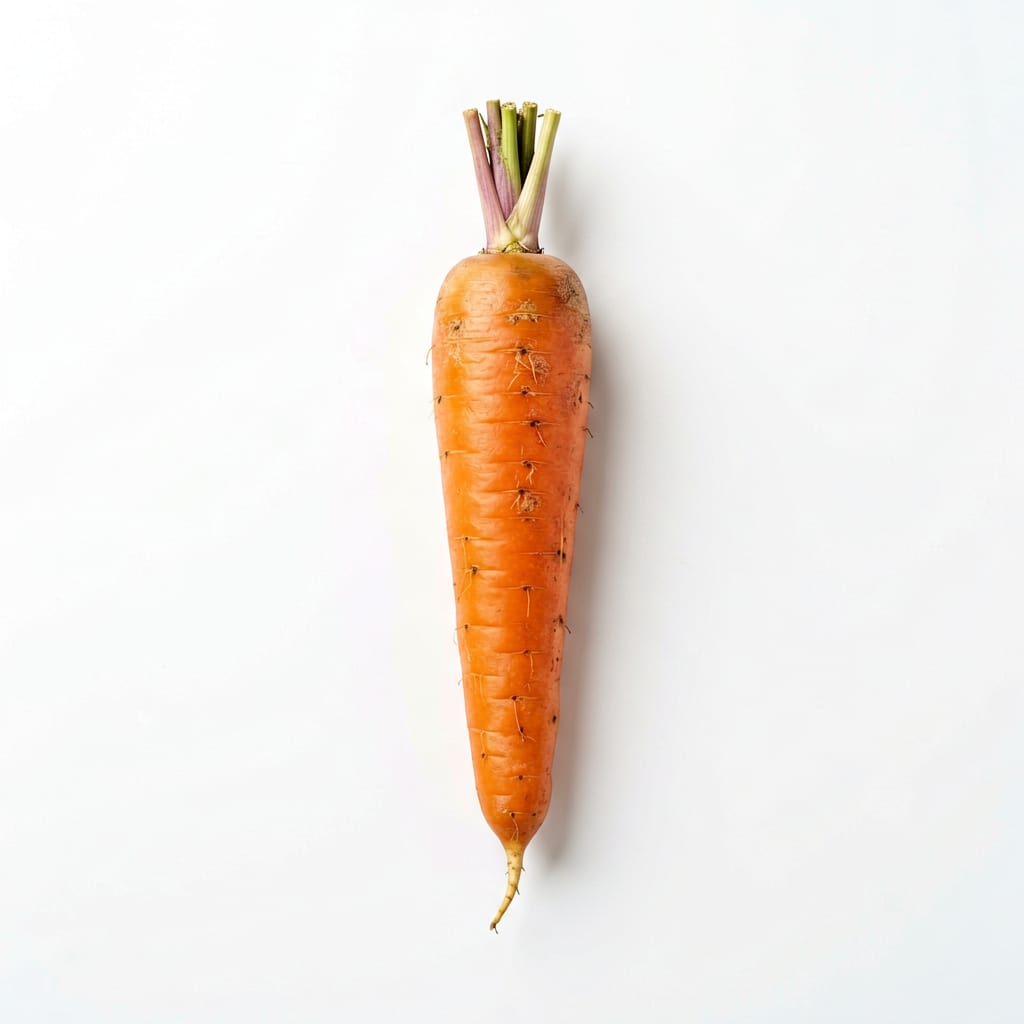
Carrot
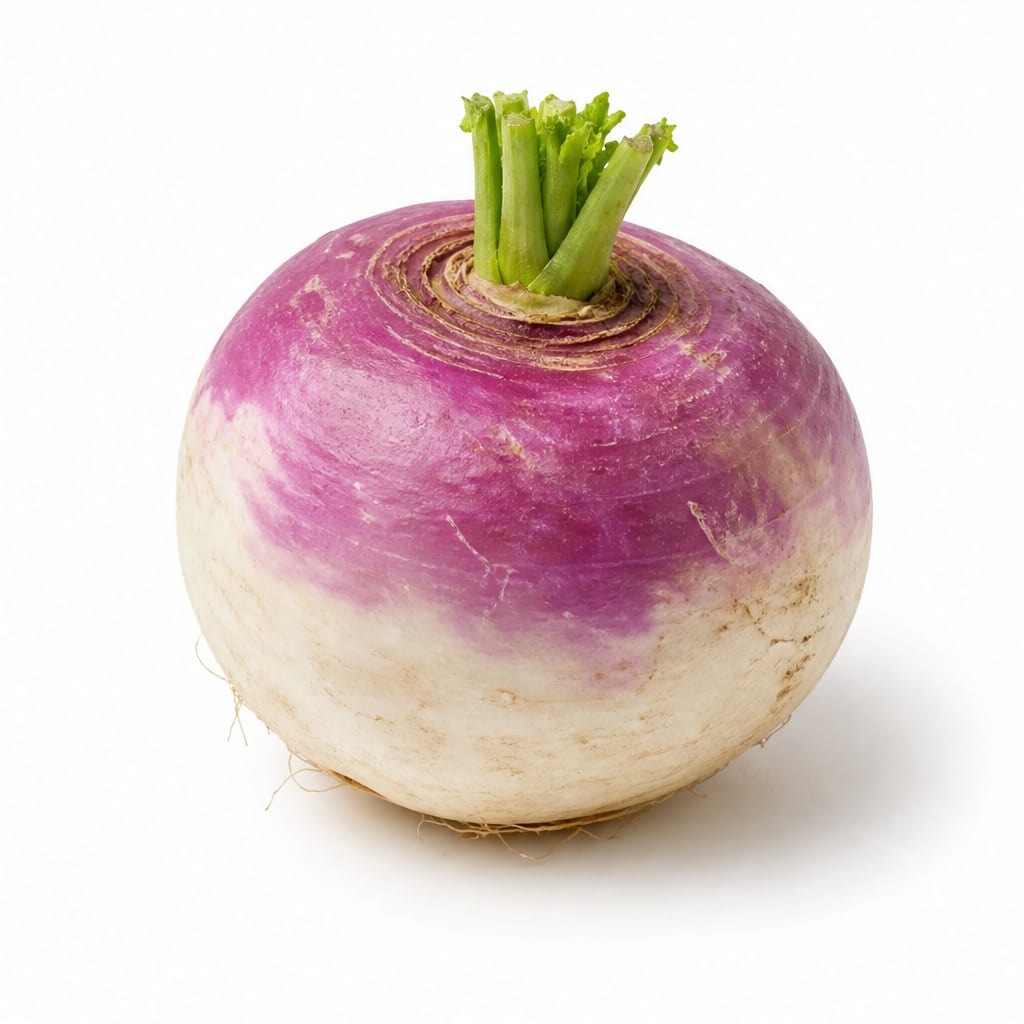
Turnip
Carrots win on vitamin A and raw snack appeal; turnips win on low carbs and calorie density. Your goal determines the winner.
Carrots edge ahead slightly due to superior vitamin A content and everyday convenience, but turnips are nearly equal thanks to their low-carb and calorie advantages. The small gap reflects that both are genuinely healthy choices with different strengths.
Carrots give you far more beta-carotene and sweetness but come with more sugar and carbs. Turnips are lighter, lower-carb, and more neutral but lack the vitamin A punch.
At a glance
Executive summary
Overall
It depends
Healthier
It depends
More practical
Carrot
Daily use
Carrot
Key comparison lenses
root vegetable selection for daily nutrition
Both are root vegetables often swapped in meals, so users want to know which delivers more value per bite
low-carb and blood sugar management
Turnip is significantly lower in carbs and sugar, making it relevant for keto and diabetic diets
vitamin A and eye health priorities
Carrots are famously rich in beta-carotene, a major differentiator from turnips
weight loss and calorie density
Both are low-calorie but turnips are even lower, appealing to calorie-counters
cooking versatility and raw snackability
Carrots excel raw as snacks while turnips shine cooked in stews and roasts
Best choice for
Carrot
- Anyone needing more vitamin A or eye health support
- People who want a convenient raw snack
- Families with kids who prefer sweeter vegetables
- Those meal-prepping crudités or salads
Turnip
- Low-carb and keto dieters
- People managing blood sugar closely
- Anyone counting calories aggressively
- Home cooks wanting a potato substitute in stews and roasts
Least suitable for
Carrot
- Strict keto dieters watching every carb gram
- People sensitive to naturally sweet vegetables
Turnip
- Children who dislike bitter or earthy flavors
- Anyone seeking a quick raw snack on the go
Deep comparison
Dimension by dimension
Each lens scores both foods and breaks down who each option suits.
- Dimension 1 · Priority 95Carrot
Vitamin A and Antioxidant Power
Carrot · 95Turnip · 18Carrots dominate with roughly 340% of daily vitamin A per cup versus turnips' negligible amount.
Tradeoff
You get massive beta-carotene benefits from carrots but sacrifice the lower sugar profile of turnips.
Why it matters
Vitamin A supports vision, immune function, and skin health. This is the single biggest nutritional gap between the two.
Real-world impact
Eating carrots regularly can meaningfully improve your vitamin A status. Turnips cannot fill that gap.
Carrot
- Eye health and night vision
- Immune resilience during cold season
- Skin clarity and repair
Better for
- Not a concern, but the sugar that comes with the beta-carotene is a tradeoff for carb-sensitive people
Worse for
Turnip
- Avoiding excess sugar while still getting vegetable nutrients
Better for
- You miss out on one of the easiest dietary sources of vitamin A
Worse for
- Dimension 2 · Priority 90Turnip
Blood Sugar and Carb Load
Carrot · 55Turnip · 88Turnips have roughly half the carbs and a third of the sugar of carrots per serving, with a lower glycemic impact.
Tradeoff
Turnips keep blood sugar steadier but taste blander and less satisfying raw.
Why it matters
For anyone managing diabetes, insulin resistance, or keto macros, this difference is significant daily.
Real-world impact
A cup of turnip has about 8g carbs versus 12g in carrots. Over a day of eating, that gap adds up for carb-limited diets.
Carrot
- People who tolerate carbs well and want pre-workout energy
Better for
- Carrots can cause a modest blood sugar rise, especially when juiced
Worse for
Turnip
- Diabetics and pre-diabetics
- Keto and low-carb dieters
- Anyone avoiding blood sugar spikes after meals
Better for
- Very low sugar means less immediate energy and less natural sweetness appeal
Worse for
- Dimension 3 · Priority 82Turnip
Calorie Density and Weight Management
Carrot · 68Turnip · 85Turnips are about 30% lower in calories per cup than carrots, making them slightly better for aggressive calorie restriction.
Tradeoff
Fewer calories also means less energy density, so turnips may feel less satisfying as a standalone snack.
Why it matters
When cutting calories, every advantage helps. But satisfaction matters for adherence.
Real-world impact
A cup of turnip is roughly 36 calories versus 52 for carrots. Both are low, but turnips let you eat more volume for fewer calories.
Carrot
- People who want a more satisfying standalone snack that still fits their budget
Better for
- Slightly more calories per serving, though still very low
Worse for
Turnip
- Volume eaters who want maximum food for minimum calories
- Anyone on a strict calorie deficit
Better for
- Less natural sweetness makes them less rewarding to eat alone
Worse for
- Dimension 4 · Priority 75Turnip
Vitamin C and Immune Support
Carrot · 50Turnip · 78Turnips provide notably more vitamin C per serving than carrots, supporting immune function and collagen production.
Tradeoff
Turnips give you more vitamin C but far less vitamin A. You would need other sources to cover both.
Why it matters
Vitamin C is essential for immunity, wound healing, and iron absorption. Many people fall short.
Real-world impact
A cup of turnip delivers about 27mg vitamin C versus 7mg in carrots. That is a meaningful daily difference.
Carrot
- Not a strong suit for carrots in this comparison
Better for
- Carrots are not a reliable vitamin C source
Worse for
Turnip
- Boosting immune defense during winter
- Supporting collagen for skin and joints
- Improving plant-based iron absorption when paired with iron-rich foods
Better for
- Cooking reduces vitamin C significantly, so raw or light cooking is best
Worse for
- Dimension 5 · Priority 78Carrot
Raw Snack Convenience
Carrot · 92Turnip · 35Carrots are one of the best raw snack vegetables. Turnips are rarely eaten raw due to their bitter, woody flavor.
Tradeoff
Carrots are grab-and-go friendly. Turnips almost always require cooking to be enjoyable.
Why it matters
Convenience drives real-world eating behavior. The vegetable you actually eat always beats the one you do not.
Real-world impact
You can toss baby carrots in a lunchbox. Raw turnip is a tough sell for most people, including kids.
Carrot
- Quick afternoon snacking without prep
- Lunchbox and meal-prep situations
- Dipping into hummus or guacamole
Better for
- Raw carrots can be tough on sensitive jaws or dental issues
Worse for
Turnip
- Not applicable for raw snacking
Better for
- Raw turnip is bitter and unappealing to most palates
Worse for
- Dimension 6 · Priority 72Turnip
Cooking Versatility as a Potato Substitute
Carrot · 40Turnip · 88Turnips mash, roast, and stew remarkably like potatoes with far fewer carbs. Carrots are too sweet for this role.
Tradeoff
Turnips replace potatoes well but have a slightly bitter edge that not everyone loves.
Why it matters
For people cutting carbs, finding a convincing potato substitute is a game-changer for meal satisfaction.
Real-world impact
Mashed turnips or turnip fries can save 20-30g carbs per serving versus potatoes. Carrots cannot replicate that neutral starchy texture.
Carrot
- Adding sweetness and color to roasted vegetable medleys
Better for
- Carrots make stews and mashes noticeably sweet, which feels wrong in savory dishes
Worse for
Turnip
- Mashing as a low-carb potato alternative
- Adding to soups and stews without making them sweet
- Making oven-baked turnip fries
Better for
- Turnip mash can taste slightly bitter compared to buttery mashed potatoes
Worse for
- Dimension 7 · Priority 65Turnip
Glucosinolate and Cancer-Fighting Compounds
Carrot · 25Turnip · 80Turnips contain glucosinolates, the same cancer-fighting compounds found in broccoli and Brussels sprouts. Carrots do not.
Tradeoff
This benefit is real but modest compared to more concentrated cruciferous sources like broccoli.
Why it matters
Glucosinolates support liver detoxification and may reduce cancer risk over the long term.
Real-world impact
Eating turnips adds another cruciferous vegetable to your rotation, diversifying your cancer-fighting portfolio.
Carrot
- Not a significant source of glucosinolates
Better for
- Carrots lack this class of protective compounds entirely
Worse for
Turnip
- Adding cruciferous diversity to your diet
- Supporting liver detox pathways
- Long-term cancer risk reduction alongside other cruciferous vegetables
Better for
- Turnips have fewer glucosinolates than broccoli or kale, so they are not a primary source
Worse for
Timeline
Health impact over time
Short-term
Hours to days
Carrot
- Quick natural energy from easily digestible carbs
- Immediate satisfaction from sweetness and crunch
- Hydration boost from high water content
Turnip
- Minimal blood sugar disruption after eating
- Light feeling in the stomach due to very low calorie density
- Mild digestive stimulation from bitter compounds
Long-term
Months to years
Carrot
- Stronger vitamin A status supporting vision and immunity over years
- Consistent beta-carotene intake linked to lower chronic disease risk
- Possible slight increase in carotenemia with extreme overconsumption, causing orange-tinted skin
Turnip
- Better long-term blood sugar control from consistent low-carb intake
- Glucosinolate exposure supporting liver health and cancer prevention
- Easier weight maintenance from lower calorie density habits
Risk profile
Safety & processing
Both carrots and turnips are whole, unprocessed root vegetables. Baby carrots are technically peeled and shaped but still minimally processed. Neither raises additive concerns when purchased fresh.
Carrot
Pesticide residue on conventionally grown carrots
mediumCarrots frequently appear on the Dirty Dozen list. Peeling reduces but does not eliminate residue. Organic is preferable if affordable.
Carotenemia from excessive consumption
lowEating very large amounts daily can turn skin orange. It is harmless and reversible but can be alarming.
Turnip
Goitrogenic compounds when consumed raw in large amounts
lowRaw turnips contain goitrogens that can interfere with thyroid function in susceptible people. Cooking neutralizes most of this risk.
Pesticide residue on conventional turnips
lowTurnips are not a high-spray crop and generally have lower pesticide concerns than carrots.
Who wins for whom
Audience fit
Same foods, different winners depending on your goal.
children
CarrotKids overwhelmingly prefer the sweet crunch of raw carrots over the bitter earthiness of turnips.
daily consumption
CarrotCarrots are easier to eat daily in varied ways: raw, cooked, juiced, or in salads. Turnips are more situational.
diabetes
TurnipTurnips have significantly less sugar and a lower glycemic impact, making blood sugar management easier.
elderly
CarrotOlder adults benefit more from the vitamin A and bone-supporting vitamin K in carrots, and the softer texture when cooked is easy to chew.
muscle gain
CarrotCarrots provide slightly more carbs for training energy and more vitamin A for tissue repair. Neither is a muscle-building food, but carrots edge ahead marginally.
weight loss
TurnipTurnips offer more volume per calorie and fewer carbs, making it easier to stay in a deficit while feeling full.
Your move
Decision guide
Choose Carrot
- You want more vitamin A and beta-carotene in your diet
- You need a convenient raw snack for work or school
- You are feeding kids who resist vegetables
- You want something sweet that is still healthy
- You do not need to watch carbs closely
Choose Turnip
- You are on a low-carb or keto diet
- You want a potato substitute for mashing or roasting
- You are managing diabetes or insulin resistance
- You are counting calories strictly
- You want more vitamin C and glucosinolates in your rotation
Either works if
- You just need more vegetables in your diet overall
- You are building a varied root vegetable medley
- You want affordable, long-lasting produce for meal prep
Avoid both if
- You have a known allergy to root vegetables, which is rare but possible
- You are exclusively seeking high-protein foods, as neither delivers meaningful protein
Final recommendation
Eat both. Carrots and turnips complement each other beautifully. Use carrots for raw snacking and vitamin A, and turnips for low-carb cooking and blood sugar control. If you must pick one, carrots win on overall nutrition and daily practicality, but turnips are the smarter choice for low-carb and diabetic lifestyles.
Practical
Consumer tips
- 1
Buy organic carrots when possible since they are a higher pesticide crop. Turnips are less of a concern conventionally.
- 2
Peel carrots to reduce pesticide residue, but know you lose some nutrients near the skin.
- 3
Cook turnips to reduce goitrogenic compounds and mellow their bitterness.
- 4
Pair carrots with a fat source like hummus or olive oil to absorb beta-carotene more effectively.
- 5
Try mashing turnips with butter and garlic as a convincing low-carb alternative to mashed potatoes.
- 6
Store both in the crisper drawer. Carrots last weeks. Turnips last even longer if you remove the greens.
- 7
Baby carrots are convenient but slightly more processed and prone to drying out. Whole carrots retain more nutrients.
- 8
Roast carrots and turnips together for a side dish that balances sweetness and earthiness.