
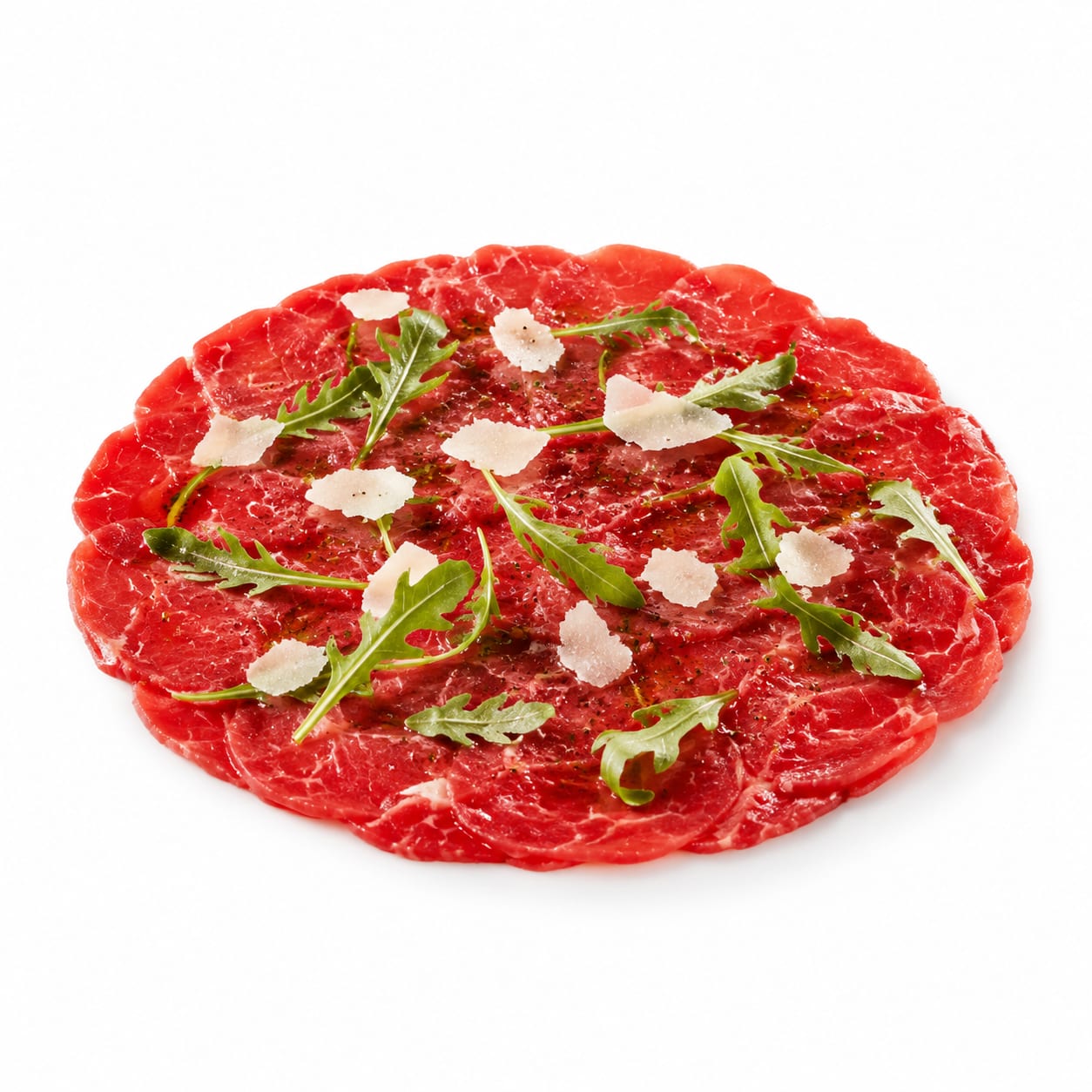
Raw Meat and Fish Appetizer
Carpaccio
Carpaccio is an appetizer of thinly sliced raw meat or fish dressed with oil and acidic seasonings.
Carpaccio is a dish of thinly sliced raw meat or fish, typically beef or tuna, dressed with olive oil, lemon juice, capers, onions, and sometimes cheese or leafy greens.
protein-dense raw animal food
Typical serving · 85g
Common varieties · beef carpaccio, tuna carpaccio, salmon carpaccio, veal carpaccio, venison carpaccio
Overall context score across nutrition, safety, and diet fit
At a glance
Quick facts
Simple indicators based on nutrition, processing, and diet fit.
The story
What makes it unique
Carpaccio provides a fast-digesting, high-protein, zero-carbohydrate macronutrient profile. The raw state preserves heat-labile B vitamins, but the absence of cooking eliminates fat rendering, maintaining a moderate energy density. Satiety is high due to protein and fat content, though digestibility of raw muscle fiber can be slightly lower than cooked meat.
Varieties: beef carpaccio · tuna carpaccio · salmon carpaccio · veal carpaccio · venison carpaccio
Per 100g
Nutrition breakdown
Macro balance and key metrics at a glance.
Energy
Density 1.90 kcal/g
Protein
Carbs
Fat
Fiber
Sugar
0 g
Sodium
260 mg
Potassium
320 mg
Glycemic index
0
Glycemic load
0
Water content
65%
Standout compounds
Nutrient highlights
Protein
highSupports muscle growth, repair, and satiety
Vitamin B12
highEssential for nerve function and red blood cell formation
Iron
highOxygen transport in the blood and energy metabolism
Zinc
moderateImmune function and DNA synthesis
Monounsaturated Fat
moderateHeart-healthy fat from olive oil dressing
Wellness map
Health scores & processing
NOVA processing scale
minimally processed · Whole food
Consists of raw meat or fish sliced thinly with simple culinary ingredients like olive oil, lemon juice, and fresh herbs.
Diet compatibility
- Weight loss
- Muscle gain
- Diabetes
- Gut health
- Low carb
- High protein
- Heart health
Relative standing
Food rankings
Qualitative ranks compared to similar whole foods.
- Satietygood
- Blood sugarexcellent
- Nutrient densitygood
- Fitness fuelgood
- Processing qualityexcellent
Eat with confidence
Food safety profile
Consuming raw meat or fish carries inherent risks of bacterial and parasitic contamination. Sourcing from reputable suppliers that follow strict cold-chain and hygiene protocols is essential.
Evidence confidence 85%
- Pesticideslow
- Antibioticsmoderate
- Heavy metalslow
- Contaminationhigh
Watch for
- E. coli
- Salmonella
- Listeria
- Toxoplasma gondii
- Anisakis
Safer choices
Previously frozen fish to eliminate parasites, high-grade beef from trusted butchers, or lightly seared versions.
Prep tips
Keep refrigerated until serving, use separate cutting boards, and consume immediately after preparation. Freezing fish beforehand reduces parasite risk.
Strict sourcing and cold-chain handling required for raw animal products intended for raw consumption.
Deep dive
Health analysis
How this food may fit different goals and preparation choices.
Weight loss
High protein and fat content promotes strong satiety, but calorie density from added oils requires portion awareness.
Blood sugar
Contains virtually zero carbohydrates, resulting in no glycemic impact and stable blood sugar levels.
Fitness & energy
Excellent source of complete protein for muscle repair, though lack of carbs makes it better for post-workout recovery than pre-workout fuel.
Gut health
Lacks dietary fiber and raw meat can be challenging to digest for sensitive individuals; does not support beneficial gut bacteria directly.
Processing quality
Highly minimal processing; ingredients are typically whole foods like raw meat, oil, and citrus.
Food safety
Primary concern is pathogen exposure from raw meat or fish; requires high-quality sourcing and strict hygiene.
Common mistakes
Assuming all carpaccio is low-calorie due to its light appearance, ignoring the calorie density of the olive oil dressing.
Best preparation
Slice high-quality meat paper-thin while partially frozen, dress lightly with olive oil and lemon juice just before serving to preserve texture and minimize bacterial growth.
Practical guide
Best use cases
When and how this food fits real eating patterns.
keto-friendly appetizer
Zero-carb and high-protein starter that fits strict low-carb diets perfectly.
high-protein low-carb meal
Provides substantial complete protein without spiking blood sugar.
elegant dinner party starter
Visually appealing, light appetizer that offers high satiety without filling guests up before the main course.
Balance sheet
Pros & cons
Upsides
- Rich in high-quality complete protein
- Zero carbohydrates with no glycemic impact
- Excellent source of bioavailable iron and B12
- Minimally processed whole food ingredients
- High satiety per serving
Trade-offs
- Risk of foodborne illness from raw meat or fish
- Calorie density can be high due to olive oil dressing
- Not suitable for pregnant women or immunocompromised individuals
- Lacks dietary fiber
- Can be high in sodium depending on preparation
Fit check
Who is it for?
Great match
- low-carb and ketogenic diets
- high-protein meal planning
- blood sugar management
- iron-deficiency diet support
Consider alternatives
- pregnant women
- immunocompromised individuals
- low-fat diets
- those with compromised digestion for raw foods
Side by side
How it compares
Open the full head-to-head analysis for nutrition, safety, and practical tradeoffs.
This food
Carpaccio
VS95% alike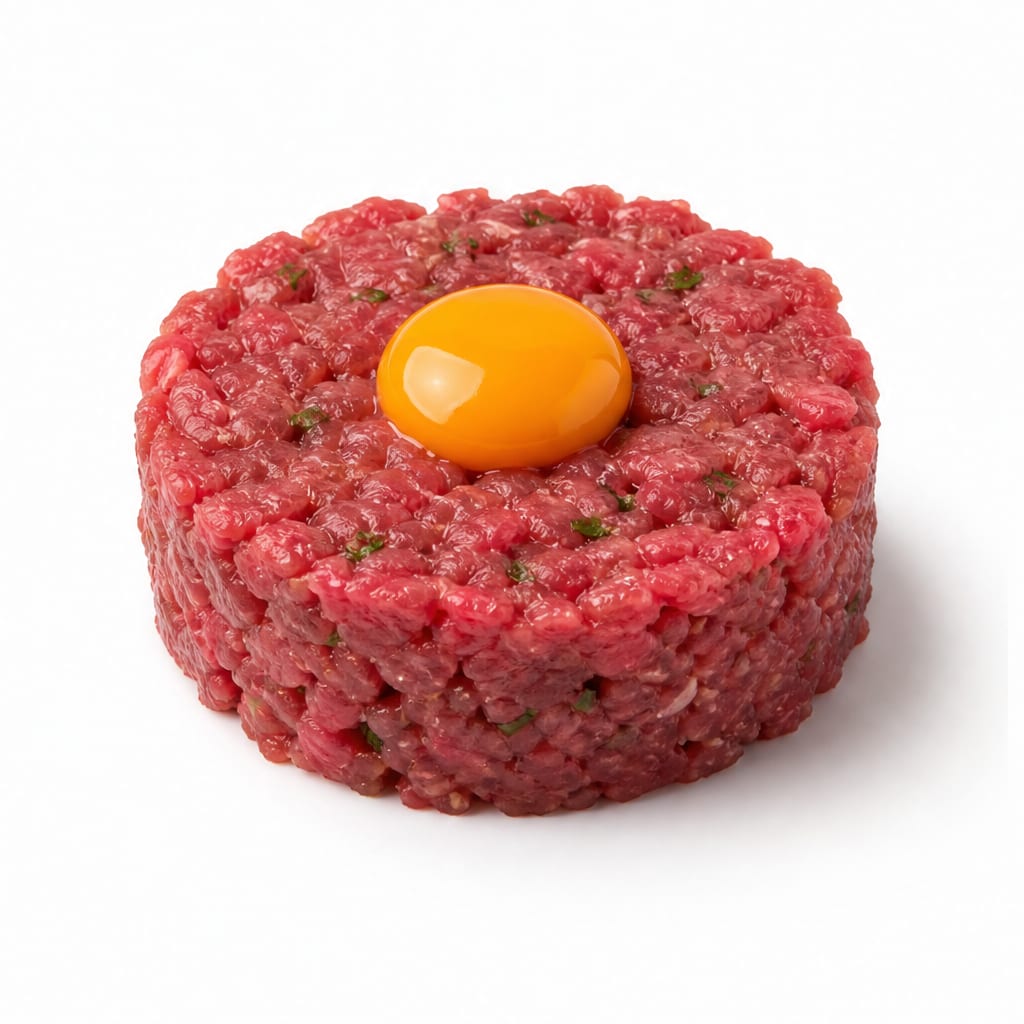
Compare with
Beef Tartare
Tartare offers a chunkier texture while carpaccio is more delicate. Nutritionally they are nearly identical.
Beef tartare and carpaccio are nutritionally identical raw beef dishes, differing only in cut and texture.
This food
Carpaccio
VS90% alike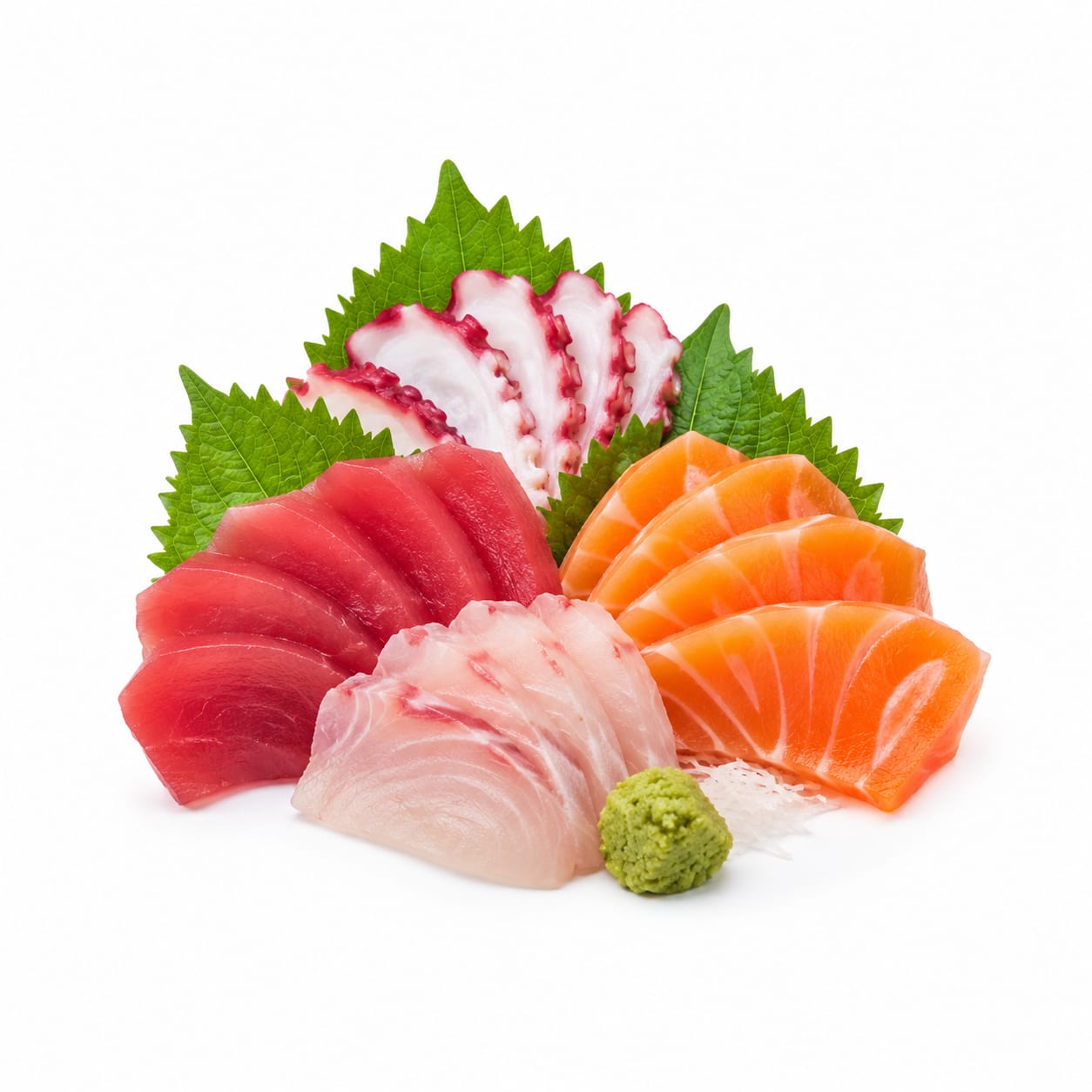
Compare with
Sashimi
Sashimi is purely raw fish, while carpaccio often includes olive oil and acidic dressings.
Sashimi is lower in calories and fat than carpaccio, making it better for weight loss, while carpaccio's olive oil provides more satiety.
This food
Carpaccio
VS85% alike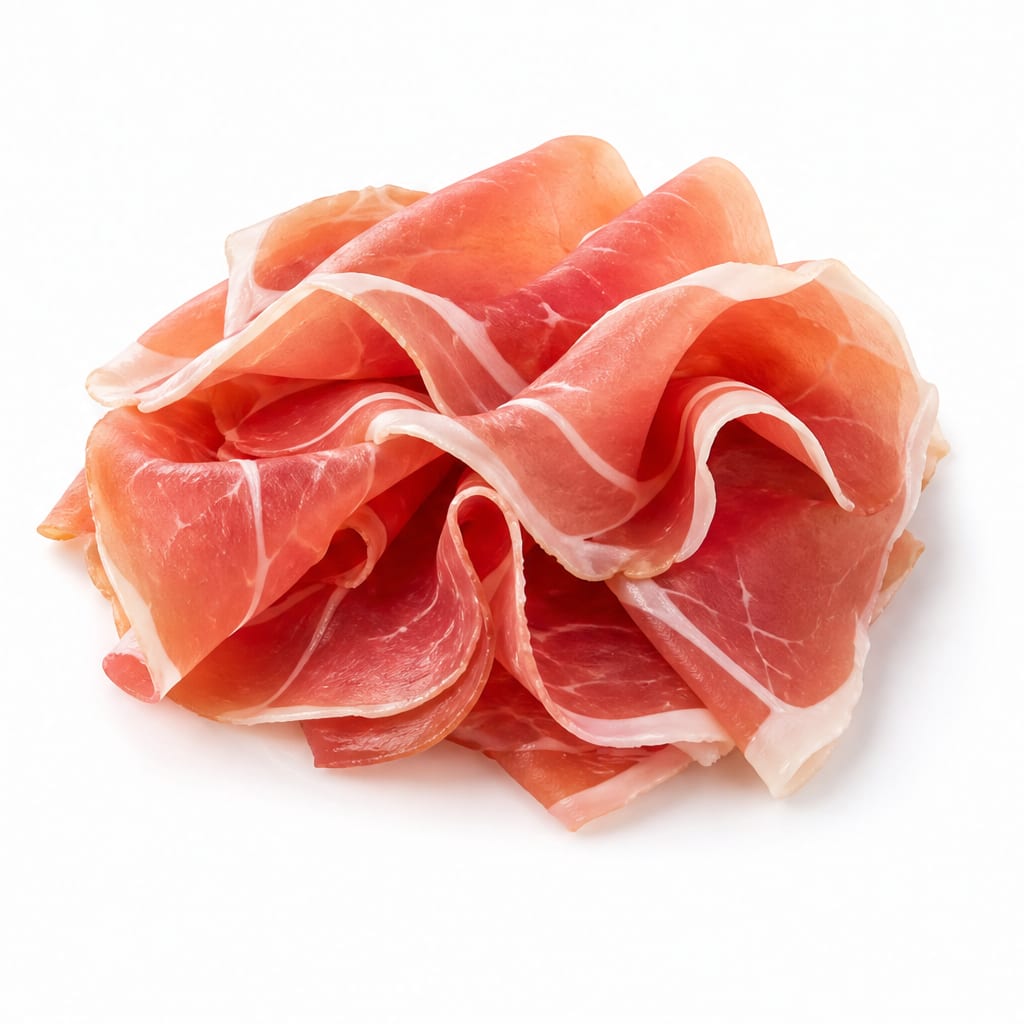
Compare with
Prosciutto
Prosciutto is cured and raw pork, while carpaccio is fresh raw beef. Prosciutto is much higher in sodium.
Carpaccio is fresher and much lower in sodium than prosciutto, making it a better choice for fitness and heart health.
This food
Carpaccio
VS80% alike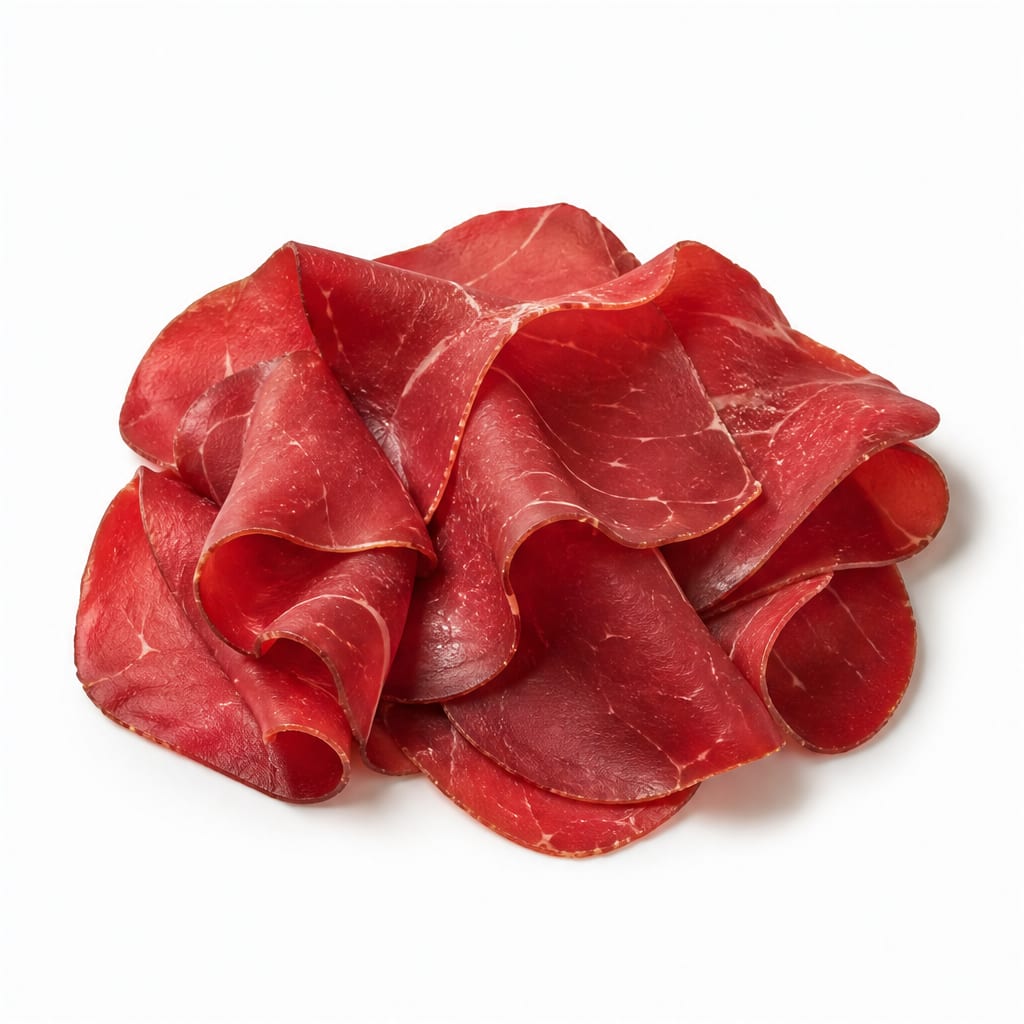
Compare with
Bresaola
Bresaola is leaner due to drying but higher in sodium. Carpaccio is raw and higher in moisture.
Bresaola is lower in fat and calories than carpaccio, but carpaccio is less processed and lower in sodium.
This food
Carpaccio
VS75% alike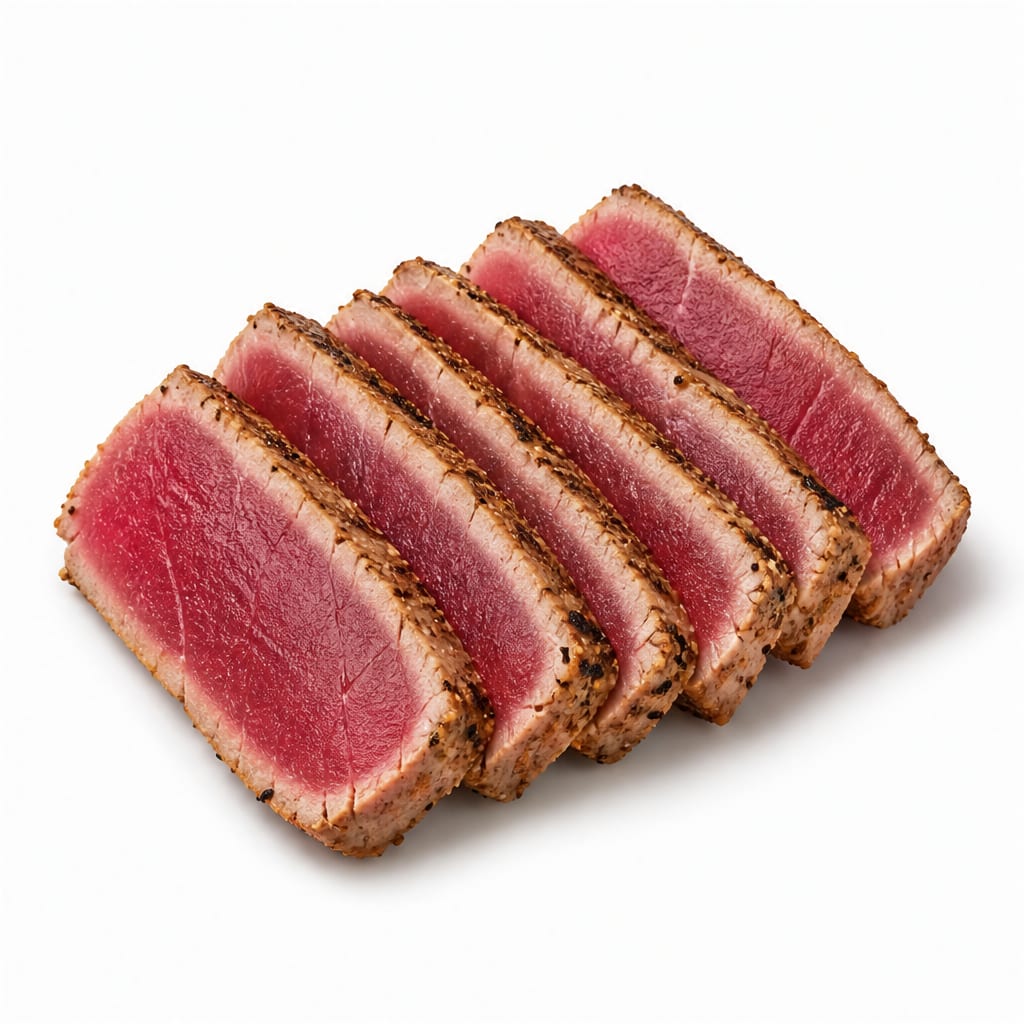
Compare with
Seared Ahi Tuna
Seared tuna is safer due to surface cooking, while tuna carpaccio is completely raw.
Seared ahi tuna and tuna carpaccio are similar in macros, but seared tuna offers better food safety.
This food
Carpaccio
VS70% alike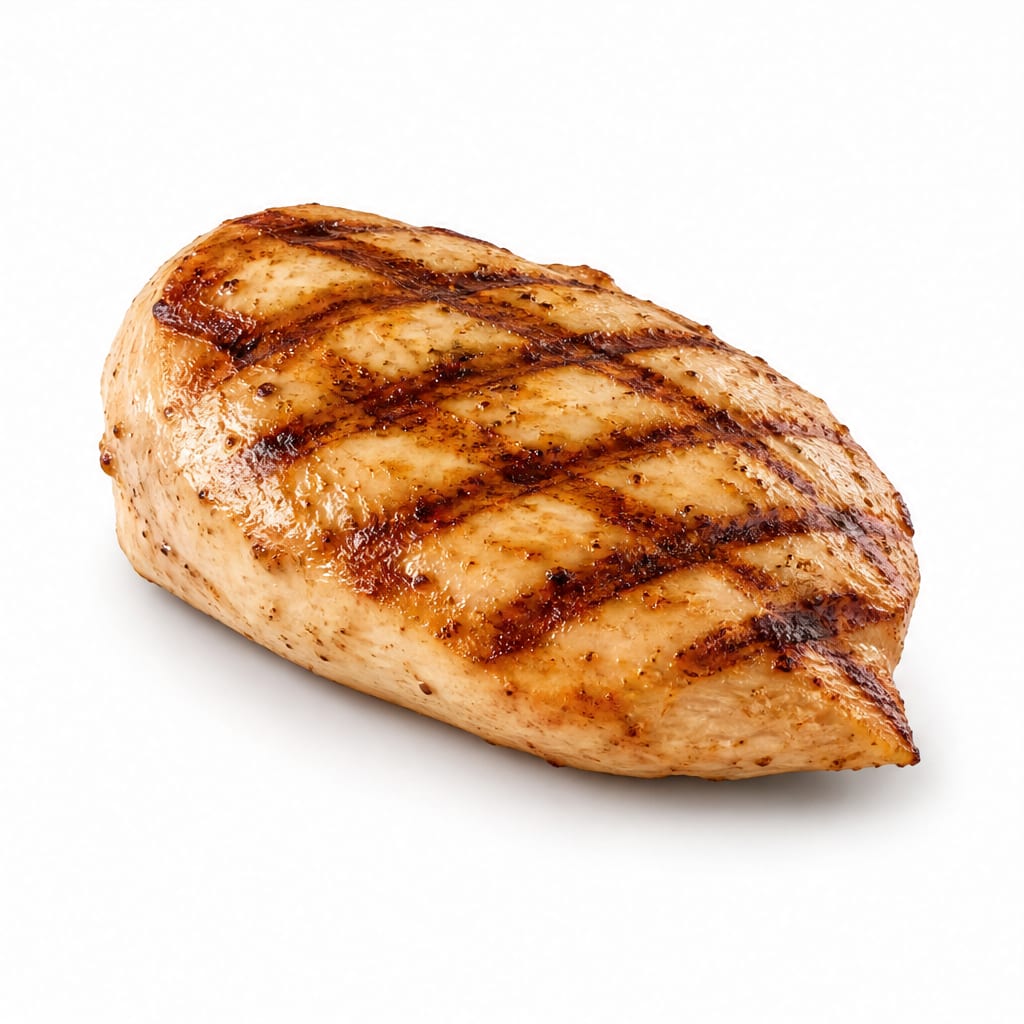
Compare with
Grilled Chicken Breast
Chicken breast is leaner and safer, while carpaccio offers more iron and B12.
Grilled chicken breast is lower in fat and safer to eat than carpaccio, though carpaccio provides more iron.
This food
Carpaccio
VS65% alike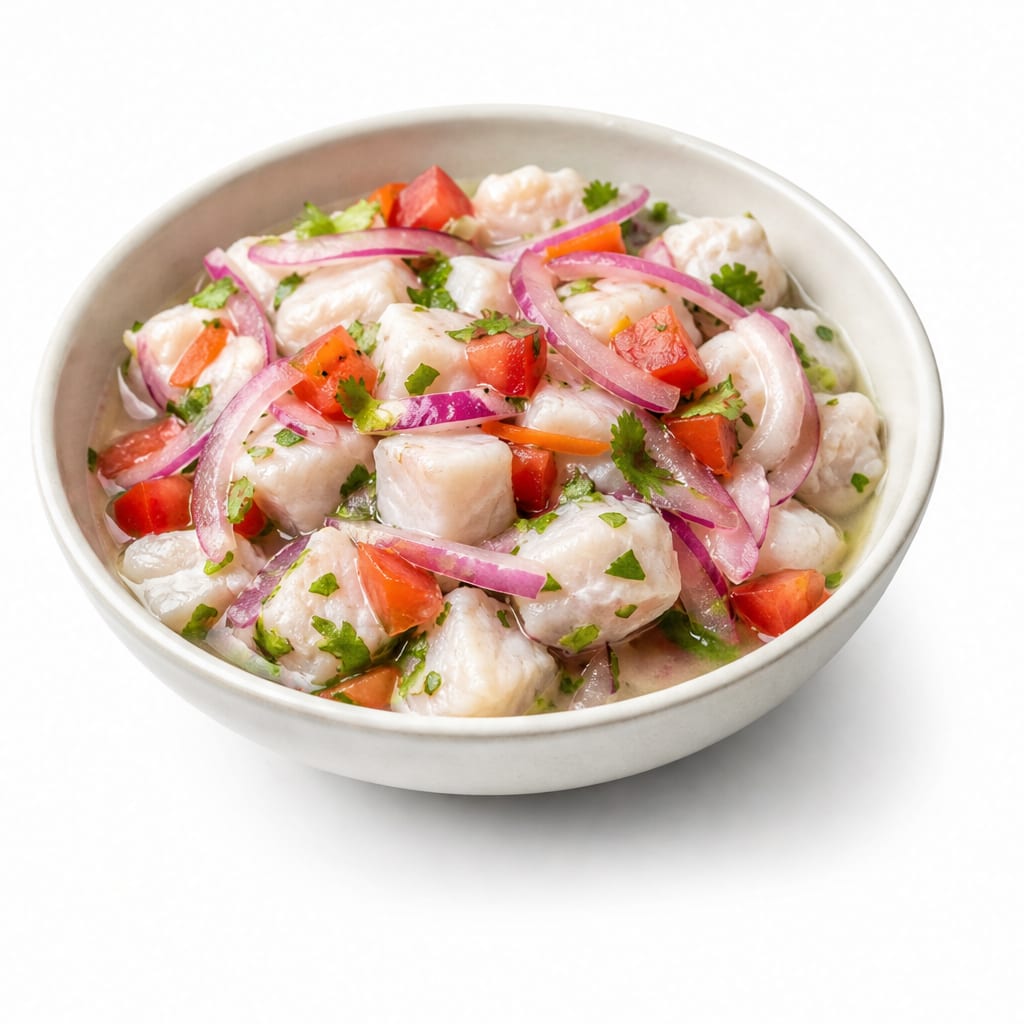
Compare with
Ceviche
Ceviche uses acid to denature proteins, while carpaccio leaves fish completely raw. Ceviche is typically lower in fat.
Ceviche is lower in calories and fat than carpaccio because it skips the olive oil dressing.
This food
Carpaccio
VS60% alike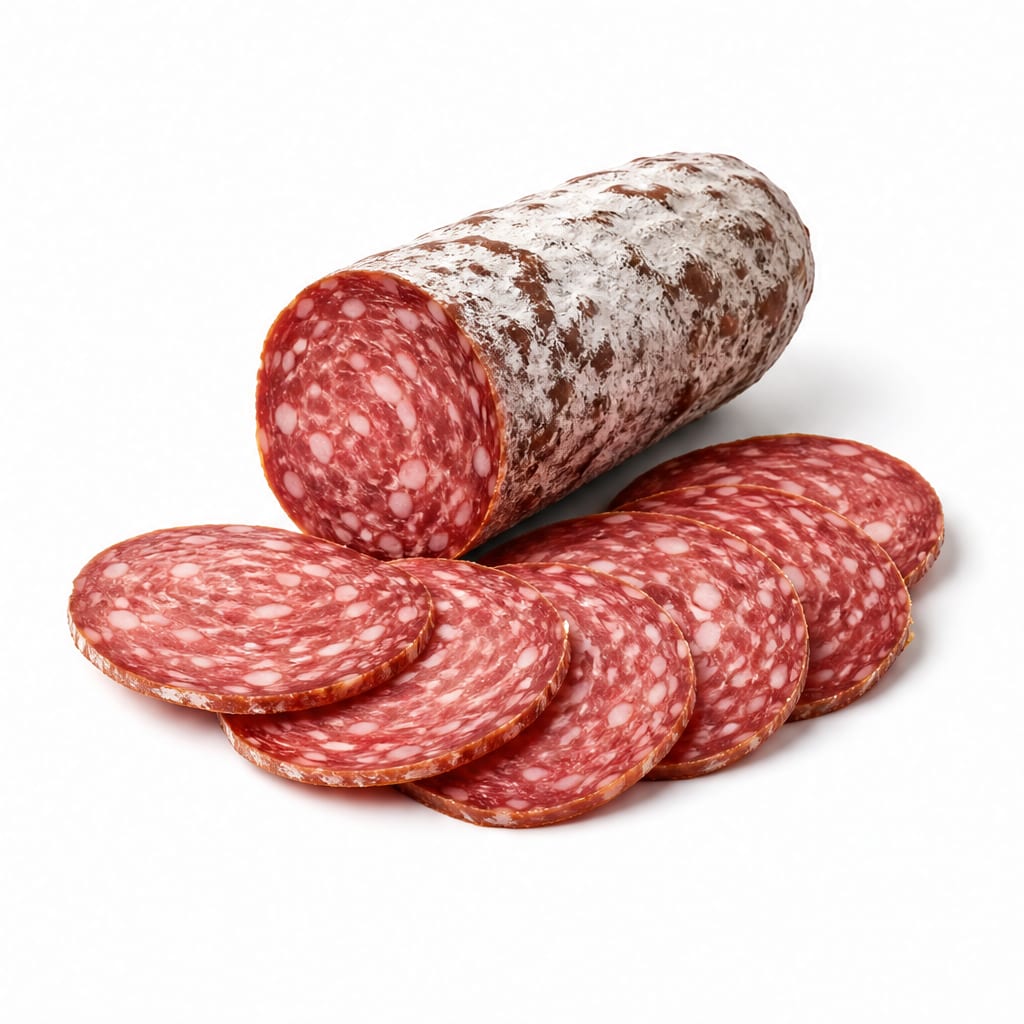
Compare with
Salami
Salami is ultra-processed and high in sodium and saturated fat. Carpaccio is a fresh, minimally processed whole food.
Carpaccio is far less processed and lower in sodium than salami, making it a healthier choice overall.
This food
Carpaccio
VS55% alike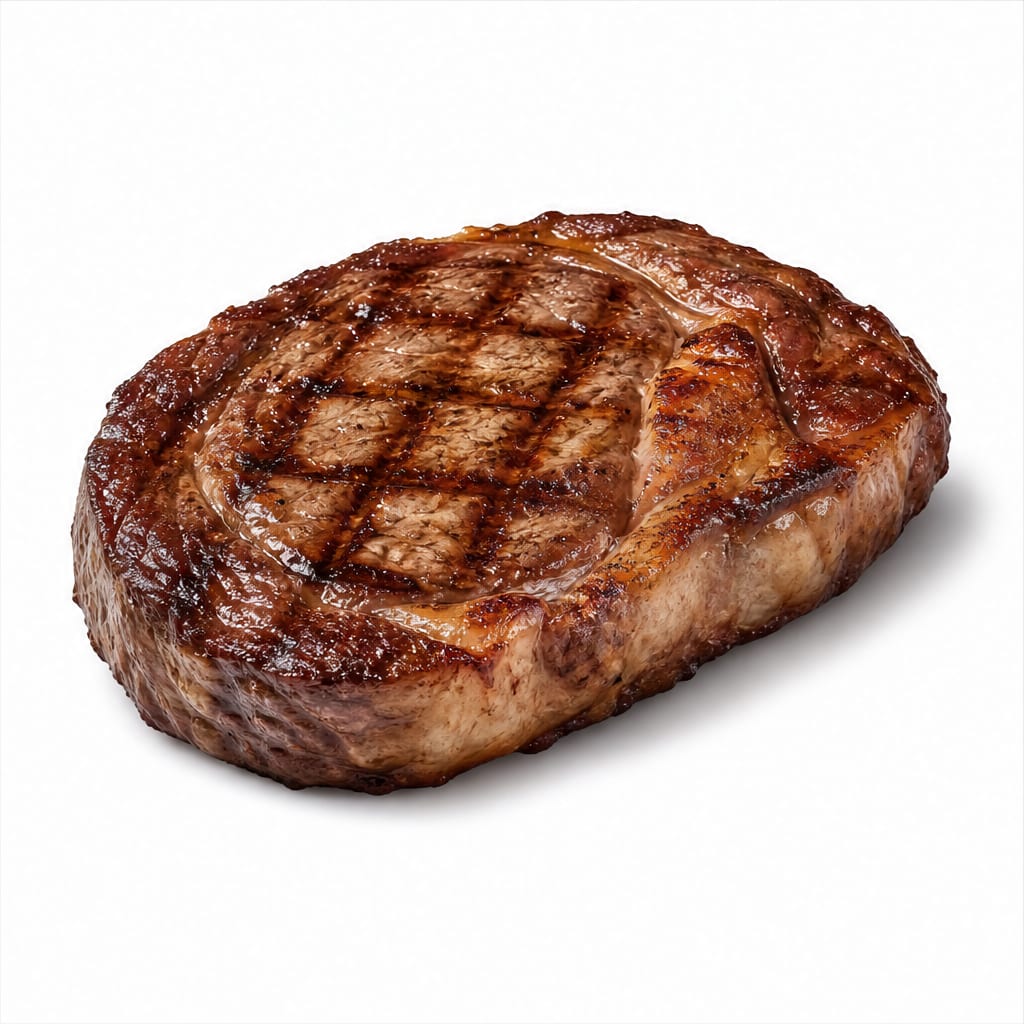
Compare with
Ribeye Steak
Ribeye is cooked and much higher in fat. Carpaccio is raw, leaner, and served in smaller portions.
Carpaccio is significantly lower in calories and fat than a ribeye steak, offering a lighter way to enjoy beef.
This food
Carpaccio
VS50% alike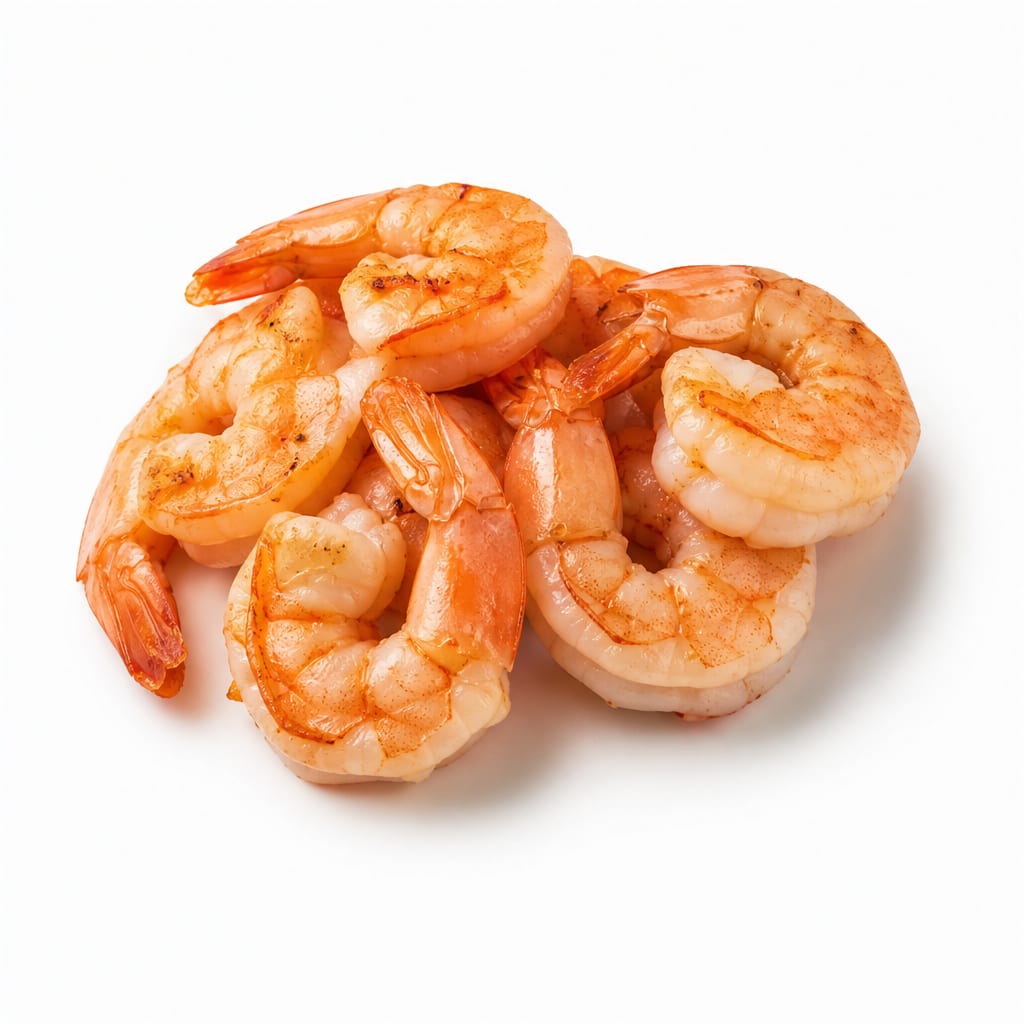
Compare with
Cooked Shrimp
Shrimp is cooked and very low in fat, while carpaccio is raw and dressed with oil.
Cooked shrimp is lower in calories and safer than carpaccio, but carpaccio provides more iron and B12.
Common questions
FAQ
Answers aligned with how people search for this food.
Is carpaccio safe to eat raw?
Carpaccio is safe to eat if prepared with high-quality, fresh ingredients and strict hygiene standards. However, consuming raw meat or fish always carries a risk of foodborne illness, especially for vulnerable populations.
What is the difference between carpaccio and tartare?
Carpaccio is thinly sliced or pounded raw meat or fish, while tartare is finely diced or ground. Both are served raw but differ in texture and preparation.
Can you eat carpaccio on a keto diet?
Yes, carpaccio is excellent for a keto diet. It contains virtually zero carbohydrates and is high in protein and healthy fats from the meat and olive oil dressing.
Is beef carpaccio good for weight loss?
Beef carpaccio can support weight loss due to its high protein content which promotes satiety. However, the olive oil dressing is calorie-dense, so portion control is necessary.
Can pregnant women eat carpaccio?
No, pregnant women should avoid carpaccio. The risk of Listeria, Toxoplasma, and other bacteria in raw meat or fish poses significant dangers to the fetus.
What nutrients are high in carpaccio?
Carpaccio is highly concentrated in protein, Vitamin B12, iron, zinc, and healthy monounsaturated fats from the olive oil dressing.
How should carpaccio be stored?
Carpaccio should be kept refrigerated and consumed immediately after preparation. Raw meat and fish should not sit at room temperature for more than two hours.
Is fish carpaccio safer than beef carpaccio?
Fish carpaccio carries a risk of parasites like Anisakis, while beef carpaccio carries a higher risk of bacteria like E. coli. Freezing fish before preparation kills parasites, making it relatively safer if proper protocols are followed.
Transparency
Data confidence
Estimated confidence for nutrition data, interpretation, safety notes, and comparisons.
Nutrition data
Health analysis
Food safety
Comparisons