
Nutrition comparison
Carpaccio vs Ribeye Steak: Nutrition, Safety, and Health Comparison
Compare Carpaccio and Ribeye Steak on calories, fat, protein, food safety, and health impact. Learn which beef dish fits your goals better.
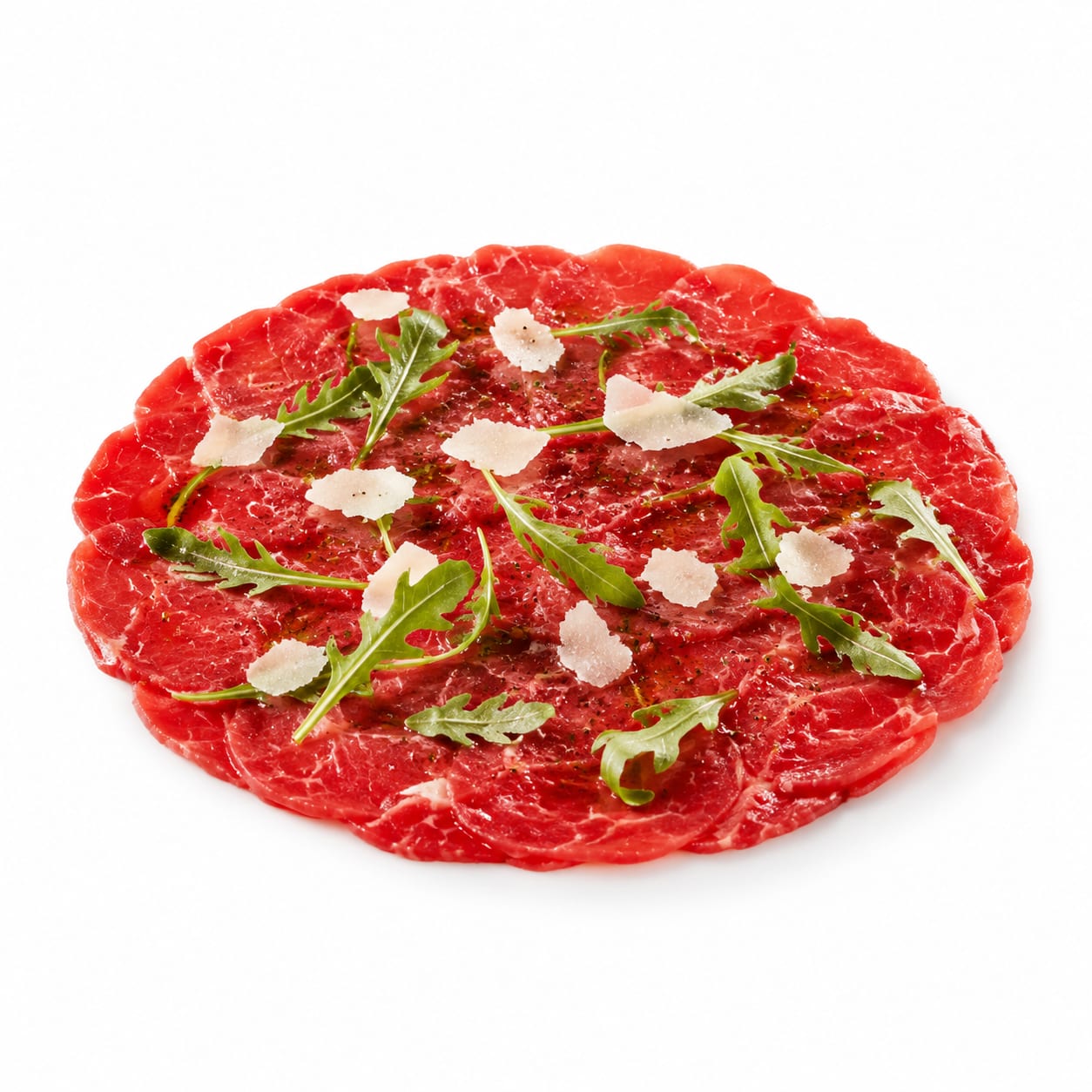
Carpaccio
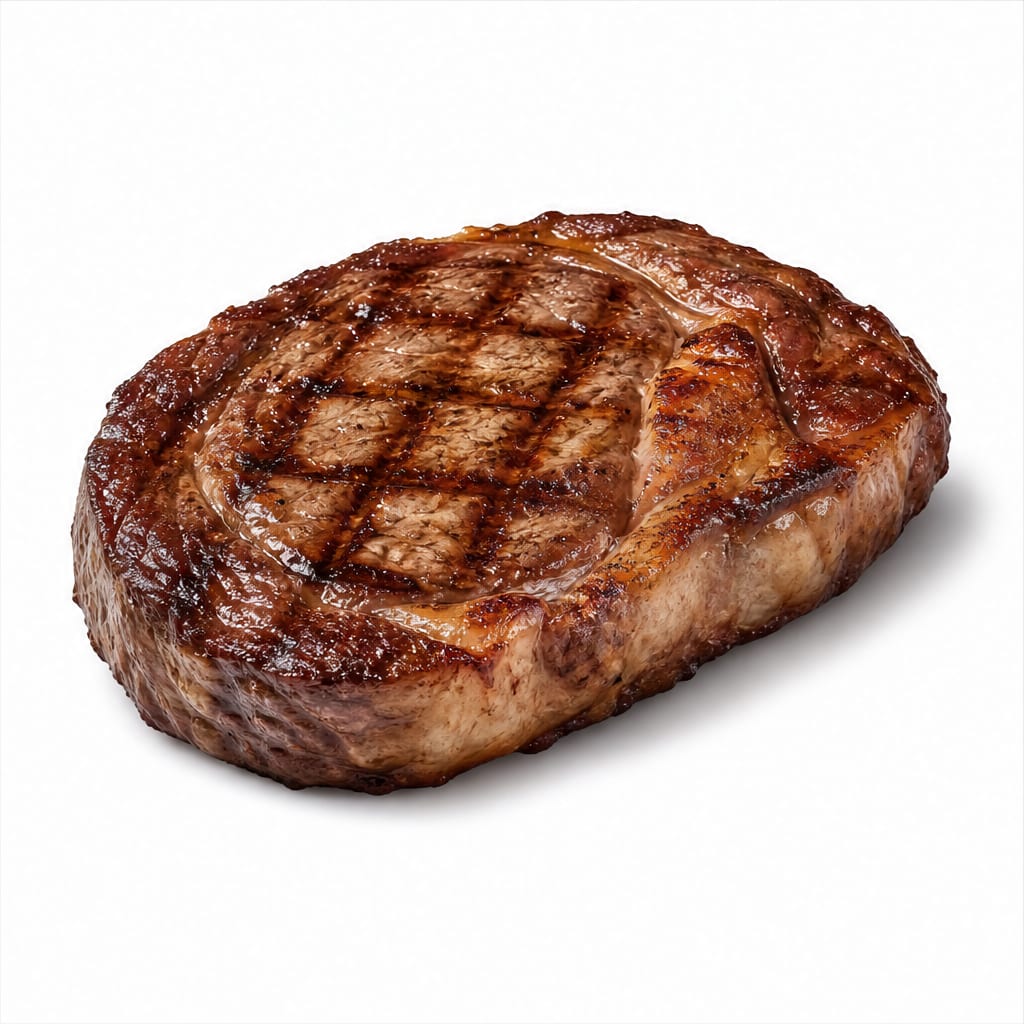
Ribeye Steak
Carpaccio offers lean protein in a light appetizer portion with raw meat risks, while Ribeye delivers a satisfying high-fat main course that fills you up but loads more calories and saturated fat.
Carpaccio scores higher for leanness and calorie control but carries significant raw meat safety deductions. Ribeye scores lower due to high saturated fat and calorie density despite superior satiety and safety from cooking. Neither is an everyday health food.
Light and lean versus rich and filling, with raw safety concerns on one side and heavy saturated fat on the other.
At a glance
Executive summary
Overall
It depends
Healthier
Carpaccio
More practical
Ribeye Steak
Daily use
neither
Key comparison lenses
Raw vs cooked meat safety and nutrition
Carpaccio is served raw while Ribeye is cooked, creating a fundamental safety and digestibility difference that overshadows other factors
Fat and calorie density tradeoff
Ribeye's heavy marbling makes it dramatically more calorie-dense than lean carpaccio, directly impacting weight management and heart health decisions
Portion control and satiety balance
Carpaccio is an appetizer-sized dish while Ribeye is a main course, creating very different eating patterns and fullness outcomes
Protein quality comparison
Both deliver high-quality complete protein but in different quantities and fat contexts, affecting how the protein is utilized
Dining occasion suitability
These foods serve entirely different meal roles - light starter versus hearty main - making context the primary decision driver
Best choice for
Carpaccio
- Light appetizer courses where you want protein without heaviness
- Weight-conscious diners who still want beef flavor
- Elegant dinner parties requiring a refined starter
- Hot weather meals where heavy food feels wrong
Ribeye Steak
- Post-workout meals demanding serious protein and calories
- Cold weather comfort dining where richness satisfies
- Special occasion dinners where indulgence is the point
- Active individuals needing sustained energy from fat and protein
Least suitable for
Carpaccio
- Anyone with compromised immunity due to raw meat risk
- Pregnant women who must avoid uncooked meat
- People wanting a filling main course
- Those uncomfortable with raw animal protein
Ribeye Steak
- Anyone monitoring saturated fat for heart health
- Weight loss diets where calorie density matters
- Light lunch situations where heaviness causes afternoon sluggishness
- People with gallbladder issues who struggle with high-fat meals
Deep comparison
Dimension by dimension
Each lens scores both foods and breaks down who each option suits.
- Dimension 1 · Priority 92Carpaccio
Calorie Density and Weight Management
Carpaccio · 82Ribeye Steak · 35Carpaccio is dramatically lighter, delivering beef protein without the calorie bomb of Ribeye's marbled fat.
Tradeoff
You get fewer calories with Carpaccio but also far less fullness, potentially leading to more eating later.
Why it matters
A typical Carpaccio serving runs 150-250 calories while a Ribeye can easily hit 800-1200 calories, making portion awareness almost automatic with Carpaccio but a real challenge with Ribeye.
Real-world impact
Eating Ribeye regularly makes weight maintenance significantly harder without careful portion control and activity compensation.
Carpaccio
- Calorie-conscious diners
- Weight loss phases
- Multi-course meals where you need room for other dishes
Better for
- Those needing to feel full after eating
- Recovery meals after intense training
Worse for
Ribeye Steak
- Active people needing calorie surplus
- Hard gainers struggling to eat enough
- Wilderness or cold-weather situations demanding calorie density
Better for
- Sedentary evenings where excess calories go unused
- Anyone tracking daily calories closely
Worse for
- Dimension 2 · Priority 88Ribeye Steak
Satiety and Fullness
Carpaccio · 40Ribeye Steak · 88Ribeye's fat content and larger portion size make it genuinely filling, while Carpaccio is more of a teaser.
Tradeoff
That satisfying fullness from Ribeye comes with a heavy calorie price tag that Carpaccio avoids entirely.
Why it matters
Fat slows gastric emptying and triggers satiety hormones, making Ribeye a meal that keeps you full for hours versus Carpaccio which leaves you ready for the next course.
Real-world impact
After Carpaccio you will likely still be hungry. After a full Ribeye, you may feel uncomfortably full if you ate the whole steak.
Carpaccio
- Multi-course dining where you want appetite for later courses
- Light eating occasions where fullness is not the goal
Better for
- Solo dinners where you need one dish to satisfy
- Athletes needing recovery nutrition
Worse for
Ribeye Steak
- One-dish meals where the steak is the entire dinner
- Preventing late-night snacking through genuine fullness
- Physical laborers who need sustained energy
Better for
- Dates or business dinners where food coma hurts your performance
- Evening meals close to bedtime
Worse for
- Dimension 3 · Priority 95Ribeye Steak
Food Safety
Carpaccio · 30Ribeye Steak · 82Cooking Ribeye kills harmful bacteria, while raw Carpaccio always carries some pathogen risk regardless of sourcing quality.
Tradeoff
Carpaccio's delicate texture and fresh flavor come from skipping the kill-step that makes Ribeye safe.
Why it matters
Raw beef can harbor E. coli, Salmonella, Listeria, and parasites. Even excellent sourcing reduces but never eliminates this risk.
Real-world impact
Healthy adults usually handle Carpaccio fine, but one bad experience can mean serious illness. Pregnant women, elderly, and immunocompromised people should avoid it entirely.
Carpaccio
- Situations where you trust the restaurant's sourcing and handling absolutely
Better for
- Travel in regions with questionable food safety standards
- Home preparation without proper cold-chain control
Worse for
Ribeye Steak
- Anyone with weakened immunity
- Pregnant women
- Home cooking where raw preparation skill is uncertain
- Serving guests with unknown health conditions
Better for
- Situations where overcooking creates carcinogenic compounds on the surface
Worse for
- Dimension 4 · Priority 85Carpaccio
Heart Health and Saturated Fat
Carpaccio · 72Ribeye Steak · 30Carpaccio's lean cut keeps saturated fat low, while Ribeye's marbling delivers a substantial saturated fat load.
Tradeoff
Ribeye's fat is what makes it taste incredible and feel satisfying, but it is the same fat that concerns cardiologists.
Why it matters
A single Ribeye can contain 25-40g of saturated fat, exceeding most daily recommended limits. Carpaccio typically has 3-6g per serving.
Real-world impact
Regular Ribeye consumption meaningfully raises LDL cholesterol over time. Carpaccio lets you enjoy beef with a fraction of the cardiovascular baggage.
Carpaccio
- People with family history of heart disease
- Cholesterol management diets
- Regular beef eaters trying to reduce saturated fat exposure
Better for
- Situations where the lean cut feels unsatisfying and leads to compensatory eating
Worse for
Ribeye Steak
- Ketogenic diets where high fat intake is intentional
- Genetic outliers who process saturated fat without LDL impact
Better for
- Anyone with existing cardiovascular risk factors
- Regular consumption patterns beyond occasional indulgence
Worse for
- Dimension 5 · Priority 80Ribeye Steak
Protein Quality and Quantity
Carpaccio · 55Ribeye Steak · 85Both deliver excellent complete protein with high bioavailability, but Ribeye simply provides far more total protein per serving.
Tradeoff
More protein from Ribeye also means far more fat calories packaged with it, while Carpaccio gives cleaner protein but in a smaller dose.
Why it matters
A full Ribeye delivers 60-80g of protein versus Carpaccio's 15-25g, making Ribeye far more relevant for muscle maintenance and growth.
Real-world impact
For active people and older adults fighting muscle loss, Ribeye is the practical choice. Carpaccio's protein is high quality but the portion is too small to move the needle alone.
Carpaccio
- Light protein topping for salads
- Situations where you are getting protein from other courses too
Better for
- Meals where this is your only protein source
- Athletes needing 30-40g protein per sitting
Worse for
Ribeye Steak
- Post-workout recovery
- Older adults needing meaningful protein per meal
- One-dish meals that must deliver a full protein serving
Better for
- Protein-focused eating with minimal fat goals
Worse for
- Dimension 6 · Priority 70It depends
Nutrient Density Beyond Macros
Carpaccio · 68Ribeye Steak · 65Both provide iron, B12, zinc, and selenium. Carpaccio retains more heat-sensitive nutrients, while Ribeye's fat carries fat-soluble vitamins.
Tradeoff
Raw preparation preserves some nutrients that cooking degrades, but Ribeye's fat content adds vitamins A, D, E, and K that lean Carpaccio lacks.
Why it matters
B vitamins and vitamin C are heat-sensitive, giving raw preparations a slight edge. But fat-soluble vitamins need dietary fat for absorption, giving Ribeye an advantage there.
Real-world impact
The difference is modest and unlikely to matter unless beef is your primary nutrient source. Both are solid contributors to micronutrient intake.
Carpaccio
- Maximizing B-vitamin retention
- Preserving heat-sensitive compounds
Better for
- Situations where the small portion limits total micronutrient delivery
Worse for
Ribeye Steak
- Fat-soluble vitamin absorption
- Overall mineral intake from larger portion
Better for
- Nutrient density per calorie where the fat calories dilute the ratio
Worse for
Timeline
Health impact over time
Short-term
Hours to days
Carpaccio
- Light energy without post-meal sluggishness
- Minimal digestive heaviness
- Small risk of foodborne illness within 24-72 hours if contamination present
- Unlikely to cause the food coma common with heavy meat meals
Ribeye Steak
- Strong satiety lasting 4-6 hours
- Possible digestive discomfort from high fat load, especially if unaccustomed
- Post-meal drowsiness from heavy protein and fat digestion demands
- Warming and energizing in cold weather
Long-term
Months to years
Carpaccio
- Lower cumulative saturated fat exposure supports cardiovascular health
- Repeated raw meat consumption slightly elevates lifetime foodborne illness risk
- Lean protein pattern supports weight maintenance
- Minimal contribution to cholesterol concerns
Ribeye Steak
- Regular consumption raises LDL cholesterol and cardiovascular risk meaningfully
- High saturated fat intake may increase inflammation markers over time
- Generous protein supports muscle preservation with aging
- Calorie density makes weight gain likely if eaten frequently without portion control
Risk profile
Safety & processing
Both are whole foods with minimal processing. Carpaccio is sliced raw beef with simple seasonings like olive oil, lemon, and salt. Ribeye is cooked beef with typical seasonings. Neither contains artificial additives unless restaurant preparations include them. The main difference is cooking method, not processing level.
Carpaccio
Pathogenic bacteria from raw beef
highE. coli, Salmonella, and Listeria can survive on raw beef surfaces. Even high-quality sourcing cannot guarantee absence. Proper cold-chain handling and very fresh preparation reduce but do not eliminate risk.
Parasitic infection
mediumBeef tapeworm and Toxoplasma are possible in raw beef, though less common than bacterial contamination. Freezing before preparation reduces this risk significantly.
Cross-contamination in preparation
mediumRestaurant preparation involves multiple contact surfaces and tools. Any breakdown in hygiene protocol can introduce pathogens beyond what existed on the original meat.
Ribeye Steak
Heterocyclic amines from high-heat cooking
mediumCharring or high-heat searing creates HCAs and PAHs, compounds linked to cancer risk. Moderate cooking temperatures and avoiding heavy charring reduce this substantially.
Undercooking at lower doneness levels
lowRare to medium-rare Ribeye carries minimal bacterial risk since surface bacteria are killed by searing, unlike ground beef. Interior remains relatively safe at lower temperatures.
Who wins for whom
Audience fit
Same foods, different winners depending on your goal.
children
Ribeye SteakChildren should never eat raw meat due to immature immune systems. Cooked Ribeye is safer and provides growing bodies with protein, iron, and B12.
daily consumption
It dependsNeither red meat option is ideal for daily consumption. If forced to choose, small Carpaccio portions create less cardiovascular strain, but both should be limited to a few times per week maximum.
diabetes
CarpaccioBoth are low-carb and will not spike blood sugar, but Carpaccio's lower saturated fat content is better for the cardiovascular risks that accompany diabetes.
elderly
Ribeye SteakOlder adults face higher foodborne illness severity and need cooked foods. Ribeye's protein helps prevent sarcopenia, though portion control matters for saturated fat.
muscle gain
Ribeye SteakRibeye delivers substantially more total protein and calories needed for muscle building, though the fat content means it is not the cleanest bulk choice.
weight loss
CarpaccioCarpaccio's low calorie density and small portion make it far easier to fit into a calorie deficit while still enjoying beef flavor.
Your move
Decision guide
Choose Carpaccio
- You want beef flavor without the heavy calorie commitment
- You are dining at a high-end restaurant with trusted sourcing
- You are planning a multi-course meal and need a light starter
- You are monitoring saturated fat but still want to enjoy red meat
- You are eating in hot weather and rich food sounds unappealing
Choose Ribeye Steak
- You need a filling main course that stands alone
- You are very active and need serious calorie and protein intake
- It is a special occasion where indulgence is appropriate
- You are eating in cold weather and want something warming and satisfying
- You have no cardiovascular concerns and want the richest beef experience
Either works if
- You simply want high-quality beef protein and both are available
- You are eating red meat occasionally and either fits the meal context
- Neither choice will make or break your health in isolation
Avoid both if
- You have gout and need to limit purine intake
- You are strictly limiting red meat for cardiovascular or cancer risk reduction
- You have alpha-gal syndrome or beef allergy
- You follow a plant-based diet for ethical or health reasons
Final recommendation
Let the occasion decide. Carpaccio for light, elegant starters where leanness matters. Ribeye for hearty, satisfying mains where nothing else will do. Neither belongs on your plate daily, but both can be enjoyed intelligently when you match the food to the moment and your health context.
Practical
Consumer tips
- 1
If ordering Carpaccio, choose restaurants with high turnover and excellent hygiene ratings to minimize raw meat risk
- 2
Ask your server about the beef source for Carpaccio - reputable restaurants are proud of their sourcing and happy to discuss it
- 3
For Ribeye, request moderate cooking rather than heavy charring to reduce carcinogenic compound formation
- 4
Share a Ribeye with someone to get the flavor experience at half the calorie and saturated fat cost
- 5
Pair Carpaccio with a side salad to add fiber and make it more filling without many extra calories
- 6
If making Carpaccio at home, freeze the beef for at least 24 hours first to kill most parasites, and use it immediately after slicing
- 7
Consider Ribeye as an occasional treat rather than a weekly staple to keep saturated fat intake in check
- 8
Balance a Ribeye dinner with lighter eating for the rest of the day since one steak can exceed half your daily calories