
Nutrition comparison
Carpaccio vs Bresaola: Which Cured or Raw Beef Is Healthier?
Compare Carpaccio and Bresaola nutrition, safety, sodium, and protein. Find out which lean Italian beef preparation is better for your health goals.
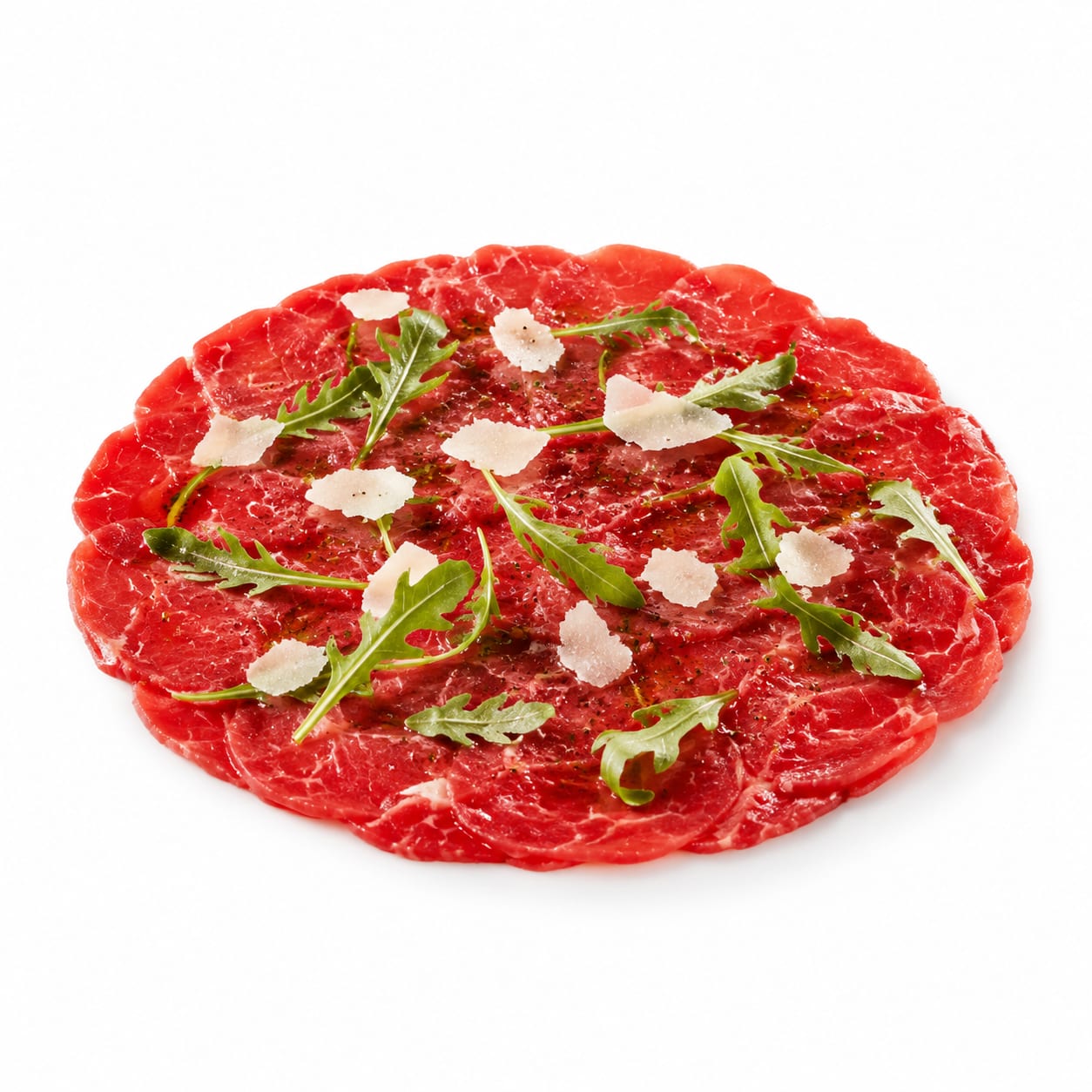
Carpaccio
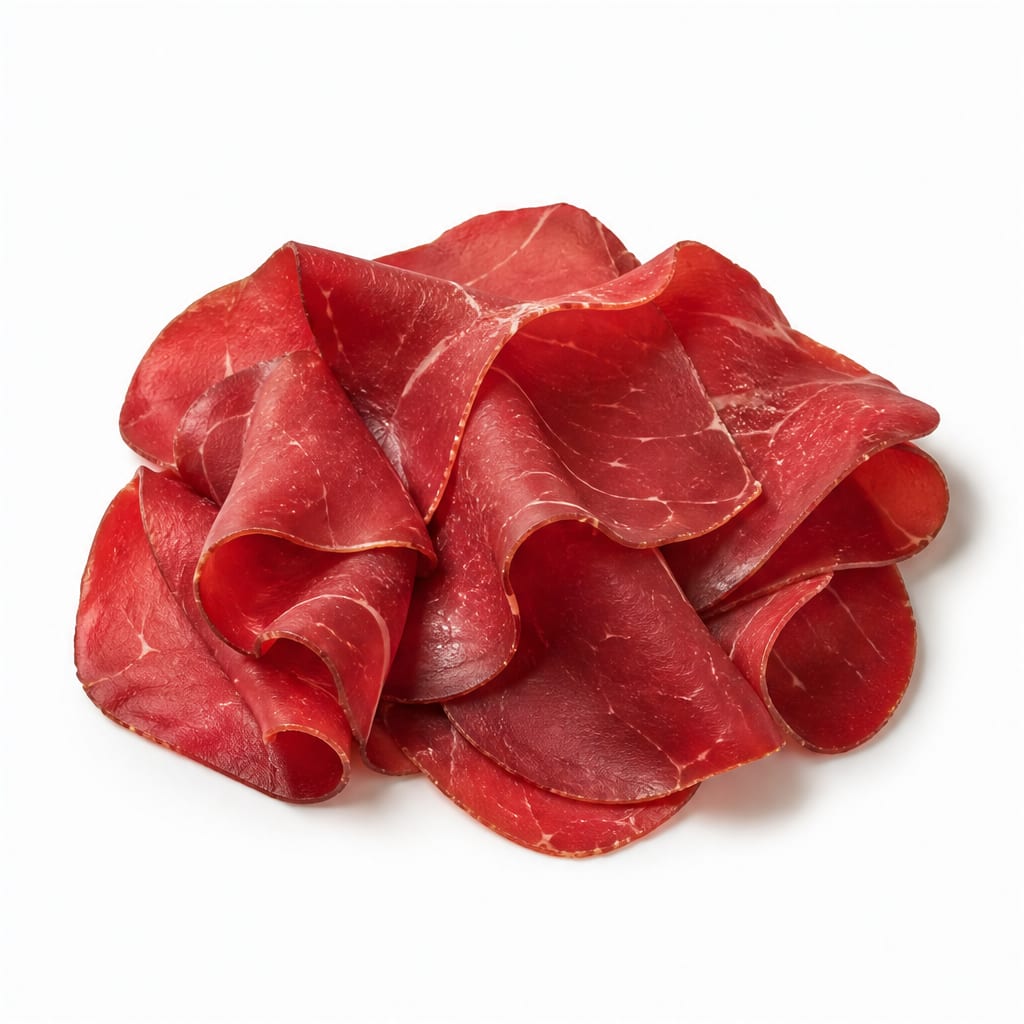
Bresaola
Bresaola wins on safety and convenience; Carpaccio wins on lower sodium and minimal processing. Your priority determines the winner.
Bresaola scores moderately higher due to significantly better food safety and shelf stability, which matter daily. Carpaccio's lower sodium is valuable but its raw-meat risk narrows the gap. Neither is a clear dominant choice.
Raw freshness and low sodium versus cured stability and food safety — you trade salt for security.
At a glance
Executive summary
Overall
It depends
Healthier
It depends
More practical
Bresaola
Daily use
Bresaola
Key comparison lenses
raw vs cured meat safety tradeoff
Carpaccio is raw beef while Bresaola is air-dried and cured, creating a fundamental safety and processing difference that drives most consumer decisions
sodium and blood pressure impact
Bresaola's curing process adds significant salt, making sodium the most consequential nutritional difference between these two
protein quality and leanness comparison
Both are lean beef preparations popular in similar dining contexts, so protein density and fat content matter for health-conscious diners
convenience and shelf stability
Bresaola keeps for weeks while Carpaccio must be consumed immediately, affecting practical usability
preservative and processing concerns
Curing introduces sodium and potentially nitrates, while raw preparation avoids additives but carries microbial risk
Best choice for
Carpaccio
- Sodium-sensitive individuals watching blood pressure
- Those seeking the most minimally processed meat option
- Diners who trust their source and want pure beef flavor without curing
- People avoiding preserved or cured meats entirely
Bresaola
- Anyone concerned about raw meat food safety
- Meal preppers wanting lean protein that keeps in the fridge
- Home entertainers who want a ready-to-serve antipasto
- Those who prefer a more concentrated protein per ounce
Least suitable for
Carpaccio
- Pregnant women due to raw meat risks
- Anyone with compromised immunity
- People uncomfortable sourcing high-quality raw beef
- Those who need make-ahead meal options
Bresaola
- People on strict low-sodium diets
- Those avoiding all cured or preserved meats
- Individuals sensitive to salt-induced bloating
- Anyone concerned about nitrate exposure from curing
Deep comparison
Dimension by dimension
Each lens scores both foods and breaks down who each option suits.
- Dimension 1 · Priority 95Bresaola
Food Safety
Carpaccio · 40Bresaola · 85Carpaccio's raw state carries real bacterial and parasitic risk; Bresaola's curing and drying process eliminates most pathogens.
Tradeoff
You gain safety with Bresaola but accept the sodium that makes that safety possible.
Why it matters
Raw beef can harbor E. coli, Salmonella, and parasites. Even quality sourcing reduces but doesn't eliminate this risk.
Real-world impact
A compromised immune system or pregnancy makes Carpaccio a genuinely risky choice, while Bresaola is broadly safe.
Carpaccio
- Diners with access to trusted, same-day butcher-sourced beef
Better for
- Warm weather outdoor dining where cold chain is uncertain
Worse for
Bresaola
- Pregnant women
- Elderly diners
- Anyone with weakened immunity
- People uncomfortable assessing raw meat quality
Better for
- Situations where sodium intake must stay minimal
Worse for
- Dimension 2 · Priority 88Carpaccio
Sodium Load
Carpaccio · 85Bresaola · 30Carpaccio has naturally low sodium; Bresaola's curing process packs in salt, often exceeding 1000mg per 100g.
Tradeoff
The salt that preserves Bresaola and makes it safe also makes it a high-sodium food that can spike blood pressure.
Why it matters
Consistent high sodium intake raises blood pressure and strains cardiovascular health over time.
Real-world impact
Eating Bresaola regularly can easily push daily sodium past recommended limits, especially alongside other cured meats or cheese.
Carpaccio
- Hypertensive individuals
- Anyone tracking daily sodium under 1500mg
- People prone to salt-related bloating
Better for
- Those who want seasoned flavor without adding dressing
Worse for
Bresaola
- Athletes losing significant sodium through sweat who need repletion
Better for
- People eating multiple cured meats in one meal
- Anyone already near their daily sodium limit
Worse for
- Dimension 3 · Priority 75Bresaola
Protein Density
Carpaccio · 65Bresaola · 88Bresaola's water loss during curing concentrates protein to roughly 33g per 100g versus Carpaccio's 20-22g.
Tradeoff
More protein per bite with Bresaola, but each bite also delivers more sodium per gram of protein.
Why it matters
Higher protein density means smaller portions satisfy protein needs, useful for controlled meal planning.
Real-world impact
A 50g portion of Bresaola delivers about 16g protein — a meaningful snack — while Carpaccio gives roughly 10-11g.
Carpaccio
- Those who prefer larger portions with moderate protein
Better for
- People wanting maximum protein per ounce
Worse for
Bresaola
- Athletes needing efficient protein intake
- Anyone managing portion sizes while hitting protein targets
Better for
- Those who find concentrated cured meat too intense in large amounts
Worse for
- Dimension 4 · Priority 65Carpaccio
Processing and Additives
Carpaccio · 90Bresaola · 55Carpaccio is simply sliced raw beef with no additives; Bresaola requires salt, possibly nitrates, and weeks of controlled drying.
Tradeoff
Less processing means fewer concerns about preservatives, but it also means no protective cure and zero shelf life.
Why it matters
Minimally processed foods generally carry lower long-term health risks and fewer unknowns.
Real-world impact
If you avoid cured meats on principle, Carpaccio is the cleaner choice — provided you trust the source.
Carpaccio
- Clean-eating advocates
- People avoiding nitrates and nitrites
- Those who value ingredient simplicity
Better for
- Situations requiring advance preparation
Worse for
Bresaola
- Anyone who prioritizes food safety over minimal processing
Better for
- People concerned about WHO classifications of cured meats
Worse for
- Dimension 5 · Priority 70Bresaola
Convenience and Shelf Life
Carpaccio · 25Bresaola · 90Bresaola keeps for weeks refrigerated and is ready to serve; Carpaccio must be eaten within hours of slicing.
Tradeoff
Convenience comes from curing — the same process that adds sodium and classifies Bresaola as processed meat.
Why it matters
A protein source you can stock is one you'll actually use. Perishability leads to waste or avoidance.
Real-world impact
You can keep Bresaola in the fridge for quick lunches all week. Carpaccio demands a same-day butcher run.
Carpaccio
- Special occasion dining where freshness is the entire point
Better for
- Meal preppers
- Anyone living far from a quality butcher
Worse for
Bresaola
- Busy professionals needing quick protein
- Home hosts preparing antipasto platters
- Anyone who grocery shops less than twice a week
Better for
- Those who associate long shelf life with unhealthy food
Worse for
- Dimension 6 · Priority 60Bresaola
Fat Content and Leanness
Carpaccio · 70Bresaola · 82Both are lean, but Bresaola is exceptionally low in fat — around 2g per 100g — while Carpaccio varies more with the cut used.
Tradeoff
Bresaola's near-zero fat makes it very lean but also less satiating and less flavorful without olive oil dressing.
Why it matters
Lower fat supports calorie control but can leave you hungry sooner if eaten alone.
Real-world impact
Bresaola feels lighter and drier; Carpaccio has a silkier mouthfeel from its natural fat and raw state.
Carpaccio
- Those who enjoy richer mouthfeel without added fat
Better for
- Those wanting the leanest possible option
Worse for
Bresaola
- Strict calorie counters
- People on low-fat protocols
Better for
- Diners who find very lean meat too dry without dressing
Worse for
Timeline
Health impact over time
Short-term
Hours to days
Carpaccio
- Risk of foodborne illness if beef is not impeccably sourced and kept cold
- Very light on the stomach due to minimal fat and no salt load
- Unlikely to cause bloating or thirst after eating
Bresaola
- May cause noticeable thirst and water retention from high sodium
- Very easy to digest due to the drying and curing process
- Quick steady protein without any raw-meat anxiety
Long-term
Months to years
Carpaccio
- Repeated consumption of raw meat increases cumulative exposure to foodborne pathogens
- Low sodium intake supports healthier blood pressure over time
- Minimal processing means fewer concerns about preservative-related health risks
Bresaola
- Regular high sodium intake can contribute to hypertension and cardiovascular strain
- Cured meat consumption has been associated with increased colorectal cancer risk in large studies
- Consistent lean protein intake supports muscle maintenance and satiety
Risk profile
Safety & processing
Carpaccio is about as close to unprocessed beef as you can get — sliced and served raw. Bresaola is a traditional cured meat made with salt and time, and sometimes nitrates. The processing is what makes Bresaola safe and shelf-stable, but it moves the product into a different category with different health considerations.
Carpaccio
Bacterial contamination (E. coli, Salmonella, Listeria)
highRaw beef surfaces can harbor dangerous bacteria. Even high-quality butchers cannot guarantee absence without cooking or curing.
Parasitic infection (Toxoplasma, tapeworm)
mediumLess common in modern supply chains but possible, especially with non-frozen beef. Freezing before preparation reduces this risk significantly.
Temperature abuse during transport or storage
mediumCarpaccio must be kept consistently cold. Any break in the cold chain multiplies bacterial risk rapidly.
Bresaola
High sodium intake
mediumCuring salt can push a single serving above 500mg sodium. Regular consumption compounds cardiovascular risk.
Nitrate/nitrite exposure
lowTraditional bresaola uses mainly salt, but some producers add nitrates for color and preservation. Check labels if this concerns you.
Histamine sensitivity
lowAged and cured meats accumulate histamine, which can trigger reactions in sensitive individuals.
Who wins for whom
Audience fit
Same foods, different winners depending on your goal.
children
BresaolaRaw meat is too risky for developing immune systems. Bresaola's cured nature makes it safer, though portion size should be small due to sodium.
daily consumption
BresaolaShelf stability, food safety, and protein density make Bresaola more practical for regular use — as long as sodium stays in check.
diabetes
CarpaccioBoth are essentially zero-carb, but Carpaccio's lack of sodium helps avoid the blood pressure complications that often accompany diabetes.
elderly
BresaolaOlder adults face higher risk from foodborne illness, making raw beef inappropriate. Bresaola is safer, though sodium should be monitored.
muscle gain
BresaolaMore concentrated protein per gram makes it easier to hit daily targets without large portions.
weight loss
BresaolaBresaola's higher protein density and lower fat per serving make it more satiating per calorie, though sodium may cause temporary water retention.
Your move
Decision guide
Choose Carpaccio
- You have a trusted butcher and plan to eat it immediately
- You're sodium-sensitive or managing hypertension
- You want the purest, least-processed beef experience
- You're serving it as a special-occasion starter with full control over sourcing
Choose Bresaola
- You want lean protein you can keep in the fridge all week
- Food safety is a priority for you or your guests
- You're meal-prepping or building antipasto boards
- You need concentrated protein without cooking
Either works if
- You want a light, elegant starter with similar flavor profiles
- You're comfortable with both raw and cured meats in moderation
- Neither is a staple — you're choosing for a single meal
Avoid both if
- You're vegetarian or avoiding red meat entirely
- You have gout and need to limit purine-rich foods
- You're strictly limiting all red meat for cardiovascular reasons
Final recommendation
For most people, Bresaola is the more practical and safer everyday choice — just watch portion sizes to manage sodium. Save Carpaccio for occasions when you trust the source completely and can eat it fresh. Both are excellent lean proteins, but the raw-versus-cured distinction should drive your decision more than minor nutritional differences.
Practical
Consumer tips
- 1
Ask your butcher to freeze beef for at least 48 hours before making Carpaccio at home — this kills most parasites
- 2
Rinse Bresaola briefly under water to remove surface salt if sodium is a concern
- 3
Pair Bresaola with potassium-rich foods like arugula or tomatoes to help balance sodium intake
- 4
Never eat Carpaccio that has been sitting at room temperature for more than 30 minutes
- 5
Check Bresaola labels for added nitrates if you want the most traditional version — many quality producers skip them
- 6
Drizzle both with olive oil and lemon — the vitamin C helps with iron absorption from the beef