
Nutrition comparison
Carpaccio vs Salami: Which Is Healthier and What Are the Real Tradeoffs?
Carpaccio beats salami on nearly every health metric — less sodium, no nitrates, lower cancer risk. But salami wins on convenience and food safety. Full comparison inside.
Overall winner · Carpaccio
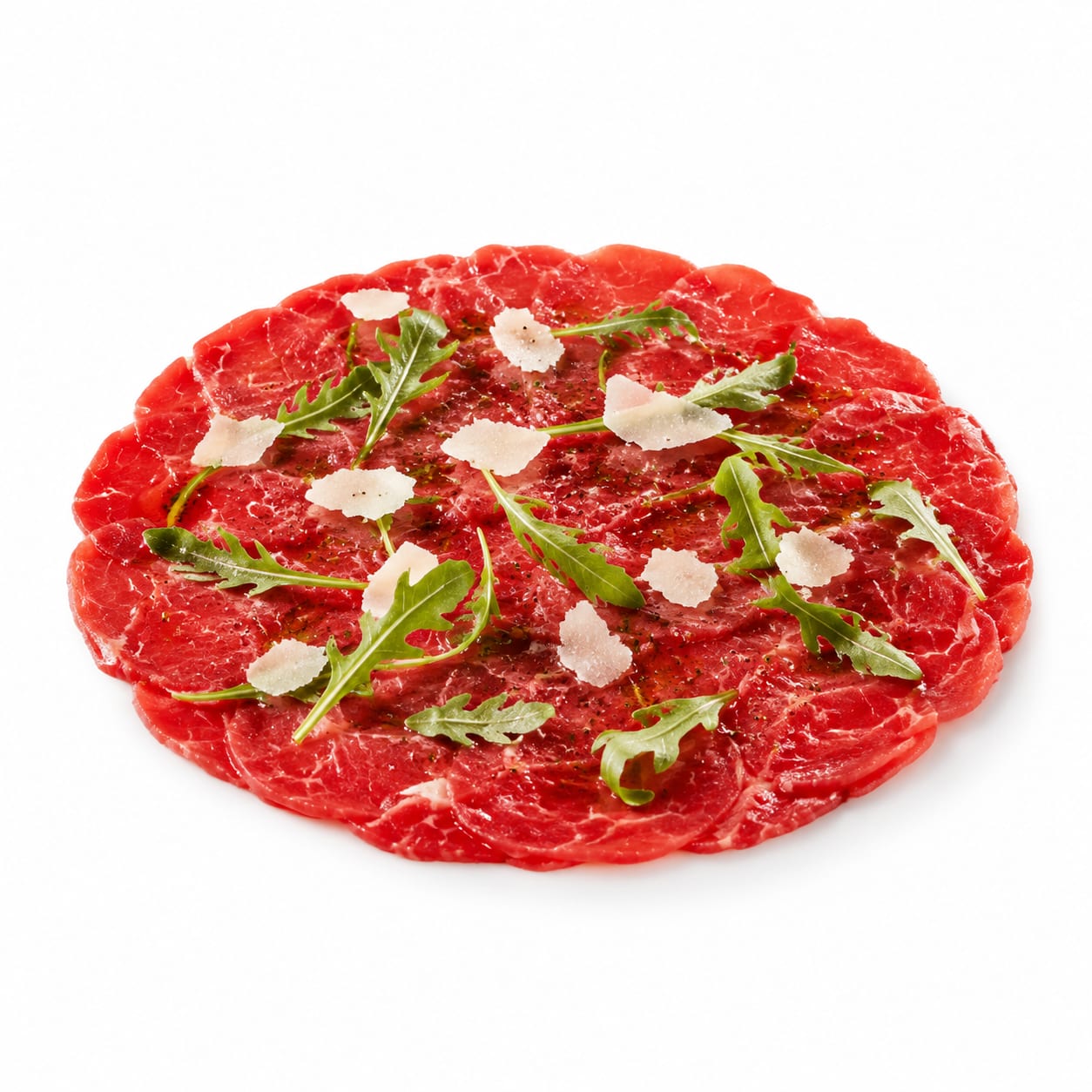
Carpaccio
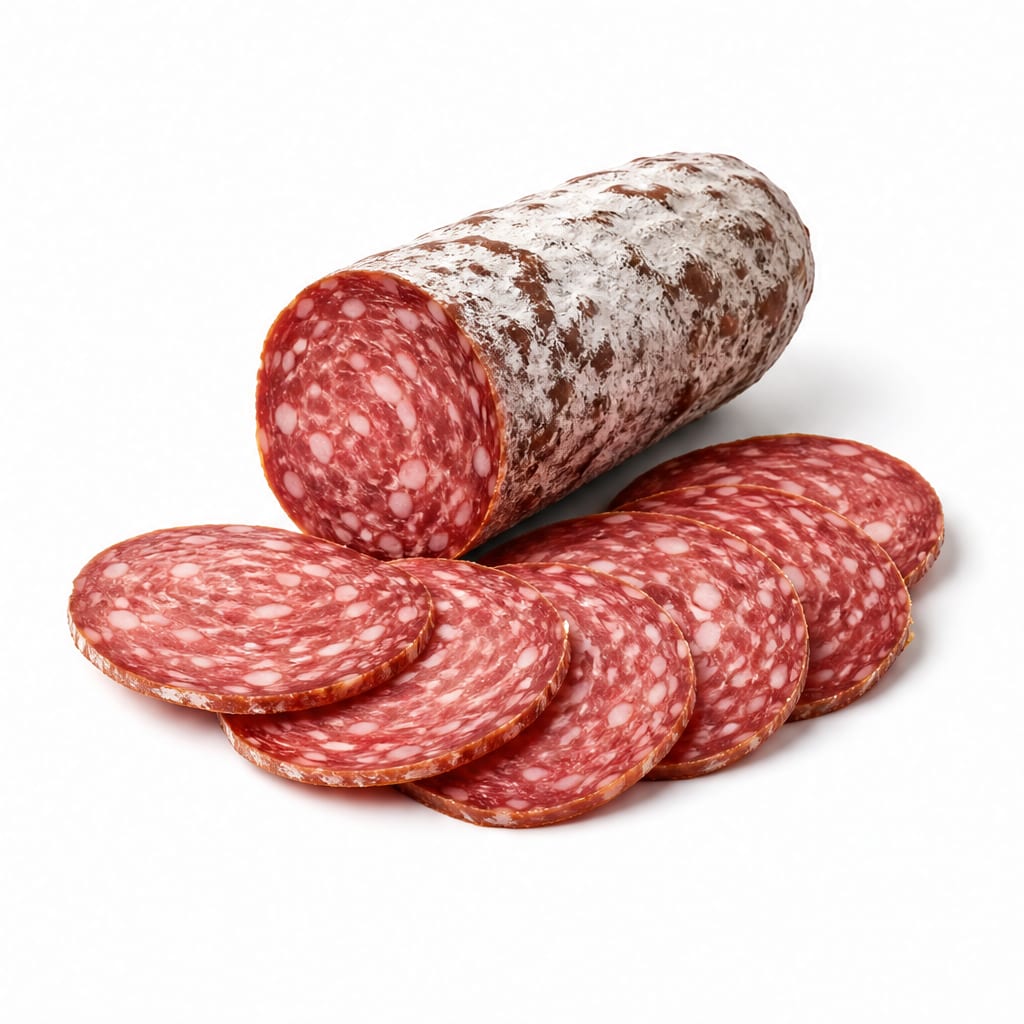
Salami
Carpaccio wins on health nearly every dimension — less processed, far less sodium, no nitrates, lower cancer risk. Salami's only real advantages are shelf stability and convenience.
Carpaccio scores substantially higher due to minimal processing, low sodium, and absence of preservatives. Salami's processed meat classification and extreme sodium content significantly drag down its score despite convenience advantages.
You trade food safety confidence and convenience for dramatically better nutritional quality and lower long-term health risk.
At a glance
Executive summary
Overall
Carpaccio
Healthier
Carpaccio
More practical
Salami
Daily use
Carpaccio
Key comparison lenses
processing level and naturalness
Carpaccio is raw fresh meat with minimal intervention while salami is fermented, cured, and preserved with additives — the single biggest differentiator
cancer risk from processed meat
Salami falls under WHO Group 1 carcinogenic processed meats; carpaccio does not carry this classification
sodium and blood pressure impact
Salami is extremely sodium-dense due to curing; carpaccio is seasoned lightly with far less salt
food safety raw vs preserved
Carpaccio carries raw meat contamination risk while salami's curing process kills most pathogens — a legitimate safety tradeoff
convenience and shelf stability
Salami stores for weeks and travels well; carpaccio must be consumed fresh within a day
Best choice for
Carpaccio
- People prioritizing long-term health and clean eating
- Those monitoring blood pressure or sodium intake
- Anyone avoiding processed meats and nitrates
- Mediterranean-style diet followers
Salami
- Backpacking, travel, or situations needing shelf-stable protein
- Charcuterie boards and social entertaining
- Those who want preserved meat without refrigeration
Least suitable for
Carpaccio
- Immunocompromised individuals wary of raw meat
- Pregnant women who should avoid raw animal products
- Anyone needing portable, non-perishable protein
Salami
- People with hypertension or sodium sensitivity
- Those reducing processed meat intake for cancer prevention
- Anyone following a low-sodium or clean-eating approach
Deep comparison
Dimension by dimension
Each lens scores both foods and breaks down who each option suits.
- Dimension 1 · Priority 95Carpaccio
Processing and Naturalness
Carpaccio · 92Salami · 25Carpaccio is raw beef with olive oil and seasoning — as close to unprocessed as meat gets. Salami undergoes fermentation, curing, drying, and additive preservation.
Tradeoff
Carpaccio's purity comes with perishability; salami's processing is what makes it shelf-stable for weeks.
Why it matters
Less processing generally means fewer compounds your body has to detoxify and lower cumulative health risk over years of consumption.
Real-world impact
Eating carpaccio feels like eating food. Eating salami means eating a product designed to survive without refrigeration — that durability comes at a biological cost.
Carpaccio
- Clean-eating advocates
- People avoiding ultra-processed foods
Better for
- Anyone needing long shelf life
Worse for
Salami
- Emergency food supplies
- Situations with no refrigeration
Better for
- Minimally-processed diet followers
Worse for
- Dimension 2 · Priority 88Carpaccio
Sodium Load
Carpaccio · 80Salami · 15Salami packs roughly 1,700-2,000mg sodium per 100g — nearly your entire daily limit. Carpaccio's light seasoning keeps sodium under 200mg for the same portion.
Tradeoff
Salt is what preserves salami and develops its flavor. Without it, you don't get salami. But you also don't get the blood pressure spike.
Why it matters
High sodium intake is the leading dietary risk factor for hypertension, stroke, and heart disease worldwide.
Real-world impact
A few slices of salami at a party can silently deliver half your daily sodium. Carpaccio lets you enjoy cured meat flavor without that hidden load.
Carpaccio
- Hypertension patients
- Sodium-sensitive individuals
- Anyone tracking salt intake
Better for
- No significant downside here
Worse for
Salami
- Endurance athletes needing electrolytes post-sweat
Better for
- Anyone with high blood pressure
- Kidney disease patients
- Older adults
Worse for
- Dimension 3 · Priority 90Carpaccio
Cancer Risk and Preservatives
Carpaccio · 85Salami · 20Salami contains nitrates, nitrites, and sometimes sodium nitrite preservatives — all linked to colorectal cancer. WHO classifies processed meats as Group 1 carcinogens. Carpaccio has none of these additives.
Tradeoff
Nitrates prevent botulism and give salami its pink color. They also form nitrosamines in your gut, which damage DNA.
Why it matters
Even modest regular processed meat consumption (50g/day) increases colorectal cancer risk by 18% according to WHO data.
Real-world impact
Eating salami daily is a quantifiably different cancer risk than eating carpaccio daily. This is not theoretical — it is the most well-established diet-cancer link we have.
Carpaccio
- Anyone reducing cancer risk
- Family history of colorectal cancer
Better for
- No preservative-related risk
Worse for
Salami
- No health context favors nitrite exposure
Better for
- Long-term regular consumers
- Anyone with family cancer history
Worse for
- Dimension 4 · Priority 80Salami
Food Safety
Carpaccio · 45Salami · 82Carpaccio is raw meat — it carries real risk of bacterial contamination including E. coli, Salmonella, and Listeria. Salami's curing and fermentation process kills or inhibits most pathogens.
Tradeoff
The same preservation that makes salami carcinogenic also makes it safer from immediate food poisoning. Carpaccio's freshness is its safety weakness.
Why it matters
Pregnant women, elderly, and immunocompromised people should genuinely avoid raw meat. Foodborne illness is not rare.
Real-world impact
A badly handled carpaccio can land you in the hospital within 24 hours. Salami almost never causes acute illness even after weeks unrefrigerated.
Carpaccio
- Healthy adults eating at reputable restaurants
Better for
- Pregnant women
- Elderly
- Anyone with weakened immunity
Worse for
Salami
- Pregnant women
- Immunocompromised individuals
- Travel in areas with questionable food safety
Better for
- No acute safety concern
Worse for
- Dimension 5 · Priority 65Carpaccio
Protein Quality and Satiety
Carpaccio · 82Salami · 70Both deliver high-quality complete protein, but carpaccio's protein is less denatured and comes with less fat. Salami's higher fat content adds calories that don't increase satiety proportionally.
Tradeoff
Salami is more calorie-dense per gram of protein, making it easier to overconsume energy without feeling more full.
Why it matters
Protein that comes with less fat and fewer calories supports body composition goals more efficiently.
Real-world impact
You get more protein per calorie from carpaccio, making it easier to hit protein targets without overshooting your energy budget.
Carpaccio
- Lean muscle seekers
- Calorie-conscious eaters
Better for
- Those wanting calorie-dense fuel
Worse for
Salami
- Those needing calorie density
- Hikers burning high energy
Better for
- Anyone cutting calories
Worse for
- Dimension 6 · Priority 70Salami
Convenience and Shelf Life
Carpaccio · 20Salami · 90Salami lasts weeks refrigerated and days unrefrigerated. Carpaccio must be consumed the day it's sliced and requires constant refrigeration.
Tradeoff
Convenience is salami's strongest argument. If you need portable protein, nothing about carpaccio helps you.
Why it matters
Real-world eating decisions are often driven by logistics, not nutrition. A food you can't store or transport has limited practical utility.
Real-world impact
Salami goes in a lunchbox, backpack, or charcuterie board without a thought. Carpaccio requires planning, refrigeration, and immediate consumption.
Carpaccio
- Planned restaurant meals
- Home dining with same-day prep
Better for
- Busy professionals
- Anyone needing grab-and-go options
Worse for
Salami
- Meal prep and packing
- Travel and outdoor activities
- Last-minute entertaining
Better for
- No convenience downside
Worse for
- Dimension 7 · Priority 72Carpaccio
Inflammatory Potential
Carpaccio · 75Salami · 30Processed meats like salami are consistently associated with higher inflammatory markers in research. Carpaccio, as fresh unprocessed meat, does not carry this association.
Tradeoff
The combination of sodium, nitrites, oxidized fats, and advanced glycation end products in salami creates a multi-pathway inflammatory burden.
Why it matters
Chronic low-grade inflammation underlies heart disease, diabetes, and accelerated aging.
Real-world impact
Regular salami consumption contributes to the background inflammation that slowly damages blood vessels and joints over decades.
Carpaccio
- People with autoimmune conditions
- Those managing chronic inflammation
Better for
- No significant inflammatory concern
Worse for
Salami
- No inflammatory context favors salami
Better for
- Arthritis sufferers
- Cardiovascular disease patients
Worse for
Timeline
Health impact over time
Short-term
Hours to days
Carpaccio
- Light, clean eating experience without bloating
- Minimal sodium means no thirst or water retention
- Raw meat risk if handling or sourcing is poor
Salami
- High sodium causes immediate thirst and water retention
- Dense and salty — easy to overeat before feeling full
- Very low acute food poisoning risk due to curing
Long-term
Months to years
Carpaccio
- Lower cumulative cancer risk compared to processed meats
- Better blood pressure trajectory with minimal sodium
- Requires consistent food safety practices to avoid parasitic infection
Salami
- Regular consumption increases colorectal cancer risk meaningfully
- Contributes to sustained elevated blood pressure over years
- Chronic inflammatory load from processed meat compounds
Risk profile
Safety & processing
Carpaccio is sliced raw beef with seasoning — essentially one step from the animal. Salami undergoes grinding, salting, fermenting, curing with nitrates, and drying. The additive gap is enormous: carpaccio has essentially none; salami contains sodium nitrite, potentially sodium erythorbate, dextrose, and starter cultures. This is the core health difference between the two.
Carpaccio
Bacterial contamination (E. coli, Salmonella, Listeria)
highRaw beef carries inherent pathogen risk. Sourcing from reputable suppliers and same-day consumption are essential. Restaurant preparation is generally safer than home preparation.
Parasitic infection (Toxoplasma, Tapeworm)
mediumFreezing meat before raw consumption kills most parasites. Quality restaurants follow this protocol; home cooks often skip it.
Salami
Nitrosamine formation during digestion
highNitrites in salami combine with amino acids in your stomach to form nitrosamines, which are directly DNA-damaging and carcinogenic.
Listeria in contaminated batches
lowWhile curing inhibits most bacteria, Listeria can survive some curing conditions. Recalls of contaminated salami occur periodically.
Who wins for whom
Audience fit
Same foods, different winners depending on your goal.
children
SalamiRaw meat is too risky for developing immune systems. Salami's curing eliminates acute pathogen risk, though portion size should be small due to sodium.
daily consumption
CarpaccioDaily salami consumption is strongly discouraged due to processed meat cancer risk. Carpaccio, when safely sourced, can be consumed more regularly without the same cumulative risk.
diabetes
CarpaccioBoth are low-carb, but carpaccio's lack of sodium-driven insulin resistance and inflammatory load makes it the better metabolic choice.
elderly
SalamiWeakened immunity makes raw meat genuinely dangerous for older adults. Salami's preservation makes it safer from an acute illness perspective, despite long-term health tradeoffs.
muscle gain
CarpaccioHigher protein density per calorie and less processed fat content support lean muscle growth more efficiently.
weight loss
CarpaccioCarpaccio delivers more protein per calorie with far less sodium, making it easier to stay within calorie and bloating limits while feeling satisfied.
Your move
Decision guide
Choose Carpaccio
- You have access to high-quality, fresh beef from trusted sources
- You are a healthy adult who values clean eating and minimal processing
- You want to enjoy meat flavor without the sodium crash or nitrite exposure
- You are watching blood pressure or reducing processed food intake
Choose Salami
- You need shelf-stable protein for travel, hiking, or emergency kits
- You are building a charcuterie board for entertaining
- You are immunocompromised or pregnant and cannot risk raw meat
- You eat cured meats only occasionally and want the convenience
Either works if
- You are eating a small portion as an appetizer a few times per month
- You pair it with vegetables and fiber to buffer the meal's overall impact
Avoid both if
- You have gout — both are high-purine foods that can trigger flares
- You are on a strict low-sodium diet and cannot accommodate either's salt content
- You follow a plant-based or vegetarian diet
Final recommendation
For most health-conscious adults, carpaccio is the clearly better choice when available from a trusted source. You get the satisfaction of meat with minimal processing, low sodium, and no nitrite exposure. Reserve salami for occasional convenience situations — a charcuterie night, a hiking trip, or travel — not as a regular protein source. The cancer risk from habitual processed meat consumption is real and well-established, while carpaccio's raw meat risk is manageable with proper sourcing.
Practical
Consumer tips
- 1
If making carpaccio at home, freeze the beef for at least 24 hours first to kill parasites, then slice while semi-frozen
- 2
Pair carpaccio with lemon juice — the acidity adds flavor and provides mild antimicrobial benefit
- 3
When buying salami, look for brands using celery powder (natural nitrates) instead of sodium nitrite — it's not risk-free, but it's a marginal improvement
- 4
Limit salami to once per week maximum if you choose to eat it — the cancer risk is dose-dependent
- 5
Vitamin C-rich foods eaten alongside salami may reduce nitrosamine formation in the stomach — add bell peppers or a citrus salad to your charcuterie board
- 6
Never eat carpaccio that has been sitting at room temperature for more than 30 minutes