
Nutrition comparison
Carpaccio vs Seared Ahi Tuna: Nutrition, Safety & Health Comparison
Comparing Carpaccio and Seared Ahi Tuna for protein, omega-3s, iron, and raw food safety. Find out which lean appetizer is healthier for your goals.
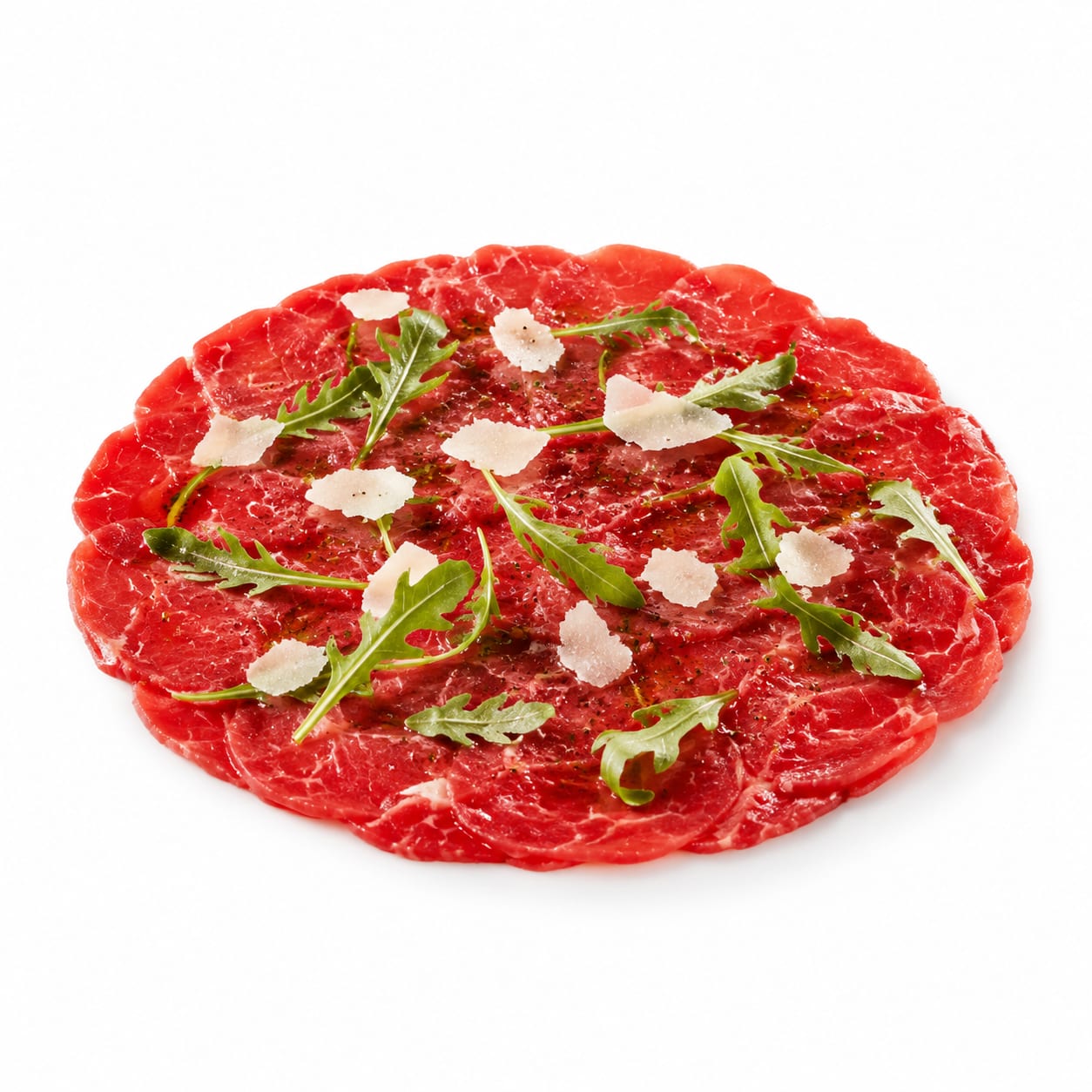
Carpaccio
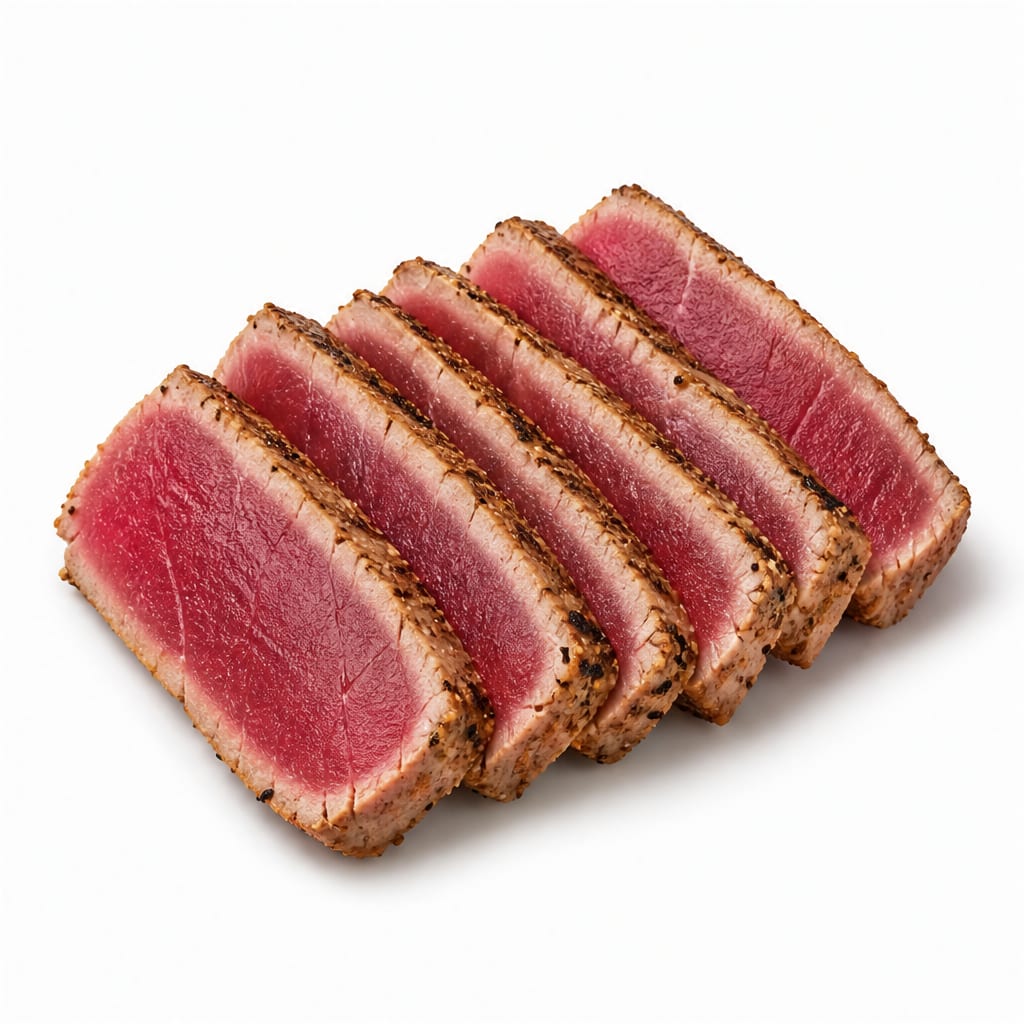
Seared Ahi Tuna
Carpaccio delivers a richer iron and B-vitamin punch, while Seared Ahi Tuna offers leaner protein and anti-inflammatory omega-3s, but both carry distinct raw-protein safety risks.
Seared Ahi Tuna scores slightly higher due to its lean protein and beneficial omega-3 profile, but the mercury risk keeps it from a dominant lead over the nutrient-dense but riskier Carpaccio.
Superior iron content and satiety from Carpaccio versus leaner protein and heart-healthy fats from Seared Ahi Tuna, alongside differing contamination vulnerabilities.
At a glance
Executive summary
Overall
It depends
Healthier
Seared Ahi Tuna
More practical
Seared Ahi Tuna
Daily use
It depends
Key comparison lenses
Raw meat and seafood safety risks
Both foods involve raw animal protein, making contamination and foodborne illness a primary concern for consumers.
Protein quality and leanness
Diners often choose these as high-protein, low-carb appetizers, so the fat-to-protein ratio matters significantly.
Micronutrient density and blood health
Beef and tuna offer distinctly different vitamin and mineral profiles, especially regarding iron and omega-3 fatty acids.
Heavy metal and toxin exposure
Tuna carries a well-documented mercury risk, while beef carpaccio may carry different agricultural residue concerns.
Best choice for
Carpaccio
- People with iron deficiency or anemia
- Those seeking a more filling, savory appetizer
- Diners looking for high B-vitamin intake
Seared Ahi Tuna
- People prioritizing heart health and omega-3 intake
- Those tracking calories and dietary fat
- Individuals wanting a lighter, leaner meal starter
Least suitable for
Carpaccio
- Pregnant individuals due to raw beef risks
- People managing high cholesterol
- Those with compromised immune systems
Seared Ahi Tuna
- Pregnant individuals due to mercury content
- Children and women planning pregnancy
- People with severe seafood allergies
Deep comparison
Dimension by dimension
Each lens scores both foods and breaks down who each option suits.
- Dimension 1 · Priority 90Seared Ahi Tuna
Protein Quality and Leanness
Carpaccio · 75Seared Ahi Tuna · 92Seared Ahi Tuna provides highly bioavailable protein with almost no fat, whereas Carpaccio contains more saturated fat alongside its protein.
Tradeoff
You get a richer mouthfeel and slightly more calorie-dense energy from Carpaccio, but Seared Ahi Tuna delivers cleaner fuel for muscle maintenance without the extra fat.
Why it matters
Leaner protein sources support cardiovascular health and make portion control easier by being less calorie-dense.
Real-world impact
Choosing Seared Ahi Tuna leaves you feeling light and energized after eating, while Carpaccio feels more like a decadent, filling starter.
Carpaccio
- Ketogenic and low-carb diets that welcome higher fat
- Those who find lean meats unsatisfying
Better for
- Strict calorie counters
- Those monitoring saturated fat intake
Worse for
Seared Ahi Tuna
- Lean bulking or muscle definition phases
- Low-calorie dining strategies
Better for
- Those needing high caloric intake in small portions
- Very low-carb dieters relying on fat for energy
Worse for
- Dimension 2 · Priority 85Carpaccio
Micronutrient Density and Blood Health
Carpaccio · 90Seared Ahi Tuna · 75Carpaccio is a powerhouse of heme iron and vitamin B12, crucial for blood health, while Seared Ahi Tuna offers good B-vitamins but less iron.
Tradeoff
Carpaccio provides nutrients that are commonly deficient and hard to absorb from plants, but you must consume raw beef to get them, whereas Seared Ahi Tuna offers a safer but nutritionally different profile.
Why it matters
Heme iron from beef is absorbed much more efficiently than plant iron, making Carpaccio a potent remedy for fatigue linked to low iron.
Real-world impact
Eating Carpaccio can noticeably support energy levels if you are prone to anemia, while Seared Ahi Tuna acts more as a general health maintainer.
Carpaccio
- Menstruating individuals with high iron needs
- Those diagnosed with iron-deficiency anemia
Better for
- People with iron overload conditions
- Those avoiding red meat entirely
Worse for
Seared Ahi Tuna
- Individuals with hemochromatosis who must limit iron
- Those needing B-vitamins without excess iron
Better for
- Individuals needing a significant iron boost
- Those relying on food for maximum B12 intake
Worse for
- Dimension 3 · Priority 80Seared Ahi Tuna
Fat Profile and Inflammation
Carpaccio · 55Seared Ahi Tuna · 88Seared Ahi Tuna is rich in anti-inflammatory omega-3 fatty acids, while Carpaccio contains more pro-inflammatory saturated fat from beef and olive oil dressing.
Tradeoff
You trade the cardiovascular protection and joint benefits of fish oils for the rich, satisfying flavor of beef fat and dressing.
Why it matters
A higher omega-3 to saturated fat ratio is strongly linked to better long-term heart health and lower systemic inflammation.
Real-world impact
Regularly choosing Seared Ahi Tuna over beef appetizers supports smoother recovery after exercise and better long-term heart markers.
Carpaccio
- Those unconcerned with saturated fat intake
- Active individuals burning high calories
Better for
- People with high LDL cholesterol
- Those fighting chronic inflammation
Worse for
Seared Ahi Tuna
- People managing inflammatory conditions
- Those focusing on cardiovascular health
Better for
- Those on strict zero-seafood diets
Worse for
- Dimension 4 · Priority 95Seared Ahi Tuna
Food Safety and Contamination
Carpaccio · 45Seared Ahi Tuna · 65Both carry raw-food risks, but the searing process on Ahi Tuna kills surface bacteria, whereas Carpaccio is entirely raw, increasing acute food poisoning risks.
Tradeoff
Seared Ahi Tuna mitigates some immediate bacterial risks through searing but carries a chronic heavy metal risk, while Carpaccio avoids mercury but presents a higher chance of acute bacterial illness.
Why it matters
A single bad batch of raw beef can lead to severe foodborne illness, making source quality absolutely critical for Carpaccio.
Real-world impact
You can eat Seared Ahi Tuna with slightly more peace of mind regarding immediate stomach bugs, but you must be mindful of long-term mercury buildup.
Carpaccio
- Those eating at high-end restaurants with verified sourcing
- People more worried about mercury than acute bacteria
Better for
- Immunocompromised individuals
- Pregnant people avoiding raw meat
Worse for
Seared Ahi Tuna
- Those who want surface bacteria eliminated by searing
- Diners at standard sushi or seafood restaurants
Better for
- Children susceptible to mercury toxicity
- Pregnant people avoiding high-mercury fish
Worse for
Timeline
Health impact over time
Short-term
Hours to days
Carpaccio
- High satiety from fat and protein content
- Risk of acute gastrointestinal distress if beef is contaminated
- Quick energy boost from B-vitamins and iron
Seared Ahi Tuna
- Light, clean feeling after eating due to low fat
- Potential mild histamine reaction if fish is not extremely fresh
- Sustained energy without heaviness
Long-term
Months to years
Carpaccio
- Improved iron stores and red blood cell production
- Potential increase in LDL cholesterol if consumed very frequently
- Long-term risk of foodborne illness if sourcing is inconsistent
Seared Ahi Tuna
- Cardiovascular benefits from regular omega-3 intake
- Risk of heavy metal accumulation if eaten too often
- Support for cognitive function from DHA
Risk profile
Safety & processing
Both Carpaccio and Seared Ahi Tuna are whole foods prepared with minimal processing, relying on the quality of the raw ingredient rather than additives.
Carpaccio
Pathogenic Bacteria (E. coli, Salmonella, Listeria)
highBecause Carpaccio is entirely raw, any surface bacteria present on the beef are not killed, requiring impeccable sourcing and cold-chain management.
Antibiotic Residues
mediumConventional beef may contain traces of antibiotics used in farming, which raw consumption preserves entirely.
Seared Ahi Tuna
Mercury Exposure
mediumAhi Tuna is a large predatory fish that accumulates methylmercury, posing neurological risks if consumed frequently over time.
Scombroid Poisoning
lowIf the tuna is not properly chilled, histamine can build up, causing flushing, headache, and gastrointestinal symptoms shortly after eating.
Parasites
lowSashimi-grade tuna is flash-frozen to kill parasites, and the searing process adds an extra layer of safety for the outer layers.
Who wins for whom
Audience fit
Same foods, different winners depending on your goal.
children
It dependsNeither is ideal due to raw risks and mercury, but if forced, a small taste of well-sourced Carpaccio avoids the heavy metal developmental risks of tuna.
daily consumption
It dependsNeither should be consumed daily; Carpaccio due to raw meat risks and saturated fat, and Seared Ahi Tuna due to mercury accumulation limits.
diabetes
Seared Ahi TunaBoth are zero-carb, but Seared Ahi Tuna has less saturated fat, which is better for the cardiovascular health of individuals managing diabetes.
elderly
It dependsBoth pose risks: Carpaccio threatens weakened immune systems with bacteria, while Seared Ahi Tuna threatens neurological health with mercury. Sourcing quality dictates the safer option.
muscle gain
CarpaccioCarpaccio provides slightly more protein per serving along with higher iron and B12, which are critical for blood oxygenation and muscle recovery during heavy training.
weight loss
Seared Ahi TunaSeared Ahi Tuna is significantly lower in calories and fat, making it much easier to fit into a calorie-controlled diet.
Your move
Decision guide
Choose Carpaccio
- You have low iron or are prone to anemia
- You are dining at a high-end establishment with verified raw beef sourcing
- You want a richer, more satiating appetizer
Choose Seared Ahi Tuna
- You want a lean, clean protein source
- You are focused on heart health and omega-3 intake
- You prefer the safety of a seared exterior on your raw fish
Either works if
- You need a zero-carb, high-protein appetizer
- You are comfortable with raw food safety protocols
- You want a gourmet dining experience without heavy carbs
Avoid both if
- You are pregnant or nursing
- You have a compromised immune system
- You are highly sensitive to foodborne illness risks
Final recommendation
Choose Seared Ahi Tuna for a leaner, heart-healthier appetizer with a slight safety edge from searing, but opt for Carpaccio if your primary goal is boosting iron and B12 at a trusted restaurant.
Practical
Consumer tips
- 1
Limit Seared Ahi Tuna to 1-2 servings per week to keep mercury levels in check.
- 2
Only order Carpaccio at restaurants that explicitly state they use high-quality, whole-muscle cuts prepared under strict cold conditions.
- 3
If making Carpaccio at home, sear the whole beef tenderloin briefly before slicing to drastically reduce surface bacteria.
- 4
Pair Seared Ahi Tuna with vitamin C-rich sides like citrus to boost iron absorption from the fish.
- 5
Avoid both foods if they smell even slightly off; fresh raw beef should have minimal odor, and tuna should never smell fishy.