
Nutrition comparison
Carpaccio vs Sashimi: Which Raw Protein Is Healthier?
Compare carpaccio and sashimi on nutrition, safety, protein quality, and health impact. Find out which raw dish is better for weight loss, heart health, and daily eating.
Overall winner · Sashimi
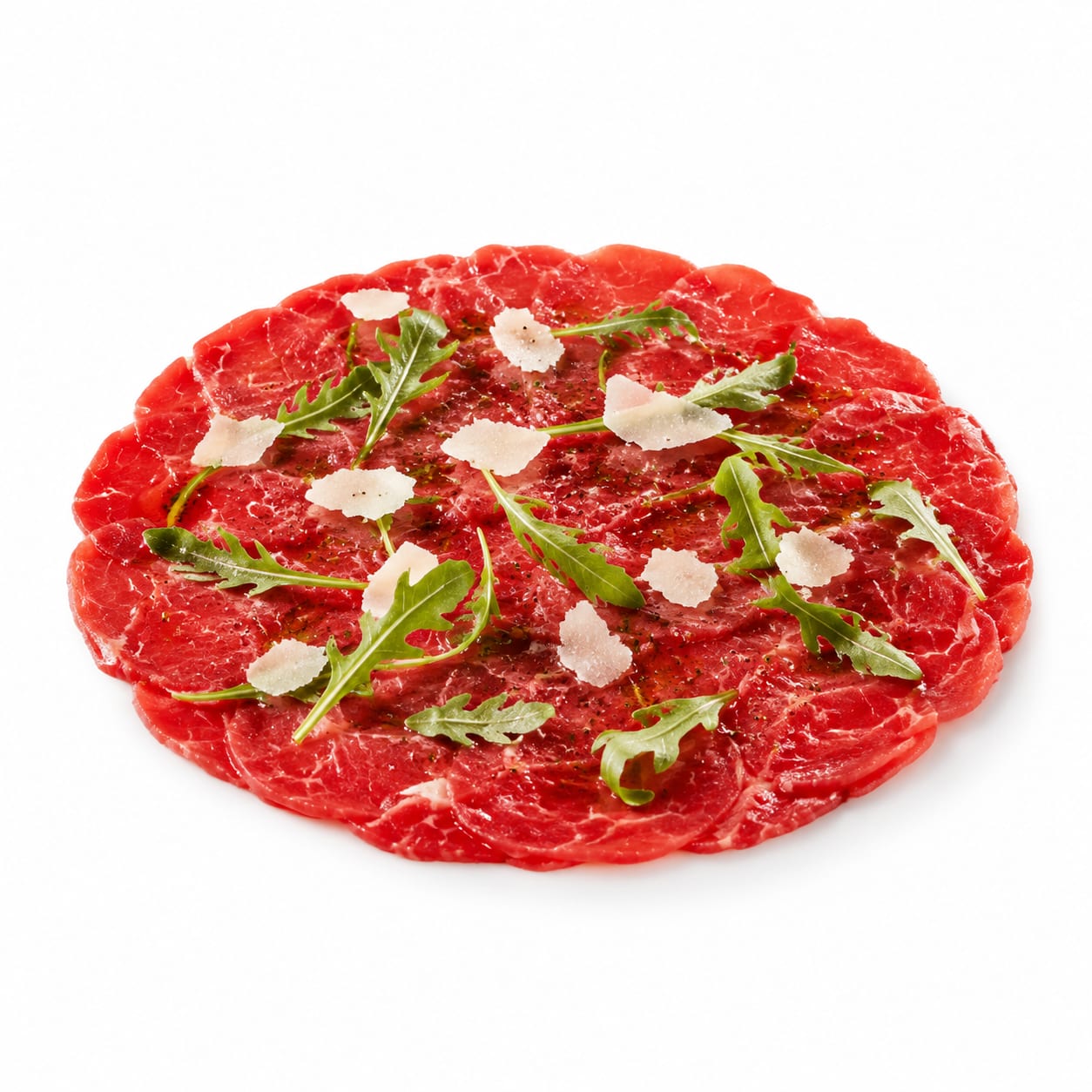
Carpaccio
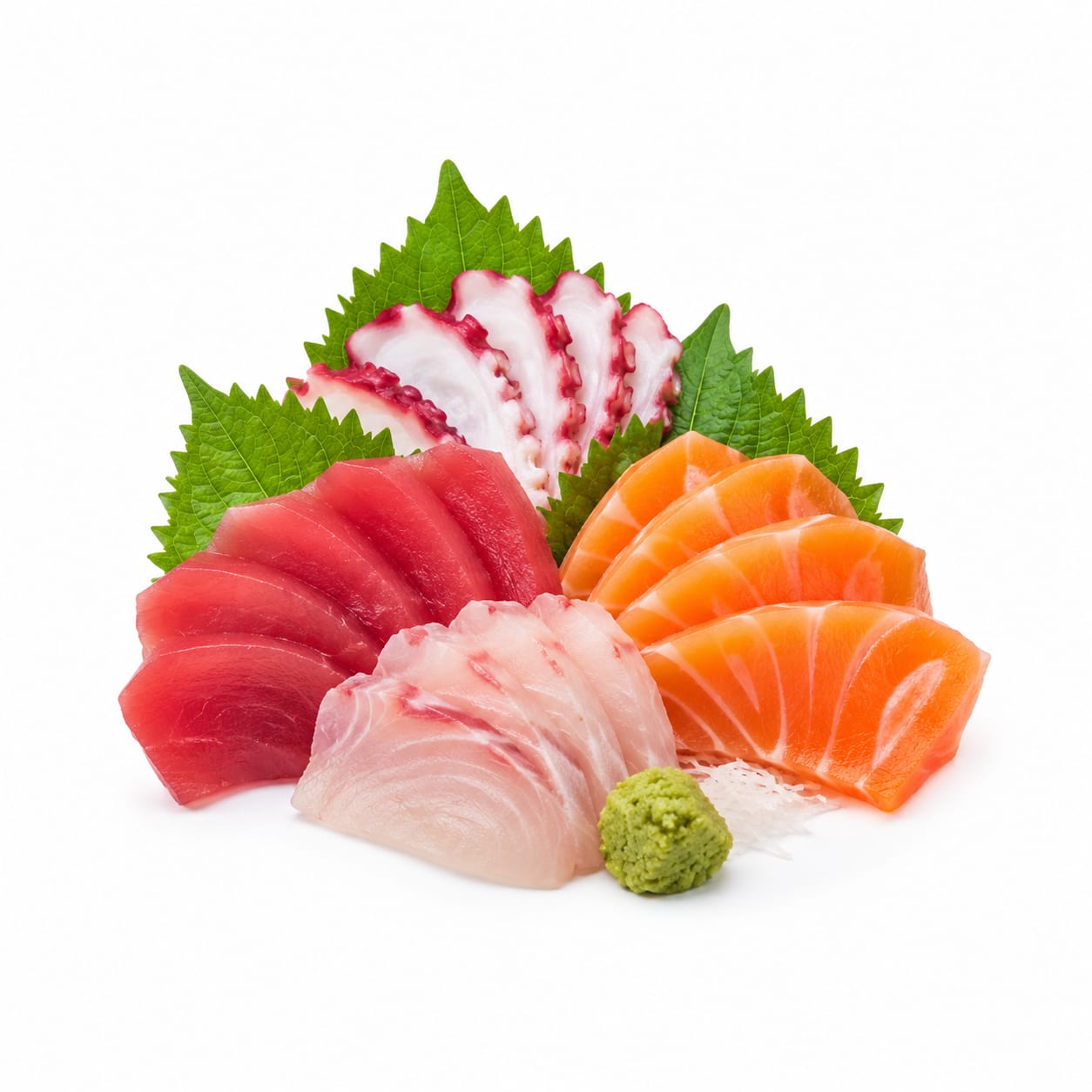
Sashimi
Sashimi wins for lean protein and heart-healthy fats, while carpaccio offers richer flavor and more iron but carries higher saturated fat and slightly greater contamination risk from raw beef.
Sashimi scores notably higher due to its superior fat profile, cleaner ingredient list, and better calorie-to-protein ratio. Carpaccio remains a solid choice for iron and flavor but carries more nutritional compromises.
Omega-3 lean protein versus iron-rich indulgence with more saturated fat and dressings.
At a glance
Executive summary
Overall
Sashimi
Healthier
Sashimi
More practical
It depends
Daily use
Sashimi
Key comparison lenses
raw protein safety and contamination risk
Both foods are served raw, making foodborne illness the primary real-world concern for most people deciding between them
fat profile and heart health impact
Carpaccio delivers saturated fat from beef while sashimi provides omega-3s from fish — a meaningful long-term health divergence
protein quality and leanness
Both are protein-forward dishes but differ significantly in calorie-to-protein ratio and amino acid profile
dietary purity and additive exposure
Carpaccio typically includes oil, seasonings, and sometimes cheese, while sashimi is virtually unadulterated
weight management and satiety
Calorie density differs enough to matter for anyone tracking intake or managing portions
Best choice for
Carpaccio
- People needing more iron and B12 in their diet
- Those who prefer richer, more indulgent flavors
- Diners seeking a satisfying appetizer that feels like a treat
- Anyone avoiding fish due to allergy or mercury concerns
Sashimi
- People prioritizing heart health and omega-3 intake
- Those tracking calories or macronutrients closely
- Diners who appreciate clean, minimal preparation
- Anyone seeking lean protein with less saturated fat
Least suitable for
Carpaccio
- People with high cholesterol or cardiovascular risk
- Anyone immunocompromised and cautious about raw beef
- Those strictly limiting saturated fat intake
- Pregnant individuals advised against raw meat
Sashimi
- People with fish or shellfish allergies
- Those concerned about mercury exposure from frequent fish consumption
- Pregnant individuals advised against raw fish
- Anyone in areas where sashimi-grade fish is unavailable
Deep comparison
Dimension by dimension
Each lens scores both foods and breaks down who each option suits.
- Dimension 1 · Priority 92Sashimi
fat profile and heart health
Carpaccio · 40Sashimi · 88Sashimi provides anti-inflammatory omega-3s while carpaccio delivers more saturated fat from beef and added olive oil.
Tradeoff
Carpaccio tastes richer and more indulgent but at the cost of heart-healthier fats.
Why it matters
Consistently choosing omega-3-rich fish over saturated-fat-heavy meat reduces cardiovascular risk over years, not just meals.
Real-world impact
Regular sashimi eaters tend to have better lipid panels; regular carpaccio eaters should monitor cholesterol more closely.
Carpaccio
- Satisfying cravings for rich, savory flavors
- Providing fat-soluble vitamin absorption with olive oil dressing
Better for
- Raising LDL cholesterol with regular consumption
- Contributing to saturated fat overload if eaten frequently
Worse for
Sashimi
- Reducing inflammation and supporting heart health
- Maintaining healthy triglyceride levels
- Supporting brain function with DHA and EPA
Better for
- Overconsumption of omega-3s if eating large fish portions daily
- Potential mercury accumulation with certain fish species
Worse for
- Dimension 2 · Priority 90Sashimi
food safety and contamination risk
Carpaccio · 48Sashimi · 65Both carry raw-protein risks, but raw beef carpaccio has a slightly higher bacterial contamination profile than properly handled sashimi-grade fish.
Tradeoff
Sashimi-grade freezing protocols kill most parasites in fish, while raw beef lacks an equivalent standardized kill step in many restaurants.
Why it matters
A single bout of foodborne illness can sideline you for days and create lasting digestive issues.
Real-world impact
Reputable sushi restaurants follow strict freezing standards; carpaccio safety depends heavily on individual kitchen hygiene.
Carpaccio
- Easier to verify beef sourcing in some regions
- Less risk of parasitic worms compared to certain wild fish
Better for
- Raw beef carries higher risk of pathogenic bacteria
- No universal freezing protocol to eliminate parasites
Worse for
Sashimi
- Standardized sashimi-grade freezing kills parasites effectively
- Lower risk of E. coli and Salmonella compared to raw beef
Better for
- Mercury and heavy metal accumulation in larger fish species
- Parasite risk if freezing protocols are not followed
Worse for
- Dimension 3 · Priority 85Sashimi
protein quality and leanness
Carpaccio · 58Sashimi · 85Sashimi delivers more protein per calorie with virtually no extra fat, while carpaccio's protein comes packaged with more calories from beef fat and dressing.
Tradeoff
Carpaccio is more satiating per bite due to fat content, but sashimi gives you cleaner protein numbers.
Why it matters
If you are tracking macros or trying to stay lean, calorie-to-protein ratio makes a real difference over weeks.
Real-world impact
A sashimi plate easily fits into a 500-calorie meal; carpaccio can quietly add 200+ calories from oil and beef fat.
Carpaccio
- More satiating per bite due to higher fat content
- Richer mouthfeel makes smaller portions feel satisfying
Better for
- Extra calories from fat make portion control harder
- Less protein per gram compared to pure fish
Worse for
Sashimi
- Higher protein-to-calorie ratio supports lean muscle maintenance
- Easier to fit into calorie-controlled eating plans
- Cleaner macronutrient profile for flexible dieting
Better for
- Very lean protein can feel less satisfying without sides
- May need accompaniments to reach fullness
Worse for
- Dimension 4 · Priority 78It depends
micronutrient density
Carpaccio · 72Sashimi · 75Carpaccio excels in iron, zinc, and B12 while sashimi provides more selenium, iodine, and vitamin D depending on the fish.
Tradeoff
Red meat micronutrients support energy and blood health; fish micronutrients support thyroid and immune function.
Why it matters
Your micronutrient gaps should drive this choice — iron-deficient diners benefit more from carpaccio.
Real-world impact
Women with low iron may feel noticeably better including occasional carpaccio; those low in selenium or vitamin D benefit more from sashimi.
Carpaccio
- Excellent heme iron absorption for blood health
- High B12 and zinc for energy and immunity
- Olive oil dressing boosts vitamin E intake
Better for
- Does not provide meaningful omega-3 fatty acids
- Olive oil calories can displace other nutrient-dense foods
Worse for
Sashimi
- Selenium supports thyroid and antioxidant defenses
- Iodine from fish supports metabolic health
- Vitamin D from fatty fish varieties supports bone health
Better for
- Iron content is lower than beef
- Zinc content varies significantly by fish species
Worse for
- Dimension 5 · Priority 72Sashimi
dietary purity and additive exposure
Carpaccio · 50Sashimi · 92Sashimi is essentially just fish, while carpaccio typically includes olive oil, seasonings, capers, and sometimes cheese or truffle oil.
Tradeoff
Carpaccio's flavor complexity comes from added ingredients; sashimi's simplicity means fewer variables and cleaner eating.
Why it matters
Fewer ingredients means fewer potential triggers for sensitivities and more control over what enters your body.
Real-world impact
Sashimi is safe for most elimination diets; carpaccio requires asking about every component on the plate.
Carpaccio
- More complex flavor profile from multiple ingredients
- Olive oil adds beneficial polyphenols
Better for
- Capers and seasonings add sodium
- Cheese additions introduce dairy and more saturated fat
- Truffle oil or dressings may include artificial flavorings
Worse for
Sashimi
- Minimal ingredients reduce exposure to hidden allergens
- No added sodium from capers or seasonings
- Compatible with nearly every clean-eating framework
Better for
- Soy sauce dipping adds significant sodium if used liberally
- Wasabi may contain food coloring in lower-quality establishments
Worse for
- Dimension 6 · Priority 68Sashimi
digestive tolerance
Carpaccio · 55Sashimi · 75Sashimi is generally easier to digest due to lower fat content and simpler preparation, while carpaccio's oil and fat can slow digestion.
Tradeoff
Carpaccio feels more substantial but may sit heavier; sashimi feels lighter and digests more quickly.
Why it matters
If you have a sensitive stomach or are eating before activity, lighter digestion matters.
Real-world impact
Sashimi is a better pre-activity meal; carpaccio works better as a leisurely appetizer when you have hours to digest.
Carpaccio
- Higher fat content slows gastric emptying for longer satiety
- Good choice when you want to feel full for hours
Better for
- Can feel heavy or greasy in larger portions
- Olive oil may trigger reflux in sensitive individuals
Worse for
Sashimi
- Lighter on the stomach and faster to digest
- Less likely to cause bloating or heaviness
- Better option before physical activity
Better for
- Very rapid digestion may leave you hungry sooner
- Without rice or sides, may not sustain energy long
Worse for
Timeline
Health impact over time
Short-term
Hours to days
Carpaccio
- Rich, satisfying mouthfeel that curbs hunger quickly
- Possible slight sluggishness from higher fat content
- Risk of digestive discomfort if portions are large
Sashimi
- Light, clean energy without heaviness
- Quick satiety from protein without fat-induced drowsiness
- Risk of hunger returning sooner without accompaniments
Long-term
Months to years
Carpaccio
- Higher saturated fat intake may elevate LDL cholesterol over time
- Excellent iron and B12 status with regular consumption
- Potential increased cardiovascular risk if eaten frequently
Sashimi
- Consistent omega-3 intake supports heart and brain health
- Lower saturated fat intake benefits long-term lipid profiles
- Mercury accumulation risk varies by fish species and frequency
Risk profile
Safety & processing
Both are minimally processed whole foods at their core. Carpaccio edges slightly toward more processing due to added dressings and seasonings, while sashimi is typically just sliced raw fish with minimal accompaniment.
Carpaccio
Pathogenic bacteria from raw beef
highRaw beef can harbor E. coli, Salmonella, and Listeria. Kitchen hygiene and sourcing quality are critical but not foolproof.
Parasitic infection
mediumBeef tapeworm is rare in developed countries but possible, especially without standardized freezing protocols for carpaccio.
Cross-contamination in preparation
mediumThin slicing increases surface area exposed to cutting boards and utensils, raising contamination potential.
Sashimi
Parasitic worms from raw fish
mediumAnisakis and other parasites are killed by proper sashimi-grade freezing, but lapses in protocol can occur.
Mercury and heavy metal accumulation
mediumTuna and other large predatory fish can contain significant mercury; choosing smaller fish like salmon reduces this risk.
Scombroid poisoning from improperly stored fish
lowHistamine buildup in poorly refrigerated fish can cause allergic-like reactions. Reputable vendors prevent this effectively.
Who wins for whom
Audience fit
Same foods, different winners depending on your goal.
children
It dependsNeither raw meat nor raw fish is recommended for young children due to immune system vulnerability. Cooked versions of both proteins are safer choices.
daily consumption
SashimiSashimi's healthier fat profile and cleaner preparation make it more sustainable as a regular choice, though mercury considerations limit daily tuna consumption.
diabetes
SashimiSashimi has virtually zero carbohydrates and less saturated fat, making it gentler on insulin sensitivity and cardiovascular health.
elderly
It dependsBoth raw foods pose food safety risks for older adults with weakened immunity. Sashimi from reputable sources may be slightly safer, but neither is ideal.
muscle gain
SashimiHigher protein-to-calorie ratio and complete amino acid profile from fish support lean muscle maintenance more efficiently.
weight loss
SashimiSashimi provides more protein per calorie with minimal fat, making it easier to stay within calorie targets while staying satisfied.
Your move
Decision guide
Choose Carpaccio
- You want a richer, more indulgent appetizer experience
- You need more iron and B12 in your diet
- You are dining at a trusted restaurant with excellent beef sourcing
- You prefer Mediterranean flavor profiles with oil and herbs
Choose Sashimi
- Heart health and omega-3 intake are priorities
- You are tracking calories or macronutrients
- You want the cleanest, simplest protein source possible
- You prefer lighter meals that will not slow you down afterward
Either works if
- You are comfortable with raw food risks and dining at reputable establishments
- You want a high-quality protein appetizer before a main course
- You value whole-food eating with minimal processing
Avoid both if
- You are pregnant or immunocompromised and should avoid raw animal proteins
- You have limited access to high-quality restaurants with strict food safety standards
- You have a history of foodborne illness sensitivity
Final recommendation
For most health-conscious diners, sashimi is the better regular choice thanks to its lean protein, omega-3 content, and cleaner ingredient profile. Carpaccio is best enjoyed occasionally as a richer, more indulgent option when you want something satisfying and iron-rich. Both require trust in your restaurant's sourcing and hygiene — never compromise on quality for either.
Practical
Consumer tips
- 1
Ask your restaurant whether their fish is sashimi-grade and previously frozen to kill parasites
- 2
Choose salmon or mackerel sashimi over tuna if you are concerned about mercury
- 3
Request carpaccio dressing on the side to control calorie and sodium intake
- 4
Limit raw protein consumption to reputable establishments with strong health inspection records
- 5
If you are new to raw foods, start with small portions to assess digestive tolerance
- 6
Pregnant individuals, young children, elderly adults, and immunocompromised people should avoid both dishes entirely
- 7
Pair sashimi with a small portion of rice or vegetables for more sustained energy
- 8
Check if carpaccio contains cheese or truffle oil if you have dairy sensitivities or prefer cleaner eating