
Nutrition comparison
Carpaccio vs Grilled Chicken Breast: Safety, Nutrition, and Which to Choose
Compare carpaccio and grilled chicken breast on protein, iron, food safety, and daily practicality. Learn which lean protein fits your health goals and when raw beef is worth the tradeoff.
Overall winner · Grilled Chicken Breast
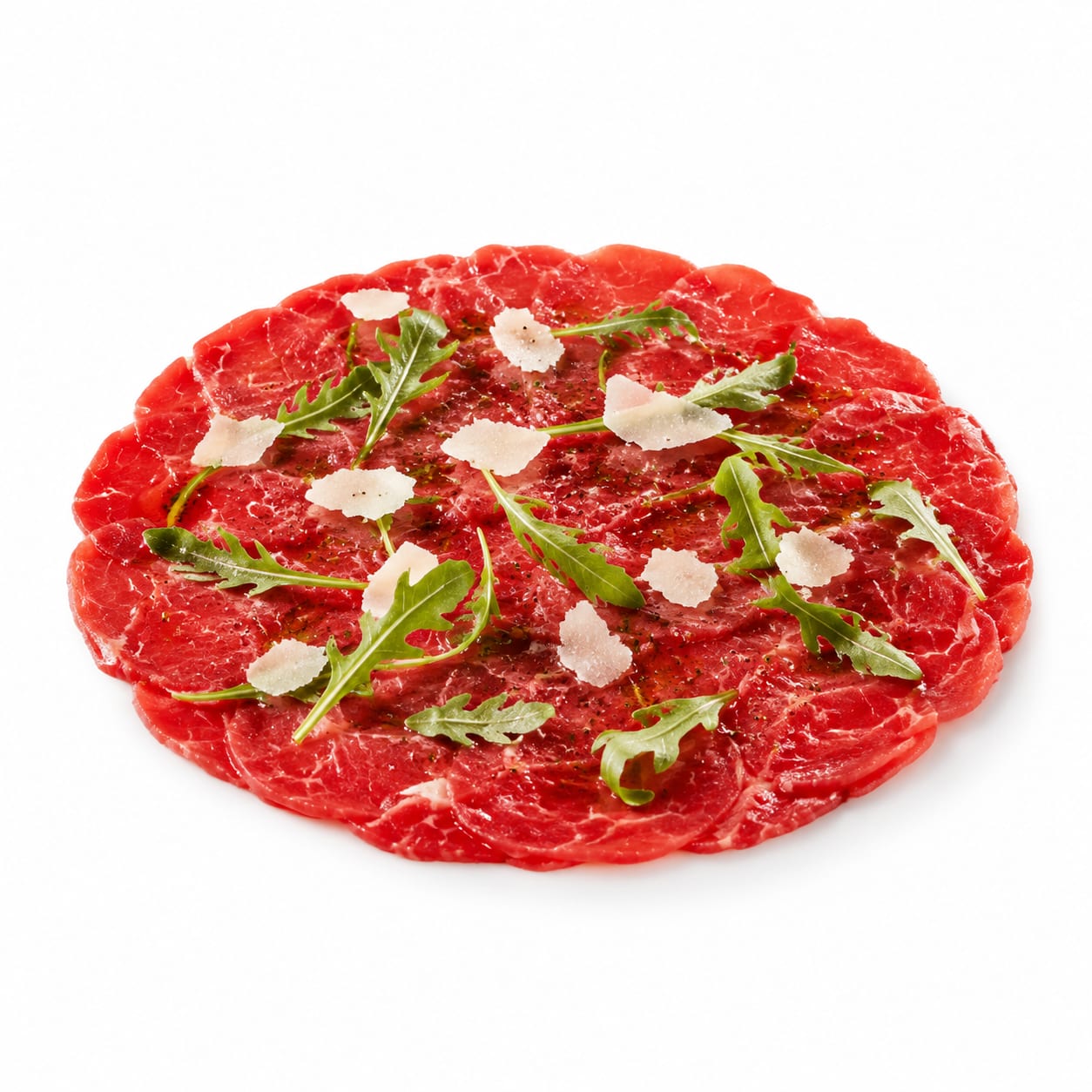
Carpaccio
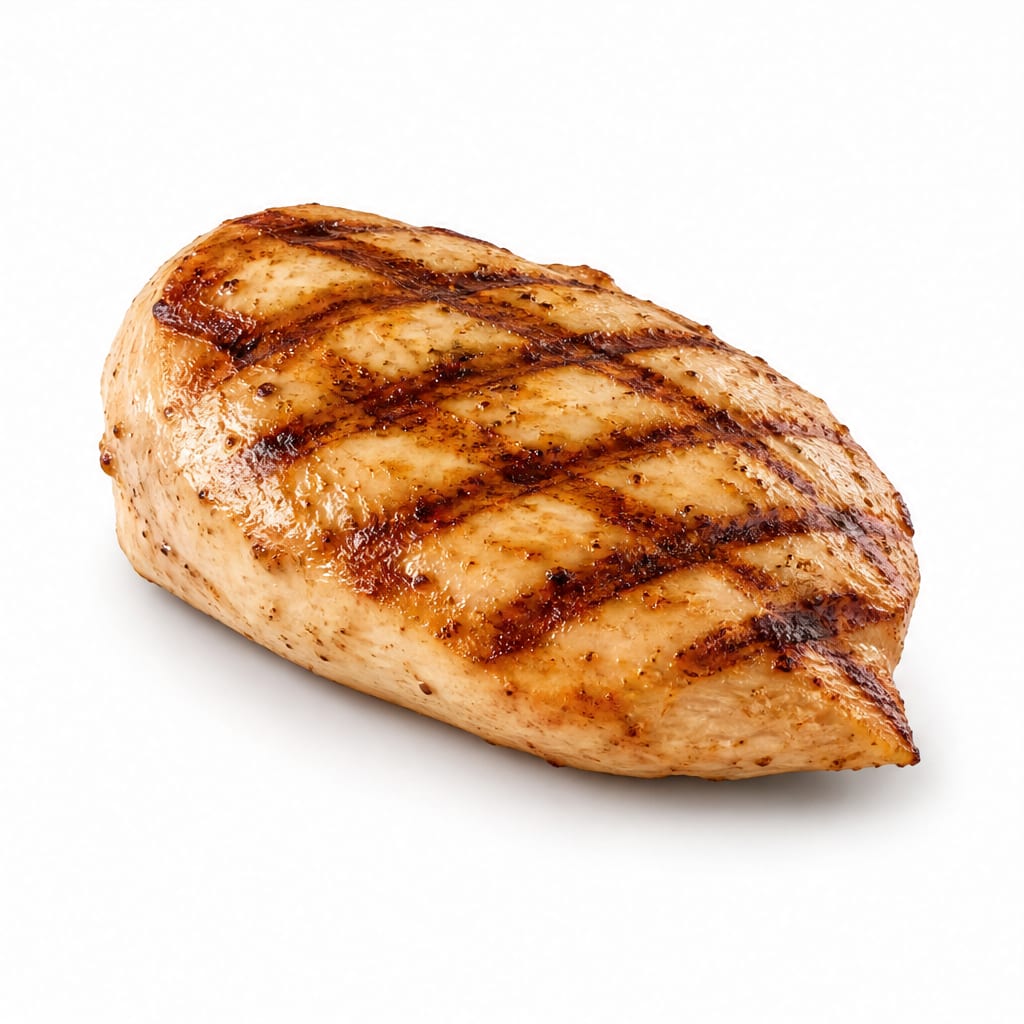
Grilled Chicken Breast
Grilled Chicken Breast wins for safety, leanness, and daily practicality, but Carpaccio offers superior iron and B12 in a more indulgent package.
Grilled Chicken Breast scores significantly higher due to its safety profile, lean macronutrients, and everyday usability. Carpaccio's raw-meat risk and limited practicality pull its score down despite strong micronutrient advantages.
You trade raw-meat risk and higher fat for richer micronutrients and a more luxurious eating experience.
At a glance
Executive summary
Overall
Grilled Chicken Breast
Healthier
Grilled Chicken Breast
More practical
Grilled Chicken Breast
Daily use
Grilled Chicken Breast
Key comparison lenses
food safety and contamination risk
Carpaccio is served raw, making foodborne illness a dominant concern that overshadows many nutritional factors
protein quality and leanness for body composition
Both foods are protein-forward but differ dramatically in fat content and calorie density, directly affecting fitness and weight goals
micronutrient density especially iron and B12
Beef carpaccio delivers significantly more heme iron and vitamin B12 than chicken, which matters for energy and blood health
everyday practicality and meal versatility
Grilled chicken breast is a daily staple protein, while carpaccio is a restaurant delicacy with limited everyday use
long-term health sustainability
Regular red meat consumption carries different cardiovascular risks than lean poultry, affecting long-term dietary choices
Best choice for
Carpaccio
- People with iron deficiency or anemia who need heme iron
- Those seeking a high-B12 food to support energy and nerve health
- Diners wanting a restaurant-quality, indulgent appetizer experience
- Individuals on a keto or higher-fat low-carb eating plan
Grilled Chicken Breast
- Anyone prioritizing food safety including pregnant women and elderly
- People tracking calories or macros for weight loss or muscle gain
- Meal preppers needing a reliable, versatile daily protein source
- Those managing cholesterol or cardiovascular risk factors
Least suitable for
Carpaccio
- Pregnant women, young children, elderly, and immunocompromised individuals
- People with histamine intolerance or sensitivity to aged meats
- Anyone meal-prepping for the week ahead
- Those on a tight calorie budget who need maximum protein per calorie
Grilled Chicken Breast
- People bored with lean proteins who struggle with dietary adherence
- Those who need iron supplementation through food sources
- Diners seeking a special-occasion or celebratory dish
- Anyone avoiding poultry due to allergy or preference
Deep comparison
Dimension by dimension
Each lens scores both foods and breaks down who each option suits.
- Dimension 1 · Priority 95Grilled Chicken Breast
food safety and contamination risk
Carpaccio · 30Grilled Chicken Breast · 90Carpaccio's raw preparation carries real pathogen risk; grilled chicken is cooked through, eliminating most bacterial and parasitic threats.
Tradeoff
You gain richer flavor and nutrient preservation with raw beef but accept a non-trivial food safety gamble.
Why it matters
Foodborne illness from raw beef can cause severe acute illness and is dangerous for vulnerable populations.
Real-world impact
One bad carpaccio serving can mean days of illness; grilled chicken almost never carries that risk when properly cooked.
Carpaccio
- Experienced diners at high-end restaurants with trusted sourcing
Better for
- Anyone who cannot verify the quality and freshness of the beef source
Worse for
Grilled Chicken Breast
- Pregnant women and elderly who must avoid raw meat
- Anyone with a compromised immune system
- Home cooks who want worry-free meal prep
Better for
- Overcooked chicken can form heterocyclic amines, though this is manageable with proper technique
Worse for
- Dimension 2 · Priority 88Grilled Chicken Breast
protein quality and leanness
Carpaccio · 55Grilled Chicken Breast · 92Grilled Chicken Breast delivers more protein with far less fat per calorie, making it the superior choice for body composition goals.
Tradeoff
Carpaccio provides protein with more accompanying fat and calories, which can be satisfying but less efficient for lean gains.
Why it matters
If you are tracking macros or calories, the protein-to-calorie ratio determines how much you can eat without overshooting targets.
Real-world impact
A 4 oz serving of grilled chicken gives you roughly 35g protein for 190 calories; carpaccio gives similar protein but with 50-80% more calories from fat.
Carpaccio
- Keto dieters who want protein with natural fat included
- Those who find lean proteins unsatisfying and need fat for satiety
Better for
- Calorie-conscious eaters who find fat calories add up quickly
Worse for
Grilled Chicken Breast
- Bodybuilders and athletes needing maximum protein per calorie
- Weight loss dieters tracking macros precisely
- Anyone eating multiple protein servings per day
Better for
- People who find very lean meat dry and unappealing without added sauces
Worse for
- Dimension 3 · Priority 80Carpaccio
micronutrient density
Carpaccio · 85Grilled Chicken Breast · 60Carpaccio delivers substantially more heme iron, zinc, and vitamin B12 than grilled chicken breast.
Tradeoff
These micronutrient advantages come wrapped in more saturated fat and the raw-meat safety tradeoff.
Why it matters
Iron and B12 deficiencies are common, especially among women and vegetarians transitioning back to meat. Heme iron from beef is far more absorbable than plant sources.
Real-world impact
If you feel sluggish, cold, or dizzy from low iron, a carpaccio serving can move the needle faster than chicken.
Carpaccio
- Women of reproductive age with low ferritin levels
- Anyone diagnosed with B12 deficiency needing food-based support
- Older adults with reduced stomach acid who absorb heme iron better
Better for
- People with hemochromatosis or iron overload conditions
Worse for
Grilled Chicken Breast
- People who already meet iron needs through supplements or other red meat meals
- Those monitoring zinc intake from supplements who want to avoid excess
Better for
- Those relying on chicken as their sole protein source who may develop low iron over time
Worse for
- Dimension 4 · Priority 72It depends
satiety and eating satisfaction
Carpaccio · 78Grilled Chicken Breast · 75Carpaccio feels more indulgent and satisfying per bite; grilled chicken fills you up with volume and protein density.
Tradeoff
Fat-rich carpaccio triggers pleasure signals but may not fill your stomach; lean chicken provides physical fullness but less hedonic reward.
Why it matters
Satiety determines whether you reach for snacks an hour later. Both foods handle this differently depending on the eater.
Real-world impact
After carpaccio as a starter, you may still want a main course. After a full grilled chicken breast, you are likely done eating.
Carpaccio
- Diners who value quality and pleasure over volume
- Those eating a multi-course meal where carpaccio is the appetizer
Better for
- Anyone expecting a single carpaccio portion to be a complete meal
Worse for
Grilled Chicken Breast
- People who need one plate to carry them 4-5 hours
- Busy professionals eating one proper meal between meetings
Better for
- Emotional eaters who find plain chicken uninspiring and then overeat later
Worse for
- Dimension 5 · Priority 75Grilled Chicken Breast
everyday practicality and versatility
Carpaccio · 25Grilled Chicken Breast · 90Grilled chicken breast works in salads, wraps, bowls, and stir-fries all week. Carpaccio is a single-purpose dish that demands immediate consumption.
Tradeoff
You sacrifice culinary excitement for unmatched meal-prep reliability with grilled chicken.
Why it matters
The food you can actually prepare and eat consistently always beats the food that sounds great but never makes it into your routine.
Real-world impact
You can grill 5 chicken breasts on Sunday and eat them through Wednesday. Carpaccio must be eaten within hours of slicing and cannot be stored.
Carpaccio
- Special occasions and dinner parties where presentation matters
- Restaurant experiences where someone else handles the prep
Better for
- Anyone trying to build a consistent weekly meal routine
Worse for
Grilled Chicken Breast
- Meal preppers who cook once for the week
- Home cooks who need one protein that works in 10 different recipes
- Budget-conscious eaters who buy in bulk
Better for
- Fine-dining enthusiasts who find meal-prep chicken monotonous
Worse for
- Dimension 6 · Priority 70Grilled Chicken Breast
cardiovascular and long-term health risk
Carpaccio · 50Grilled Chicken Breast · 80Regular red meat consumption is associated with higher cardiovascular risk, while lean poultry is consistently linked to better heart health outcomes.
Tradeoff
Carpaccio's saturated fat and red meat classification carry long-term risk even though occasional consumption is fine for most people.
Why it matters
Heart disease develops over decades. Small daily choices about protein sources compound meaningfully over time.
Real-world impact
Swapping red meat for lean poultry a few times per week is one of the simplest evidence-based moves for heart health.
Carpaccio
- Occasional diners who eat red meat less than twice per week
Better for
- People eating red meat daily who should diversify protein sources
Worse for
Grilled Chicken Breast
- People with family history of heart disease
- Anyone with elevated LDL cholesterol
- Those following Mediterranean or DASH-style eating patterns
Better for
- Those who over-rely on chicken and miss the micronutrient diversity of red meat and fish
Worse for
Timeline
Health impact over time
Short-term
Hours to days
Carpaccio
- Risk of foodborne illness within 24-72 hours if beef is contaminated
- Quick energy from easily absorbed heme iron and B12
- More immediate satiety from fat content but less physical stomach fullness
Grilled Chicken Breast
- Reliable, safe protein hit with minimal digestive drama
- Steady energy without blood sugar spikes
- Possible dryness or blandness leading to overeating sauces or sides
Long-term
Months to years
Carpaccio
- Improved iron and B12 status if consumed occasionally and safely
- Potential increase in LDL cholesterol with frequent red meat intake
- Accumulating cardiovascular risk if carpaccio represents a broader pattern of regular red meat consumption
Grilled Chicken Breast
- Better lean muscle maintenance and metabolic health with consistent use
- Possible iron deficiency if chicken completely replaces all red meat without supplementation
- Lower cardiovascular risk profile compared to regular red meat eaters
Risk profile
Safety & processing
Both foods are minimally processed in their pure forms. Carpaccio is raw beef with oil and seasonings; grilled chicken is simply cooked poultry. Additive concerns arise only from marinades, sauces, or restaurant preparation methods, not the foods themselves.
Carpaccio
Pathogenic bacteria including E. coli, Salmonella, and Listeria
highRaw beef can harbor dangerous bacteria on its surface. Carpaccio's thin slicing distributes surface contamination throughout the meat, leaving no safe interior.
Parasitic infection including Toxoplasma gondii
mediumUndercooked or raw beef can carry tissue cysts. Toxoplasmosis is particularly dangerous during pregnancy and for immunocompromised individuals.
Histamine buildup in aged beef
lowTraditional carpaccio uses aged beef, which accumulates histamine. This can trigger reactions in sensitive individuals including headaches and flushing.
Grilled Chicken Breast
Heterocyclic amines from high-heat grilling
lowCharring chicken over high flame creates HCAs linked to cancer risk. This is easily minimized by avoiding excessive charring and using moderate heat.
Campylobacter or Salmonella from undercooking
mediumProperly grilled chicken cooked to 165°F eliminates this risk entirely. The danger only exists with undercooking, which is preventable.
Who wins for whom
Audience fit
Same foods, different winners depending on your goal.
children
Grilled Chicken BreastRaw meat is not recommended for children due to their developing immune systems. Cooked chicken is safe, familiar, and easy to chew.
daily consumption
Grilled Chicken BreastSafety, leanness, versatility, and meal-prep compatibility make grilled chicken a sustainable daily protein. Carpaccio is best reserved for occasional enjoyment.
diabetes
Grilled Chicken BreastBoth foods are low-carb, but grilled chicken's lower saturated fat content is preferable for cardiovascular risk management in diabetic patients.
elderly
Grilled Chicken BreastOlder adults face higher risk from foodborne pathogens and often need lean protein to preserve muscle without excess saturated fat.
muscle gain
Grilled Chicken BreastHigher protein-to-calorie ratio and easier daily consumption make grilled chicken the more practical muscle-building staple.
weight loss
Grilled Chicken BreastGrilled chicken breast provides more protein per calorie and virtually zero carbs, making it far easier to stay within a calorie deficit while staying full.
Your move
Decision guide
Choose Carpaccio
- You are dining at a reputable restaurant with trusted sourcing and want an indulgent appetizer
- You have confirmed low iron or B12 levels and want a food-based boost alongside supplementation
- You follow a keto or higher-fat dietary approach and enjoy richer protein sources
- You eat red meat occasionally and want the most flavorful way to include it
Choose Grilled Chicken Breast
- You need a reliable, safe, lean protein for daily meals and meal prep
- You are pregnant, elderly, or immunocompromised and must avoid raw meat
- You are tracking calories or macros for weight loss or muscle gain
- You want a protein that works in salads, wraps, bowls, and stir-fries all week
Either works if
- You simply need a low-carb protein source and both are available
- You are eating out and both options fit your meal plan
- You rotate protein sources throughout the week for nutritional diversity
Avoid both if
- You have alpha-gal syndrome or mammalian meat allergy (avoid carpaccio)
- You have severe poultry allergy (avoid grilled chicken)
- You are following a strict plant-based diet
Final recommendation
Make Grilled Chicken Breast your daily protein workhorse and treat Carpaccio as an occasional restaurant indulgence. This gives you the safety, leanness, and practicality you need most days while still enjoying the iron boost and culinary pleasure of raw beef when the setting and sourcing are right.
Practical
Consumer tips
- 1
If you eat carpaccio, choose restaurants with high turnover and excellent hygiene ratings — freshness is non-negotiable
- 2
Pregnant women, young children, elderly, and immunocompromised individuals should always avoid carpaccio and other raw meat dishes
- 3
Grill chicken at moderate heat rather than scorching it to reduce heterocyclic amine formation
- 4
Pair grilled chicken with iron-rich vegetables like spinach or lentils if you are not eating red meat regularly
- 5
If you love carpaccio but worry about safety, ask whether the restaurant uses previously frozen beef, which reduces parasite risk
- 6
Marinate grilled chicken in olive oil, lemon, and herbs instead of sugary BBQ sauces to keep it both flavorful and healthy
- 7
Rotate your protein sources throughout the week — chicken, fish, legumes, and occasional red meat provide broader nutrient coverage than any single option