
Nutrition comparison
Carpaccio vs Ceviche: Which Raw Dish Is Healthier?
Compare carpaccio and ceviche on nutrition, safety, calories, and health benefits. Learn which raw dish is better for weight loss, heart health, and everyday eating.
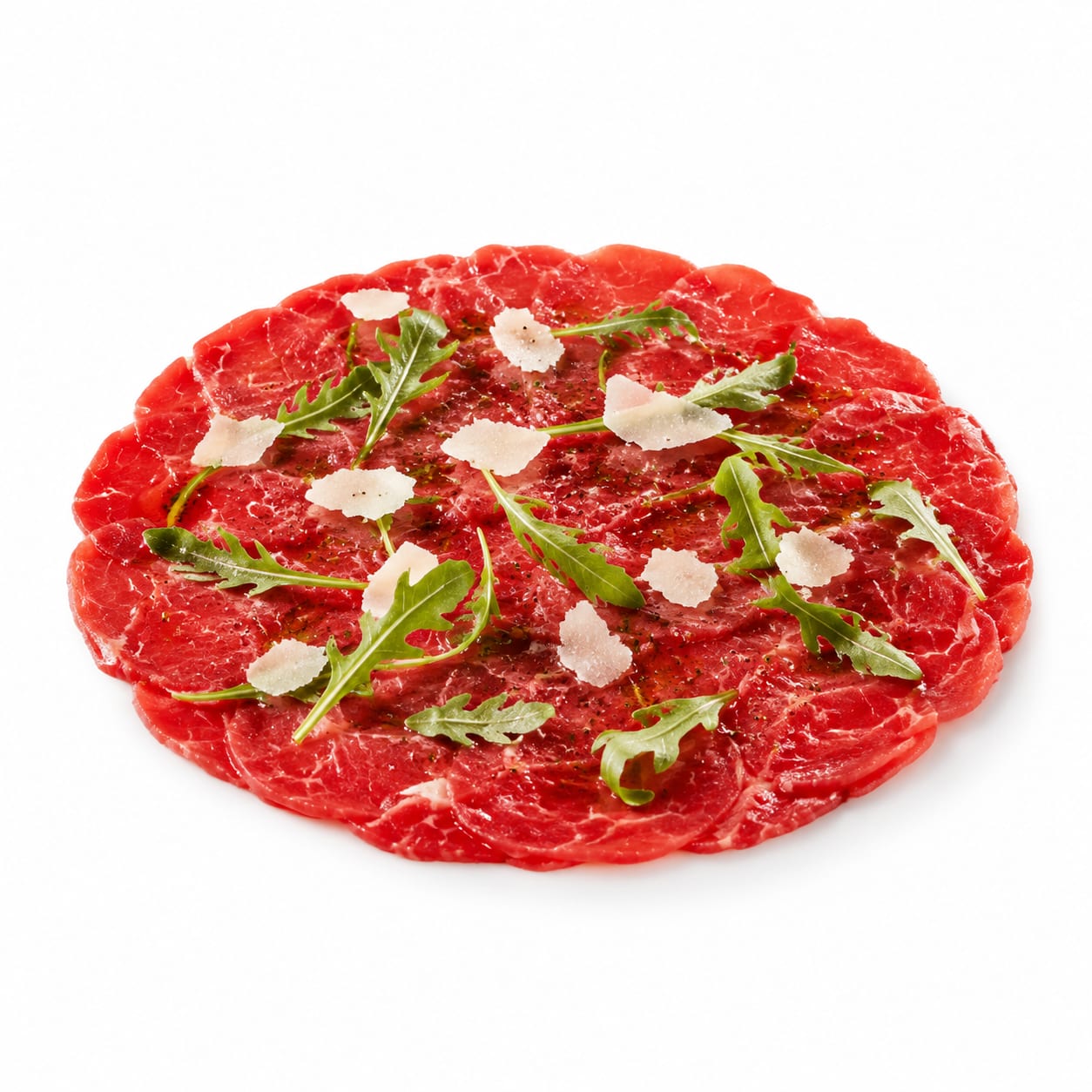
Carpaccio
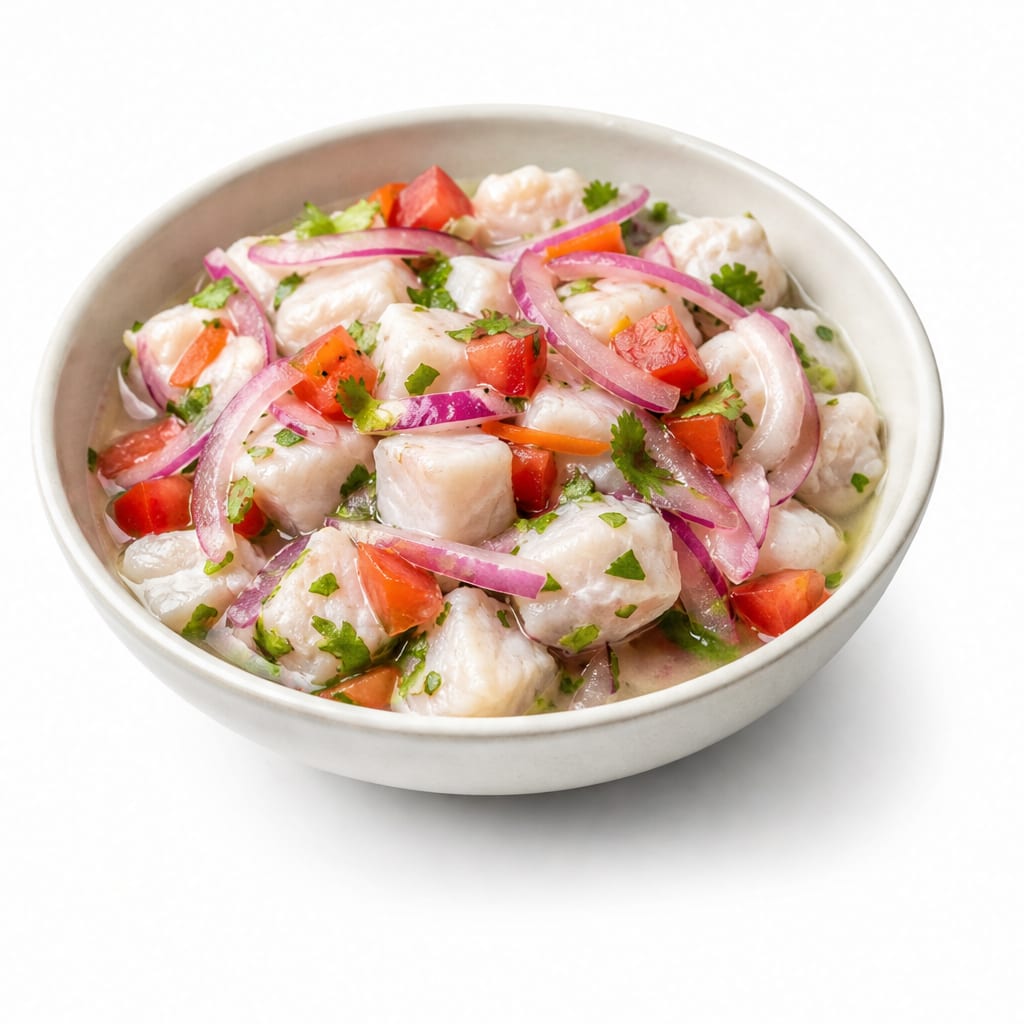
Ceviche
Ceviche wins for lightness and omega-3s; carpaccio wins for iron and satiety. Both carry real raw-protein risks that demand high-quality sourcing.
Ceviche scores moderately higher due to its leaner profile, omega-3 content, and lighter calorie load. Carpaccio remains valuable for iron and satiety but carries more saturated fat and a slightly higher bacterial contamination risk from raw beef surfaces.
Ceviche delivers leaner protein with heart-healthy fats but less staying power, while carpaccio is more filling and nutrient-dense but heavier and higher in saturated fat.
At a glance
Executive summary
Overall
It depends
Healthier
Ceviche
More practical
Ceviche
Daily use
Ceviche
Key comparison lenses
raw protein safety comparison
Both dishes feature raw animal protein, making foodborne illness risk the dominant concern for most diners
weight management and lightness
Both are popular as light starters or warm-weather meals, so calorie density and satiety matter
nutrient density tradeoffs
Beef carpaccio and fish ceviche offer fundamentally different micronutrient profiles worth weighing
digestive comfort and refreshment
Citrus-marinated fish feels lighter than oil-dressed beef, affecting how people feel after eating
dining occasion suitability
These dishes often compete for the same menu slot as appetizers or light lunches
Best choice for
Carpaccio
- People needing iron and B12 boost
- Those wanting a more satisfying appetizer that reduces overeating later
- Diners seeking richer flavor and mouthfeel
- Low-carb eaters wanting fat alongside protein
Ceviche
- People prioritizing heart health and omega-3 intake
- Those wanting a light, refreshing meal in hot weather
- Diners watching calorie intake
- Anyone seeking lean protein with anti-inflammatory fats
Least suitable for
Carpaccio
- People with compromised immune systems due to raw beef risk
- Those watching saturated fat intake
- Pregnant women who should avoid raw meat
- Anyone sensitive to rich, heavy starters
Ceviche
- People with compromised immune systems due to raw fish risk
- Pregnant women who should avoid raw fish
- Those with fish or shellfish allergies
- Diners concerned about mercury exposure from certain fish species
Deep comparison
Dimension by dimension
Each lens scores both foods and breaks down who each option suits.
- Dimension 1 · Priority 95Ceviche
food safety and contamination risk
Carpaccio · 45Ceviche · 55Both are risky raw dishes, but ceviche's acid marinade offers marginal pathogen reduction that carpaccio lacks.
Tradeoff
Citrus juice in ceviche partially denatures surface proteins and reduces some bacteria, though it does not fully cook the fish. Carpaccio's olive oil and lemon dressing provide no meaningful pathogen control.
Why it matters
Raw beef carries surface contamination risk from E. coli and Salmonella, while raw fish harbors parasites like Anisakis and Vibrio species. Neither dish is truly safe for vulnerable populations.
Real-world impact
A reputable restaurant with rigorous sourcing makes both reasonably safe. At home or from questionable sources, both can cause serious foodborne illness. Ceviche's acid gives a slight edge but should not create false confidence.
Carpaccio
- Diners who trust high-end beef sourcing and prefer minimal intervention preparation
Better for
- Anyone with weakened immunity
- Home cooks without access to restaurant-grade beef
Worse for
Ceviche
- Those who value any additional pathogen barrier, however modest
- Diners eating in coastal regions where fish freshness is more reliable
Better for
- Pregnant women and immunocompromised diners who must avoid all raw fish
- People in inland areas where fish freshness is harder to guarantee
Worse for
- Dimension 2 · Priority 85Ceviche
calorie density and weight management
Carpaccio · 50Ceviche · 78Ceviche is significantly lighter per serving, making it easier to fit into calorie-conscious eating.
Tradeoff
Carpaccio's olive oil dressing and richer meat add satisfying calories but can quietly push a light starter toward a heavy one. Ceviche relies on citrus and vegetables for flavor instead of fat.
Why it matters
A typical carpaccio serving can reach 250-350 calories due to olive oil and parmesan, while ceviche often lands between 150-220 calories with far less added fat.
Real-world impact
Choosing ceviche as a starter leaves more calorie room for the rest of your meal. Carpaccio may fill you up faster, which can be good or bad depending on your goals.
Carpaccio
- Those who want a starter that doubles as a mini-meal
- Active individuals who benefit from calorie density
Better for
- Diners trying to keep appetizers under 200 calories
- Those prone to overeating rich foods once they start
Worse for
Ceviche
- Anyone tracking calories or trying to lose weight
- People who prefer feeling light after eating rather than full
Better for
- Very active people who need more energy from each meal
- Those who feel unsatisfied without some dietary fat
Worse for
- Dimension 3 · Priority 80It depends
micronutrient profile
Carpaccio · 75Ceviche · 72Carpaccio dominates in iron, zinc, and B12; ceviche leads in omega-3s, selenium, and vitamin D.
Tradeoff
Red meat micronutrients support energy and blood health, while fish micronutrients support brain function and inflammation control. Your priority determines the winner.
Why it matters
Iron deficiency is common, especially in women, and carpaccio delivers heme iron that absorbs efficiently. Ceviche's omega-3s are harder to get from other foods in meaningful amounts.
Real-world impact
If you rarely eat red meat, carpaccio offers a nutrient boost you may be missing. If you already eat red meat regularly, ceviche's omega-3s provide more incremental value.
Carpaccio
- Women of reproductive age who need more iron
- Anyone with low B12 or zinc intake from other sources
Better for
- People with hemochromatosis or iron overload concerns
- Those already eating ample red meat
Worse for
Ceviche
- Those not eating fatty fish at least twice weekly
- People focused on anti-inflammatory nutrition patterns
Better for
- People avoiding fish due to mercury concerns
- Those who already take omega-3 supplements and eat fish regularly
Worse for
- Dimension 4 · Priority 75Carpaccio
satiety and fullness
Carpaccio · 78Ceviche · 55Carpaccio's fat and protein combination keeps you full longer than ceviche's leaner, lighter profile.
Tradeoff
More satiety means less snacking later, but also means less room for other nutritious foods at the same meal.
Why it matters
Fat slows gastric emptying and triggers satiety hormones. Carpaccio's olive oil and beef fat create a lasting fullness that ceviche's citrus-soaked fish cannot match.
Real-world impact
Carpaccio as a starter may help you eat less overall at dinner. Ceviche as a starter leaves you comfortable enough to enjoy the rest of the meal without feeling heavy.
Carpaccio
- People using appetizers to reduce overall meal intake
- Those who hate feeling hungry an hour after eating
Better for
- Anyone wanting a light pre-meal bite that does not compete with the main course
- People who feel sluggish after eating fat-heavy starters
Worse for
Ceviche
- Diners who want to save appetite for main courses
- Those who find rich starters unpleasant before heavier meals
Better for
- Those relying on appetizers to carry them between meals
- People prone to hunger soon after eating lean protein alone
Worse for
- Dimension 5 · Priority 75Ceviche
inflammatory and heart health impact
Carpaccio · 42Ceviche · 82Ceviche's omega-3s actively reduce inflammation, while carpaccio's saturated fat and red meat compounds promote it.
Tradeoff
Red meat in carpaccio contains compounds like Neu5Gc and heme iron that may promote inflammation and oxidative stress. Ceviche's fish oils push the body in the opposite direction.
Why it matters
Chronic inflammation underlies heart disease, joint problems, and metabolic issues. Consistently choosing anti-inflammatory foods over pro-inflammatory ones compounds over years.
Real-world impact
An occasional carpaccio will not tip the scales, but if you regularly choose between these two, ceviche better supports long-term cardiovascular and inflammatory health.
Carpaccio
- Those eating red meat rarely who want the nutrient benefits without cumulative inflammatory risk
Better for
- People with existing cardiovascular risk factors
- Those eating red meat more than a few times per month
Worse for
Ceviche
- Anyone with inflammatory conditions like arthritis
- People with family history of heart disease
- Those following Mediterranean or anti-inflammatory eating patterns
Better for
- People with fish allergies who cannot access omega-3s this way
Worse for
- Dimension 6 · Priority 65Ceviche
digestive comfort
Carpaccio · 52Ceviche · 70Ceviche feels lighter and easier on the stomach for most people, while carpaccio's richness can sit heavy.
Tradeoff
Raw fish marinated in citrus is gentler on digestion for most, though the acidity can bother some. Carpaccio's fat content slows digestion, which feels either satisfying or uncomfortable depending on the person.
Why it matters
How you feel after eating matters as much as nutrition. A heavy starter before a full meal can cause bloating and discomfort.
Real-world impact
Ceviche is the better lunch choice on a workday when you need to feel alert afterward. Carpaccio works better as a dinner starter when you can relax and digest slowly.
Carpaccio
- People who find citrus irritating to the stomach
- Those who prefer slow-digesting meals that prevent later hunger
Better for
- People with gallbladder issues who struggle with fat-heavy dishes
- Those who dislike feeling full during daytime activities
Worse for
Ceviche
- Anyone prone to post-meal bloating or heaviness
- Those eating before physical or mental activity
Better for
- People with acid reflux triggered by citrus
- Those who find raw fish difficult to tolerate digestively
Worse for
Timeline
Health impact over time
Short-term
Hours to days
Carpaccio
- Quick protein and fat satisfaction that reduces immediate hunger
- Potential for heaviness or sluggishness within 30-60 minutes
- Risk of foodborne illness within hours if beef was contaminated
- Mild energy dip possible as the body digests the fat load
Ceviche
- Light, energizing feeling shortly after eating
- Acid from citrus may cause mild heartburn in sensitive individuals
- Risk of foodborne illness within hours if fish was contaminated or improperly handled
- Refreshing sensation that does not interfere with activity levels
Long-term
Months to years
Carpaccio
- Consistent intake could contribute to higher saturated fat consumption and cardiovascular risk
- Excellent heme iron and B12 support for blood health if eaten occasionally
- Regular raw beef consumption increases cumulative exposure to foodborne pathogens
- Compounds in red meat like Neu5Gc may promote low-grade inflammation over time
Ceviche
- Regular omega-3 intake supports heart, brain, and joint health meaningfully
- Lean protein pattern helps maintain healthy weight long-term
- Mercury exposure becomes a concern if ceviche is made from high-mercury fish and eaten frequently
- Anti-inflammatory fat profile may reduce chronic disease risk over years
Risk profile
Safety & processing
Both dishes are about as minimally processed as animal protein gets. Carpaccio is sliced raw beef with olive oil, lemon, and seasonings. Ceviche is raw fish with citrus juice, onions, and chili. Neither typically contains preservatives or artificial additives when prepared traditionally.
Carpaccio
E. coli and Salmonella from raw beef surfaces
highGround or surface-contaminated beef is a major vector for pathogenic E. coli. Carpaccio uses whole muscle cuts, which reduces risk compared to tartare, but surface bacteria remain a real concern.
Toxoplasma gondii from undercooked meat
mediumThis parasite can be present in beef and survives raw preparation. Particularly dangerous for pregnant women and immunocompromised individuals.
Listeria monocytogenes
mediumCold-prepared raw meats can harbor Listeria, especially if not kept at proper temperatures during service.
Ceviche
Anisakis and other fish parasites
highRaw marine fish can carry parasitic worms that cause gastrointestinal distress. Proper freezing before preparation kills most parasites, but not all restaurants follow this protocol.
Vibrio and other marine bacteria
mediumWarm-water fish species can carry Vibrio bacteria that cause serious illness. Citrus marinade does not reliably kill these organisms.
Mercury and heavy metal accumulation
mediumDepending on the fish species used, mercury exposure can be significant. Larger predatory fish like tuna or swordfish ceviche carry more risk than smaller fish like sea bass or flounder.
Scombroid poisoning from improperly stored fish
lowIf fish is not kept cold enough, histamine builds up and can cause allergic-type reactions even if the fish tastes normal.
Who wins for whom
Audience fit
Same foods, different winners depending on your goal.
children
It dependsNeither raw dish is recommended for young children due to food safety risks. If forced to choose, a well-sourced ceviche made from low-mercury fish is marginally safer, but both should generally be avoided for kids.
daily consumption
CevicheCeviche's lighter calorie load, omega-3 benefits, and lower saturated fat make it more sustainable as an occasional regular choice, though neither should truly be eaten daily due to raw protein risks.
diabetes
CevicheBoth are very low in carbohydrates, but ceviche's lower saturated fat and anti-inflammatory omega-3s better support insulin sensitivity and cardiovascular health in diabetic patients.
elderly
It dependsBoth carry raw protein risks that are more dangerous for older adults with declining immune function. Neither is a good regular choice. If occasionally enjoyed, sourcing quality matters more than which dish.
muscle gain
CarpaccioCarpaccio delivers more total protein per serving with the added calories and fat that support a caloric surplus needed for muscle building.
weight loss
CevicheCeviche provides satisfying protein with far fewer calories and less fat, making it easier to maintain a calorie deficit without feeling deprived.
Your move
Decision guide
Choose Carpaccio
- You want a richer, more satisfying appetizer that reduces hunger for hours
- You are low in iron or B12 and eat red meat infrequently
- You are at a high-quality restaurant with trusted beef sourcing
- You prefer bold, savory flavors over bright, acidic ones
- You are eating a late dinner and want something that feels like a real course
Choose Ceviche
- You want something light and refreshing, especially in warm weather
- Heart health and omega-3 intake are priorities for you
- You are watching calories but still want flavorful protein
- You are eating before activity and need to feel energized, not weighed down
- You prefer bright, citrus-forward flavors over rich, oily ones
Either works if
- You trust the restaurant's sourcing and freshness completely
- You want a sophisticated raw appetizer and the specific protein source does not matter
- You are dining with someone who wants to share both as starters
Avoid both if
- You are pregnant, immunocompromised, or serving food to young children
- You cannot verify the quality and freshness of the ingredients
- You have a history of food poisoning that makes you cautious about raw proteins
- You are eating at an unfamiliar establishment with questionable hygiene standards
Final recommendation
Choose ceviche for everyday health benefits and lighter eating; save carpaccio for occasional indulgence when you want something richer. Both demand excellent sourcing, so always prioritize the restaurant you trust over the dish you crave.
Practical
Consumer tips
- 1
Ask your restaurant whether their fish has been previously frozen, which kills most parasites in ceviche
- 2
If making carpaccio at home, sear the beef's exterior briefly before slicing to reduce surface bacteria
- 3
Choose ceviche made from smaller fish like sea bass or flounder rather than tuna or swordfish to reduce mercury exposure
- 4
Limit raw protein dishes to once or twice per week maximum to manage cumulative food safety risk
- 5
If ordering carpaccio, ask for less olive oil dressing to cut 80-120 calories without sacrificing flavor
- 6
Pair ceviche with a small portion of whole grains or sweet potato to add fiber and make it a complete meal
- 7
Avoid both dishes from buffets or establishments where temperature control is uncertain