
Nutrition comparison
Carpaccio vs Prosciutto: Which Italian Appetizer Is Healthier?
Compare Carpaccio and Prosciutto on health, safety, sodium, and cancer risk. Learn which raw or cured meat is the smarter choice for your diet and lifestyle.
Overall winner · Carpaccio
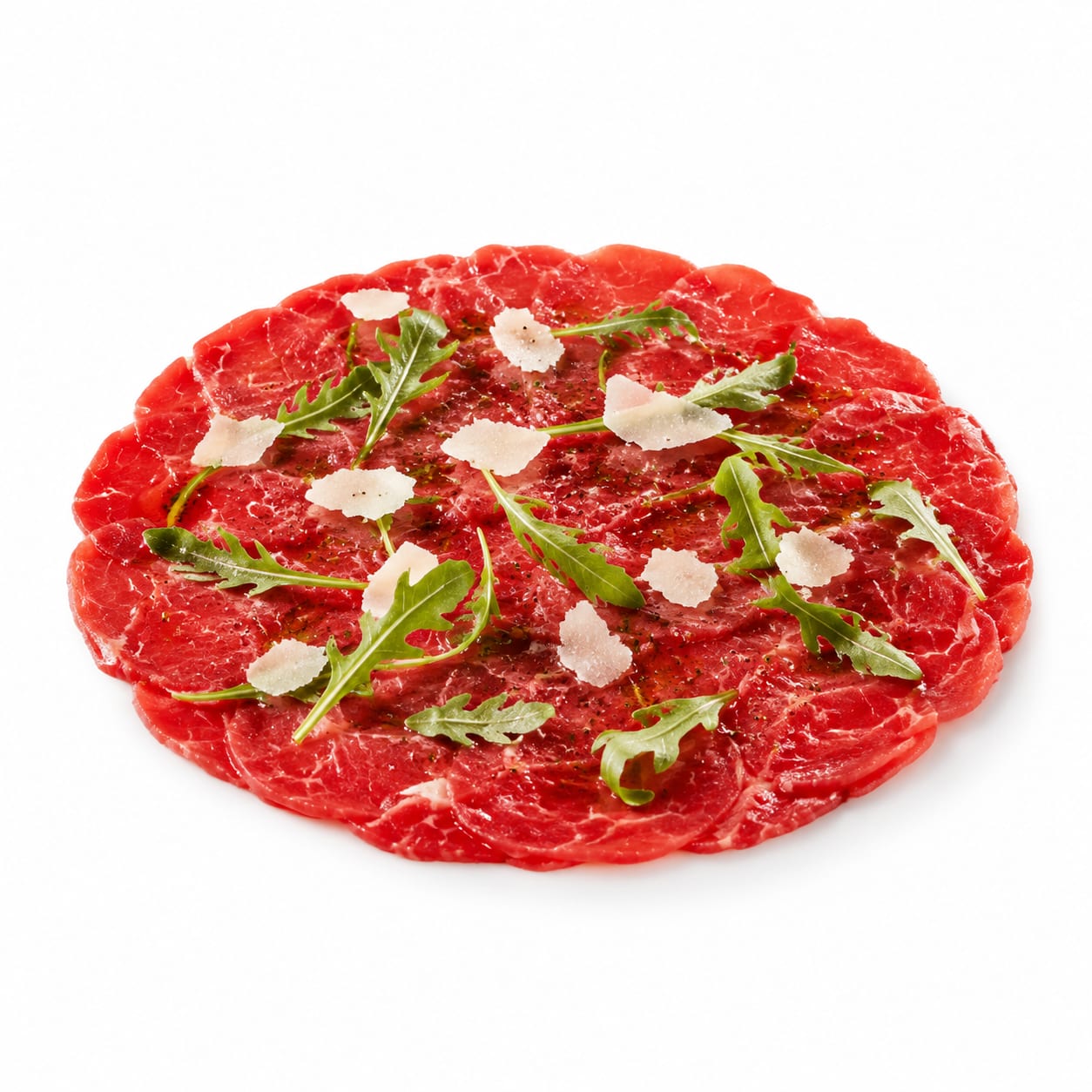
Carpaccio
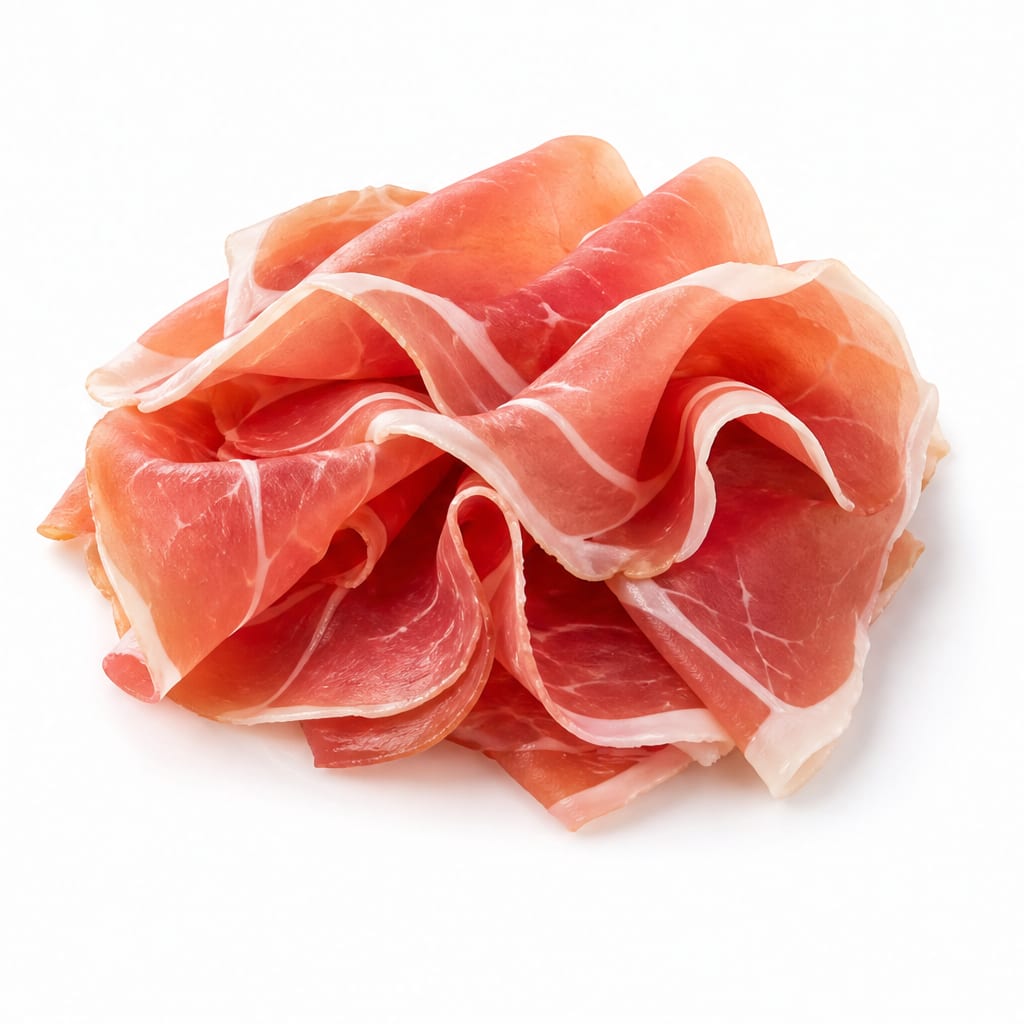
Prosciutto
Carpaccio wins on health due to zero curing additives and low sodium, but Prosciutto is safer from a foodborne illness perspective and far more convenient.
Carpaccio scores notably higher because it avoids the well-established health risks of cured meats. However, its raw meat safety concerns and limited accessibility prevent a very high score. Prosciutto loses ground primarily on sodium load and WHO processed meat classification, despite being safer from a bacterial standpoint.
Carpaccio avoids the processed meat cancer risk and sodium bomb of Prosciutto, but carries raw meat safety concerns that demand impeccable sourcing.
At a glance
Executive summary
Overall
Carpaccio
Healthier
Carpaccio
More practical
Prosciutto
Daily use
Carpaccio
Key comparison lenses
processing and cancer risk
Prosciutto is a cured meat classified as a Group 1 carcinogen by WHO; Carpaccio is raw but unprocessed, making this the most critical health differentiator
food safety raw vs cured
Carpaccio carries raw meat contamination risks while Prosciutto's curing process kills most pathogens, creating a direct safety tradeoff
sodium load
Prosciutto is extremely high in sodium due to salt curing; Carpaccio is naturally low sodium, making this relevant for blood pressure and heart health
everyday versus occasional use
Users often wonder which is safer to eat more regularly as a charcuterie or antipasto staple
protein quality and satiation
Both are high-protein appetizers but differ in fat profile and how filling they feel
Best choice for
Carpaccio
- People watching blood pressure or sodium intake
- Those avoiding processed meats and nitrates
- Anyone prioritizing clean, minimally processed protein
- Mediterranean-style eaters wanting fresh antipasti
Prosciutto
- Those who want shelf-stable protein without refrigeration worries
- People with compromised immunity who must avoid raw meat
- Convenience-focused entertainers hosting charcuterie boards
- Anyone needing a quick salty protein boost after intense exercise
Least suitable for
Carpaccio
- Pregnant women due to raw meat risks
- Immunocompromised individuals
- Anyone without access to high-quality, trustworthy sourcing
- People who need shelf-stable options
Prosciutto
- People with hypertension or sodium-sensitive conditions
- Those reducing processed meat intake for cancer prevention
- Anyone on a low-sodium diet
- Children who should limit cured meat consumption
Deep comparison
Dimension by dimension
Each lens scores both foods and breaks down who each option suits.
- Dimension 1 · Priority 95Carpaccio
Processing and Carcinogen Risk
Carpaccio · 90Prosciutto · 25Carpaccio is raw and unprocessed. Prosciutto is dry-cured and falls under the WHO Group 1 carcinogen category for processed meats.
Tradeoff
You gain food safety from curing but accept a real increase in long-term cancer risk with Prosciutto.
Why it matters
Regular processed meat consumption is linked to colorectal cancer. Even moderate intake adds up over years.
Real-world impact
Eating Prosciutto a few times a month is low risk, but daily or near-daily consumption is where the evidence becomes concerning.
Carpaccio
- Long-term health optimization
- Avoiding nitrate and nitrite exposure
- Clean-label eating patterns
Better for
Prosciutto
- Colorectal cancer risk with frequent consumption
- Cumulative exposure to curing compounds
- Regular charcuterie habit forming
Worse for
- Dimension 2 · Priority 85Carpaccio
Sodium and Blood Pressure Impact
Carpaccio · 88Prosciutto · 20Carpaccio has naturally low sodium. A single serving of Prosciutto can deliver 500-800mg of sodium, roughly a third of your daily limit.
Tradeoff
Prosciutto's signature savory flavor comes directly from heavy salting, which stresses your cardiovascular system over time.
Why it matters
High sodium intake is the leading dietary risk factor for hypertension and stroke worldwide.
Real-world impact
Two slices of Prosciutto at lunch plus normal eating can easily push you past 2300mg sodium before dinner.
Carpaccio
- Blood pressure management
- Kidney health preservation
- Bloat and water retention avoidance
Better for
Prosciutto
- Post-meal thirst and water retention
- Blood pressure spikes in sensitive individuals
- Difficulty staying within daily sodium limits
Worse for
- Dimension 3 · Priority 90Prosciutto
Food Safety and Contamination Risk
Carpaccio · 35Prosciutto · 80Carpaccio's raw state means bacterial and parasitic contamination is a real possibility. Prosciutto's salt curing and aging process destroys most pathogens.
Tradeoff
Carpaccio is healthier on paper but demands absolute trust in your supplier's hygiene and cold chain.
Why it matters
Raw beef can harbor E. coli, Salmonella, and parasites if handling is not impeccable.
Real-world impact
A bad batch of Carpaccio can mean serious food poisoning. Prosciutto almost never causes acute illness.
Carpaccio
- Risk of foodborne illness from contamination
- Requires strict cold chain and fresh preparation
- Not safe for vulnerable populations
Worse for
Prosciutto
- Pregnant women needing to avoid raw meat
- Immunocompromised diners
- Buffet or outdoor dining where temperature control is uncertain
Better for
- Dimension 4 · Priority 70It depends
Protein Quality and Satiety
Carpaccio · 72Prosciutto · 70Both deliver high-quality complete protein with all essential amino acids. Carpaccio is leaner; Prosciutto has more fat which can increase satiety slightly.
Tradeoff
Carpaccio gives you cleaner protein per calorie, while Prosciutto's fat content makes it slightly more satisfying per slice.
Why it matters
For appetite control, fat content matters. For lean muscle goals, lower fat protein wins.
Real-world impact
Carpaccio feels lighter and cleaner after eating. Prosciutto feels richer and more indulgent, curbing hunger longer.
Carpaccio
- Lean muscle building goals
- Calorie-conscious protein intake
- Lighter appetizer experiences
Better for
- May feel less satisfying as a standalone snack
Worse for
Prosciutto
- Longer-lasting satiety between meals
- Keto and low-carb eating patterns
- Richer flavor satisfaction from fat content
Better for
- Higher calorie density per gram of protein
Worse for
- Dimension 5 · Priority 65Prosciutto
Convenience and Accessibility
Carpaccio · 30Prosciutto · 85Prosciutto is shelf-stable, pre-sliced, and available everywhere. Carpaccio must be sliced paper-thin from raw meat and consumed immediately.
Tradeoff
Prosciutto trades health quality for unmatched convenience. Carpaccio demands a skilled hand and same-day freshness.
Why it matters
The food you can actually source and prepare reliably often wins in real life.
Real-world impact
You can grab Prosciutto at any grocery store and serve it in seconds. Carpaccio requires a good butcher and a sharp knife or slicer.
Carpaccio
- Difficult to prepare without proper equipment
- Must be consumed immediately after slicing
- Limited availability at standard grocery stores
Worse for
Prosciutto
- Last-minute entertaining and charcuterie boards
- Travel and picnic protein options
- Quick no-cook meal assembly
Better for
Timeline
Health impact over time
Short-term
Hours to days
Carpaccio
- Risk of foodborne illness if meat is not impeccably sourced and handled
- Light, clean feeling after eating due to low sodium and fat
- Minimal digestive discomfort for most people
Prosciutto
- Noticeable thirst and potential water retention from high sodium
- Quick satiety from fat and salt content
- Possible blood pressure spike in sodium-sensitive individuals
Long-term
Months to years
Carpaccio
- No processed meat cancer risk with regular consumption
- Cardiovascular-friendly sodium profile
- Continued raw meat risk requires consistent sourcing vigilance
Prosciutto
- Increased colorectal cancer risk with frequent intake per WHO classification
- Cumulative cardiovascular strain from chronic high sodium intake
- Potential for developing a high-salt taste preference that affects other food choices
Risk profile
Safety & processing
Carpaccio is essentially raw beef with oil and seasoning, making it one of the least processed meat preparations. Prosciutto undergoes salt curing and months-long aging, which preserves it but introduces sodium and nitrate concerns. Traditional Prosciutto uses only salt and time, but commercial versions may include nitrates or preservatives.
Carpaccio
Bacterial contamination (E. coli, Salmonella)
highRaw beef surface area is exposed during slicing, creating significant contamination risk if handling is not pristine.
Parasitic infection
mediumToxoplasma and other parasites can be present in raw beef, though less common than in pork. Freezing before preparation reduces this risk.
Temperature abuse
highCarpaccio must be kept consistently cold. Any time in the danger zone multiplies bacterial growth rapidly.
Prosciutto
Nitrate and nitrite exposure
mediumTraditional Prosciutto relies on salt alone, but many commercial producers add nitrates. These compounds can form nitrosamines, which are carcinogenic.
Listeria in sliced packaged products
lowPre-sliced Prosciutto has a small listeria risk, particularly if consumed past its freshness window.
High sodium acute effects
mediumA large serving can cause acute blood pressure elevation and dehydration in sensitive individuals.
Who wins for whom
Audience fit
Same foods, different winners depending on your goal.
children
ProsciuttoRaw meat is not recommended for children due to their developing immune systems. Prosciutto is safer from a contamination standpoint, though sodium should still be limited.
daily consumption
CarpaccioCarpaccio's low sodium and lack of processing make it safer for regular intake, assuming reliable sourcing. Prosciutto should be an occasional food due to cancer risk and sodium.
diabetes
CarpaccioBoth are near-zero carb, but Carpaccio avoids the sodium-driven cardiovascular risk that diabetics are already vulnerable to.
elderly
ProsciuttoOlder adults with weakened immunity should avoid raw meat. Prosciutto's curing makes it safer from bacterial threats, though sodium intake should be monitored.
muscle gain
It dependsBoth provide high-quality protein. Carpaccio is leaner per calorie, but Prosciutto's higher calorie density can help those needing a surplus.
weight loss
CarpaccioCarpaccio is lower in calories and sodium, making it easier to fit into a calorie-controlled eating plan without water retention.
Your move
Decision guide
Choose Carpaccio
- You have access to high-quality, trustworthy beef from a reputable butcher
- You are watching sodium intake or blood pressure
- You want to avoid processed meats for long-term health
- You prefer lighter, cleaner-tasting appetizers
- You are comfortable with raw food preparation and safety protocols
Choose Prosciutto
- You are serving a crowd and need convenient, shelf-stable protein
- You or your guests are pregnant or immunocompromised
- You want a rich, salty flavor that satisfies deeply in small amounts
- You are building a charcuterie board and need variety
- You lack confidence in raw meat handling and sourcing
Either works if
- You want an elegant Italian-style appetizer
- You are following a low-carb or keto eating pattern
- You need high-quality protein as a snack or starter
Avoid both if
- You are vegetarian or vegan
- You have severe cardiovascular disease requiring strict sodium limits
- You are highly cautious about both raw meat and processed meat risks simultaneously
Final recommendation
For health-conscious eaters with access to quality beef, Carpaccio is the better regular choice. It avoids the processed meat classification and sodium load that make Prosciutto a sometimes food. However, if food safety is your top priority, especially for vulnerable diners, Prosciutto's curing process provides peace of mind that raw beef cannot match. The best approach: enjoy Carpaccio when you trust the source, and keep Prosciutto as an occasional indulgence rather than a daily habit.
Practical
Consumer tips
- 1
Ask your butcher to freeze the beef for 48 hours before making Carpaccio at home. This kills most parasites without affecting texture.
- 2
Look for Prosciutto di Parma or San Daniele, which use only salt and no added nitrates, for a cleaner cured option.
- 3
If making Carpaccio, slice the beef while it is partially frozen for paper-thin results without a professional slicer.
- 4
Rinse Prosciutto briefly under water if you want to reduce surface sodium by up to 25 percent without losing much flavor.
- 5
Limit Prosciutto to once or twice a week maximum to stay within safer processed meat consumption thresholds.
- 6
Pair Carpaccio with lemon juice and olive oil. The acid adds food safety benefit while the oil enhances nutrient absorption.