
Nutrition comparison
Carpaccio vs Cooked Shrimp: Which Appetizer Is Healthier and Safer?
Compare Carpaccio and Cooked Shrimp on nutrition, food safety, protein, and heart health. Find out which starter is the smarter choice for your goals.
Overall winner · Cooked Shrimp
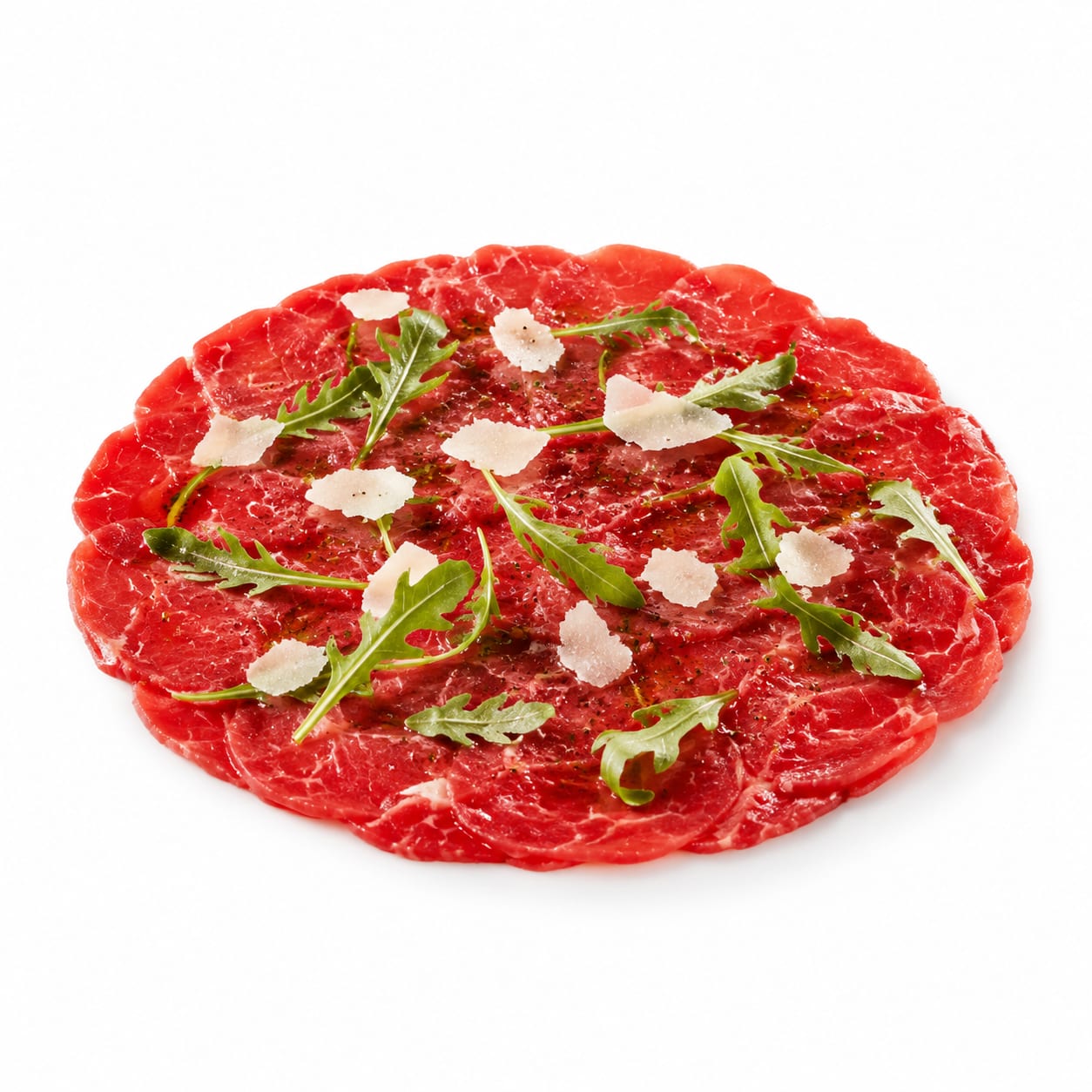
Carpaccio
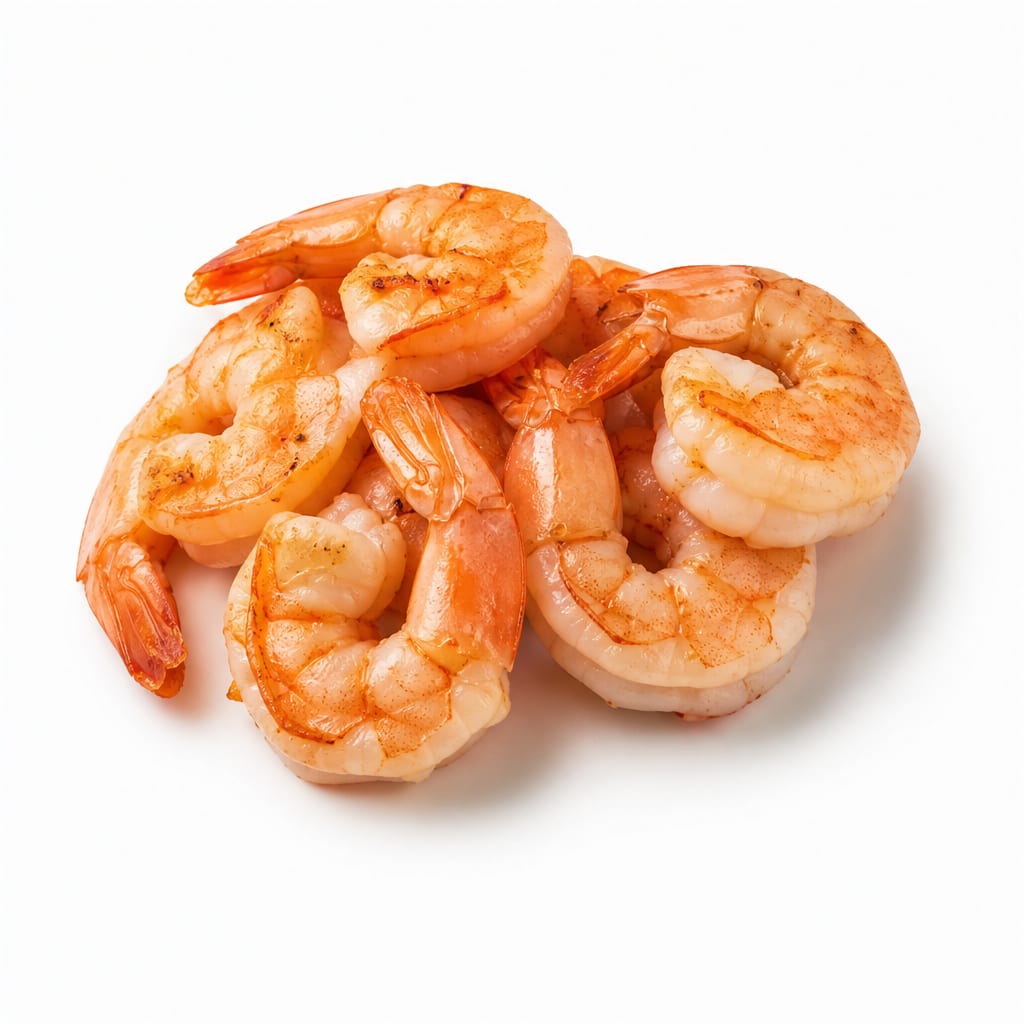
Cooked Shrimp
Cooked Shrimp is the safer and leaner choice, while Carpaccio offers richer flavor and more iron but carries real raw-meat risks.
Cooked Shrimp scores notably higher due to its strong safety profile and lean protein. Carpaccio loses ground primarily on food safety and saturated fat, though it wins on iron content and satiety.
You trade the bold taste and iron boost of raw beef for the food safety and leanness of cooked shrimp.
At a glance
Executive summary
Overall
Cooked Shrimp
Healthier
Cooked Shrimp
More practical
Cooked Shrimp
Daily use
Cooked Shrimp
Key comparison lenses
raw vs cooked safety
Carpaccio is served raw, making foodborne illness risk the dominant concern for most diners
lean protein selection
Both are high-protein appetizers, but fat content and protein leanness differ significantly
restaurant appetizer choice
Both are commonly ordered as starters, so real-world dining decisions are frequent
cholesterol and heart health
Shrimp is high in dietary cholesterol while carpaccio delivers saturated fat from beef
nutrient density comparison
Iron and B12 from beef versus iodine and selenium from shrimp represent different nutritional strengths
Best choice for
Carpaccio
- People with low iron or B12 needs who trust their restaurant source
- Those seeking a more indulgent, flavor-forward appetizer experience
- Diners avoiding shellfish allergies
Cooked Shrimp
- Anyone prioritizing food safety, especially pregnant women and immunocompromised diners
- Those watching saturated fat while keeping protein high
- People who want a lighter starter before a main course
Least suitable for
Carpaccio
- Pregnant women, young children, elderly, and immunocompromised individuals
- Anyone anxious about raw meat or unfamiliar restaurant hygiene
- People monitoring saturated fat intake closely
Cooked Shrimp
- People with shellfish allergies
- Those strictly limiting dietary cholesterol
- Diners seeking a hearty, filling appetizer
Deep comparison
Dimension by dimension
Each lens scores both foods and breaks down who each option suits.
- Dimension 1 · Priority 95Cooked Shrimp
food_safety
Carpaccio · 35Cooked Shrimp · 85Carpaccio is raw beef, carrying inherent bacterial and parasitic risks. Cooked Shrimp is heat-treated, eliminating most pathogens.
Tradeoff
You gain bold flavor with Carpaccio but accept the non-trivial risk of foodborne illness, especially at restaurants with inconsistent hygiene.
Why it matters
Raw meat can harbor E. coli, Salmonella, Listeria, and parasites. Cooking destroys nearly all of these threats.
Real-world impact
A bad carpaccio order can mean days of illness. Cooked shrimp rarely causes acute food poisoning when properly prepared.
Carpaccio
- Diners at highly trusted, high-end restaurants with rigorous sourcing
Better for
- Late-night dining where kitchen rigor may slip
- Buffet or pre-sliced carpaccio sitting at temperature
Worse for
Cooked Shrimp
- Pregnant women
- Older adults
- Anyone with a weakened immune system
- Travelers in unfamiliar food environments
Better for
- All-you-can-eat shrimp buffets with time-temperature abuse
Worse for
- Dimension 2 · Priority 85Cooked Shrimp
protein_quality_and_leanness
Carpaccio · 60Cooked Shrimp · 88Cooked Shrimp delivers more protein per calorie with almost no saturated fat. Carpaccio provides solid protein but comes with more fat from the beef and olive oil dressing.
Tradeoff
Shrimp is the cleaner protein source, while Carpaccio feels more substantial but adds saturated fat calories.
Why it matters
Leaner protein supports muscle maintenance and heart health without excess calories crowding your daily budget.
Real-world impact
A shrimp appetizer leaves room for your main course. Carpaccio can feel heavy before the entrée even arrives.
Carpaccio
- Those who find lean protein unsatisfying and prefer richer starters
Better for
- Cutting phases where every fat gram matters
Worse for
Cooked Shrimp
- Anyone tracking macros or calories
- People aiming for lean muscle gain
- Those trying to keep appetizers light
Better for
- Those who feel hungry shortly after light appetizers
Worse for
- Dimension 3 · Priority 70It depends
micronutrient_profile
Carpaccio · 75Cooked Shrimp · 72Carpaccio excels in iron, zinc, and B12. Cooked Shrimp shines with iodine, selenium, and B12. They serve different nutritional needs.
Tradeoff
Iron-deficient diners benefit more from Carpaccio. Those needing thyroid-supporting minerals get more from Shrimp.
Why it matters
Iron deficiency is common, especially in women. Iodine and selenium support thyroid and immune function but are often overlooked.
Real-world impact
If you feel fatigued and run-down, Carpaccio's iron hit could help. If you want thyroid and antioxidant support, Shrimp is the better pick.
Carpaccio
- Women with heavy menstrual cycles
- Vegetarians occasionally eating meat for iron
- Anyone with diagnosed iron deficiency
Better for
- People with hemochromatosis or iron overload
Worse for
Cooked Shrimp
- People with low selenium intake
- Those needing iodine for thyroid health
- Anyone seeking antioxidant mineral support
Better for
- Those already meeting iodine needs through iodized salt or seaweed
Worse for
- Dimension 4 · Priority 75Cooked Shrimp
heart_health_impact
Carpaccio · 45Cooked Shrimp · 68Carpaccio brings saturated fat from beef. Shrimp brings dietary cholesterol but virtually no saturated fat. Current science favors Shrimp's fat profile for heart health.
Tradeoff
Shrimp's cholesterol is less concerning than once believed, while beef's saturated fat remains a clearer cardiovascular risk.
Why it matters
Saturated fat raises LDL cholesterol more reliably than dietary cholesterol does for most people.
Real-world impact
Regularly choosing shrimp over beef appetizers is a small but meaningful heart-health move over years of dining out.
Carpaccio
- People without cardiovascular risk factors who eat red meat rarely
Better for
- Regular red meat eaters already hitting saturated fat limits
Worse for
Cooked Shrimp
- Anyone with elevated LDL cholesterol
- People with family history of heart disease
- Those following Mediterranean-style eating patterns
Better for
- Hyper-responders to dietary cholesterol, though this is uncommon
Worse for
- Dimension 5 · Priority 65Carpaccio
satiety_and_dining_experience
Carpaccio · 78Cooked Shrimp · 55Carpaccio's fat content and richer mouthfeel make it more satisfying as a starter. Shrimp is lighter and can leave you wanting more.
Tradeoff
More satisfying now might mean less room for your main course later. Lighter starts preserve appetite.
Why it matters
Appetizer satisfaction affects how much you eat at the rest of the meal and how you feel afterward.
Real-world impact
Carpaccio feels like a real course. Shrimp feels like a prelude. Choose based on how hungry you are.
Carpaccio
- Diners having a light main course who want a satisfying starter
- Those eating appetizers as a small meal
Better for
- Heavy main courses already planned — you may feel stuffed
Worse for
Cooked Shrimp
- Multi-course dinners where pacing matters
- Anyone who has overeaten at appetizer stage before
Better for
- Very hungry diners who need something substantial before waiting for the entrée
Worse for
- Dimension 6 · Priority 60Carpaccio
allergen_and_sensitivity_risk
Carpaccio · 70Cooked Shrimp · 40Shellfish allergy is one of the most common and severe food allergies. Beef allergy is rare by comparison.
Tradeoff
Carpaccio avoids the top allergen category entirely, while Shrimp is dangerous for a significant minority of people.
Why it matters
Shellfish allergies can cause anaphylaxis and are lifelong. This is a binary concern — it either affects you or it does not.
Real-world impact
For someone with a shellfish allergy, this comparison ends immediately. Carpaccio is the only safe option.
Carpaccio
- Anyone with shellfish allergy
- Diners cooking for groups where allergies are unknown
Better for
- Anyone avoiding red meat for religious or ethical reasons
Worse for
Cooked Shrimp
- People with alpha-gal syndrome who must avoid mammal meat
- Those with beef-specific sensitivities
Better for
- Shellfish-allergic individuals
- Households with allergic children where cross-contamination is a concern
Worse for
Timeline
Health impact over time
Short-term
Hours to days
Carpaccio
- Risk of nausea, cramping, or diarrhea if meat is contaminated
- Higher satiety from fat content may reduce subsequent overeating
- Rich flavor can trigger overconsumption if portion is uncontrolled
Cooked Shrimp
- Quick, clean protein with minimal digestive burden for most people
- Possible mild allergic reactions in undiagnosed shellfish-sensitive individuals
- Light profile may leave you hungry sooner than expected
Long-term
Months to years
Carpaccio
- Repeated raw meat consumption increases cumulative foodborne illness exposure
- Regular saturated fat intake from beef may raise cardiovascular risk over time
- Consistent iron intake supports energy levels and prevents deficiency
Cooked Shrimp
- Regular lean protein intake supports muscle maintenance and healthy aging
- Selenium and iodine contribute to long-term thyroid and immune function
- Frequent shrimp consumption may slightly elevate cholesterol in hyper-responders
Risk profile
Safety & processing
Both are whole foods at their core, but Cooked Shrimp sometimes receives sodium tripolyphosphate or sodium bisulfite preservatives to maintain texture and color. Carpaccio is typically just raw beef with olive oil and seasonings, making it cleaner from an additive standpoint despite its safety concerns.
Carpaccio
Bacterial contamination
highRaw beef can carry E. coli, Salmonella, and Listeria. Proper cold-chain handling is critical and not always guaranteed.
Parasitic infection
mediumToxoplasma and tapeworm are possible in undercooked or raw beef, though freezing protocols reduce this risk in commercial supply.
Cross-contamination at restaurant level
mediumSlicing and plating raw meat introduces multiple handling steps where hygiene can fail.
Cooked Shrimp
Sulfite sensitivity reaction
mediumShrimp are often treated with sulfites to prevent blackspot discoloration, which can trigger asthma in sensitive individuals.
Improper holding temperature
mediumCooked shrimp left at room temperature too long can grow pathogens rapidly, especially at buffets.
Heavy metal and microplastic exposure
lowShrimp can contain trace arsenic and microplastics, though levels in most commercial shrimp are within safe limits.
Who wins for whom
Audience fit
Same foods, different winners depending on your goal.
children
Cooked ShrimpRaw meat is not recommended for children due to their developing immune systems. Cooked Shrimp is safer, though shellfish allergy risk should be monitored.
daily consumption
Cooked ShrimpCooked Shrimp can be eaten regularly with minimal risk. Daily raw beef consumption is not advisable due to cumulative pathogen exposure and saturated fat intake.
diabetes
Cooked ShrimpBoth are low-carb, but Shrimp's lower saturated fat content is preferable for cardiovascular risk management in diabetic populations.
elderly
Cooked ShrimpOlder adults have weaker immune systems and are more vulnerable to foodborne illness, making raw beef an unnecessary risk.
muscle gain
Cooked ShrimpHigher protein density and lower fat content make Cooked Shrimp a more efficient muscle-building food when total calorie control matters.
weight loss
Cooked ShrimpCooked Shrimp provides more protein per calorie with minimal fat, making it easier to stay within a calorie deficit while staying satisfied.
Your move
Decision guide
Choose Carpaccio
- You are dining at a trusted high-end restaurant with excellent hygiene standards
- You have low iron levels and want a bioavailable iron boost
- You are avoiding shellfish due to allergy
- You want a richer, more indulgent appetizer experience
Choose Cooked Shrimp
- Food safety is a priority, especially if you are pregnant, elderly, or immunocompromised
- You want lean protein without the saturated fat
- You are managing heart health or cholesterol
- You prefer a lighter starter that will not fill you before the main course
Either works if
- You are a healthy adult eating occasionally at a reputable restaurant
- You want a low-carb, high-protein appetizer and both options appeal
- You are focusing on overall dietary pattern rather than a single course
Avoid both if
- You have gout and are sensitive to purine-rich foods
- You are following a strict plant-based diet
- You are severely sodium-restricted and both are prepared with added salt
Final recommendation
For most diners, Cooked Shrimp is the smarter regular choice — it is safer, leaner, and easier on your heart. Save Carpaccio for occasional indulgences at restaurants you trust, and enjoy it knowing the tradeoffs you are making.
Practical
Consumer tips
- 1
Ask your server whether the carpaccio is flash-frozen before preparation — this kills most parasites
- 2
If ordering shrimp, ask whether sulfites are used, especially if you have asthma
- 3
For the leanest shrimp option, choose grilled or steamed over buttery or fried preparations
- 4
Carpaccio portions are often larger than they appear — the fat calories add up quickly
- 5
If meal-prepping, cooked shrimp keeps safely in the fridge for 3-4 days; raw beef for carpaccio should be consumed the same day it is sliced
- 6
Pregnant women should avoid carpaccio entirely regardless of restaurant quality