
Nutrition comparison
Carpaccio vs Beef Tartare: Safety, Nutrition, and Which Raw Beef Dish to Order
Comparing Carpaccio and Beef Tartare on food safety, protein content, fat profile, and dining experience. Learn which raw beef dish is safer, more nutritious, and better for your needs.
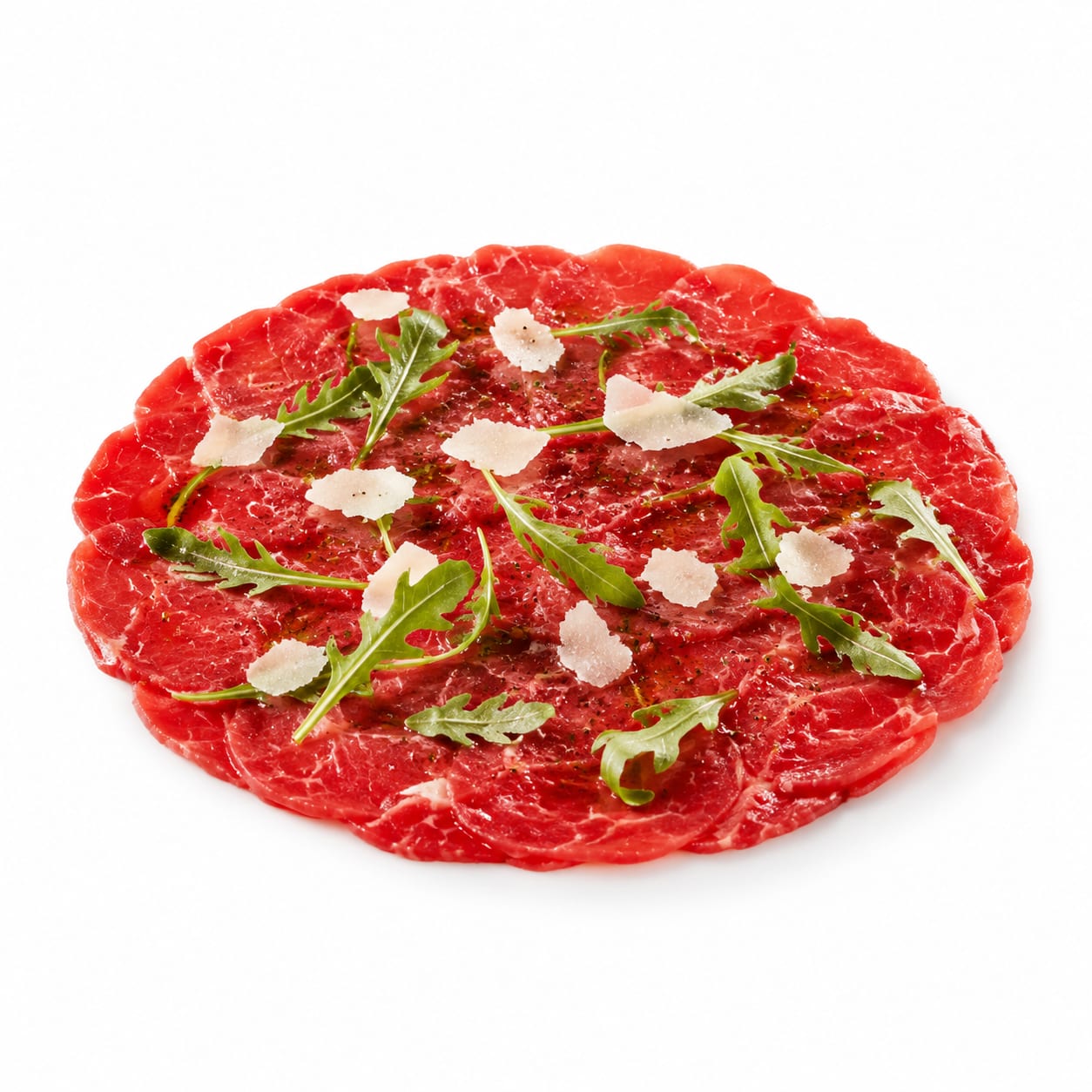
Carpaccio
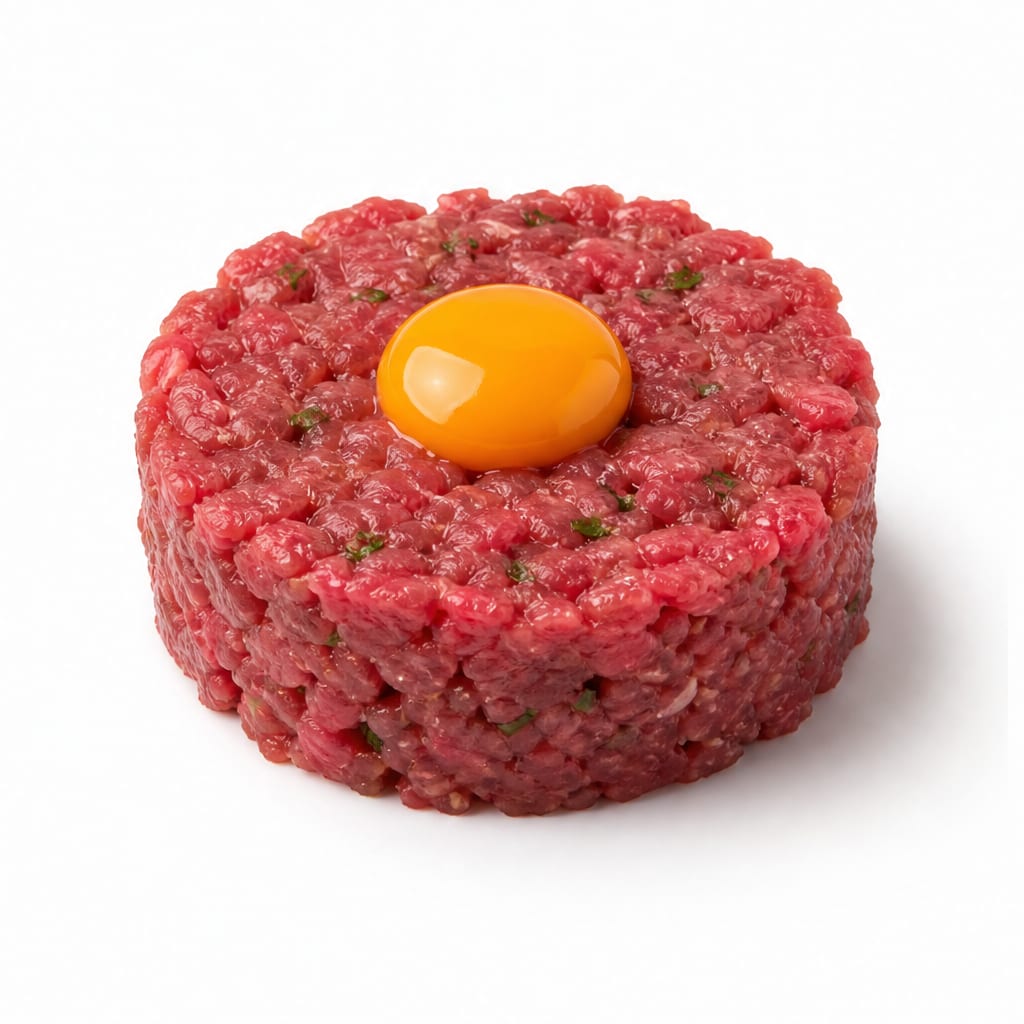
Beef Tartare
Carpaccio offers a lighter, more approachable raw beef experience with slightly lower contamination risk, while Beef Tartare delivers denser nutrition with higher protein per bite but greater safety concerns from the raw egg yolk.
Carpaccio scores slightly higher due to marginally better safety profile and lighter digestibility. Beef Tartare offers superior nutrient density but the raw egg yolk adds meaningful contamination risk. Both lose points for being raw meat dishes unsuitable for regular consumption.
Carpaccio is gentler and safer; Beef Tartare is more nutrient-dense but carries added risk from its raw egg component.
At a glance
Executive summary
Overall
It depends
Healthier
Carpaccio
More practical
Carpaccio
Daily use
neither
Key comparison lenses
raw meat safety comparison
Both dishes feature raw beef, making foodborne illness risk the dominant concern for most diners
protein quality and nutrient density
Both are premium protein sources with high bioavailability, but preparation differences affect micronutrient profiles
dining experience vs home preparation
Neither is commonly made at home, so sourcing and restaurant trust are critical factors
calorie and fat profile differences
Carpaccio leans on olive oil while tartare adds egg yolk, creating meaningfully different fat compositions
digestive tolerance and satiety
Raw meat dishes affect digestion differently than cooked proteins, and portion sizes differ notably
Best choice for
Carpaccio
- First-time raw beef eaters wanting a gentler introduction
- Lighter appetizer before a main course
- Those avoiding raw eggs due to allergy or pregnancy
- Hot weather dining when you want something refreshing
- Lower sodium needs
Beef Tartare
- Higher protein and calorie needs
- Those seeking iron-dense meals
- Adventurous eaters comfortable with fully raw preparations
- Cold weather appetite satisfaction
- Keto or very low-carb dieters wanting more fat
Least suitable for
Carpaccio
- Anyone immunocompromised who should avoid raw meat entirely
- Pregnant women
- Very high protein needs per serving
Beef Tartare
- Pregnant women due to raw egg and raw meat
- Anyone with egg allergies
- Immunocompromised individuals
- Those squeamish about fully raw textures
Deep comparison
Dimension by dimension
Each lens scores both foods and breaks down who each option suits.
- Dimension 1 · Priority 95Carpaccio
food_safety_and_contamination_risk
Carpaccio · 35Beef Tartare · 25Both carry significant raw beef risks, but Beef Tartare adds raw egg yolk, doubling your contamination exposure.
Tradeoff
Carpaccio sometimes gets a brief exterior sear, killing surface bacteria. Tartare is completely raw throughout plus adds raw egg, a leading source of Salmonella.
Why it matters
A single bad oyster or undercooked burger can ruin your week. Raw beef plus raw egg doubles the dice roll on foodborne illness.
Real-world impact
Even at excellent restaurants, raw animal products carry inherent risk. Carpaccio's thinner slices and optional searing give a slight edge, but neither is truly safe for vulnerable people.
Carpaccio
- Those who want to minimize but not eliminate raw meat risk
- Diners at restaurants with less established raw programs
Better for
- Still carries meaningful bacterial risk from raw beef
Worse for
Beef Tartare
- No one benefits from higher contamination risk
Better for
- Raw egg yolk adds Salmonella risk on top of raw beef hazards
- Completely uncooked surface area is larger with hand-cut pieces
Worse for
- Dimension 2 · Priority 85Beef Tartare
protein_quality_and_density
Carpaccio · 70Beef Tartare · 82Beef Tartare packs more protein and iron per serving thanks to denser portions and the added egg yolk.
Tradeoff
Carpaccio is sliced paper-thin and often plated as a light appetizer. Tartare is a denser, heartier portion with more actual meat per serving plus egg protein.
Why it matters
If you're eating raw beef partly for its exceptional protein bioavailability, Tartare delivers more of what you came for.
Real-world impact
A typical tartare serving provides 25-35g protein versus carpaccio's 15-22g. That difference matters after a workout or during a long day.
Carpaccio
- Lighter protein intake when you're eating a multi-course meal
Better for
- Often too light to serve as a meaningful protein source alone
Worse for
Beef Tartare
- Post-workout recovery meals
- Higher protein targets without cooking
- Iron-deficient individuals needing more heme iron per bite
Better for
- Density can feel heavy if you're not accustomed to rich foods
Worse for
- Dimension 3 · Priority 75It depends
fat_profile_and_calorie_composition
Carpaccio · 65Beef Tartare · 68Carpaccio relies on olive oil for richness, adding heart-healthy monounsaturated fat. Tartare gets fat from beef and egg yolk, adding more saturated fat but also choline and fat-soluble vitamins.
Tradeoff
Olive oil is heart-friendlier. Egg yolk adds cholesterol but also valuable nutrients like choline, vitamin D, and B12 that olive oil cannot provide.
Why it matters
Your fat source shapes both cardiovascular impact and micronutrient intake. Neither dish is low-fat, but the type of fat differs meaningfully.
Real-world impact
If you're watching cholesterol, Carpaccio's olive oil base is friendlier. If you need brain-supporting nutrients like choline, Tartare's egg yolk is surprisingly useful.
Carpaccio
- Heart-health conscious diners
- Those preferring monounsaturated fats over saturated
Better for
- Olive oil adds calories without the micronutrient density of egg yolk
Worse for
Beef Tartare
- Keto dieters wanting higher fat with nutritional benefits
- Those seeking choline and B-vitamins from egg yolk
Better for
- More saturated fat and dietary cholesterol per serving
Worse for
- Dimension 4 · Priority 65Carpaccio
digestibility_and_satiety
Carpaccio · 72Beef Tartare · 60Carpaccio's paper-thin slices and acidic dressing make it easier to digest. Tartare's denser texture and richer composition can sit heavier.
Tradeoff
Lighter digestibility means Carpaccio works better as a starter. Tartare's density makes it more filling but potentially uncomfortable if your stomach is sensitive to rich foods.
Why it matters
Raw meat is already harder to digest than cooked protein. Preparation style can either ease or compound that challenge.
Real-world impact
After Carpaccio, you feel pleasantly ready for the next course. After Tartare, you might already feel quite full, sometimes uncomfortably so.
Carpaccio
- Sensitive digestion
- Multi-course dining where you need room for more food
- Hot days when heavy food feels unappealing
Better for
- May leave you hungry again within an hour if eaten alone
Worse for
Beef Tartare
- Appetite suppression when you want one course to carry you
- Cold weather comfort eating
Better for
- Can cause sluggishness or heaviness after eating
- Raw egg can trigger digestive discomfort in sensitive individuals
Worse for
- Dimension 5 · Priority 60Carpaccio
sodium_and_seasoning_load
Carpaccio · 62Beef Tartare · 50Tartare typically incorporates capers, mustard, Worcestershire sauce, and sometimes soy sauce, all sodium-heavy. Carpaccio's dressing is usually simpler with lemon and olive oil.
Tradeoff
Tartare's complex seasoning makes it more flavorful but significantly saltier. Carpaccio lets the meat flavor speak more quietly with less sodium.
Why it matters
Restaurant raw meat preparations often hide behind aggressive seasoning. Sodium adds up fast when capers, mustard, and sauce all contribute.
Real-world impact
A single tartare serving can deliver 600-900mg sodium. Carpaccio typically lands closer to 300-500mg. That difference matters if you're salt-sensitive.
Carpaccio
- Blood pressure management
- Simpler flavor preference
- Those who want to taste the beef itself
Better for
- Can taste bland if the beef quality is not exceptional
Worse for
Beef Tartare
- Bolder flavor seekers
- Those unconcerned about sodium intake
Better for
- Sodium load can approach half your daily limit in one appetizer
Worse for
- Dimension 6 · Priority 70Beef Tartare
micronutrient_diversity
Carpaccio · 60Beef Tartare · 75Beef Tartare's egg yolk adds choline, vitamin D, vitamin A, and additional B12 that Carpaccio's olive oil dressing cannot match.
Tradeoff
Carpaccio sometimes includes arugula and parmesan, adding some calcium and vitamin K. But egg yolk is a micronutrient powerhouse that tilts the balance toward Tartare.
Why it matters
When eating raw beef, you're already investing in nutrient density. The egg yolk amplifies that return meaningfully.
Real-world impact
Tartare delivers a broader micronutrient profile in a single dish, which matters if this is your main protein source for that meal.
Carpaccio
- Those getting their micronutrients from other courses or meals
Better for
- Relies heavily on just the beef for micronutrients
Worse for
Beef Tartare
- Nutrient-dense meal seekers
- Those who skip supplements and want food-based vitamins
- Choline-deficient diets
Better for
- Cholesterol-conscious individuals may not welcome the extra egg yolk nutrients
Worse for
Timeline
Health impact over time
Short-term
Hours to days
Carpaccio
- Light satiety that won't interfere with subsequent courses
- Low risk of post-meal sluggishness due to lighter composition
- Possible mild digestive adjustment if unaccustomed to raw meat
Beef Tartare
- Higher satiety that may reduce desire for additional food
- Potential heaviness or fullness shortly after eating
- Raw egg can cause mild stomach upset in sensitive individuals
- Higher sodium may trigger thirst for several hours
Long-term
Months to years
Carpaccio
- Occasional consumption poses minimal long-term risk for healthy adults
- Olive oil base contributes heart-protective monounsaturated fats over time
- Repeated consumption increases cumulative exposure to foodborne pathogens
Beef Tartare
- Egg yolk provides sustained choline intake supporting brain health when consumed regularly
- Higher saturated fat intake could impact cardiovascular markers if eaten frequently
- Cumulative raw egg exposure increases lifetime risk of Salmonella infection
- Iron density supports red blood cell production with consistent intake
Risk profile
Safety & processing
Both dishes are among the least processed animal protein preparations available. Carpaccio uses simple slicing with oil and acid. Tartare uses hand-cutting with minimal seasonings. Neither contains preservatives, emulsifiers, or artificial ingredients in traditional preparation. The main concern is not processing but rawness.
Carpaccio
Pathogenic bacteria from raw beef
highE. coli, Listeria, and Salmonella can all be present on raw beef surfaces. Even brief searing only reduces, not eliminates, surface contamination.
Parasitic infection
mediumToxoplasma and tapeworm are possible in undercooked beef, though beef carries lower parasite risk than pork or fish. Quality sourcing reduces this significantly.
Cross-contamination in restaurant settings
mediumRaw meat preparation requires strict kitchen protocols. Not all restaurants maintain equal standards for raw beef service.
Beef Tartare
Salmonella from raw egg yolk
highRaw egg is a leading vehicle for Salmonella infection. The yolk sits on top of the tartare and is typically mixed in, spreading potential contamination throughout.
Pathogenic bacteria from raw beef
highSame E. coli, Listeria, and Salmonella risks as Carpaccio, but with no surface searing at all. Every surface is raw.
Parasitic infection
mediumIdentical parasite risk to Carpaccio. No heat treatment of any kind means full exposure to any organisms present.
Dual-source contamination
highCombining two raw animal products (beef and egg) multiplies contamination pathways. If either is compromised, the entire dish becomes dangerous.
Who wins for whom
Audience fit
Same foods, different winners depending on your goal.
children
neitherNeither raw beef dish is appropriate for children due to their developing immune systems and higher vulnerability to foodborne illness.
daily consumption
neitherRaw meat should never be consumed daily due to cumulative pathogen exposure risk. Both are occasional indulgences at best.
diabetes
It dependsBoth are essentially zero-carb and will not spike blood sugar. Tartare's higher fat content may slow gastric emptying slightly more, but the difference is minimal.
elderly
neitherOlder adults have weakened immune systems and should avoid raw meat and raw eggs entirely. Neither dish is safe for this population.
muscle gain
Beef TartareBeef Tartare provides more protein per serving along with additional leucine from the egg, supporting muscle protein synthesis more effectively.
weight loss
CarpaccioCarpaccio is lighter and lower in calories per serving, making it easier to fit into a calorie deficit without feeling overly full.
Your move
Decision guide
Choose Carpaccio
- You want a lighter, more elegant appetizer that won't fill you up before the main course
- You're trying raw beef for the first time and want a gentler introduction
- You want to avoid raw egg due to pregnancy, allergy, or extra caution
- You prefer cleaner, simpler flavors that showcase the beef itself
- You're dining in warm weather and want something refreshing
Choose Beef Tartare
- You want a more substantial, protein-dense dish that could serve as a main course
- You're comfortable with raw egg and want the added nutritional benefits
- You crave bold, complex seasoning and richer flavors
- You're eating in cold weather and want something hearty
- You follow a keto diet and want higher fat content with choline benefits
Either works if
- You trust the restaurant's sourcing and hygiene standards explicitly
- You're a healthy adult with no immune concerns
- You want a special-occasion dining experience rather than everyday nutrition
Avoid both if
- You are pregnant or planning to become pregnant
- You are immunocompromised or undergoing chemotherapy
- You have liver disease or reduced stomach acid production
- You are elderly or serving food to young children
- You have any doubt about the restaurant's raw meat handling practices
Final recommendation
For most healthy adults choosing between these two raw beef experiences, Carpaccio offers a slightly safer and more digestible entry point, while Beef Tartare rewards the adventurous with richer nutrition and bolder flavor. Neither should be eaten regularly. Always verify that your restaurant sources high-quality, fresh beef specifically intended for raw consumption. If you have any immune vulnerability, skip both entirely.
Practical
Consumer tips
- 1
Only order raw beef dishes at restaurants that specifically advertise them and have established raw preparation protocols
- 2
Ask your server where they source their raw beef. Reputable establishments are proud to discuss their suppliers
- 3
If the beef smells even slightly off, send it back immediately. Fresh raw beef should have almost no odor
- 4
Pregnant women, elderly individuals, young children, and immunocompromised people should never eat either dish
- 5
Carpaccio is sometimes prepared with a quick exterior sear. Ask your server if you prefer that extra safety margin
- 6
For Beef Tartare, ask if the kitchen uses pasteurized eggs. Many quality restaurants now do, which eliminates the Salmonella risk from the yolk
- 7
Never prepare either dish at home unless you have access to beef specifically labeled for raw consumption and professional-grade food safety practices
- 8
Eat raw beef dishes immediately after serving. The longer they sit at room temperature, the more bacteria multiply