
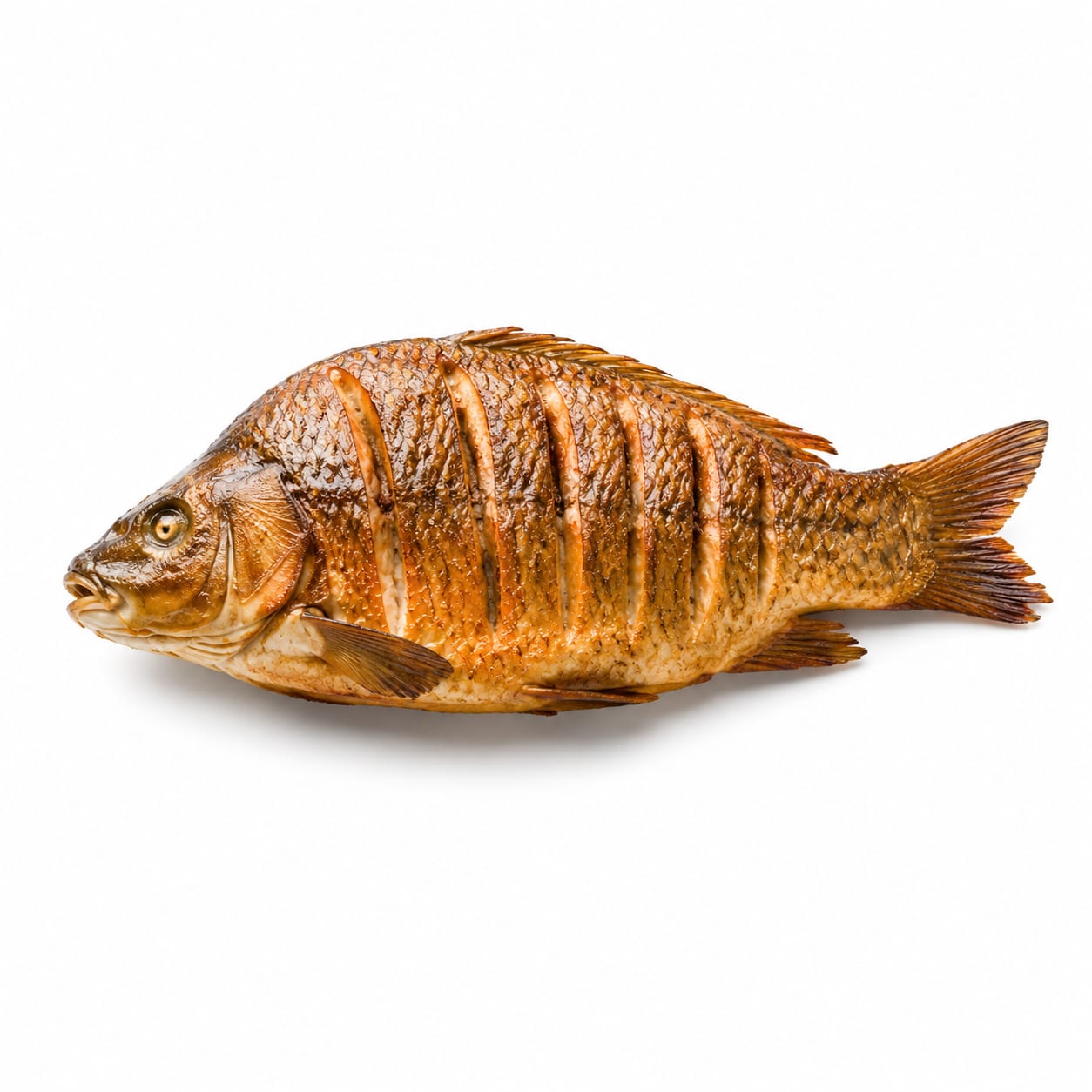
Freshwater Fish
Carp
Carp is a nutrient-dense, freshwater fish high in protein and omega-3 fatty acids, commonly eaten in Eurasian cuisines.
Carp is a large freshwater fish widely consumed across Europe and Asia, known for its firm texture and savory flavor, though it is often bony and requires careful preparation.
protein-dense freshwater fish
Typical serving · 100g
Common varieties · common carp, silver carp, grass carp, bighead carp, mirror carp +1 more
Overall context score across nutrition, safety, and diet fit
At a glance
Quick facts
Simple indicators based on nutrition, processing, and diet fit.
The story
What makes it unique
Carp provides a complete protein source with moderate fat content, primarily consisting of heart-healthy unsaturated fatty acids including omega-3s. It contains zero carbohydrates, resulting in a flat glycemic response. Digestion speed is moderate due to the protein and fat matrix. Satiety is high because of the protein density. As a minimally processed whole food, its nutritional profile remains intact, though its status as a bottom-feeder means lipid-soluble contaminants can accumulate in its fatty tissue.
Varieties: common carp · silver carp · grass carp · bighead carp · mirror carp · crucian carp
Per 100g
Nutrition breakdown
Macro balance and key metrics at a glance.
Energy
Density 1.27 kcal/g
Protein
Carbs
Fat
Fiber
Sugar
0 g
Sodium
49 mg
Potassium
333 mg
Glycemic index
0
Glycemic load
0
Water content
76%
Standout compounds
Nutrient highlights
Protein
highSupports muscle growth, repair, and satiety
Omega-3 Fatty Acids
moderateReduces inflammation and supports heart health
Vitamin B12
highEssential for nerve function and red blood cell formation
Selenium
moderateActs as an antioxidant and supports thyroid function
Phosphorus
moderateVital for bone health and energy production
Wellness map
Health scores & processing
NOVA processing scale
Minimally processed · Whole food
Fresh or frozen carp is a whole, unrefined animal food requiring no industrial processing, though smoked or canned versions undergo moderate processing.
Diet compatibility
- Weight loss
- Muscle gain
- Diabetes
- Gut health
- Low carb
- High protein
- Heart health
Relative standing
Food rankings
Qualitative ranks compared to similar whole foods.
- Satietygood
- Blood sugarexcellent
- Nutrient densitygood
- Fitness fuelgood
- Processing qualityexcellent
Eat with confidence
Food safety profile
Carp is a bottom-feeding omnivore, meaning it has a higher risk of accumulating heavy metals, PCBs, and agricultural runoff chemicals compared to surface-dwelling fish. Sourcing from clean, well-managed farms or pristine wild waters is crucial to minimizing contaminant exposure.
Evidence confidence 85%
- Pesticidesmoderate
- Antibioticsmoderate
- Heavy metalsmoderate
- Contaminationmoderate
Watch for
- PCBs
- dioxins
- mercury
- microplastics
- aquatic parasites
Safer choices
Farmed carp from regulated aquaculture systems with strict water quality controls, or smaller younger fish which accumulate fewer toxins.
Prep tips
Trim away the skin and dark red muscle meat (mud vein) along the lateral line, as this is where fat-soluble contaminants and muddy flavors concentrate. Cook thoroughly to neutralize freshwater parasites.
Farmed carp may be subject to antibiotic use regulations that vary by country; wild carp from industrial or agricultural waterways often accumulate environmental pollutants.
Deep dive
Health analysis
How this food may fit different goals and preparation choices.
Weight loss
High protein and moderate fat create strong satiety, while low energy density keeps calorie intake manageable.
Blood sugar
Zero carbohydrates mean carp has no glycemic impact, making it highly stable for blood sugar management.
Fitness & energy
Rich in complete protein and B vitamins, carp supports muscle repair and energy metabolism effectively.
Gut health
Lacks dietary fiber, so it does not directly support gut motility, though its anti-inflammatory omega-3s can benefit the gut lining.
Processing quality
Typically sold as a whole fresh or frozen fish, representing a high-quality, unprocessed food choice.
Food safety
Primary concern is environmental contamination; consuming carp from polluted waters can expose you to heavy metals and industrial chemicals.
Common mistakes
Failing to remove the dark lateral line meat results in a strong muddy flavor and higher consumption of accumulated toxins; undercooking poses a risk of freshwater parasites.
Best preparation
Baking, poaching, or smoking. Always remove the skin and lateral line fat before cooking to reduce contaminants and improve flavor.
Practical guide
Best use cases
When and how this food fits real eating patterns.
High-protein low-carb dinner
Provides a complete amino acid profile with zero carbs, ideal for ketogenic or low-carb meal plans.
Heart-healthy protein source
Contains unsaturated fats and omega-3s that support cardiovascular health when sourced from clean waters.
Sustainable seafood choice
Carp farming has a low environmental impact, making it an ecologically responsible protein option.
Blood sugar management
Zero carbohydrate content prevents glycemic spikes, making it safe and stable for diabetic diets.
Balance sheet
Pros & cons
Upsides
- Excellent source of complete protein
- Zero carbohydrates with no glycemic impact
- Good source of omega-3 fatty acids
- Highly sustainable and easy to farm
- Rich in B vitamins and selenium
Trade-offs
- Very bony and difficult to fillet
- Prone to muddy flavor if not prepared correctly
- Higher risk of environmental contaminants as a bottom-feeder
- Fat-soluble pollutants can accumulate in its tissue
- Not widely available in standard grocery stores in some regions
Fit check
Who is it for?
Great match
- low-carb diets
- diabetic meal plans
- sustainable seafood diets
- whole-food protein intake
Consider alternatives
- people wanting quick easy fish fillets
- strict low-fat diets
- those highly concerned about heavy metal exposure
- pregnant women avoiding moderate-mercury fish
Side by side
How it compares
Open the full head-to-head analysis for nutrition, safety, and practical tradeoffs.
This food
Carp
VS90% alike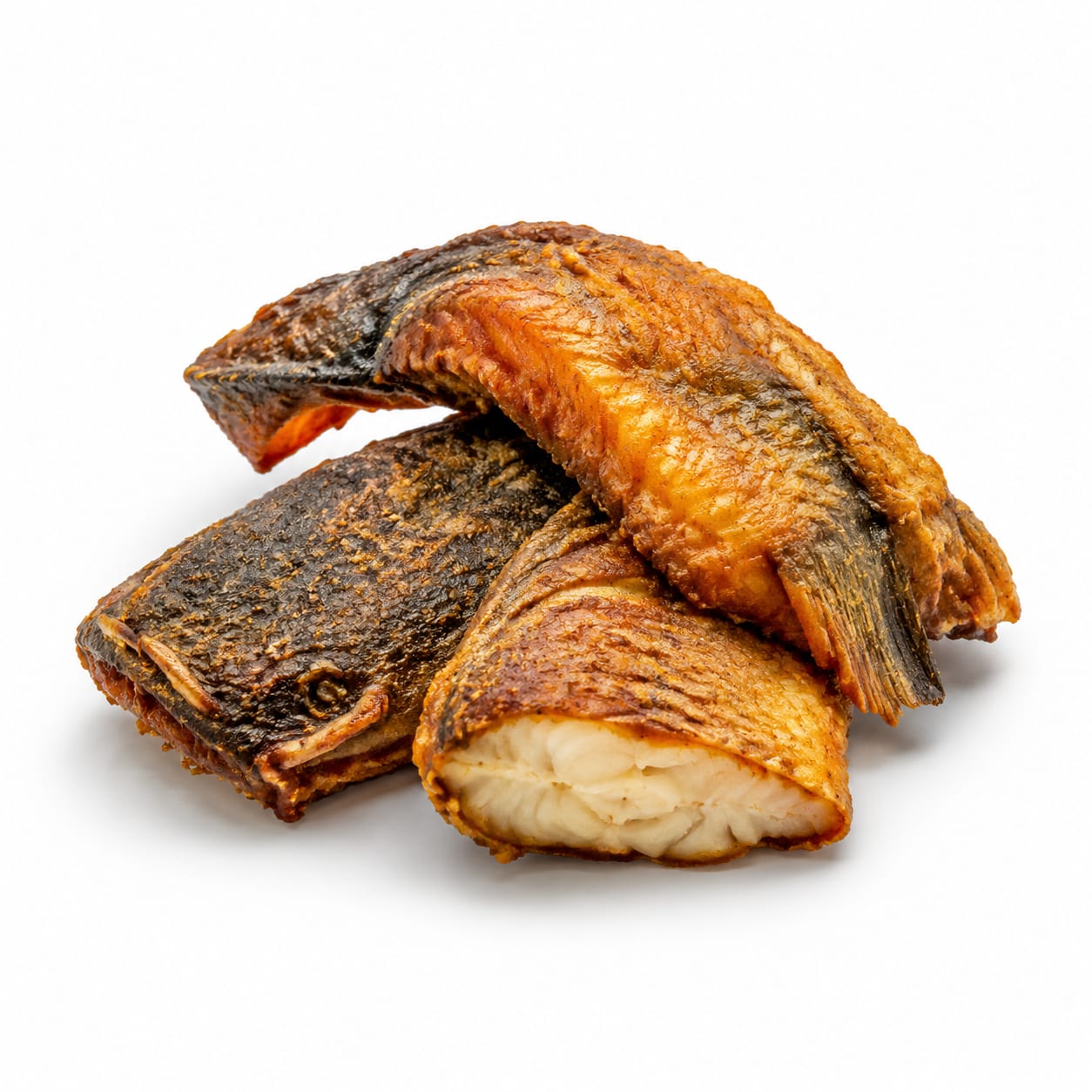
Compare with
Catfish
Carp offers more omega-3s than catfish, but catfish is easier to fillet and more commonly available in fillet form.
Carp provides more omega-3s and protein for fitness, while catfish is easier to prepare and find as boneless fillets.
This food
Carp
VS85% alike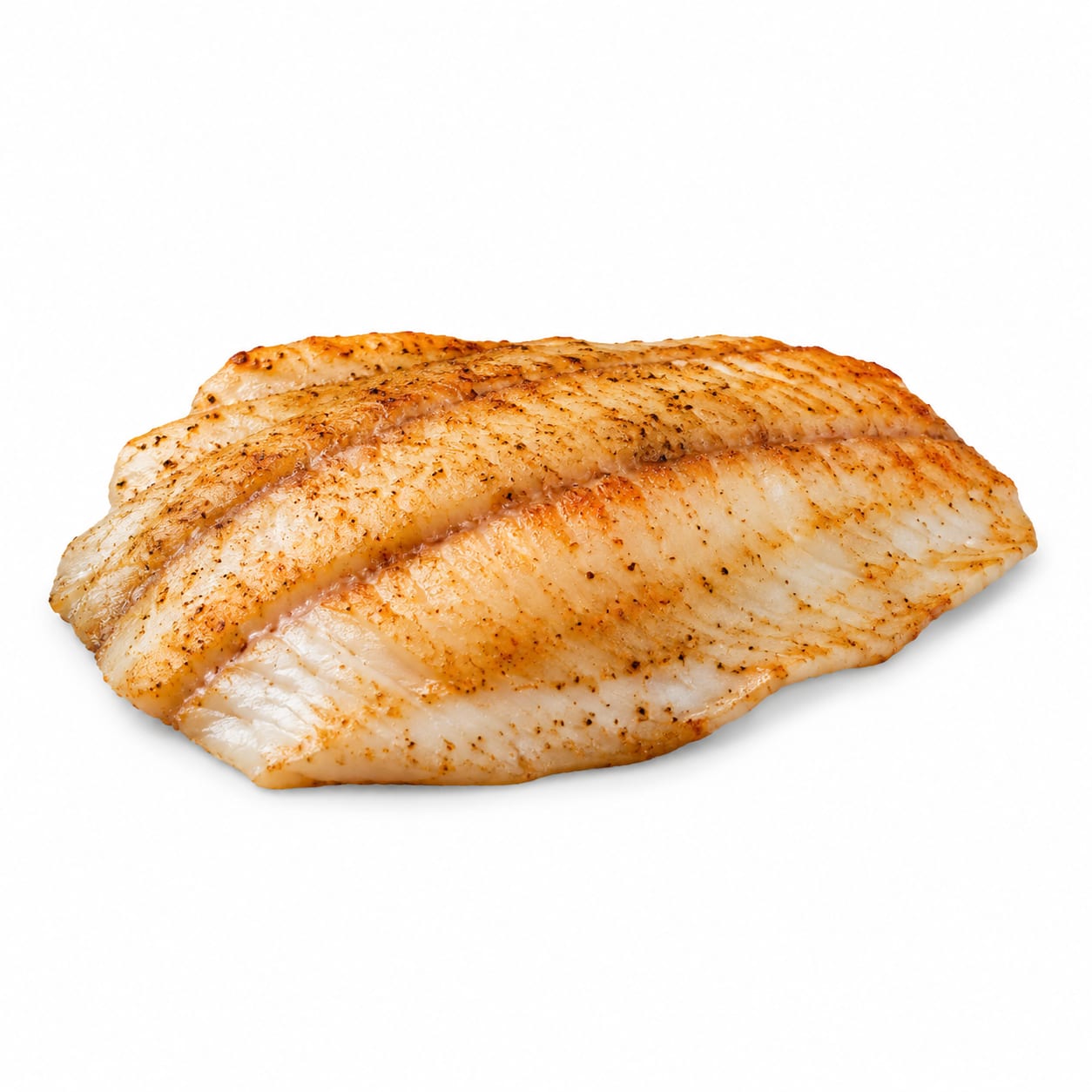
Compare with
Tilapia
Tilapia is much easier to eat boneless but has far less omega-3 and more omega-6 fats compared to carp.
Carp is richer in omega-3s and protein, making it better for fitness, while tilapia offers convenience with boneless fillets.
This food
Carp
VS70% alike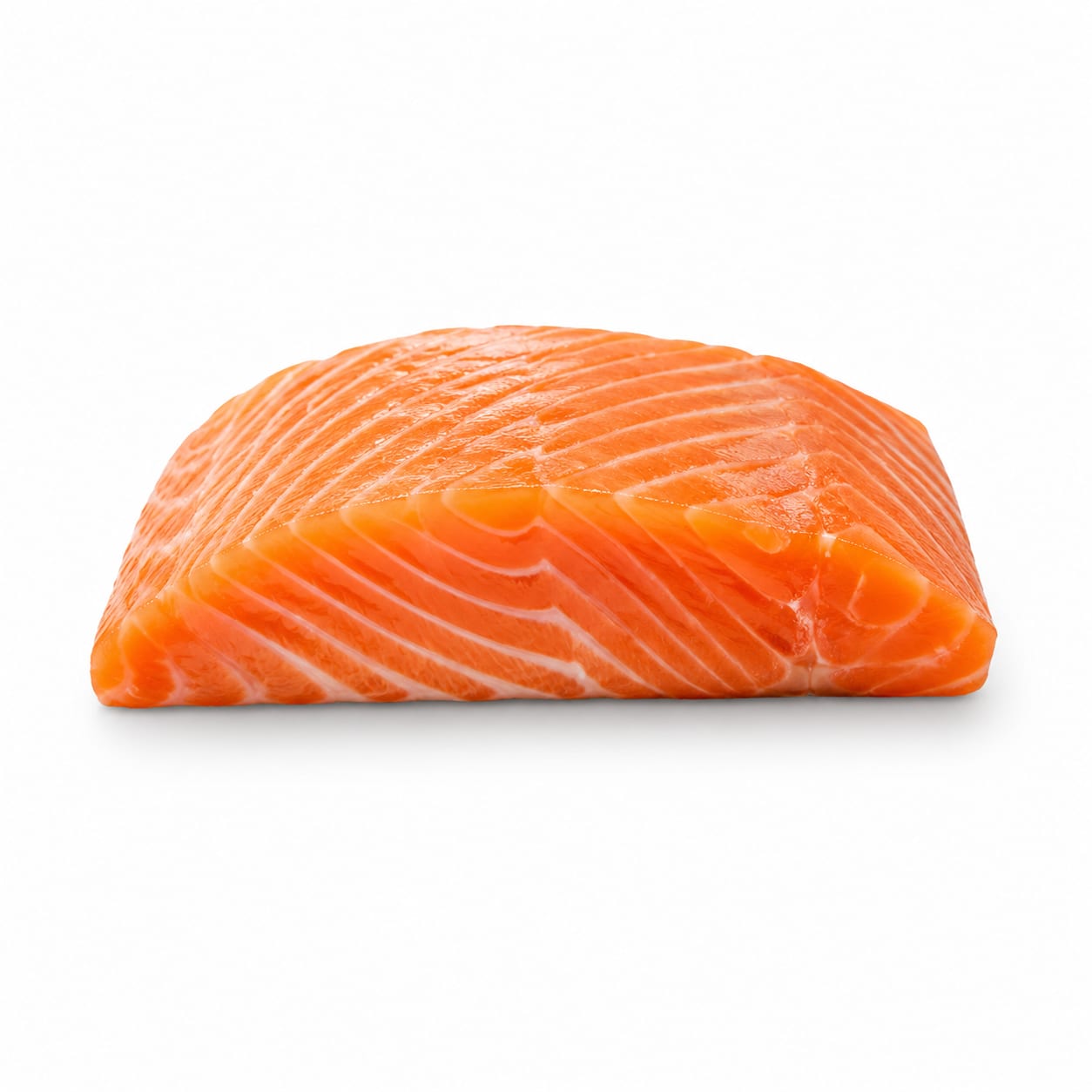
Compare with
Salmon
Salmon is vastly superior in omega-3 content and easier to eat, but carp is a more sustainable and cheaper alternative.
Salmon wins for omega-3s and ease of eating, while carp is a more sustainable and budget-friendly freshwater option.
This food
Carp
VS80% alike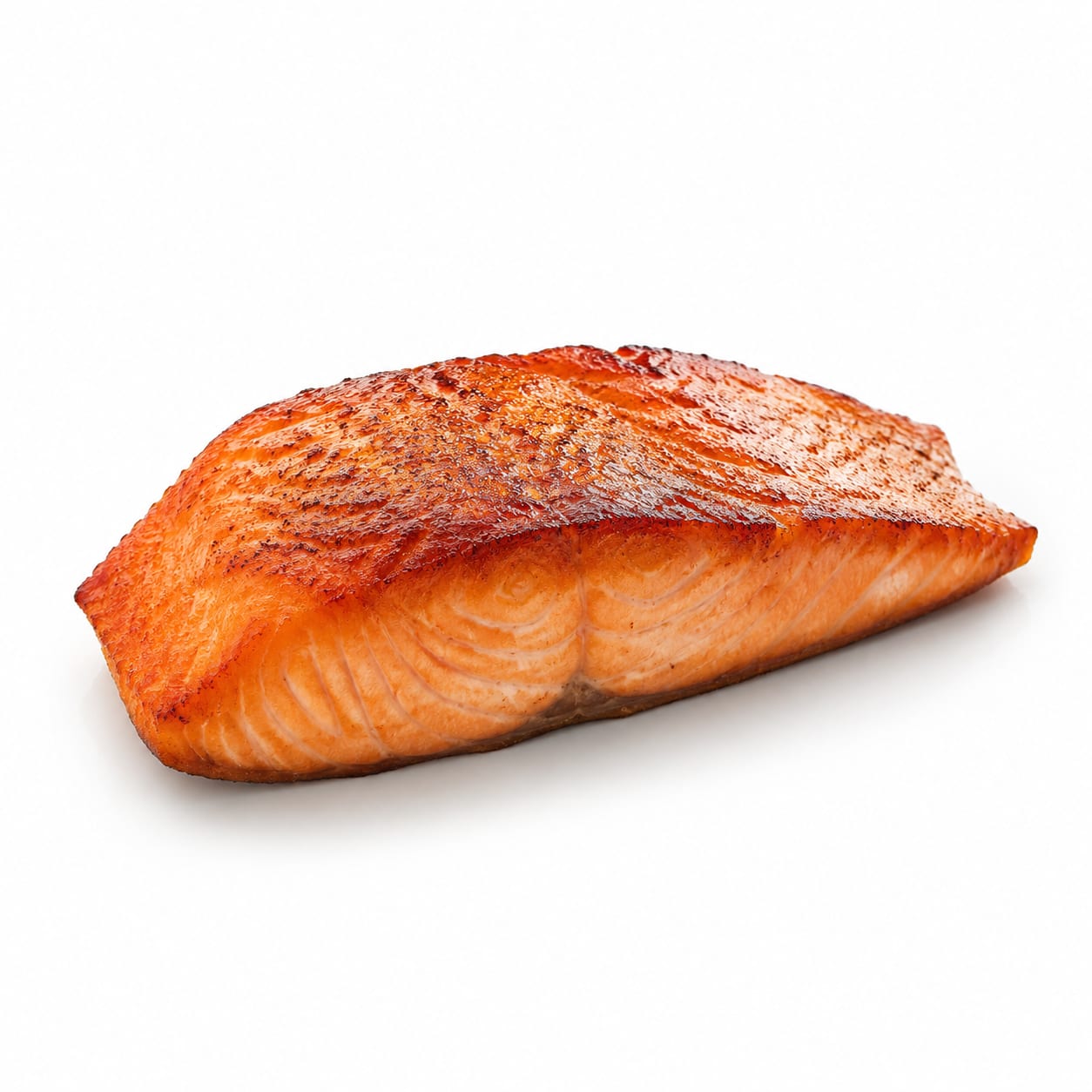
Compare with
Trout
Trout generally has cleaner flavor and fewer bones, while carp provides slightly more protein per serving.
Trout is easier to cook with a milder flavor, while carp offers slightly more protein for muscle building.
This food
Carp
VS65% alike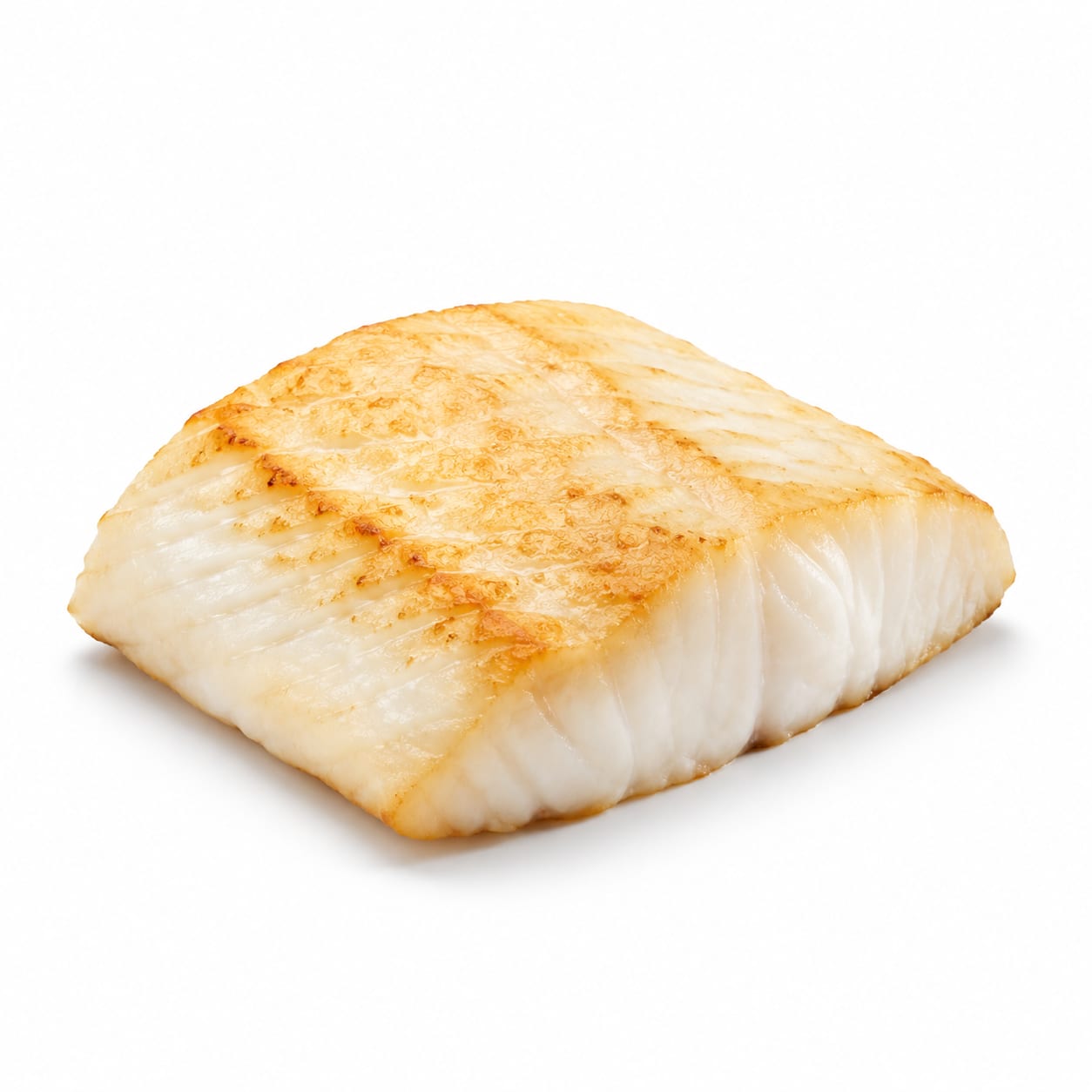
Compare with
Cod
Cod is leaner with fewer calories and no bones in fillets, whereas carp is higher in healthy fats and omega-3s.
Cod is lower in calories and easier to prepare, while carp provides more omega-3 fats and satiety.
This food
Carp
VS60% alike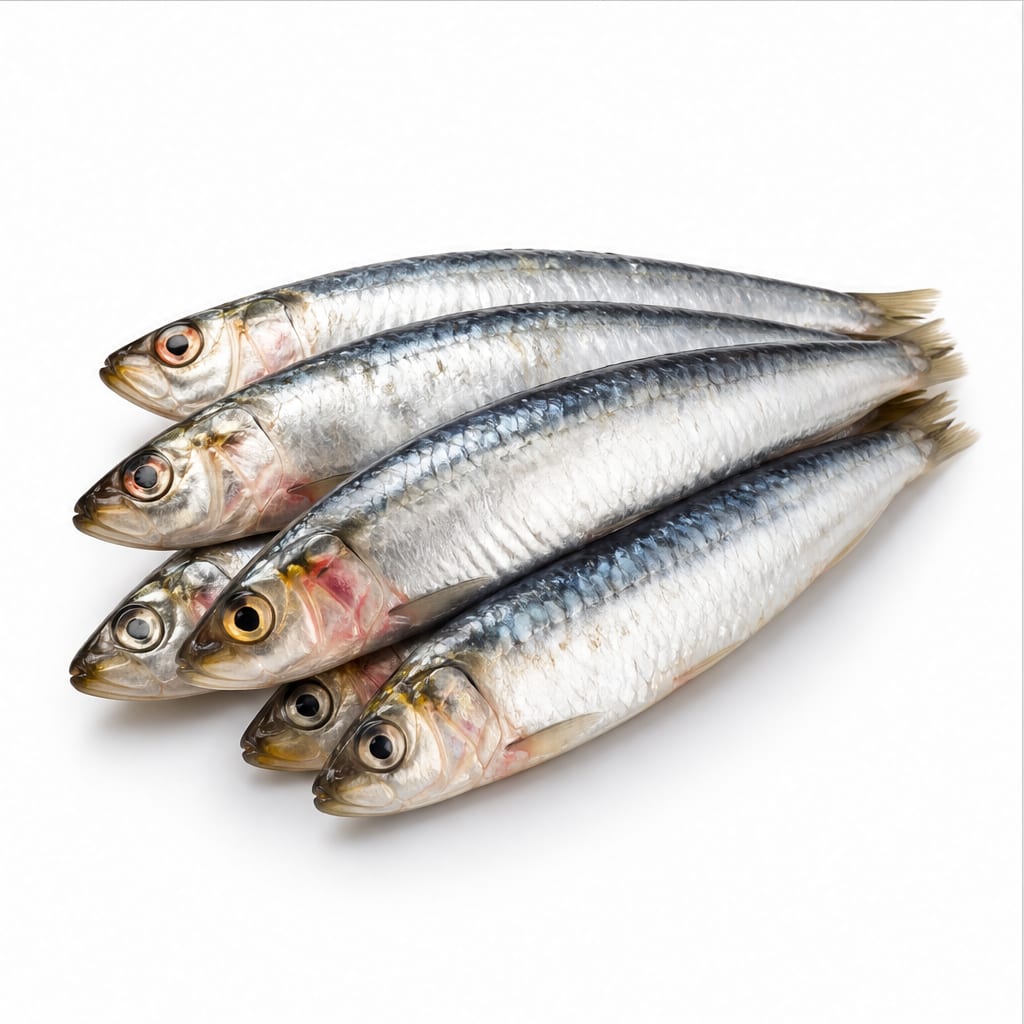
Compare with
Sardines
Sardines are an omega-3 powerhouse with lower contaminant risk, while carp is a larger fish eaten in fillets rather than whole.
Sardines offer far more omega-3s and calcium, while carp provides a larger, more traditional fillet eating experience.
This food
Carp
VS75% alike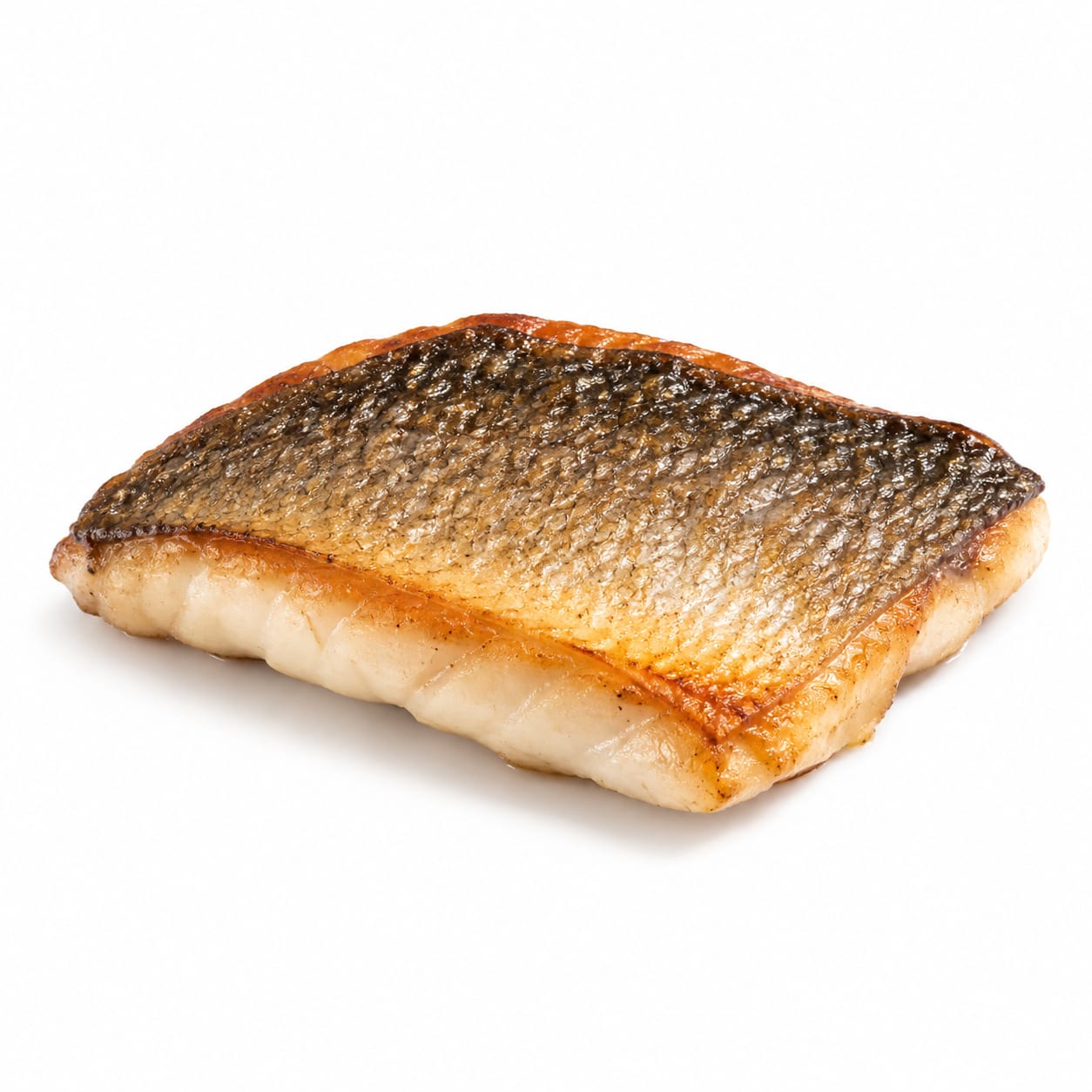
Compare with
Bass
Bass has a cleaner, milder flavor and is less bony, but carp is more sustainable and higher in omega-3s.
Bass provides a milder flavor and easier eating experience, while carp delivers more omega-3s and better sustainability.
This food
Carp
VS55% alike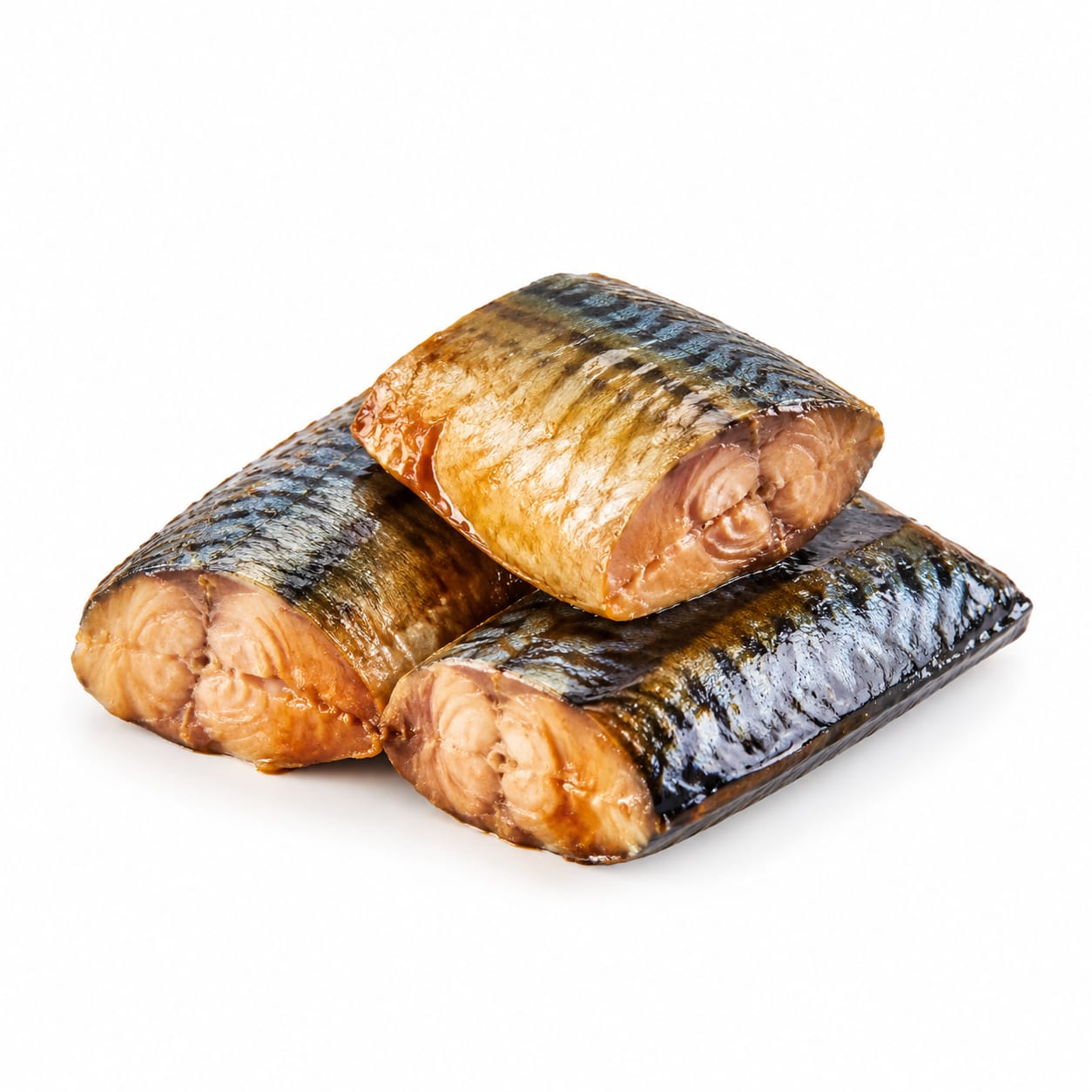
Compare with
Mackerel
Mackerel is significantly higher in omega-3s and easier to find boneless, but carp is a sustainable freshwater alternative.
Mackerel is vastly superior for omega-3 intake, while carp serves as a viable freshwater substitute with fewer calories.
This food
Carp
VS85% alike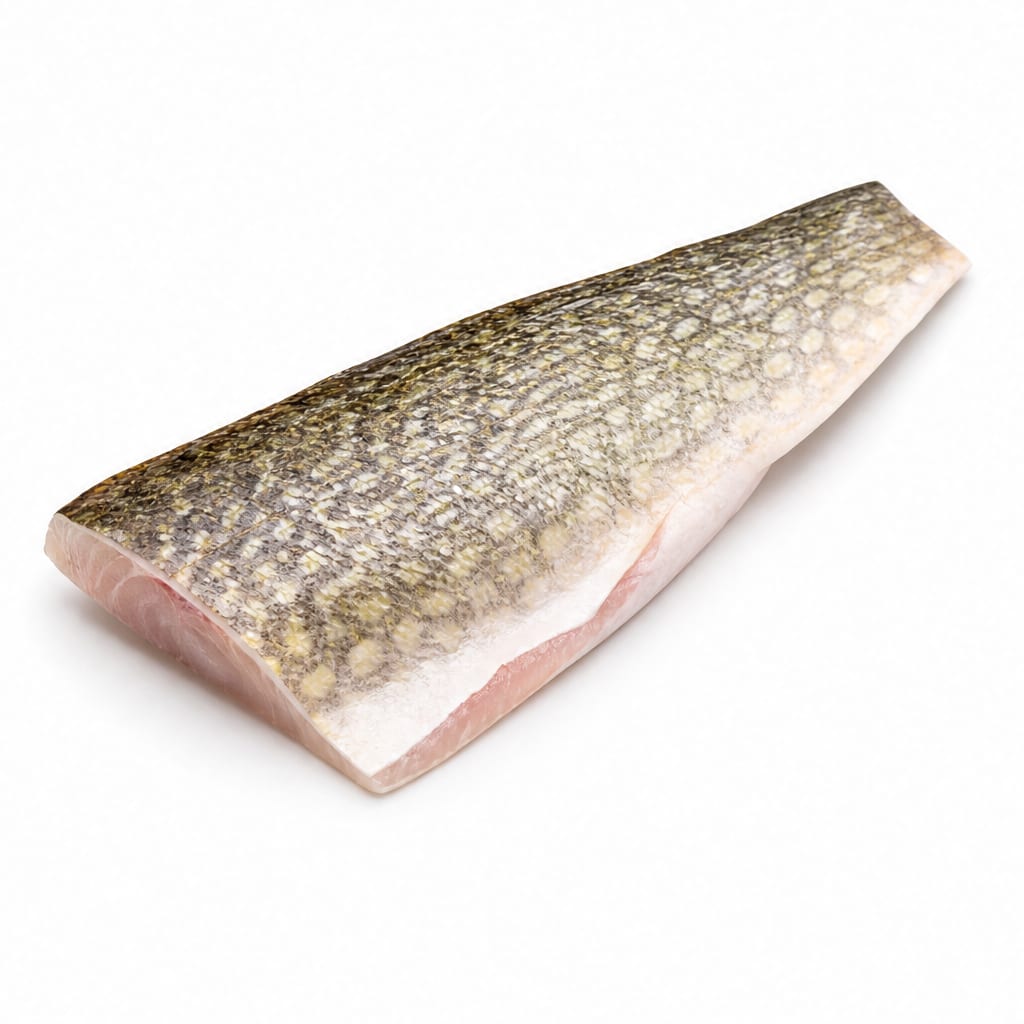
Compare with
Pike
Pike is leaner and has a milder flavor, but both share the challenge of Y-bones making preparation difficult.
Pike is leaner with a milder taste, while carp offers more healthy fats and omega-3s, though both are very bony.
This food
Carp
VS80% alike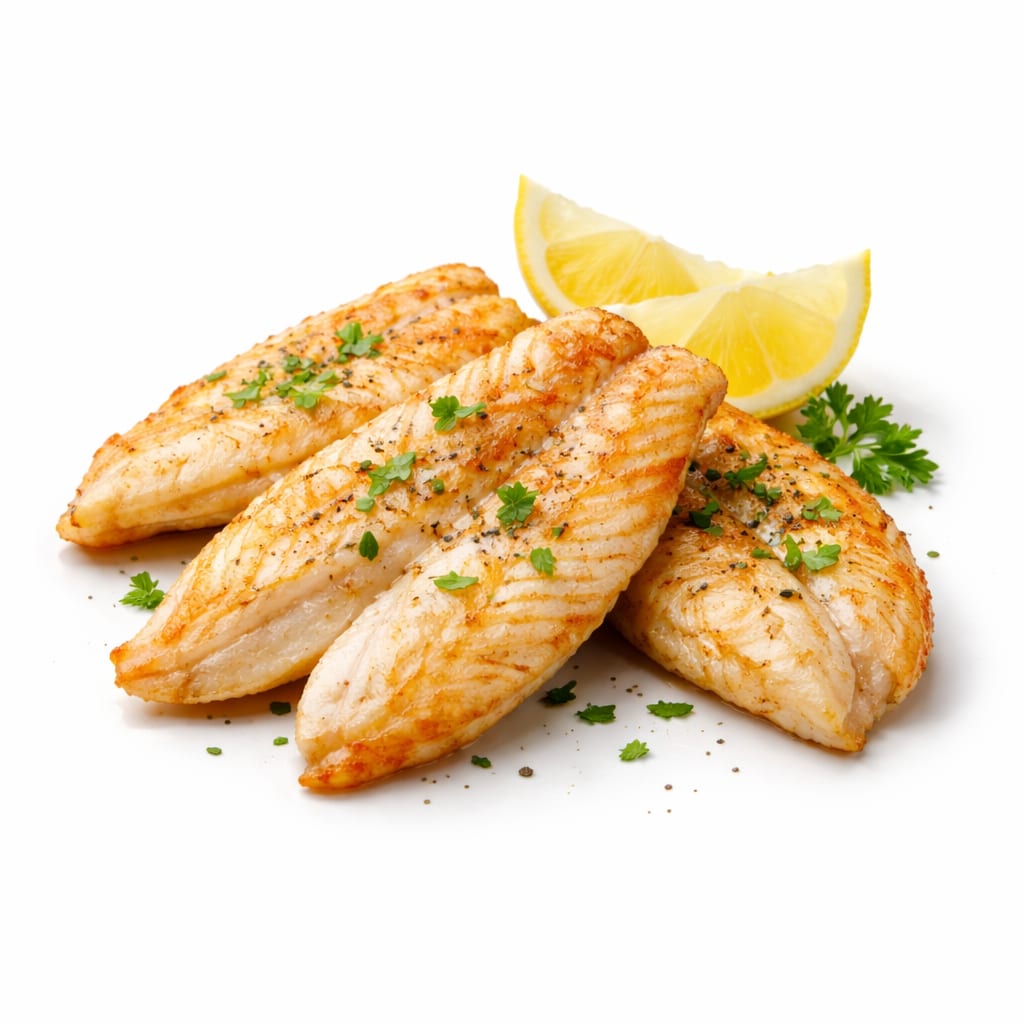
Compare with
Perch
Perch is prized for its delicate flavor and firm texture with fewer bones, whereas carp is fattier and higher in omega-3s.
Perch wins on flavor and ease of eating, while carp provides more dietary fat and omega-3s for satiety.
Common questions
FAQ
Answers aligned with how people search for this food.
Is carp safe to eat?
Yes, carp is safe to eat when sourced from clean water. Because they are bottom-feeders, they can accumulate pollutants like PCBs and mercury, so it is best to avoid carp from industrial or heavily agricultural waterways and trim the fat where toxins store.
Does carp have a lot of bones?
Yes, carp is notoriously bony. It has a complex bone structure with numerous intramuscular Y-bones, making it difficult to fillet and eat compared to most standard table fish.
Is carp high in mercury?
Carp generally has moderate mercury levels. While not as high as large predatory saltwater fish, their mercury content varies significantly based on the water quality of their habitat. Smaller, younger carp tend to have lower mercury levels.
What does carp taste like?
Carp has a firm, moist texture and a mild, sweet flavor. However, if caught from muddy waters, it can develop a strong, muddy taste. Removing the dark meat along the lateral line greatly improves the flavor.
Is carp good for weight loss?
Yes, carp is good for weight loss. It is high in protein which promotes satiety, and relatively low in calories, containing zero carbohydrates.
Does carp have omega-3 fatty acids?
Yes, carp is a good source of omega-3 fatty acids. While not as rich in omega-3s as salmon or mackerel, it still provides a meaningful amount that supports heart and brain health.
Can diabetics eat carp?
Yes, carp is an excellent choice for diabetics. It contains zero carbohydrates, meaning it will not spike blood sugar, and its high protein content helps stabilize glucose levels.
How do you remove the muddy taste from carp?
To remove the muddy taste, fillet the carp and completely cut away the dark red meat along the lateral line. Soaking the remaining white meat in milk or salted water for an hour before cooking also neutralizes strong flavors.
Is carp a sustainable fish to eat?
Yes, carp is highly sustainable. They are omnivores that can be farmed efficiently on plant-based diets, making them a very environmentally friendly aquaculture species globally.
Is farmed carp better than wild carp?
Farmed carp from reputable sources is often safer than wild carp because the water quality and diet are strictly controlled, reducing the risk of heavy metal and chemical contamination. Wild carp from pristine lakes is also excellent, but wild carp from polluted waters should be avoided.
Transparency
Data confidence
Estimated confidence for nutrition data, interpretation, safety notes, and comparisons.
Nutrition data
Health analysis
Food safety
Comparisons