
Nutrition comparison
Carp vs Bass: Which Fish Is Healthier, Safer, and Better to Eat?
Compare carp and bass on omega-3s, mercury risk, taste, bones, and price. Learn which fish is safer for regular eating and when each one makes sense.
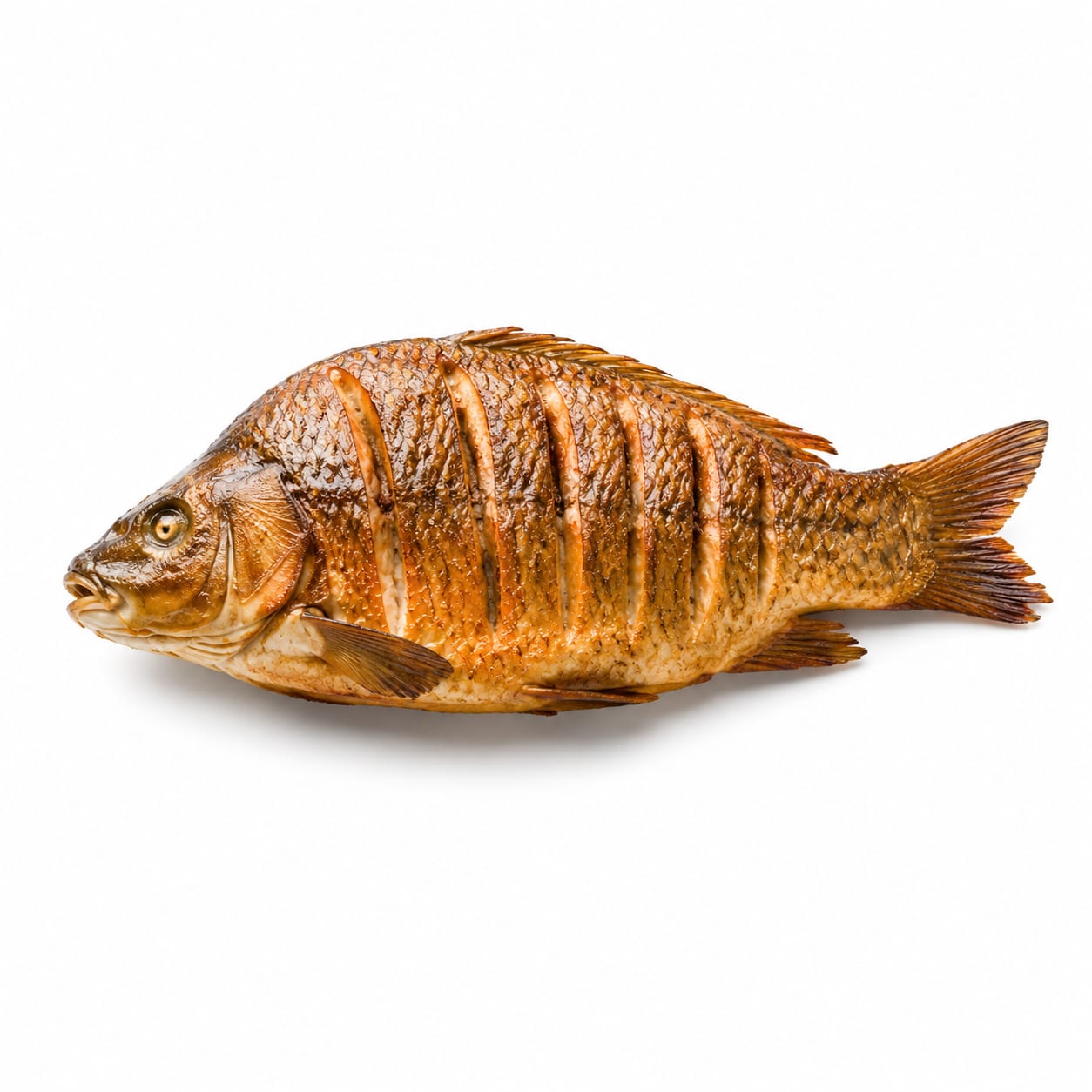
Carp
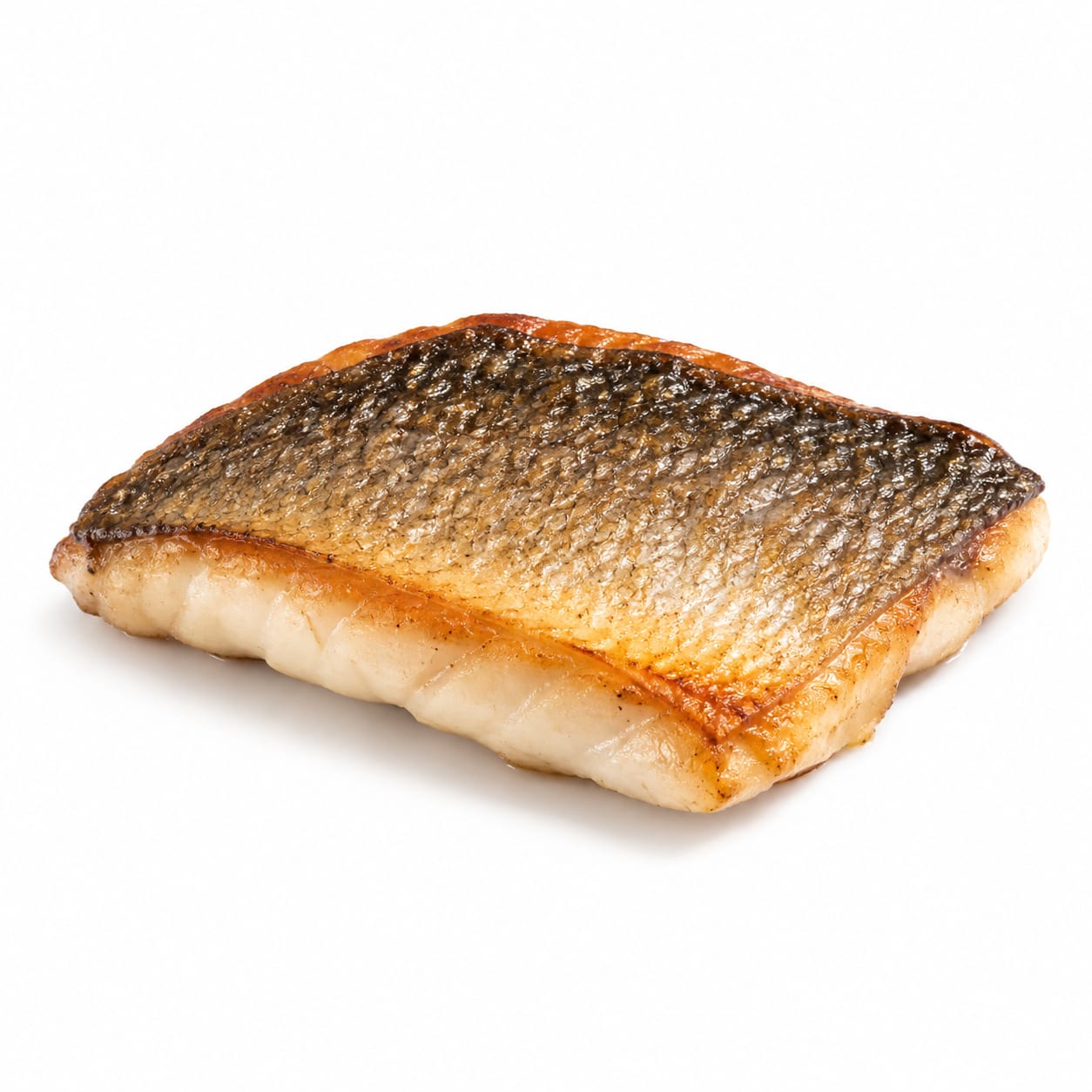
Bass
Carp delivers more omega-3s and calories per dollar, but bass wins on taste, safety, and ease of eating — choose based on what matters more for your situation.
Bass scores higher overall due to cleaner safety profile and better culinary experience, but carp's omega-3 advantage keeps it competitive for nutrition-focused eaters willing to navigate its drawbacks.
Nutritional density versus cleanliness and convenience — carp feeds you more deeply, bass goes down easier and safer.
At a glance
Executive summary
Overall
It depends
Healthier
Bass
More practical
Bass
Daily use
Bass
Key comparison lenses
contamination safety
Carp are bottom-feeders prone to accumulating pollutants; bass vary by species but generally carry less contamination risk
omega3 nutrition
Carp is surprisingly rich in omega-3s while bass is leaner, creating a meaningful fat-quality tradeoff
taste and culinary usability
Carp has a reputation for muddy flavor and many bones; bass offers cleaner taste and easier preparation
protein quality
Both deliver solid protein but with different fat contexts that affect satiety and meal satisfaction
affordability and access
Carp is often cheaper and more available in certain regions; bass tends to be pricier and more seasonal
Best choice for
Carp
- Budget-conscious families needing affordable protein and omega-3s
- People in regions where carp is traditional and trusted
- Those wanting higher fat intake from whole food sources
- Home cooks comfortable dealing with bony fish
Bass
- Those prioritizing clean taste and easy preparation
- People concerned about waterborne contaminants
- Anyone wanting a lean protein with mild flavor
- Frequent fish eaters who need a safer daily option
Least suitable for
Carp
- Children due to bone choking hazard and contamination concerns
- Picky eaters sensitive to fishy or muddy flavors
- People eating fish daily who need lower contaminant loads
- Anyone wanting quick low-effort meal prep
Bass
- Those needing high omega-3 intake from food alone
- Very tight budgets where cost per protein gram matters most
- Traditional cuisine contexts where bass is unfamiliar or unavailable
Deep comparison
Dimension by dimension
Each lens scores both foods and breaks down who each option suits.
- Dimension 1 · Priority 90Carp
omega-3_and_healthy_fats
Carp · 82Bass · 55Carp contains significantly more omega-3 fatty acids than bass, making it the better choice for heart and brain health through dietary fat.
Tradeoff
You get more anti-inflammatory fats with carp, but also more total calories and potential fat-soluble contaminants stored in that same fat.
Why it matters
Omega-3s from whole fish are among the most impactful nutrients for long-term cardiovascular and cognitive health.
Real-world impact
Eating carp twice a week could meaningfully move your omega-3 intake toward optimal levels without supplements.
Carp
- Heart health optimization
- Anti-inflammatory eating patterns
- Getting omega-3s without supplements
Better for
- Fat-soluble contaminant exposure
- Higher calorie meals
Worse for
Bass
- Low-fat dietary approaches
- Calorie-controlled meal plans
Better for
- Meeting omega-3 needs through food alone
Worse for
- Dimension 2 · Priority 92Bass
contamination_safety
Carp · 42Bass · 71Carp's bottom-feeding habits and fat content make it more likely to accumulate PCBs, dioxins, and heavy metals; bass is generally cleaner.
Tradeoff
The same fat that gives carp its omega-3 advantage also stores more environmental toxins — a frustrating nutritional paradox.
Why it matters
Chronic low-level contaminant exposure from fish can undermine the very health benefits you're eating fish for.
Real-world impact
If you eat carp regularly from questionable waters, you may be trading heart benefits for long-term toxin accumulation.
Carp
- Wild-caught from pristine waters only
Better for
- Frequent consumption from unknown water sources
- Vulnerable populations like kids and pregnant women
Worse for
Bass
- Regular weekly fish consumption
- Children and pregnant women
- Long-term daily eating patterns
Better for
- Larger sea bass species with moderate mercury
Worse for
- Dimension 3 · Priority 75It depends
protein_quality_and_satiety
Carp · 76Bass · 78Both provide excellent complete protein; bass is slightly leaner and more protein-dense per calorie, while carp's fat content makes meals more filling.
Tradeoff
Carp keeps you fuller longer thanks to its fat, but bass gives you more protein per calorie if you're watching intake.
Why it matters
Protein quality matters for muscle maintenance, satiety, and metabolic health — both fish deliver well here.
Real-world impact
A carp dinner will likely keep you satisfied longer; a bass dinner fits more easily into a calorie budget.
Carp
- Satiety-focused eating
- Those who find lean fish unsatisfying
Better for
- Strict calorie counting
Worse for
Bass
- Lean protein prioritization
- Post-workout meals where lower fat is preferred
Better for
- Those who feel hungry after lean fish meals
Worse for
- Dimension 4 · Priority 80Bass
taste_and_culinary_ease
Carp · 45Bass · 82Bass offers mild, clean flavor and manageable bones; carp often tastes muddy and has a notorious bone structure that makes eating difficult.
Tradeoff
Carp rewards patient cooks who know traditional preparation methods; bass is forgiving and enjoyable even with basic cooking skills.
Why it matters
If a fish is unpleasant to eat, even perfect nutrition won't make it a sustainable choice.
Real-world impact
Most people will happily eat bass twice a week; many will give up on carp after one bony, muddy experience.
Carp
- Traditional recipes from carp-loving cultures
- Slow-cooked preparations like gefilte fish or carp soup
Better for
- Quick meals
- Serving to children
- Fish beginners
Worse for
Bass
- Weeknight dinners with minimal prep
- Serving to guests or fish-hesitant eaters
- Grilling, pan-searing, or baking with simple seasonings
Better for
- Authentic traditional dishes requiring a fattier fish
Worse for
- Dimension 5 · Priority 68Carp
affordability_and_access
Carp · 80Bass · 55Carp is one of the most affordable fish proteins worldwide; bass commands a premium price especially for popular varieties like Chilean sea bass.
Tradeoff
Carp stretches your food budget further but demands more skill to prepare well; bass costs more but delivers reliable results.
Why it matters
Cost determines whether fish actually makes it into your regular rotation or stays a luxury.
Real-world impact
A family on a tight budget can afford carp weekly; bass might be a once-or-twice-monthly indulgence.
Carp
- Budget-conscious households
- Bulk meal prep
- Regions where carp is locally abundant
Better for
- Areas where carp is not available or culturally familiar
Worse for
Bass
- Special occasion meals
- Quality-over-quantity food philosophy
Better for
- Feeding large families on a budget
Worse for
Timeline
Health impact over time
Short-term
Hours to days
Carp
- Higher fat content provides longer-lasting fullness after meals
- Rich omega-3 intake may support mood and focus within hours of eating
- Muddy off-flavors may cause aversion in sensitive eaters
Bass
- Lean protein digests cleanly without heaviness
- Mild flavor makes it easy to eat adequate portions
- Lighter meal feel suitable for lunch or warm weather eating
Long-term
Months to years
Carp
- Consistent omega-3 intake supports cardiovascular and brain health over years
- Potential accumulation of fat-soluble contaminants if sourced from polluted waters
- Bone-related choking incidents possible if not prepared carefully
- May support healthy lipid profiles when replacing red meat
Bass
- Regular lean fish consumption associated with reduced heart disease risk
- Lower contaminant load makes frequent consumption safer long-term
- Adequate but not exceptional omega-3 intake may still require supplementation for optimal levels
- Sustainable protein source for maintaining muscle mass with aging
Risk profile
Safety & processing
Both carp and bass are whole, minimally processed fish — the main concern isn't additives but environmental contamination from their habitats.
Carp
PCBs and dioxins
highCarp are bottom-feeders that accumulate industrial pollutants stored in sediment, especially in developed waterways.
Bone choking hazard
mediumCarp have a complex Y-bone structure that is difficult to remove fully, posing a real risk especially to children.
Mercury exposure
mediumModerate mercury risk depending on water source; long-lived larger carp accumulate more.
Parasites
lowFreshwater fish generally carry higher parasite risk than saltwater; proper cooking eliminates this.
Bass
Mercury in larger species
mediumChilean sea bass and larger striped bass can have elevated mercury; smaller freshwater bass are generally lower.
Microplastics
lowGrowing concern in all fish; bass in contaminated waters may carry microplastic particles.
Parasites
lowStandard freshwater fish parasite risk; thorough cooking resolves this.
Who wins for whom
Audience fit
Same foods, different winners depending on your goal.
children
BassBass has fewer bones, milder flavor kids accept more readily, and a cleaner contaminant profile for developing bodies.
daily consumption
BassBass's lower contaminant load and better culinary tolerance make it safer and more sustainable as a regular meal.
diabetes
BassBass's leaner profile avoids adding significant dietary fat that can worsen insulin resistance, while still providing quality protein.
elderly
BassLower contaminant exposure matters more with age, and bass's easier-to-eat texture reduces choking risk.
muscle gain
It dependsBoth deliver excellent complete protein; carp's extra calories support bulking phases while bass suits lean gaining approaches.
weight loss
BassBass provides high protein with fewer calories and less fat, making it easier to maintain a calorie deficit while staying satisfied.
Your move
Decision guide
Choose Carp
- You source carp from clean, trusted waters and know how to prepare it properly
- Maximizing omega-3 intake from food is a priority and you don't take supplements
- Budget constraints make affordable fish protein essential
- You enjoy traditional carp dishes from your cultural background
Choose Bass
- You want a fish you can eat confidently 2-3 times per week without contamination worry
- Taste and ease of preparation matter for making fish a sustainable habit
- You're feeding children or elderly family members
- You prefer lean protein that fits easily into calorie-controlled eating
Either works if
- You rotate fish types anyway and just need solid protein this week
- Both are available fresh and reasonably priced in your area
- You're already taking omega-3 supplements and just need a clean protein source
Avoid both if
- You have a diagnosed fish allergy
- Your local waterways have known heavy contamination advisories
- You're pregnant and unsure about mercury levels in local fish
- You can't verify the water source for either fish
Final recommendation
For most people, bass is the smarter default — it's safer, tastier, and easier to make a weekly habit. Choose carp when you have access to clean-sourced fish, want the omega-3 boost, and are comfortable with traditional preparation. If you eat carp, limit frequency to once weekly and always verify water quality advisories for your source.
Practical
Consumer tips
- 1
Check local fish advisories before eating either fish from wild-caught sources — contamination varies dramatically by waterway
- 2
If choosing carp, learn the Y-bone removal technique or use slow-cooking methods that soften bones
- 3
Farm-raised carp from reputable sources may have more controlled contaminant levels than wild-caught from unknown waters
- 4
For bass, prefer smaller fish — they accumulate less mercury and tend to taste cleaner
- 5
Pair either fish with antioxidant-rich sides like leafy greens to support your body's natural detoxification
- 6
If omega-3s are your main goal and contamination concerns you, consider high-quality fish oil alongside leaner bass meals
- 7
Freeze either fish for at least 7 days before raw preparations to kill potential parasites