
Nutrition comparison
Carp vs Pike: Which Freshwater Fish Is Healthier and Safer to Eat?
Compare Carp and Pike nutrition, contamination risk, omega-3 content, and bone handling. Learn which freshwater fish is safer for regular consumption and when each makes sense.
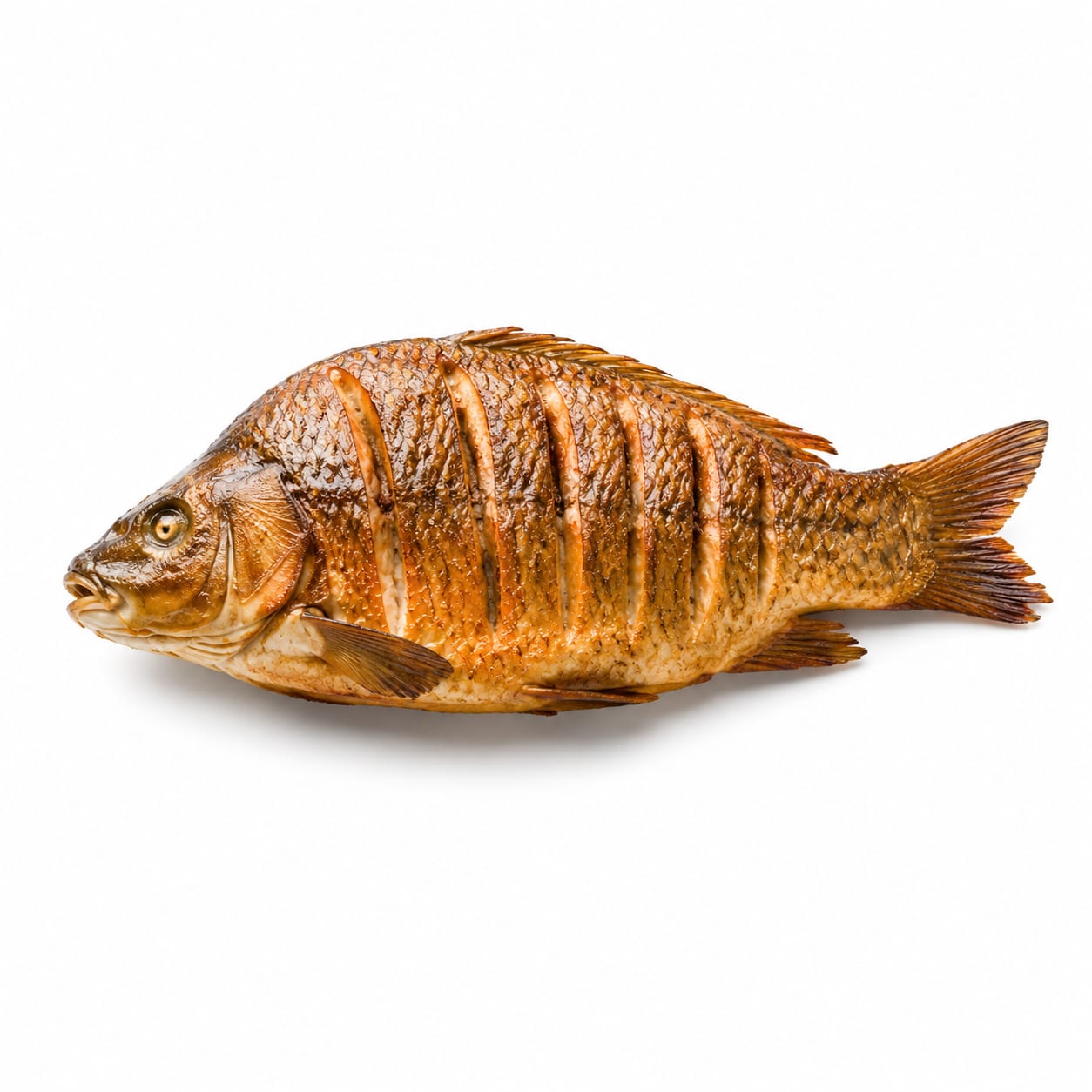
Carp
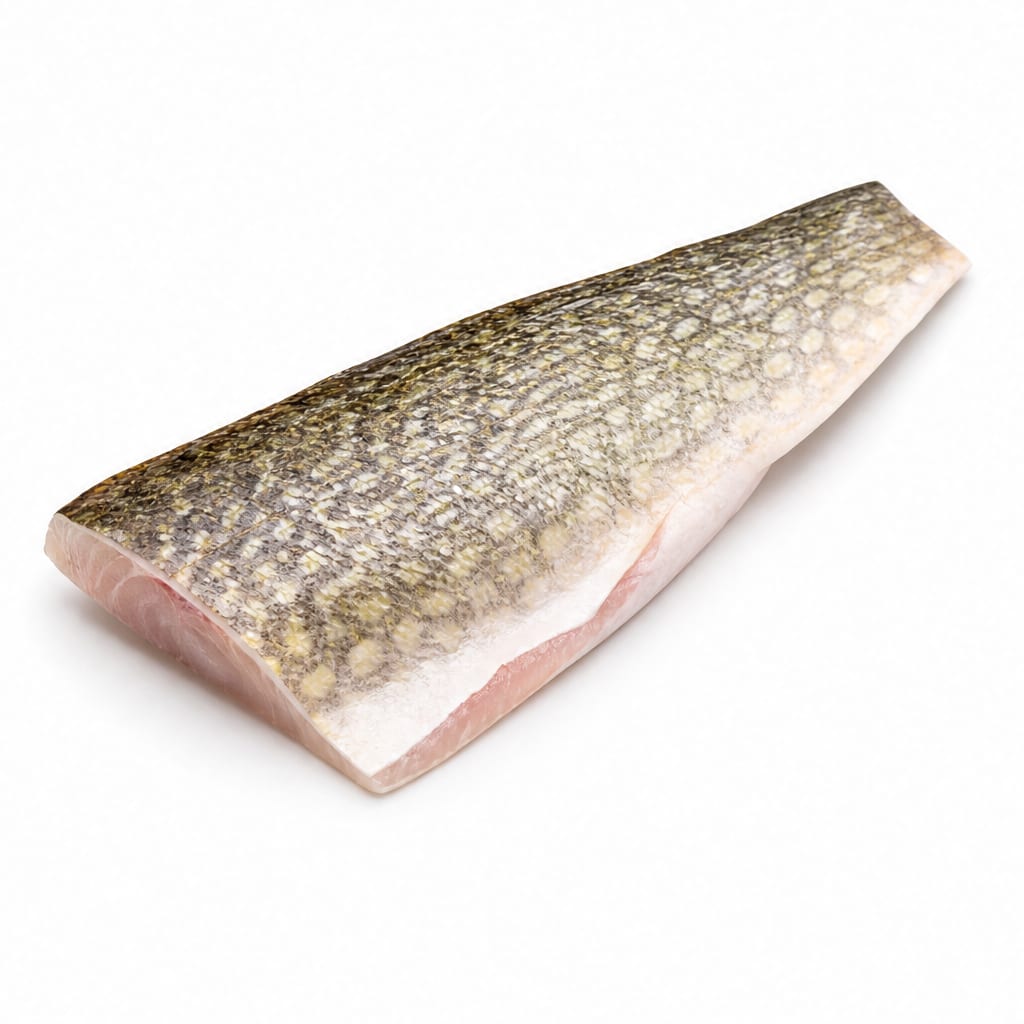
Pike
Pike is the safer, leaner choice for regular eating. Carp offers more omega-3s but carries significantly higher contamination risk from being a bottom-feeder.
Pike scores notably higher due to its cleaner safety profile and lean protein advantage. Carp's omega-3 content is valuable but cannot overcome its contamination disadvantage for most eaters.
Carp gives you more healthy fats and calories per serving, but Pike gives you cleaner protein with far less pollutant exposure.
At a glance
Executive summary
Overall
It depends
Healthier
Pike
More practical
Pike
Daily use
Pike
Key comparison lenses
contamination and heavy metal safety
Carp are bottom-feeders that accumulate significantly more pollutants, making this the single most important differentiator
lean protein vs fatty fish choice
Carp is notably fattier while Pike is very lean, creating a clear dietary tradeoff
preparation difficulty and bone handling
Both fish are notoriously bony, but Pike's Y-bones require specific technique, while Carp has numerous small bones
omega-3 intake optimization
Carp's higher fat content delivers more omega-3s, but with the contamination caveat
sustainability and ecological impact
Carp is often invasive and eating it helps ecosystems, while Pike is a managed game species
Best choice for
Carp
- People wanting maximum omega-3 from freshwater fish
- Anglers catching from clean, unpolluted waters
- Those needing higher calorie intake from fish
- Environmentally conscious eaters targeting invasive species
Pike
- People prioritizing low-contamination protein
- Lean diet followers counting calories
- Regular fish consumers eating it multiple times per week
- Anyone concerned about long-term pollutant accumulation
Least suitable for
Carp
- Pregnant women due to higher contaminant load
- Children with developing nervous systems
- People eating fish from unknown or potentially polluted waters
- Those on strict low-fat diets
Pike
- People wanting substantial omega-3 intake from a single serving
- Those needing higher calorie meals
- Anglers unwilling to learn Y-bone removal technique
Deep comparison
Dimension by dimension
Each lens scores both foods and breaks down who each option suits.
- Dimension 1 · Priority 95Pike
contamination safety
Carp · 35Pike · 70Carp's bottom-feeding habits mean it accumulates far more heavy metals, PCBs, and agricultural runoff than Pike.
Tradeoff
Carp's richer nutrient profile comes with a real long-term health cost that accumulates with frequency.
Why it matters
Chronic low-level exposure to PCBs and mercury affects neurological health, hormone function, and cancer risk over decades.
Real-world impact
Eating Carp weekly from average waters meaningfully increases your lifetime pollutant burden compared to Pike.
Carp
- Anyone eating from industrial or agricultural runoff zones
- Families with young children
Worse for
Pike
- Long-term health
- Pregnant women
- Children
- Regular fish consumers
Better for
- Dimension 2 · Priority 85Pike
protein quality and leanness
Carp · 60Pike · 85Pike delivers very lean, high-quality protein with fewer calories per serving. Carp is protein-rich but comes with significantly more fat.
Tradeoff
Carp's fat isn't bad fat, but it changes the calorie math substantially if you're watching intake.
Why it matters
Lean protein supports muscle maintenance and satiety without excess calories, making Pike more versatile across dietary goals.
Real-world impact
A Pike fillet gives you clean protein similar to chicken breast. Carp is closer to salmon in calorie density.
Carp
- People wanting higher calorie meals
- Those seeking omega-3s alongside protein
Better for
- Strict calorie counters
Worse for
Pike
- Weight management
- Lean muscle diets
- Flexible meal planning
Better for
- Those needing calorie-dense meals
Worse for
- Dimension 3 · Priority 75Carp
omega-3 and healthy fat content
Carp · 78Pike · 40Carp's higher fat content delivers meaningfully more omega-3 fatty acids per serving than lean Pike.
Tradeoff
You get more anti-inflammatory fats from Carp, but from a fish that also carries more inflammatory contaminants.
Why it matters
Omega-3s support heart health, brain function, and joint comfort. Getting them from fish is generally efficient.
Real-world impact
One Carp serving covers more of your omega-3 needs, but you could also just eat a cleaner fatty fish like sardines instead.
Carp
- Omega-3 intake
- Anti-inflammatory diets
- Heart health support
Better for
Pike
- Relying on Pike alone for omega-3 needs
Worse for
- Dimension 4 · Priority 70Pike
preparation and eating experience
Carp · 45Pike · 55Both fish are challenging to prepare due to bones, but Pike's Y-bones are more predictable once you learn the technique. Carp has numerous small floating bones that are harder to manage.
Tradeoff
Neither fish is beginner-friendly. Pike rewards learning a specific skill. Carp remains frustrating even with experience.
Why it matters
If preparation is annoying, you simply won't cook it often regardless of nutritional merit.
Real-world impact
Pike becomes manageable after watching a Y-bone tutorial. Carp often requires grinding into fish cakes to avoid bone issues.
Carp
- Impatient cooks
- People who hate picking bones
Worse for
Pike
- Home cooks willing to learn filleting technique
- Those who prefer clean fillets over processed preparations
Better for
- Complete beginners who won't learn Y-bone removal
Worse for
- Dimension 5 · Priority 70Carp
sustainability and ecological impact
Carp · 85Pike · 55Carp are often invasive species that damage local ecosystems. Eating them actively helps the environment. Pike are native game fish with more regulated populations.
Tradeoff
Choosing Carp is an ecological good deed, but you're eating a fish that thrives precisely because it tolerates degraded waters.
Why it matters
In many regions, Carp removal is actively encouraged by wildlife agencies to protect native species.
Real-world impact
Eating invasive Carp from North American or Australian waters directly supports biodiversity. It's one of the most ecologically positive fish choices you can make.
Carp
- Environmental sustainability
- Invasive species management
- Eco-conscious eating
Better for
Pike
- Ecological impact awareness
Worse for
Timeline
Health impact over time
Short-term
Hours to days
Carp
- Heavier, more filling meal due to higher fat content
- Potential digestive discomfort if bones are missed
- More satisfying in cold weather due to calorie density
Pike
- Light, clean protein feeling after eating
- Lower risk of feeling overly full
- Quick to digest given the low fat content
Long-term
Months to years
Carp
- Higher cumulative contaminant exposure if eaten regularly from average waters
- Better omega-3 status if sourced from clean waters
- Potential endocrine disruption risk from PCB accumulation with frequent consumption
Pike
- Cleaner long-term safety profile with regular consumption
- May need supplemental omega-3s if Pike is your only fish source
- Lower risk of heavy metal accumulation over decades
Risk profile
Safety & processing
Both Carp and Pike are whole, minimally processed fish when purchased fresh. The concern isn't additives — it's what the fish absorbed from its environment before harvest.
Carp
PCB and dioxin accumulation
highCarp's bottom-feeding lifestyle and high fat content concentrate lipophilic pollutants like PCBs and dioxins at levels significantly above most other freshwater fish.
Mercury exposure
mediumCarp accumulate moderate mercury levels, typically lower than large predators but high enough to warrant consumption limits, especially for vulnerable populations.
Agricultural runoff contaminants
mediumCarp in agricultural areas may carry pesticide residues and fertilizer-related compounds absorbed from sediment.
Parasite presence
mediumLike most freshwater fish, Carp can carry parasites requiring thorough cooking or proper freezing before raw preparation.
Pike
Mercury exposure
lowPike is a predator and accumulates some mercury, but typically less than larger predator species. Northern Pike in some regions can reach moderate levels depending on water quality.
Parasite presence
mediumFreshwater habitat means parasite risk similar to Carp. Proper cooking eliminates this concern.
Local water quality variability
lowPike from contaminated waters will reflect that environment, though less dramatically than Carp.
Who wins for whom
Audience fit
Same foods, different winners depending on your goal.
children
PikeLower contaminant load makes Pike significantly safer for developing nervous systems. Carp should be limited or avoided for children.
daily consumption
PikePike's lower contaminant burden makes it safer to eat frequently. Carp should be limited to occasional meals unless water source is confirmed clean.
diabetes
PikeLean protein with minimal fat supports insulin sensitivity. Carp's higher fat content isn't harmful, but Pike's leanness is more metabolically neutral.
elderly
It dependsPike is safer for long-term health, but Carp's omega-3s support joint and brain health. If sourced from verified clean waters, Carp has an edge. Otherwise, Pike is the prudent choice.
muscle gain
PikePike provides clean, high-quality protein without excess fat that could displace other muscle-building foods in your macros.
weight loss
PikePike's lean profile delivers high protein with minimal calories, making it far easier to fit into a calorie-controlled plan.
Your move
Decision guide
Choose Carp
- You caught it from a known clean water source and want maximum omega-3s
- You're specifically targeting invasive species for ecological reasons
- You need calorie-dense protein during cold months or heavy training
- You plan to eat it occasionally, not weekly
Choose Pike
- You want the safest regular freshwater fish protein
- You're feeding children or pregnant family members
- You prefer lean fish and get your omega-3s elsewhere
- You're willing to learn proper Y-bone removal for a better eating experience
Either works if
- You're an angler who eats what you catch regardless of species
- You enjoy the flavor of freshwater fish and rotate between species
- You live near clean northern lakes where both fish thrive
Avoid both if
- You're sourcing from industrial or agricultural runoff zones
- You want convenient, bone-free fillets without preparation effort
- You need consistent omega-3 intake and prefer not to think about water quality
- You have access to cleaner saltwater options like sardines or mackerel
Final recommendation
Pike is the better default choice for most people due to its cleaner safety profile and lean protein. Carp has genuine nutritional merits — especially omega-3s and ecological value — but its contamination risk from bottom-feeding makes it a fish to enjoy selectively from verified clean waters rather than eat regularly. If you catch your own, check local advisories before deciding.
Practical
Consumer tips
- 1
Always check your state or provincial fish advisory before eating freshwater fish — contamination varies dramatically by waterbody
- 2
Carp from flowing rivers generally carries fewer contaminants than Carp from stagnant ponds or lakes
- 3
Northern Pike over 30 inches tend to have higher mercury — eat smaller fish when possible
- 4
Soaking Carp fillets in milk for 30 minutes before cooking reduces the muddy flavor many people dislike
- 5
If you struggle with Carp bones, grind the meat into fish cakes or fish balls for a safer eating experience
- 6
For Pike, search for 'Y-bone removal' tutorials online — the technique takes 5 minutes to learn and transforms the eating experience
- 7
Consider Carp as an occasional meal rather than a weekly staple, regardless of water source
- 8
If omega-3s are your main goal, sardines or mackerel deliver more with less contamination risk than either freshwater option