
Nutrition comparison
Carp vs Catfish: Nutrition, Safety, and Which Fish to Eat
Compare carp and catfish on omega-3 content, mercury risk, bone safety, and taste. Learn which freshwater fish is healthier and when to choose each.
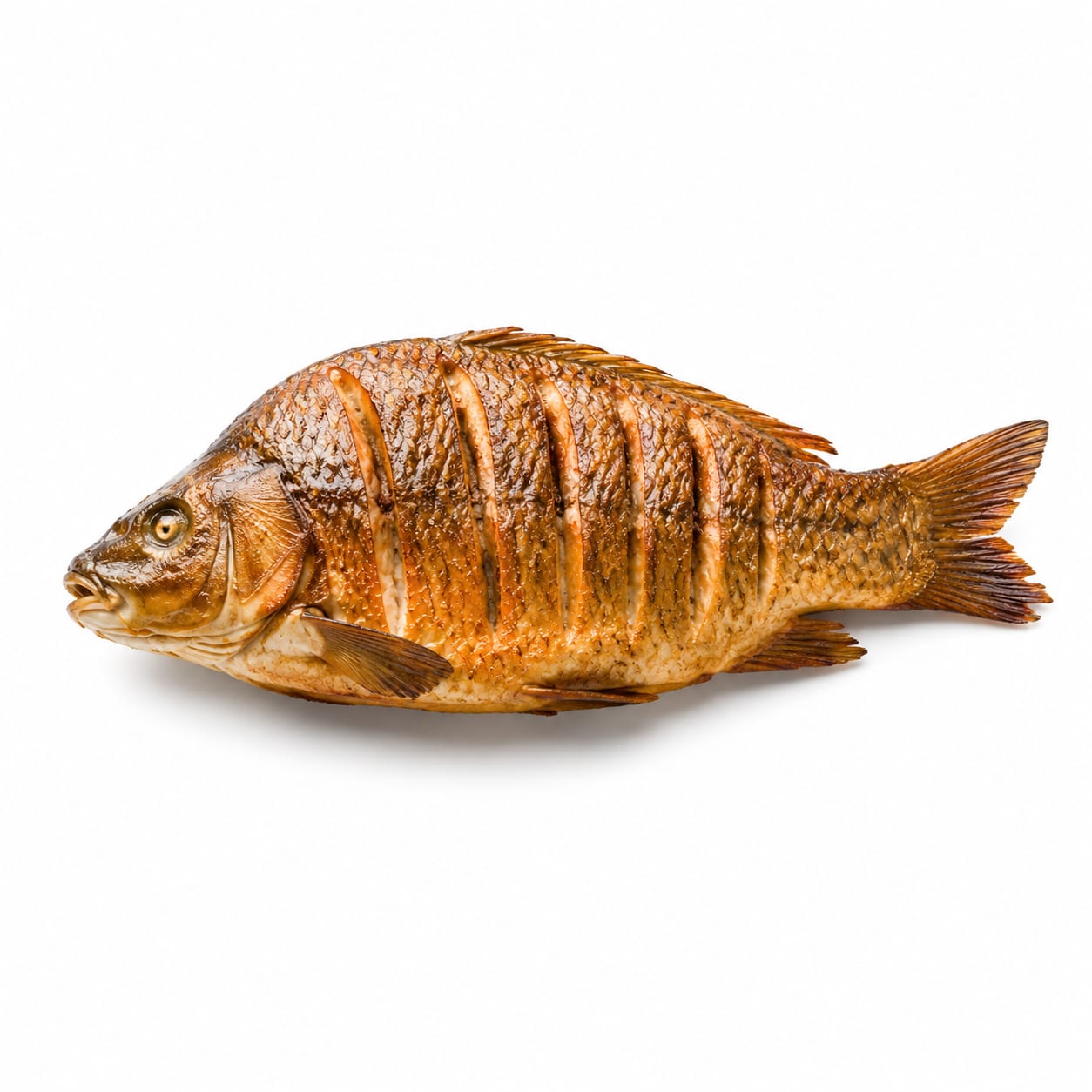
Carp
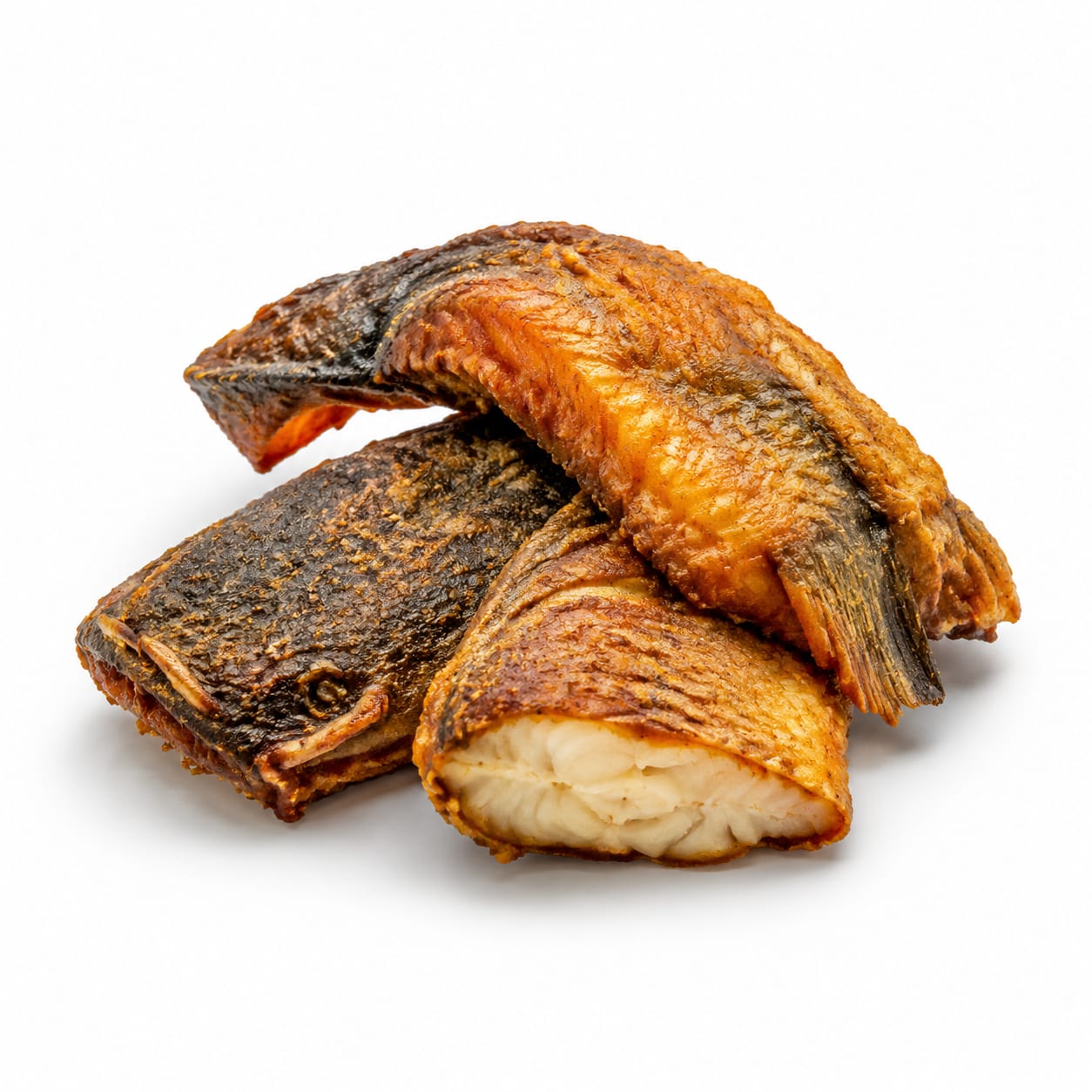
Catfish
Carp delivers far more omega-3s but comes with serious bone hassle and higher contaminant risk from wild harvesting. Catfish offers easier eating and safer farmed options but lacks the nutritional punch.
Carp wins on raw nutrition but loses heavily on practicality and safety consistency. Catfish scores higher for daily usability despite weaker omega-3 content. The small gap reflects that neither is a standout health food — both are middle-tier fish choices.
Nutritional density versus practical safety — Carp feeds your brain better, Catfish feeds you with less worry.
At a glance
Executive summary
Overall
It depends
Healthier
Carp
More practical
Catfish
Daily use
Catfish
Key comparison lenses
contaminant and heavy metal safety
Both are bottom-feeding fish known to accumulate environmental toxins, making safety the primary concern for most consumers
omega-3 nutritional value
Carp significantly outperforms catfish in omega-3 content, which is a key reason people choose fish
ease of preparation and eating
Carp's notorious bone structure versus catfish's cleaner fillets dramatically affects real-world enjoyment
farmed versus wild sourcing
Most US catfish is farmed with controlled diets while carp is often wild-caught, creating very different risk and nutrition profiles
sustainability and environmental impact
Carp is invasive in many regions so eating it helps ecosystems, while farmed catfish has a mixed sustainability record
Best choice for
Carp
- Omega-3 seekers who want a brain and heart boost
- Adventurous cooks comfortable with bony fish
- People in regions where carp is invasive and wild-caught is fresh
- Traditional European or Asian cuisine enthusiasts
Catfish
- Families wanting an easy, kid-friendly fish
- People who prioritize low contaminant risk
- Busy home cooks who value quick prep and clean fillets
- Anyone eating fish multiple times per week
Least suitable for
Carp
- Children due to bone choking hazard
- Pregnant women concerned about wild fish contaminants
- Impatient cooks who hate dealing with bones
- People sensitive to muddy or earthy flavors
Catfish
- Those seeking high omega-3 intake from fish
- People avoiding farmed seafood entirely
- Diners wanting bold, distinctive fish flavor
Deep comparison
Dimension by dimension
Each lens scores both foods and breaks down who each option suits.
- Dimension 1 · Priority 95Carp
omega-3 and healthy fats
Carp · 82Catfish · 45Carp delivers roughly 2-3 times more omega-3 fatty acids than catfish, making it genuinely useful for heart and brain health.
Tradeoff
You get more anti-inflammatory fats with carp, but you also get more overall fat including saturated fat depending on preparation.
Why it matters
Omega-3 intake is the main reason health experts recommend eating fish twice weekly. Carp actually fulfills this purpose; catfish barely moves the needle.
Real-world impact
Eating carp twice a week could meaningfully improve your omega-3 status. Eating catfish twice a week mostly just gives you lean protein.
Carp
- Cardiovascular protection
- Brain health and cognitive function
- Reducing systemic inflammation
- Meeting dietary omega-3 targets
Better for
- Higher calorie density per serving
- Fat content varies widely by season and water source
Worse for
Catfish
- Lower total fat intake if watching calories
- Leaner protein source for cutting phases
Better for
- Omega-3 levels too low to be a primary fish source
- Less anti-inflammatory benefit per serving
Worse for
- Dimension 2 · Priority 92Catfish
contaminant and heavy metal safety
Carp · 48Catfish · 72Wild carp often carries higher loads of mercury, PCBs, and agricultural runoff. Farmed catfish has more controlled exposure but introduces antibiotic and feed concerns.
Tradeoff
Carp's wild environment means unpredictable contamination. Catfish's farmed environment means more consistent but different risks.
Why it matters
Bottom feeders accumulate whatever is in their water. Knowing where your fish lived matters more than with almost any other seafood choice.
Real-world impact
A pregnant woman can eat US farmed catfish with moderate confidence. Wild carp from unknown waters is a genuine gamble.
Carp
- Wild-caught means no antibiotic residues
- No artificial feed additives
Better for
- PCB accumulation in bottom sediment
- Mercury levels vary wildly by waterway
- Agricultural runoff concentration in slow-moving waters
- Microplastic ingestion from sediment feeding
Worse for
Catfish
- US farmed catfish has regulated water quality
- More predictable contaminant profiles
- FDA monitoring of farmed operations
Better for
- Antibiotic use in some farming operations
- Feed may include soy and grain not natural to fish
- Imported catfish has weaker safety oversight
Worse for
- Dimension 3 · Priority 85Catfish
ease of preparation and eating
Carp · 30Catfish · 85Carp is notoriously bony and requires skill to prepare. Catfish fillets are clean, boneless, and cook in minutes.
Tradeoff
Carp rewards patient cooks with richer flavor. Catfish trades culinary depth for weeknight convenience.
Why it matters
If a fish is hard to cook and unpleasant to eat, even great nutrition gets ignored. Most people give up on carp after one bone encounter.
Real-world impact
Catfish is a realistic Tuesday dinner. Carp is a weekend project or a dish you order at a restaurant that specializes in it.
Carp
- Deeper, more complex flavor for slow-cooked dishes
- Traditional recipes make it a cultural experience
Better for
- Y-bones require expert filleting to remove
- Choking hazard for children and elderly
- Steep learning curve turns off beginners
- Prep time can exceed 30 minutes for novices
Worse for
Catfish
- Boneless fillets ready in under 15 minutes
- Kid-friendly texture and mild taste
- Versatile for frying, grilling, baking, or blackening
- No special skills needed
Better for
- Can taste bland without seasoning
- Easily overcooked into dry toughness
Worse for
- Dimension 4 · Priority 75It depends
protein quality and satiety
Carp · 70Catfish · 72Both provide solid complete protein with all essential amino acids. Catfish is slightly leaner; carp is slightly more filling due to higher fat content.
Tradeoff
Carp keeps you full longer from fat content. Catfish delivers cleaner protein with fewer calories.
Why it matters
For most people eating adequate protein, the difference is marginal. This dimension only matters if you're tracking macros carefully.
Real-world impact
After a carp meal you may stay full for 4-5 hours. After catfish, expect 3-4 hours unless you add sides.
Carp
- Higher fat extends satiety
- More calorie-dense for those needing to gain weight
Better for
- More calories per gram of protein
- Fat content varies unpredictably
Worse for
Catfish
- Leaner protein for calorie-conscious diets
- Better protein-to-calorie ratio
- Easier to portion control
Better for
- Less satiating without added fats or sides
Worse for
- Dimension 5 · Priority 70Carp
sustainability and environmental impact
Carp · 78Catfish · 60Carp is invasive in most North American and Australian waterways, so eating it actively helps ecosystems. Catfish farming has moderate environmental costs.
Tradeoff
Eating wild carp solves an environmental problem. Eating farmed catfish creates a smaller but real one.
Why it matters
Your fish choice affects more than your body. Carp consumption is literally ecological restoration in many regions.
Real-world impact
Choosing invasive carp for dinner helps native fish populations recover. It's one of the few times eating something is actively good for the planet.
Carp
- Invasive species harvest reduces ecological damage
- No feed inputs — wild fish need no agricultural resources
- Supports removal programs that protect native biodiversity
Better for
- Wild harvest is unregulated in some areas
- Bycatch possible with certain catch methods
Worse for
Catfish
- US farm-raised catfish has improved practices
- Lower mercury than many wild alternatives
Better for
- Fish farm waste can pollute local waterways
- Soy-based feed links to deforestation
- Energy-intensive recirculating systems
- Imported catfish often has worse environmental oversight
Worse for
- Dimension 6 · Priority 68It depends
taste and culinary versatility
Carp · 65Catfish · 70Carp offers rich, sweet meat prized in specific traditions but often muddy in poor-quality fish. Catfish is consistently mild and takes seasoning well.
Tradeoff
Carp can be exceptional or terrible depending on source and skill. Catfish is reliably decent but rarely memorable.
Why it matters
Flavor consistency matters for repeat eating. Unpredictable taste kills dietary habits faster than any nutritional shortcoming.
Real-world impact
Carp from clean cold water is delicious. Carp from warm murky ponds tastes like the bottom it lived on. Catfish always tastes like catfish — for better and worse.
Carp
- Richer, sweeter flesh when sourced well
- Stars in traditional gefilte fish, Asian braises, and European holiday dishes
- Higher fat carries flavor beautifully in slow cooks
Better for
- Muddy or earthy off-flavors common in warm-water fish
- Inconsistent quality makes it a gamble
- Limited appeal outside traditional recipes
Worse for
Catfish
- Consistent mild flavor regardless of source
- Absorbs marinades and spice rubs effectively
- Southern fried catfish is a beloved comfort food for good reason
- Hard to ruin if you follow basic cooking times
Better for
- Can feel one-dimensional without bold seasoning
- Fried preparations add significant calories
Worse for
Timeline
Health impact over time
Short-term
Hours to days
Carp
- Heavier meal that provides sustained energy for hours
- Possible digestive discomfort if bones are accidentally swallowed
- Rich mouthfeel makes small portions feel satisfying
Catfish
- Light, clean protein that digests easily
- Quick to prepare when you need a fast healthy meal
- Fried versions can cause sluggishness and heartburn
Long-term
Months to years
Carp
- Regular consumption from clean waters meaningfully boosts omega-3 status and heart health
- Eating from contaminated waters could increase PCB and heavy metal body burden over years
- Bone-related choking incidents are a real if rare risk for families
Catfish
- Consistent lean protein supports muscle maintenance and weight management
- Low omega-3 content means it should not be your only fish source
- US farmed catfish has a reasonable long-term safety profile for regular consumption
Risk profile
Safety & processing
Both are whole fish with minimal processing when bought fresh. However, farmed catfish may contain antibiotic residues and artificial feed components that wild carp avoids. Frozen catfish fillets sometimes contain sodium-based preservatives. Whole carp from a fisherman is about as natural as protein gets — the concern is what was in the water, not what was added to the fish.
Carp
PCB and dioxin contamination
highCarp's bottom-feeding habits and high fat content concentrate lipophilic toxins from industrial sediment. Risk varies enormously by waterway — some are safe, some are genuinely dangerous.
Mercury accumulation
mediumLong-lived carp in contaminated waters can accumulate concerning mercury levels. Smaller younger fish from clean waters are significantly safer.
Bone choking hazard
mediumCarp's complex Y-bone structure poses a real choking risk, especially for children, the elderly, and anyone not experienced with bony fish.
Parasitic infection from raw preparation
mediumWild freshwater fish carry parasite risk that requires thorough cooking or proper freezing protocols before raw consumption.
Catfish
Antibiotic residues in farmed fish
mediumUS regulations limit antibiotic use, but imported catfish from Asia often faces less oversight. Always check country of origin.
Feed contamination
lowFarmed catfish feed can contain agricultural ingredients with pesticide residues, though US operations are monitored for this.
Sodium in processed frozen fillets
lowSome frozen catfish products contain added sodium solutions. Fresh or frozen without additives avoids this entirely.
Who wins for whom
Audience fit
Same foods, different winners depending on your goal.
children
CatfishBoneless catfish fillets eliminate choking risk, and the mild flavor is far more acceptable to young palates. Safety trumps nutrition for kids.
daily consumption
CatfishConsistent safety profile, easy preparation, and broad availability make catfish more realistic for regular meals. Carp is better as an occasional nutrient-dense choice.
diabetes
CarpCarp's higher omega-3 content improves insulin sensitivity and reduces inflammation, both critical for diabetes management. Just ensure it comes from clean water.
elderly
CatfishSoft texture, no bones, and lower contaminant risk from regulated farming make catfish the safer choice for older adults.
muscle gain
CatfishCatfish offers cleaner protein-to-calorie ratio, and the ease of preparation means you'll actually eat it consistently enough to support training.
weight loss
CatfishCatfish provides lean protein with fewer calories per serving, making it easier to fit into a calorie deficit without hunger.
Your move
Decision guide
Choose Carp
- You can source it from known clean waters with low contamination
- You want maximum omega-3 benefit from a freshwater fish
- You enjoy traditional carp recipes or want to explore them
- You care about eating invasive species for environmental reasons
- You have the patience and skill to fillet around bones properly
Choose Catfish
- You want a reliable weeknight protein that cooks in 15 minutes
- You're feeding kids or elderly family members who need boneless fish
- You eat fish frequently and need a safe daily driver option
- You can only access farmed fish and want the most regulated option
- You prefer mild fish that takes on seasoning rather than asserting its own flavor
Either works if
- You're getting enough omega-3s from other sources like salmon or sardines
- You rotate fish types weekly anyway for nutrient diversity
- Both are fresh and affordable at your local market
Avoid both if
- You have access to safer, more nutritious fish like salmon, sardines, or mackerel
- You're pregnant and unsure about water quality for carp or sourcing for catfish
- You have a seafood allergy or sensitivity to freshwater fish
- You primarily eat fish for omega-3s and can choose saltwater options instead
Final recommendation
Choose catfish for everyday eating — it's safer, simpler, and more consistent. Choose carp occasionally when you can verify clean sourcing and want an omega-3 boost. Neither should be your only fish. Rotate in salmon, sardines, or mackerel for a more complete seafood strategy.
Practical
Consumer tips
- 1
For carp: Always check local advisories before eating wild-caught fish. Your state environmental agency publishes waterway-specific contamination data.
- 2
For carp: Soak fillets in milk or salted water for 30 minutes before cooking to reduce muddy flavor.
- 3
For carp: Choose smaller fish under 5 pounds — they accumulate fewer toxins and taste cleaner.
- 4
For catfish: Buy US farm-raised when possible. Imported catfish faces weaker safety oversight and may contain antibiotic residues.
- 5
For catfish: Frozen fillets without added sodium solution are nearly as good as fresh and far more convenient.
- 6
For both: Cook thoroughly to 145°F internal temperature. Freshwater fish carry parasite risk that proper cooking eliminates.
- 7
For both: Pair with lemon or vinegar-based sides — the acid balances the richer flavor and may help reduce heavy metal absorption slightly.