
Nutrition comparison
Carp vs Sardines: Which Fish Is Healthier?
Compare carp and sardines on omega-3s, mercury, calcium, sodium, and convenience. Discover which fish is better for heart health, bone density, and daily nutrition.
Overall winner · Sardines
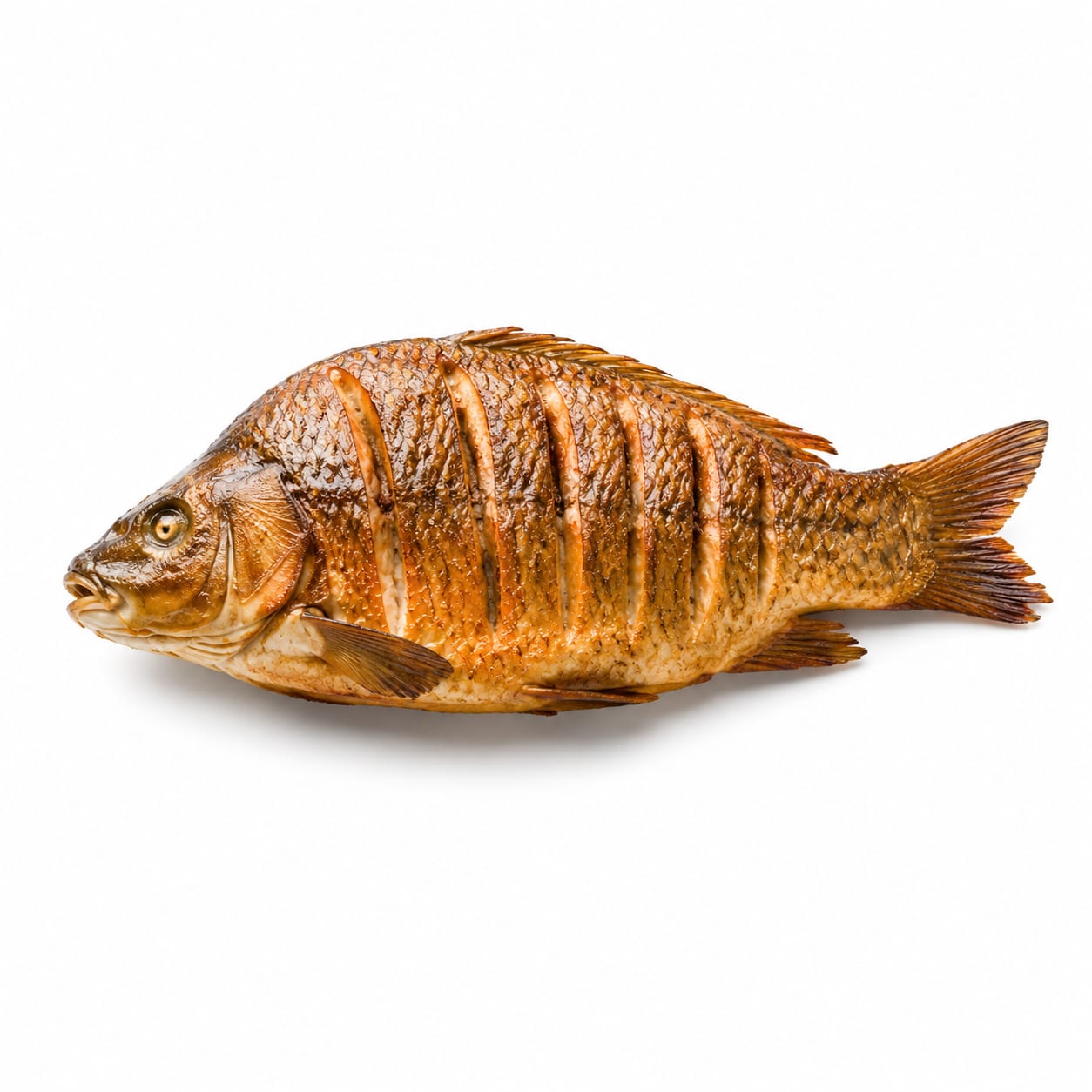
Carp
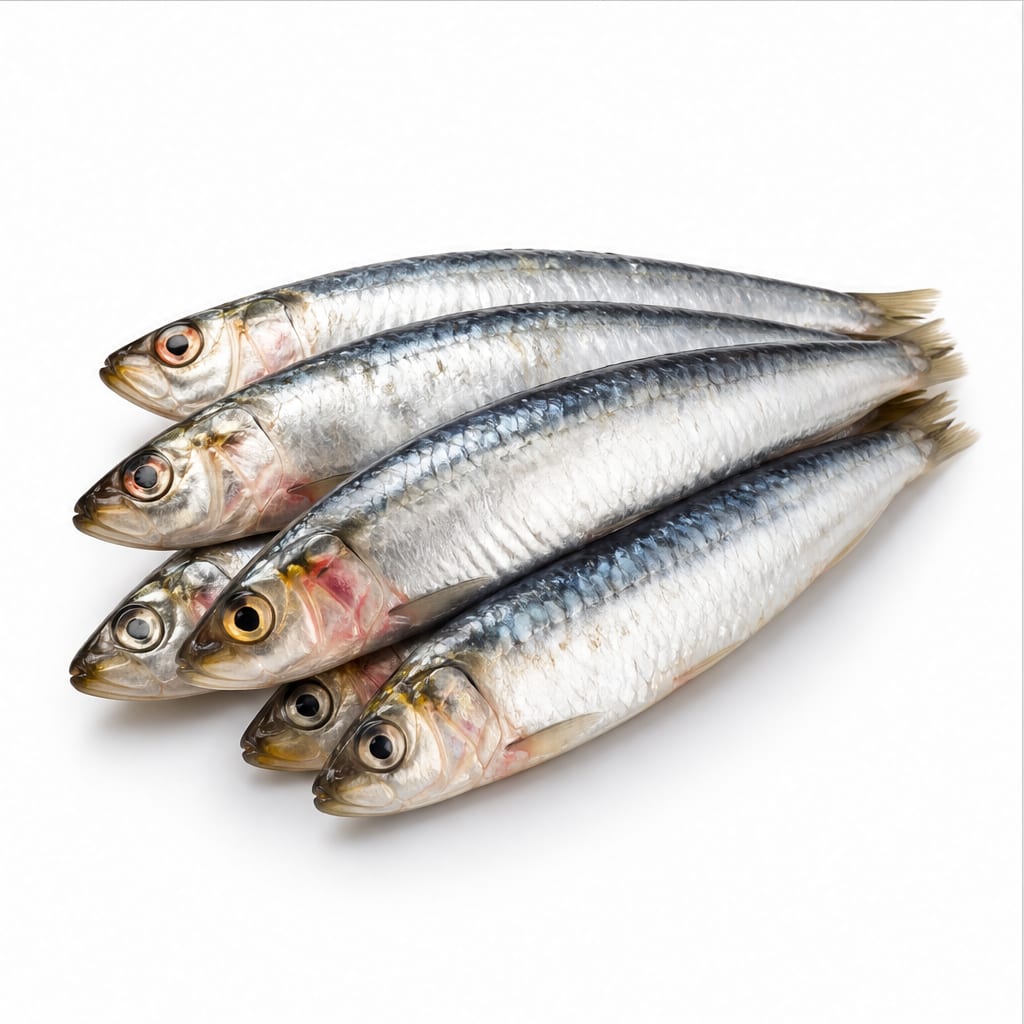
Sardines
Sardines dominate on nutrition, safety, and convenience. Carp wins only on sodium and freshness of preparation.
Sardines score significantly higher due to superior omega-3 content, better safety profile, higher micronutrient density, and unmatched convenience. Carp remains a reasonable whole-food protein but carries meaningful contamination concerns and requires considerable preparation effort.
You trade sodium control and the experience of cooking fresh fish for vastly more omega-3s, calcium, vitamin D, and lower contamination risk.
At a glance
Executive summary
Overall
Sardines
Healthier
Sardines
More practical
Sardines
Daily use
Sardines
Key comparison lenses
omega-3 and heart health comparison
Both are fish but sardines deliver dramatically more EPA/DHA per serving, making this the most consequential difference
contamination and heavy metal safety
Carp are freshwater bottom-feeders with higher pollutant accumulation risk, while sardines are small ocean fish with minimal mercury
convenience and everyday practicality
Sardines are shelf-stable and ready to eat; carp requires extensive preparation and cooking
bone health and micronutrient density
Sardines with edible bones provide exceptional calcium and vitamin D that carp cannot match
sodium and processing concerns
Canned sardines carry significant sodium loads while fresh carp is naturally low in sodium
Best choice for
Carp
- People strictly limiting sodium intake
- Those who enjoy cooking and preparing whole fish
- Diners seeking a traditional freshwater fish experience
- Anyone avoiding canned or preserved foods
Sardines
- Heart health and omega-3 optimization
- Bone health and calcium needs
- Busy people needing ready-to-eat protein
- Pregnant women seeking low-mercury fish
- Budget-conscious consumers wanting maximum nutrition per dollar
Least suitable for
Carp
- Pregnant women due to freshwater contaminant risk
- People wanting quick convenient meals
- Anyone concerned about heavy metal exposure
- Diners who dislike dealing with bones
Sardines
- People on strict low-sodium diets
- Those who find strong fish flavors unpleasant
- Individuals avoiding canned foods
Deep comparison
Dimension by dimension
Each lens scores both foods and breaks down who each option suits.
- Dimension 1 · Priority 95Sardines
omega-3 fatty acid content
Carp · 35Sardines · 95Sardines deliver roughly 3-4 times more EPA and DHA per serving than carp, making them far more effective for heart and brain health.
Tradeoff
Carp provides some omega-3s but not enough to meaningfully move the needle on anti-inflammatory benefits without large portions.
Why it matters
EPA and DHA are the most bioactive omega-3s for reducing inflammation, supporting heart rhythm, and maintaining brain function.
Real-world impact
Eating sardines twice weekly meets omega-3 recommendations easily. Carp would require 4-6 servings to achieve similar intake.
Carp
- Relying on carp as your primary omega-3 source
Worse for
Sardines
- Reducing triglyceride levels
- Supporting brain health with age
- Lowering systemic inflammation
Better for
- Dimension 2 · Priority 90Sardines
contamination and heavy metal safety
Carp · 40Sardines · 88Sardines are small and short-lived, accumulating minimal mercury. Carp are bottom-feeders in freshwater systems that often carry higher pollutant loads.
Tradeoff
Freshwater environments concentrate agricultural runoff, industrial chemicals, and microplastics differently than ocean habitats.
Why it matters
Chronic exposure to heavy metals and persistent organic pollutants affects neurological health, hormone function, and cancer risk.
Real-world impact
Pregnant women and children can safely eat sardines multiple times weekly. Carp consumption should be more limited, especially from unknown water sources.
Carp
- Regular consumption from polluted waterways
- Serving to vulnerable populations without source verification
Worse for
Sardines
- Pregnant and breastfeeding women
- Children developing nervous systems
- Frequent fish eaters needing a safe staple
Better for
- Dimension 3 · Priority 85Sardines
convenience and practicality
Carp · 20Sardines · 92Canned sardines are shelf-stable, pre-cooked, and ready in seconds. Carp requires cleaning, deboning, and careful cooking.
Tradeoff
The convenience of sardines comes with added sodium and the canned texture some people dislike.
Why it matters
Inconvenient foods get eaten less often, reducing their real-world health impact regardless of nutritional quality.
Real-world impact
Sardines can be opened and added to salads, toast, or pasta in under a minute. Carp requires 30-60 minutes of preparation and cooking.
Carp
- Those who find cooking meditative and enjoyable
Better for
- Busy professionals with limited cooking time
- Anyone needing quick post-workout nutrition
Worse for
Sardines
- Quick weeknight meals
- Office lunches with no reheating needed
- Emergency protein supplies
- Travel and camping food
Better for
- Dimension 4 · Priority 80Sardines
bone health nutrients
Carp · 25Sardines · 93Sardines eaten with soft bones provide exceptional calcium and vitamin D. Carp bones are not typically eaten, offering little bone-supporting nutrition.
Tradeoff
The calcium advantage requires eating sardine bones, which some people find unpleasant but are actually quite tender in canned varieties.
Why it matters
Most people under-consume both calcium and vitamin D, making sardines one of the few foods that meaningfully addresses both gaps simultaneously.
Real-world impact
One can of sardines with bones provides roughly 30-35% of daily calcium needs. Carp fillets provide negligible calcium.
Carp
- Relying on carp for bone-supporting minerals
Worse for
Sardines
- Older adults at risk for osteoporosis
- People who avoid dairy products
- Anyone needing vitamin D from food sources
Better for
- Dimension 5 · Priority 70Carp
sodium content
Carp · 90Sardines · 30Fresh carp is naturally low in sodium. Canned sardines typically contain 300-500mg of sodium per serving from added salt.
Tradeoff
The sodium in sardines is the price of preservation and convenience. Rinsing helps but does not eliminate it.
Why it matters
For people with hypertension, heart failure, or salt sensitivity, sodium load directly affects blood pressure and fluid balance.
Real-world impact
A single can of sardines can contain 20-25% of the daily sodium limit for someone with high blood pressure.
Carp
- People managing hypertension
- Those on sodium-restricted diets
- Anyone eating multiple servings of fish per day
Better for
Sardines
- Salt-sensitive individuals eating sardines frequently
- Combining sardines with other high-sodium foods in one meal
Worse for
- Dimension 6 · Priority 75Sardines
protein quality and satiety
Carp · 70Sardines · 82Both provide complete high-quality protein, but sardines offer slightly more protein per calorie and better satiety due to their fat content.
Tradeoff
Carp is leaner, which may suit calorie-restricted diets, but the lower fat content means less staying power between meals.
Why it matters
Protein quality and satiety determine how long you stay full and how well your body maintains muscle mass.
Real-world impact
A sardine lunch tends to keep you satisfied longer than a carp lunch of equal calories, reducing afternoon snacking.
Carp
- Very low-calorie diets where every calorie counts
Better for
- Feeling hungry sooner after eating
Worse for
Sardines
- Sustained energy between meals
- Post-workout recovery with protein and anti-inflammatory fats combined
Better for
- Dimension 7 · Priority 65Sardines
sustainability and environmental impact
Carp · 50Sardines · 85Sardines are among the most sustainable seafood choices available. Carp sustainability varies enormously with farming practices.
Tradeoff
Well-managed carp aquaculture can be sustainable, but many operations have significant environmental impacts on local waterways.
Why it matters
Sustainable choices ensure fish populations remain available for future generations and reduce ecological damage.
Real-world impact
Choosing sardines supports ocean fisheries with low bycatch. Carp sourcing requires research to ensure responsible farming.
Carp
- Unverified farmed carp from unknown sources
Worse for
Sardines
- Environmentally conscious consumers
- Those wanting a clear sustainable choice without research
Better for
Timeline
Health impact over time
Short-term
Hours to days
Carp
- Satisfying protein from a whole-food source
- Low sodium supports blood pressure stability
- Lean protein feels lighter in the stomach
Sardines
- Quick omega-3 boost that may ease joint stiffness
- High satiety from protein-fat combination reduces snacking
- Sodium may cause temporary water retention in sensitive individuals
Long-term
Months to years
Carp
- Potential accumulation of freshwater pollutants with frequent consumption
- Moderate omega-3 intake provides some cardiovascular benefit
- Lower sodium intake supports long-term blood pressure management
Sardines
- Consistent omega-3 intake significantly reduces heart disease risk
- Calcium and vitamin D from bones support bone density with age
- High sodium from regular canned consumption may affect blood pressure over time
- Low mercury load makes long-term frequent consumption safe
Risk profile
Safety & processing
Fresh carp is essentially unprocessed whole food. Canned sardines undergo cooking and canning with added salt but contain no artificial preservatives or additives. Both are clean protein sources by most standards, though sardines trade some naturalness for shelf stability.
Carp
heavy metal accumulation
mediumCarp accumulate mercury and other heavy metals from freshwater sediment, especially in industrial or agricultural areas. Risk varies significantly by water source.
persistent organic pollutants
mediumBottom-feeding behavior exposes carp to PCBs, dioxins, and agricultural chemicals concentrated in river and lake sediments.
parasite contamination
lowFreshwater fish carry slightly higher parasite risk than ocean fish. Thorough cooking eliminates this concern.
Sardines
sodium overload
mediumCanned sardines typically contain 300-500mg sodium per serving. Eating multiple cans daily could exceed recommended limits.
histamine reactions
lowScombroid fish can develop histamine if improperly stored. Canned sardines are generally safe but sensitive individuals should be aware.
purine content
lowSardines are high in purines, which can trigger gout flares in susceptible individuals.
Who wins for whom
Audience fit
Same foods, different winners depending on your goal.
children
SardinesLow mercury and high calcium and vitamin D make sardines safer and more beneficial for growing bodies, though the strong flavor may require creative preparation.
daily consumption
SardinesLower contamination risk and higher nutrient density make sardines suitable as a near-daily staple. Carp should be consumed more moderately due to pollutant concerns.
diabetes
SardinesThe omega-3s in sardines improve insulin sensitivity and reduce cardiovascular risk, which is critical for diabetes management.
elderly
SardinesCalcium, vitamin D, and omega-3s address the top nutritional concerns of aging: bone density, heart health, and cognitive function.
muscle gain
SardinesSardines offer slightly more protein per serving alongside anti-inflammatory omega-3s that support exercise recovery.
weight loss
SardinesSardines provide more satiety per calorie from protein and fat combined, making portion control easier and reducing between-meal hunger.
Your move
Decision guide
Choose Carp
- You are strictly limiting sodium and need a naturally low-salt protein
- You have access to carp from clean, verified water sources
- You enjoy the ritual of preparing and cooking whole fresh fish
- You want a leaner protein with less fat per serving
Choose Sardines
- Heart health and omega-3 intake are top priorities
- You need convenient ready-to-eat protein for busy days
- You want maximum nutrition per dollar spent
- You are pregnant or feeding children and need low-mercury fish
- Bone health is a concern and you want food-source calcium
Either works if
- You simply want a whole-food protein source instead of processed meats
- You are rotating fish types to diversify your nutrient intake
- You enjoy fish and want variety in your weekly meals
Avoid both if
- You have a fish allergy
- You have gout and are sensitive to purine-rich foods
- You cannot tolerate any seafood due to digestive issues
Final recommendation
Sardines are the clear winner for most people most of the time. They deliver substantially more omega-3s, calcium, and vitamin D with lower contamination risk and unmatched convenience. Choose carp when sodium is a critical concern or when you have access to verified clean sources and want the experience of cooking fresh whole fish. For daily health optimization, sardines are hard to beat.
Practical
Consumer tips
- 1
Rinsing canned sardines under water removes some surface sodium, typically reducing salt by 15-25%
- 2
Look for sardines packed in water or olive oil rather than soybean oil to avoid excess omega-6 fats
- 3
If trying carp, source from reputable suppliers who test for water quality and contaminants
- 4
Mash sardines with mustard and lemon to mellow the flavor if you find it too strong
- 5
Limit carp to 1-2 servings per week unless you have verified the water source is clean
- 6
Choose sardines with bones and skin for maximum calcium and vitamin D benefits
- 7
Freeze fresh carp for at least 24 hours before cooking to eliminate parasite risk