
Nutrition comparison
Carp vs Mackerel: Which Fish Is Healthier for You?
Compare carp and mackerel nutrition, omega-3 content, mercury risk, and value. Find out which fish better fits your health goals, budget, and lifestyle.
Overall winner · Mackerel
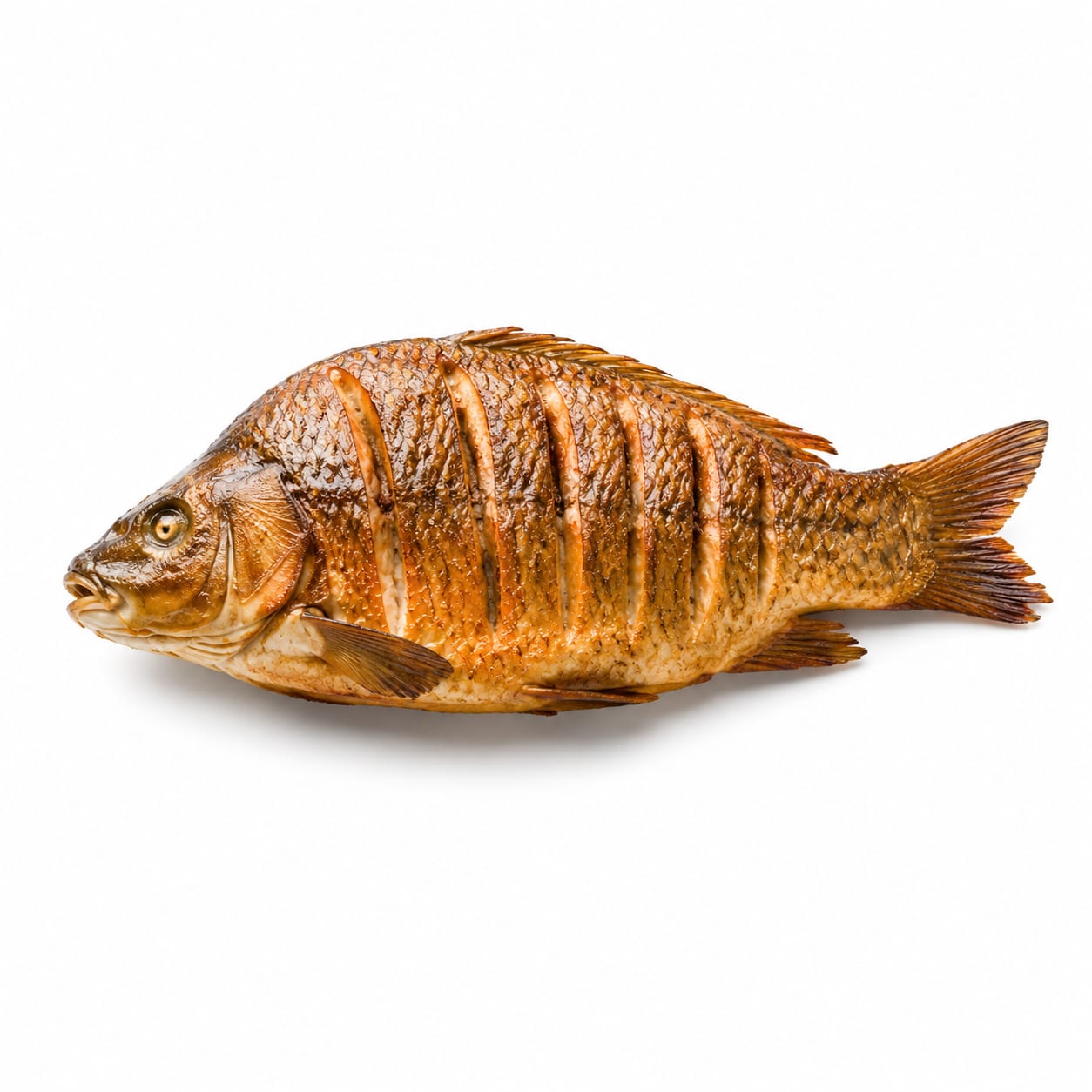
Carp

Mackerel
Mackerel delivers far more omega-3s and vitamin D, making it the stronger choice for regular health benefits — but carp wins on affordability and lower mercury risk.
Mackerel scores notably higher due to its exceptional omega-3 and vitamin D content, which are nutrients most people lack. Carp remains a respectable affordable protein source but cannot match mackerel's nutritional density for heart and brain health.
Mackerel gives you superior heart and brain nutrition at a higher price and mercury watch, while carp offers cheaper protein with freshwater contaminant concerns instead.
At a glance
Executive summary
Overall
Mackerel
Healthier
Mackerel
More practical
It depends
Daily use
Mackerel
Key comparison lenses
omega-3 and heart health comparison
Both are fish but differ dramatically in omega-3 content, making this the most consequential health difference
contaminant and heavy metal safety
Carp carries freshwater pollutant risks while mackerel carries mercury concerns — different risk profiles that matter for regular consumption
vitamin D and nutrient density
Mackerel is one of the few foods naturally high in vitamin D, while carp falls short here
affordability and accessibility
Carp is often significantly cheaper and more available in certain regions, making it a practical consideration
culinary experience and taste preference
Carp has a reputation for muddy flavor and bones; mackerel has a stronger fish taste that divides opinion
Best choice for
Carp
- Budget-conscious households needing affordable protein
- People avoiding mercury exposure (pregnant women cautious about ocean fish)
- Inland regions where freshwater fish is more available
- Traditional Eastern European or Asian cuisine enthusiasts
Mackerel
- Heart health optimization through omega-3s
- Vitamin D deficiency correction
- Anti-inflammatory dietary approaches
- People wanting maximum nutrition per calorie
Least suitable for
Carp
- Those seeking high omega-3 intake without supplementation
- People sensitive to muddy or earthy flavors
- Diners who struggle with bones in fish
- Anyone avoiding freshwater pollutant exposure
Mackerel
- Pregnant women (especially king mackerel due to mercury)
- People on tight food budgets
- Those who dislike strong fish flavors
- Children who need lower mercury options
Deep comparison
Dimension by dimension
Each lens scores both foods and breaks down who each option suits.
- Dimension 1 · Priority 95Mackerel
omega-3 fatty acids
Carp · 30Mackerel · 95Mackerel contains roughly 4-5 times more omega-3s than carp, making it one of the best dietary sources available.
Tradeoff
You pay more for mackerel but get substantially more EPA and DHA per serving — the omega-3 forms your body actually uses.
Why it matters
Omega-3s reduce inflammation, support heart rhythm stability, and improve brain function. Most people get far too little.
Real-world impact
Eating mackerel twice weekly can meaningfully lower triglycerides and improve mood stability over months. Carp would require much more frequent consumption to approach similar benefits.
Carp
- Relying on carp alone for omega-3 needs will likely fall short
Worse for
Mackerel
- Heart health maintenance
- Brain function and mood support
- Joint inflammation reduction
- Triglyceride management
Better for
- Dimension 2 · Priority 80Mackerel
vitamin D content
Carp · 25Mackerel · 90Mackerel is one of the few natural food sources with substantial vitamin D, while carp provides minimal amounts.
Tradeoff
If you lack sun exposure, mackerel can meaningfully contribute to your vitamin D intake. Carp cannot fill that gap.
Why it matters
Vitamin D deficiency is widespread and linked to immune weakness, bone loss, and low mood. Food sources are rare.
Real-world impact
A single mackerel serving can provide most of your daily vitamin D target. You would need to eat carp daily and still likely need supplements.
Carp
- Cannot serve as a meaningful vitamin D source
Worse for
Mackerel
- Winter months with low sun exposure
- People with diagnosed vitamin D deficiency
- Older adults with reduced skin synthesis
- Northern latitude residents
Better for
- Dimension 3 · Priority 88It depends
contaminant and safety profile
Carp · 55Mackerel · 50Carp accumulates freshwater pollutants like PCBs and pesticides; mackerel accumulates mercury. Different risks for different people.
Tradeoff
Carp avoids ocean mercury but carries agricultural runoff chemicals. Mackerel avoids freshwater toxins but carries heavy metal risk, especially in larger species.
Why it matters
Regular fish consumption means regular contaminant exposure. The type of contaminant matters based on your vulnerability.
Real-world impact
Pregnant women should limit mackerel to avoid mercury harming fetal development. Carp avoids that specific risk but carries its own chemical burden from polluted freshwater.
Carp
- Mercury-conscious consumers
- Pregnant women who want fish protein without high mercury
Better for
- Fish from polluted freshwater systems
- Areas with heavy agricultural runoff
Worse for
Mackerel
- People concerned about agricultural chemical runoff
- Those eating from clean ocean sources
Better for
- King mackerel specifically — very high mercury
- Frequent consumption by vulnerable populations
Worse for
- Dimension 4 · Priority 75Carp
affordability and value
Carp · 85Mackerel · 50Carp is typically much cheaper than mackerel, especially in regions where it is locally farmed or caught.
Tradeoff
Carp gives you solid protein at a lower price, but you sacrifice the omega-3 and vitamin D density that makes mackerel nutritionally premium.
Why it matters
Budget constraints determine actual eating habits more than nutritional ideals for most households.
Real-world impact
A family on a tight budget can afford carp more regularly, getting consistent protein. Mackerel may be reserved for occasional meals.
Carp
- Weekly meal planning on a budget
- Large families needing affordable protein
- Developing regions with local carp availability
Better for
Mackerel
- Smaller portions of nutrient-dense food
- Investment in quality over quantity
Better for
- Cost may limit regular consumption
Worse for
- Dimension 5 · Priority 70Mackerel
protein quality and content
Carp · 68Mackerel · 78Both provide complete protein, but mackerel offers slightly more protein per serving along with a better amino acid profile due to its higher overall nutrient density.
Tradeoff
The protein difference is modest. The real gap is what comes alongside the protein — mackerel brings omega-3s and vitamins; carp brings less.
Why it matters
Protein quality matters for muscle maintenance, satiety, and metabolic health, especially as you age.
Real-world impact
Either fish supports daily protein needs well. The difference is marginal enough that protein alone should not drive your choice.
Carp
Mackerel
- Slightly better leucine content for muscle synthesis
- More protein per calorie due to nutrient density
Better for
- Dimension 6 · Priority 60Mackerel
culinary experience and ease
Carp · 40Mackerel · 70Mackerel is easier to prepare and eat, with fewer bones and more versatile preparations. Carp is bony and often described as muddy-tasting.
Tradeoff
Carp requires more skill to prepare well and overcome its reputation for earthy flavor. Mackerel is more forgiving and widely available in ready-to-eat forms.
Why it matters
If cooking feels like a chore, you will avoid the fish regardless of its nutrition. Practical eating beats theoretical nutrition.
Real-world impact
Canned smoked mackerel can be eaten straight on toast. Carp typically requires filleting skill and recipe effort to taste good.
Carp
- Traditional recipes where carp shines
- Cultural dishes designed for its texture
Better for
- Bones frustrate casual eaters
- Muddy flavor turns some people off entirely
Worse for
Mackerel
- Quick weeknight meals
- Canned or smoked convenience
- Fish newcomers wanting approachable options
Better for
- Strong fish flavor not for everyone
Worse for
Timeline
Health impact over time
Short-term
Hours to days
Carp
- Solid protein satisfaction after meals
- Unlikely to cause digestive issues for most people
- May disappoint if expecting rich fish oil benefits
Mackerel
- Noticeable satiety from higher fat content
- Omega-3s may ease joint stiffness within weeks of regular consumption
- Rich flavor can feel heavy if unaccustomed to fatty fish
Long-term
Months to years
Carp
- Consistent affordable protein supports muscle maintenance
- Freshwater contaminant accumulation possible with very frequent consumption
- Likely need omega-3 supplements to match mackerel's heart benefits
Mackerel
- Reduced cardiovascular risk with regular intake
- Better vitamin D status supports bone and immune health long-term
- Mercury accumulation requires moderation — avoid daily consumption of large mackerel species
Risk profile
Safety & processing
Both carp and mackerel are typically sold as whole fresh or frozen fish with minimal processing. Canned mackerel may contain added salt, so check labels if sodium matters to you.
Carp
Freshwater pollutant accumulation
mediumCarp are bottom-feeders in freshwater systems that can accumulate PCBs, dioxins, and agricultural chemicals, especially from polluted waters.
Parasite presence
mediumFreshwater fish carry higher parasite risk than ocean fish. Thorough cooking is essential — never eat carp raw.
Bones causing injury
lowCarp have numerous small bones that can pose a choking hazard, especially for children.
Mackerel
Mercury accumulation
highKing mackerel is specifically listed as high-mercury by the FDA. Atlantic and Pacific mackerel are lower but still require moderation for vulnerable groups.
Histamine reactions
mediumMackerel is a scombroid fish that can cause histamine toxicity if improperly refrigerated. Freshness and cold chain matter significantly.
Sodium in canned versions
lowCanned mackerel can contain substantial added salt. Choose water-packed or low-sodium options when available.
Who wins for whom
Audience fit
Same foods, different winners depending on your goal.
children
CarpLower mercury risk makes carp safer for developing nervous systems, provided it comes from clean freshwater. Mackerel should be limited in children due to mercury concerns.
daily consumption
CarpLower mercury makes carp safer for daily eating, though rotating fish types is always the wisest long-term approach.
diabetes
MackerelMackerel's omega-3s improve insulin sensitivity and its healthy fats slow glucose absorption. Both fish are carb-free, but mackerel offers more metabolic benefit.
elderly
MackerelOmega-3s support heart and brain health in aging, and vitamin D helps prevent bone loss. Benefits outweigh moderate mercury risk for most seniors.
muscle gain
MackerelSlightly more protein per serving plus omega-3s that support muscle recovery and reduce exercise-induced inflammation.
weight loss
MackerelMackerel's higher fat and protein content provides more satiety per calorie, helping control hunger between meals.
Your move
Decision guide
Choose Carp
- Budget is your primary constraint and you need reliable protein
- You are pregnant or feeding young children and want to minimize mercury
- You live in a region where carp is local, fresh, and affordable
- You enjoy traditional carp preparations or want to explore them
Choose Mackerel
- Heart health and omega-3 intake are your top nutritional priorities
- You need more vitamin D in your diet, especially in winter
- You want maximum nutrition per serving without supplements
- You enjoy or want to explore rich, flavorful fish
Either works if
- You simply want a solid protein source and both are available
- You rotate fish types weekly to balance nutrient and contaminant exposure
- Neither fish is a staple — you eat them occasionally alongside other proteins
Avoid both if
- You have a fish allergy
- You cannot verify the water source for carp or the species of mackerel
- You eat fish daily already and need to reduce overall contaminant load
Final recommendation
Choose mackerel for its superior omega-3 and vitamin D content when you can afford it and eat it in moderation. Choose carp when budget matters more or when mercury avoidance is critical, such as during pregnancy. The smartest approach is rotating both — mackerel twice weekly for heart and brain benefits, carp once weekly for affordable protein with lower mercury risk.
Practical
Consumer tips
- 1
Specify Atlantic or Pacific mackerel over king mackerel to significantly reduce mercury exposure
- 2
Ask about water source when buying carp — fish from clean lakes are far safer than those from agricultural runoff areas
- 3
Canned mackerel in water is a convenient, affordable way to get omega-3s without the higher price of fresh fillets
- 4
If carp tastes muddy, soaking fillets in milk or salted water for 30 minutes before cooking can neutralize the earthy flavor
- 5
Freezing mackerel before raw preparations reduces parasite risk, though cooking is always safer
- 6
Pregnant women should limit mackerel to 2 servings weekly and avoid king mackerel entirely
- 7
Check local advisories before eating self-caught carp — freshwater contamination varies dramatically by region