
Nutrition comparison
Carp vs Salmon: Nutrition, Omega-3, Safety & Taste Compared
Comparing Carp and Salmon? Discover which fish offers more omega-3s, which is safer from contaminants, and which is better for your budget and the planet.
Overall winner · Salmon
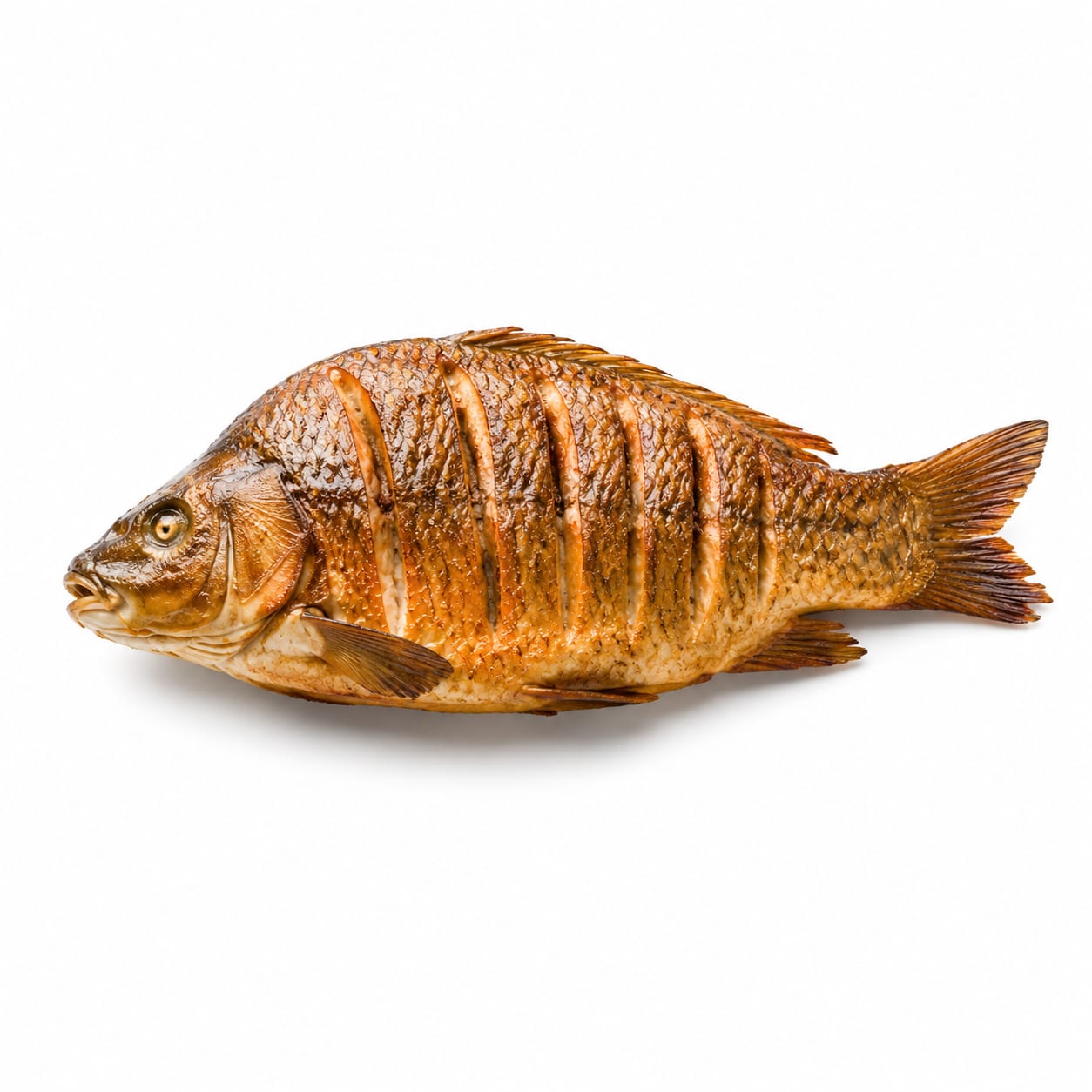
Carp
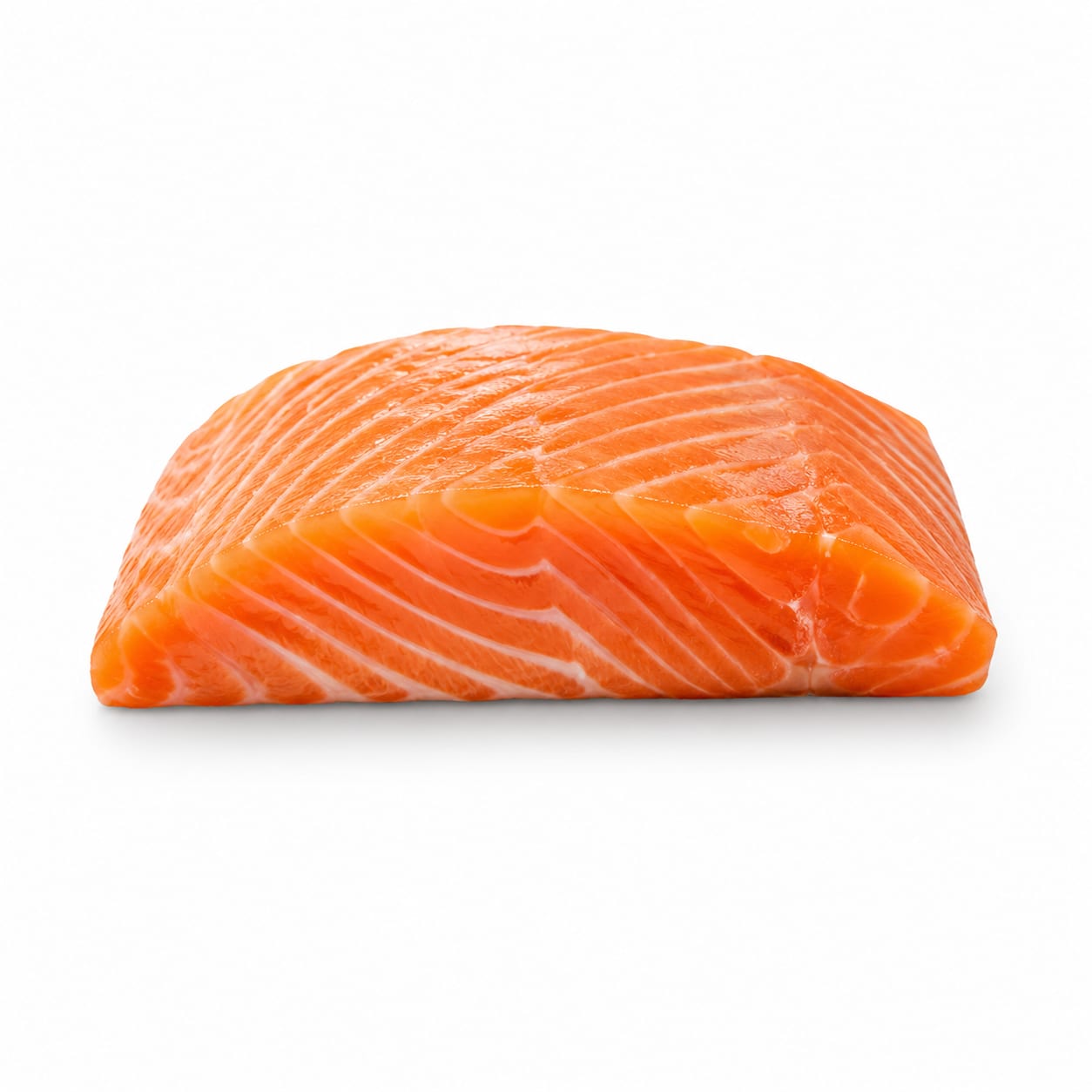
Salmon
Salmon is the clear winner for omega-3s and ease of eating, while Carp offers a highly sustainable and budget-friendly protein if you can navigate the bones.
Salmon scores significantly higher due to its superior omega-3 profile and culinary convenience. Carp remains a solid, sustainable protein but loses points for its bony nature and lower healthy fat content.
Salmon delivers far more brain-boosting fats and convenient fillets, whereas Carp is an eco-friendly, low-cost alternative that requires careful preparation due to its bony structure.
At a glance
Executive summary
Overall
Salmon
Healthier
Salmon
More practical
Salmon
Daily use
Salmon
Key comparison lenses
Omega-3 fatty acid intake for heart and brain health
Salmon is famous for its omega-3s, while Carp provides significantly less, making this the most critical nutritional gap.
Contaminant and heavy metal exposure
Both fish carry specific contamination risks: Carp is a bottom-feeder prone to freshwater pollutants, while farmed Salmon faces scrutiny for PCBs and antibiotics.
Culinary ease and bone avoidance
Carp is notoriously bony and difficult to fillet, whereas Salmon is widely available in convenient, boneless cuts.
Sustainable and budget-friendly seafood choices
Carp is highly sustainable and cheap, often invasive, while Salmon farming has ecological impacts and wild Salmon is expensive.
Best choice for
Carp
- Budget-conscious consumers
- Sustainable seafood advocates
- People seeking locally-sourced freshwater fish
Salmon
- Heart and brain health prioritization
- Easy weeknight dinners
- Those needing high omega-3 intake
Least suitable for
Carp
- People who hate picking out fish bones
- Those needing high omega-3 intake
- Diners sensitive to muddy freshwater flavors
Salmon
- Shoppers on a tight budget
- Those strictly avoiding farmed fish antibiotics and PCBs
- Strict sustainable seafood purists avoiding certain farm practices
Deep comparison
Dimension by dimension
Each lens scores both foods and breaks down who each option suits.
- Dimension 1 · Priority 95Salmon
Omega-3 & Healthy Fats
Carp · 40Salmon · 95Salmon is one of the richest sources of EPA and DHA omega-3s, while Carp offers much less.
Tradeoff
You get significantly more anti-inflammatory fats from Salmon, meaning you would need to eat much more Carp to get the same brain and heart benefits.
Why it matters
Omega-3s are crucial for heart health, mood regulation, and reducing systemic inflammation.
Real-world impact
Eating Salmon twice a week noticeably improves omega-3 blood levels; Carp will not move the needle as much.
Carp
- Meeting daily omega-3 goals easily
Worse for
Salmon
- Reducing joint stiffness
- Supporting brain health
- Lowering triglycerides
Better for
- Dimension 2 · Priority 90It depends
Contaminant & Safety Profile
Carp · 65Salmon · 70Carp's safety depends entirely on its water source, while farmed Salmon carries antibiotic and PCB concerns.
Tradeoff
Wild Salmon is very clean but expensive. Carp from clean waters is safe, but its bottom-feeding habits mean it can easily accumulate toxins from polluted lakes.
Why it matters
Heavy metals and industrial pollutants can undermine the health benefits of eating fish.
Real-world impact
You have to research where Carp was caught to ensure safety, whereas high-quality Salmon generally has more reliable safety testing and regulation.
Carp
- Avoiding fish farming antibiotics
Better for
- Risk of freshwater pollutants
- Potential microplastics from bottom-feeding
Worse for
Salmon
- Consistent mercury monitoring
- PCB limits in regulated markets
Better for
- Farmed Salmon PCB exposure
- Antibiotic residue concerns
Worse for
- Dimension 3 · Priority 85Salmon
Culinary Practicality & Bones
Carp · 35Salmon · 90Salmon fillets are easy to cook and eat boneless; Carp is notoriously bony and requires skill to prepare.
Tradeoff
Carp takes much more effort to prep and eat safely, while Salmon is a quick, hassle-free meal.
Why it matters
If a food is hard to cook or unpleasant to eat, you simply will not make it a regular habit.
Real-world impact
Salmon can be pan-seared in 10 minutes with no fuss. Carp requires careful deboning and often specific cooking methods to mask a muddy taste.
Carp
- Traditional recipes and fish stews
Better for
- Choking hazard from Y-bones
- Off-putting texture for some
Worse for
Salmon
- Quick weeknight meals
- Beginner cooks
- Kids who hate bones
Better for
- Dimension 4 · Priority 80Carp
Sustainability & Cost
Carp · 90Salmon · 60Carp is highly sustainable, often invasive, and very cheap. Salmon farming has ecological issues and wild Salmon is pricey.
Tradeoff
Choosing Carp is easier on the environment and your wallet, but you sacrifice the rich omega-3 content of Salmon.
Why it matters
Overfishing and destructive farming practices make seafood choices an environmental and economic concern.
Real-world impact
Carp can often be sourced locally for a fraction of the cost of Salmon, making it an accessible protein for families.
Carp
- Low environmental impact
- Budget-friendly protein
- Eating invasive species
Better for
Salmon
- High carbon footprint of some farmed Salmon
- Overfishing concerns for some wild stocks
Worse for
Timeline
Health impact over time
Short-term
Hours to days
Carp
- High-quality protein keeps you full
- Risk of choking on small bones if not prepared well
Salmon
- Rich fats provide lasting satiety
- Easy to digest when cooked simply
Long-term
Months to years
Carp
- Good muscle maintenance from lean protein
- Lower omega-3 intake means less cardiovascular protection
Salmon
- Strong heart and brain health support
- Reduced systemic inflammation
Risk profile
Safety & processing
Both are whole, natural fish. However, farmed Salmon is often fed artificial dyes to achieve its signature pink color, whereas Carp is typically sold as-is from freshwater habitats.
Carp
Freshwater pollutants and heavy metals
mediumAs bottom-feeders, Carp accumulate contaminants from their environment. Sourcing from clean lakes is critical.
Bones
highCarp have numerous tricky Y-bones that pose a real choking hazard if not removed properly.
Salmon
PCBs and dioxins in farmed varieties
mediumFarmed Salmon can have higher levels of industrial chemicals compared to wild-caught due to their feed.
Antibiotic residues
lowFarmed Salmon may be treated with antibiotics, though regulations vary by country.
Who wins for whom
Audience fit
Same foods, different winners depending on your goal.
children
SalmonSalmon is easy to serve boneless and provides essential fats for brain development. Carp's bones are a major choking hazard.
daily consumption
SalmonSalmon's health benefits and ease of preparation make it more realistic to eat regularly, though cost may be a limiting factor.
diabetes
SalmonThe high omega-3 content in Salmon helps improve insulin sensitivity and protects against cardiovascular complications.
elderly
SalmonSalmon's soft texture and joint-protecting omega-3s are ideal for older adults, whereas Carp's bones are a safety risk.
muscle gain
SalmonSalmon provides high-quality protein alongside anti-inflammatory omega-3s, which aid in muscle recovery.
weight loss
CarpCarp is lower in fat and calories while still providing high protein, making it easier to stay in a calorie deficit.
Your move
Decision guide
Choose Carp
- You are on a tight budget but still want a whole-food protein source
- You are passionate about eating invasive species or locally caught fish
- You know how to properly debone a freshwater fish or enjoy traditional preparations
Choose Salmon
- You want to maximize your omega-3 intake for heart and brain health
- You need a quick, easy, and boneless dinner option
- You are willing to pay more for superior nutritional density and flavor
Either works if
- You simply want a high-quality, minimally processed animal protein
- You are bored with your usual protein sources and want to rotate your fish intake
Avoid both if
- You have a severe fish or seafood allergy
- You are strictly vegan or vegetarian
Final recommendation
Choose Salmon for its unmatched omega-3 content and cooking convenience, but do not overlook Carp if you want a highly sustainable, budget-friendly protein and know how to handle its bones.
Practical
Consumer tips
- 1
If buying farmed Salmon, look for certifications like ASC or BAP to ensure better farming practices.
- 2
When preparing Carp, try soaking it in milk or saltwater first to neutralize any muddy flavor.
- 3
For the safest Carp, always verify the water quality of the lake or river it was caught in.
- 4
Wild-caled Salmon offers the best safety profile and nutrient density, though it comes at a premium price.