
Nutrition comparison
Carp vs Cod: Which Fish Is Healthier and Safer to Eat?
Compare Carp and Cod on nutrition, safety, omega-3s, sustainability, and taste. Cod wins for everyday safety and lean protein, while Carp offers more omega-3s with higher contaminant risk.
Overall winner · Cod
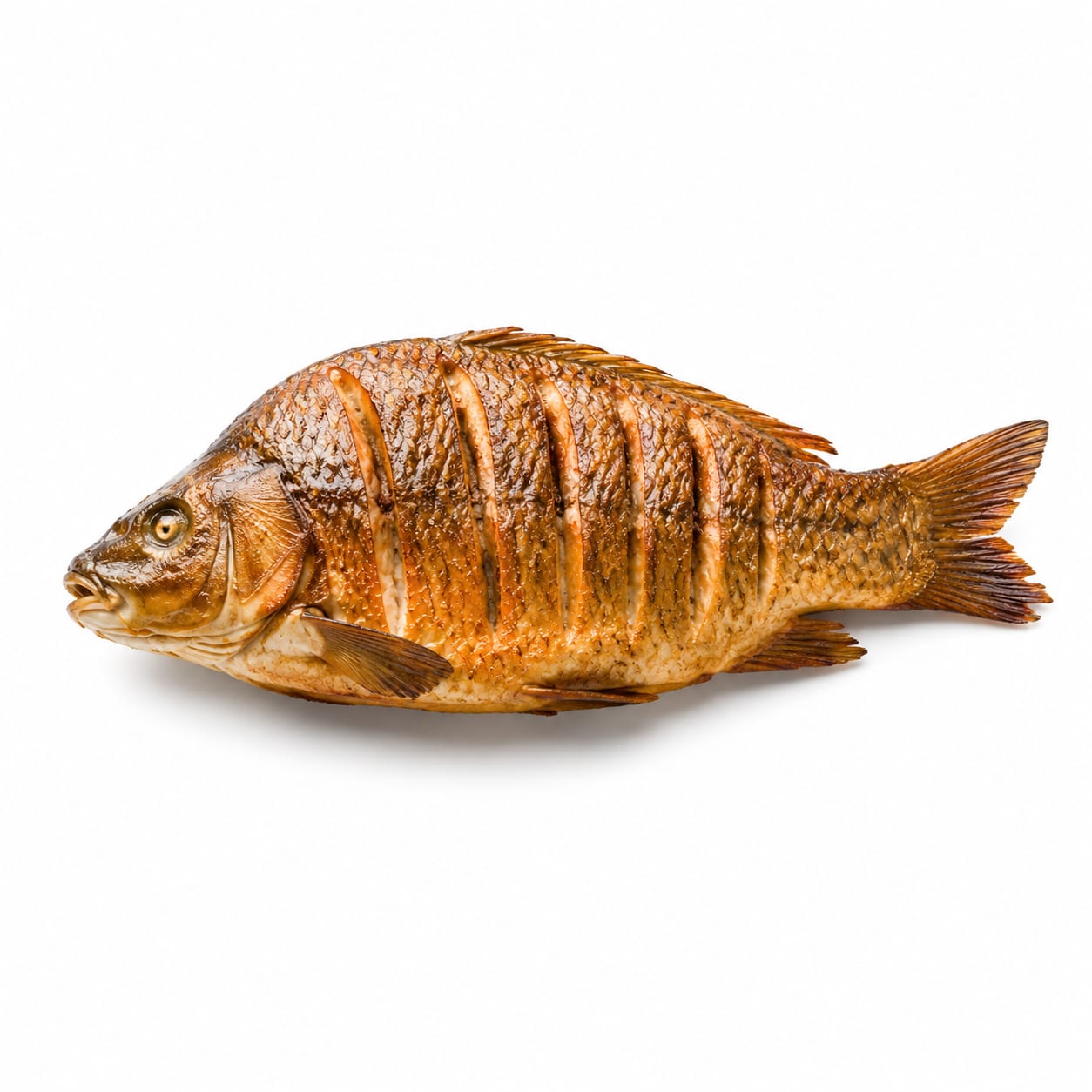
Carp
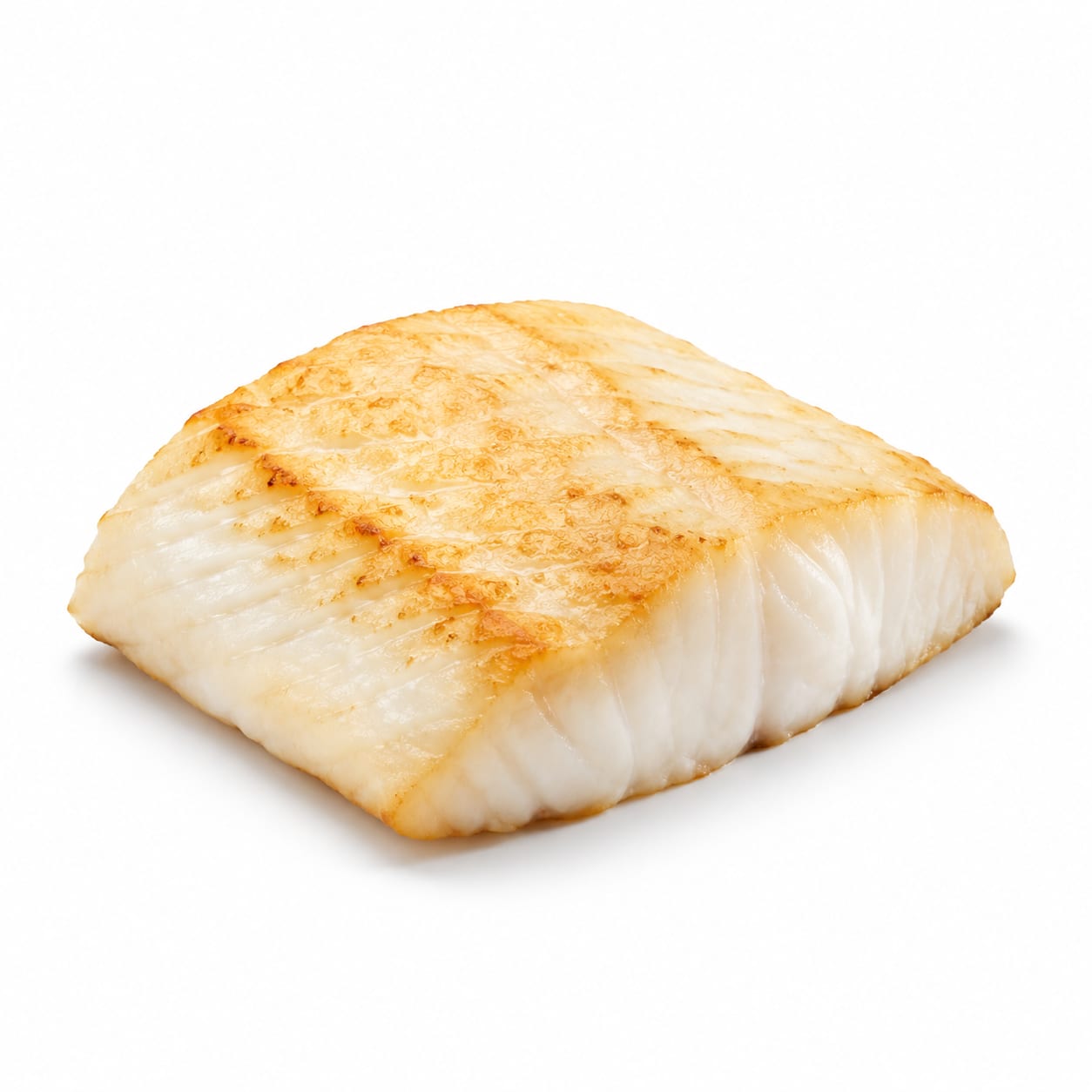
Cod
Cod is the safer, leaner, and more practical everyday choice, though Carp offers more omega-3s and better sustainability in regions where it is invasive.
Cod scores notably higher due to its superior safety profile, lean nutrition, and everyday practicality. Carp closes the gap with better omega-3 content and stronger sustainability in certain regions, but contaminant concerns and preparation difficulty keep it behind.
Carp delivers more healthy fats and is often the ecologically responsible pick, but carries noticeably higher contaminant risk and is harder to prepare.
At a glance
Executive summary
Overall
Cod
Healthier
Cod
More practical
Cod
Daily use
Cod
Key comparison lenses
contaminant and safety comparison
Carp is a freshwater bottom-feeder with significantly higher contaminant risk than Cod, making safety the dominant concern
lean protein vs fattier fish choice
Cod is notably lean while Carp carries more fat and calories, directly affecting weight management and meal planning
omega3 source evaluation
Both provide omega-3s but through different profiles and with different safety tradeoffs
sustainability and availability
Cod faces overfishing concerns while Carp is often invasive and locally abundant, creating a meaningful environmental tradeoff
culinary accessibility
Carp is bony and strongly flavored while Cod is mild and easy to cook, affecting real-world adoption
Best choice for
Carp
- People seeking higher omega-3 intake from whole food
- Environmentally conscious eaters in regions where Carp is invasive
- Those who enjoy richer, more flavorful fish
- Anglers eating their own catch from clean waters
Cod
- Families wanting a safe, mild fish for weekly meals
- Anyone managing calorie or fat intake
- People concerned about heavy metals and contaminants
- Home cooks wanting an easy, bone-free fillet
Least suitable for
Carp
- Pregnant women and young children due to contaminant risk
- People unfamiliar with deboning fish
- Anyone eating fish daily who needs low contaminant accumulation
- Those who dislike strong fish flavor
Cod
- People prioritizing maximum omega-3 per serving
- Those avoiding Atlantic fishery products for sustainability reasons
- Anyone finding Cod too bland or dry
Deep comparison
Dimension by dimension
Each lens scores both foods and breaks down who each option suits.
- Dimension 1 · Priority 95Cod
contaminant_safety
Carp · 40Cod · 82Carp accumulates more heavy metals, PCBs, and agricultural runoff due to its freshwater bottom-feeding habits. Cod, while not risk-free, has a cleaner contaminant profile.
Tradeoff
Carp offers more nutrients per bite but comes with a real safety cost that limits how often you should eat it.
Why it matters
Regular consumption of contaminated fish can undermine the very health benefits you are seeking, especially for vulnerable groups.
Real-world impact
Eating Carp weekly from questionable waters could mean measurable heavy metal exposure over a year. Cod lets you eat fish 2-3 times per week with far less worry.
Carp
- Nutrient density per serving when sourced from pristine waters
Better for
- PCB and dioxin accumulation in bottom-feeding habitats
- Mercury risk varies wildly by water source
- Agricultural runoff exposure in farmed or river-caught Carp
Worse for
Cod
- Long-term safety with frequent consumption
- Pregnancy and childhood diets
- Peace of mind with regular fish meals
Better for
- Atlantic Cod stocks carry their own ecosystem concerns
- Not entirely free of mercury, just significantly less
Worse for
- Dimension 2 · Priority 85Cod
protein_quality_and_leanness
Carp · 62Cod · 88Cod provides more protein per calorie and is dramatically leaner. Carp is not unhealthy but its higher fat content makes it less versatile for calorie-conscious meals.
Tradeoff
Carp's fat brings omega-3s and flavor but costs you lean protein efficiency. Cod gives you clean protein with almost no fat.
Why it matters
If you are tracking calories or building meals around lean protein, Cod fits seamlessly. Carp requires more planning.
Real-world impact
A Cod fillet pairs easily with vegetables for a light 300-calorie dinner. The same portion of Carp pushes closer to 400 calories with less protein.
Carp
- More satiating due to higher fat content
- Richer mouthfeel without adding oil or butter
Better for
- Higher calorie density limits portion flexibility
- Less protein per gram than Cod
Worse for
Cod
- Higher protein per calorie for muscle maintenance
- Easier to fit into calorie-controlled eating
- Won't feel heavy after eating
Better for
- Can feel dry without added fat during cooking
- Less naturally satisfying on its own
Worse for
- Dimension 3 · Priority 80Carp
omega3_and_healthy_fats
Carp · 78Cod · 55Carp contains meaningfully more omega-3 fatty acids than Cod, making it a better whole-food source of these essential fats.
Tradeoff
You get more anti-inflammatory omega-3s from Carp, but you also absorb more contaminants that can promote inflammation. The net benefit depends heavily on water quality.
Why it matters
Many people eat fish specifically for omega-3s. If that is your primary goal, Carp delivers more per serving.
Real-world impact
One Carp serving might cover half your weekly omega-3 target. Cod would require two or three servings to match.
Carp
- More EPA and DHA per serving
- Better single-serving omega-3 contribution
- Fat-soluble vitamin content is higher
Better for
- Contaminants may counteract anti-inflammatory benefits
- Omega-3 advantage shrinks if sourced from polluted waters
Worse for
Cod
- Cleaner omega-3 package without the contaminant baggage
- Easier to supplement with fish oil if you prefer Cod as your protein base
Better for
- Low enough in fat that you may need other omega-3 sources
- Requires added healthy fats in cooking for balance
Worse for
- Dimension 4 · Priority 70Carp
sustainability
Carp · 75Cod · 50Carp is often invasive and overpopulated, so eating it helps ecosystems. Many Cod fisheries have recovered but others remain pressured.
Tradeoff
Choosing Carp can be an act of ecological restoration. Choosing Cod requires careful attention to which fishery your fillet comes from.
Why it matters
Your fish choice affects ocean and freshwater health beyond your plate.
Real-world impact
Eating invasive Carp in North America or Australia directly helps native species. Eating poorly sourced Atlantic Cod contributes to fishery depletion.
Carp
- Invasive species harvest actively helps the environment
- Often locally sourced with low carbon footprint
- No fishery depletion concern
Better for
- Farmed Carp can have high environmental impact depending on practices
- Not always easy to find in mainstream grocery stores
Worse for
Cod
- MSC-certified Cod is available and traceable
- Pacific Cod stocks are generally well-managed
Better for
- Atlantic Cod has a troubled history of overfishing
- Some fisheries still struggling to recover
Worse for
- Dimension 5 · Priority 65Cod
culinary_ease_and_accessibility
Carp · 35Cod · 90Cod is the quintessential easy fish: mild, bone-free fillets, quick cooking. Carp is bony, strongly flavored, and requires skill to prepare well.
Tradeoff
Carp rewards experienced cooks with rich flavor and traditional recipes. Cod rewards everyone with reliability and convenience.
Why it matters
The best fish nutritionally is the one you actually cook and eat regularly.
Real-world impact
Cod can be baked in 12 minutes with no prep thought. Carp might take 30 minutes of careful deboning and still surprise you with hidden bones.
Carp
- Deeper flavor stands up to bold seasonings and stews
- Traditional recipes in Eastern European and Asian cuisines showcase it beautifully
Better for
- Y-bones make filleting difficult for home cooks
- Strong flavor is polarizing
- Rarely sold as convenient fillets
Worse for
Cod
- Available in nearly every grocery store
- Frozen fillets retain quality well
- Forgiving to cook even for beginners
- No bone hazards
Better for
- Can taste bland without seasoning or sauce
- Easy to overcook and dry out
Worse for
Timeline
Health impact over time
Short-term
Hours to days
Carp
- More satiating meals due to higher fat content
- Potential digestive heaviness if you are unused to richer fish
- Risk of foodborne illness if Carp is from questionable water and undercooked
Cod
- Light, clean post-meal feeling
- May feel hungry sooner due to very low fat content
- Easy to digest even with sensitive stomach
Long-term
Months to years
Carp
- Better omega-3 intake supports heart and brain health if sourced from clean waters
- Accumulated heavy metal and PCB exposure is a real concern with regular consumption from polluted sources
- Higher calorie intake could contribute to weight gain if portions are not managed
Cod
- Consistent lean protein supports muscle maintenance and healthy weight
- Lower omega-3 intake means you may need supplemental sources for optimal anti-inflammatory benefits
- Very low contaminant risk supports safe long-term regular consumption
Risk profile
Safety & processing
Both Carp and Cod are whole, minimally processed fish. Fresh or frozen fillets of either contain no artificial additives. The concern is not processing but environmental contamination, which favors Cod.
Carp
Heavy metal accumulation
highCarp's bottom-feeding lifestyle in freshwater exposes it to mercury, lead, and cadmium, especially in industrial or agricultural areas.
PCBs and dioxins
highFreshwater sediments concentrate these persistent organic pollutants, and Carp absorbs them readily through its diet.
Agricultural runoff contamination
mediumPesticides and fertilizers from farmland enter rivers and lakes where Carp live, adding another exposure layer.
Parasite risk
mediumFreshwater fish carry higher parasite loads than saltwater species. Proper cooking eliminates this but raw preparations are riskier.
Cod
Mercury exposure
lowCod is a low-mercury saltwater fish, well within safe limits for regular consumption including during pregnancy.
Microplastics
lowLike all ocean fish, Cod contains some microplastics, but levels are generally low and comparable to other mid-trophic species.
Overfishing-related fraud
mediumSome Cod sold in markets is mislabeled, potentially exposing you to different species with unknown contaminant profiles.
Who wins for whom
Audience fit
Same foods, different winners depending on your goal.
children
CodLower contaminant risk, no bones to choke on, and a mild flavor kids are more likely to accept.
daily consumption
CodCod's safety profile supports eating it multiple times per week. Carp should be limited due to contaminant accumulation concerns.
diabetes
CodLean protein with virtually no carbohydrates and minimal fat makes blood sugar management straightforward.
elderly
CodEasy to chew, gentle on digestion, and lower contaminant exposure matters more as the body's detox capacity declines.
muscle gain
CodMore protein per calorie and easier to eat in larger quantities without feeling overly full.
weight loss
CodCod's dramatically lower calorie and fat content makes it effortless to fit into a calorie deficit while still providing satisfying protein.
Your move
Decision guide
Choose Carp
- You have access to Carp from verified clean waters
- You want maximum omega-3s from a single fish serving
- You are an experienced cook who enjoys preparing traditional recipes
- Eating invasive species aligns with your environmental values
Choose Cod
- You want a safe, reliable fish for weekly meals
- You are cooking for children, during pregnancy, or for elderly family members
- You prefer mild flavor and easy preparation
- You are watching calories or building lean meals
- You need a fish you can eat 2-3 times per week without worry
Either works if
- You are eating fish occasionally rather than regularly
- You pair fish with vegetables and whole grains for balanced meals
- You vary your protein sources throughout the week
Avoid both if
- You have a confirmed fish allergy
- You live in an area where local fish advisories warn against both freshwater and coastal catches
- You rely solely on fish for protein and need a higher-fat option that neither adequately provides alone
Final recommendation
Make Cod your everyday fish. It is the safer, leaner, easier choice that you can actually stick with long-term. Enjoy Carp occasionally as a traditional or sustainable treat, but only when you trust the water source. The best fish for your health is the one you can eat regularly without accumulating risk, and that is Cod.
Practical
Consumer tips
- 1
If you eat Carp, check local fish advisories first. Water source is the single biggest safety factor.
- 2
Limit Carp to once or twice a month to minimize contaminant accumulation, even from clean waters.
- 3
For Cod, look for MSC-certified or Pacific Cod to support sustainable fisheries.
- 4
Frozen Cod fillets are often fresher than what sits at the seafood counter because they are frozen at sea.
- 5
If you want Carp's omega-3 benefits without the risk, consider pairing Cod with a high-quality fish oil supplement.
- 6
When cooking Carp, traditional slow-braising methods help break down bones and mellow the strong flavor.
- 7
Avoid frying either fish in unhealthy oils. Baking, poaching, or grilling preserves their nutritional advantages.