
Nutrition comparison
Carp vs Perch: Which Freshwater Fish Is Healthier and Safer to Eat?
Compare carp and perch nutrition, safety, omega-3 content, and taste. Learn which freshwater fish is better for weight loss, daily meals, and contaminant safety.
Overall winner · Perch
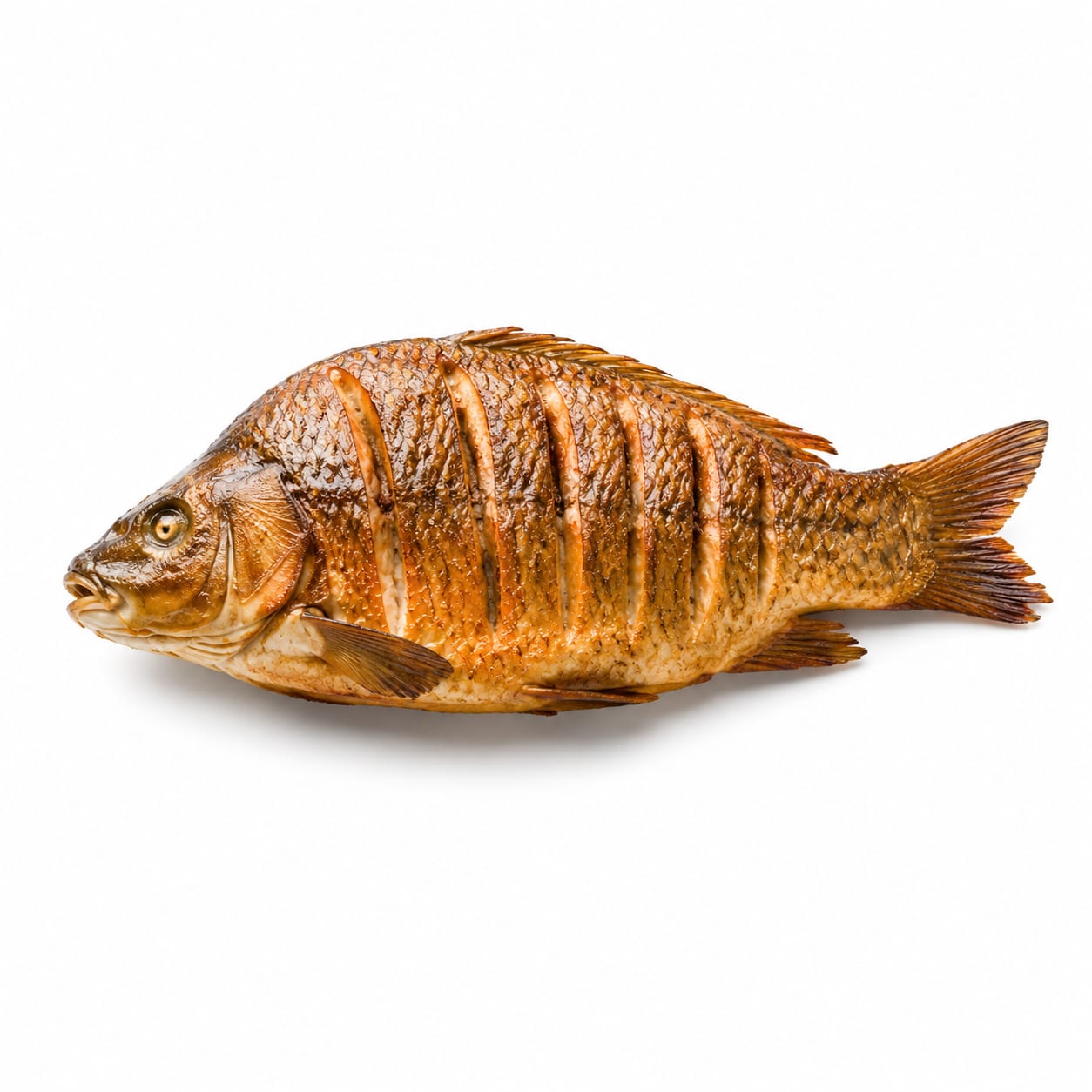
Carp
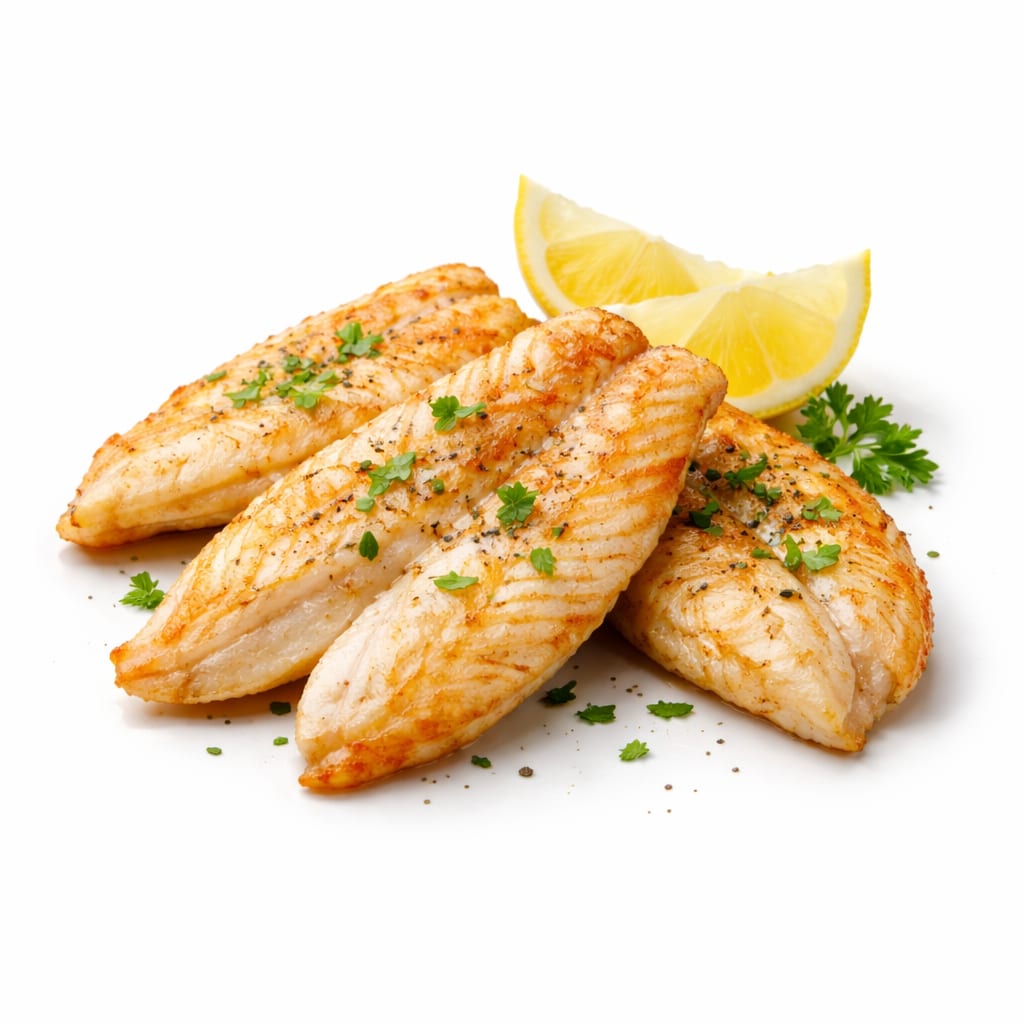
Perch
Perch is the safer, leaner, more everyday-friendly choice; carp offers more omega-3s but carries heavier contaminant baggage.
Perch scores notably higher due to its cleaner safety profile, leaner nutrition, and broader everyday appeal. Carp remains valuable for omega-3 content and affordability but its bottom-feeding habits and contaminant risk drag its score down significantly.
Carp gives you more heart-healthy fats and calories, while perch gives you cleaner lean protein with far less safety worry.
At a glance
Executive summary
Overall
Perch
Healthier
Perch
More practical
Perch
Daily use
Perch
Key comparison lenses
contaminant and safety comparison
Carp is a bottom feeder with significantly higher contaminant accumulation risk, making safety the dominant concern for most consumers
lean protein vs fatty fish tradeoff
Carp offers more omega-3s but with more calories; perch delivers cleaner lean protein with fewer concerns
everyday meal versatility
Perch has a milder flavor and fewer bones, making it more practical for regular home cooking
weight management considerations
Calorie and fat differences matter for those tracking intake closely
sustainability and sourcing
Both are freshwater fish but carp is often invasive and more sustainably harvested in some regions
Best choice for
Carp
- People wanting higher omega-3 intake from freshwater fish
- Those who enjoy richer, oilier fish preparations
- Budget-conscious consumers where carp is inexpensive and locally available
- Culinary traditions that feature carp (Eastern European, Asian cuisines)
Perch
- Families wanting a safe, mild fish for regular meals
- Anyone concerned about contaminant exposure from fish
- People tracking calories who want lean protein
- Those who prefer delicate, sweet-tasting fish without strong flavor
Least suitable for
Carp
- Pregnant women and children due to contaminant risk
- Anyone avoiding strong or muddy fish flavors
- People seeking the cleanest possible protein source
Perch
- Those specifically seeking high omega-3 intake from their fish
- People wanting a richer, more filling fish dish
- Cuisines or recipes that rely on oily fish texture
Deep comparison
Dimension by dimension
Each lens scores both foods and breaks down who each option suits.
- Dimension 1 · Priority 95Perch
contaminant_safety
Carp · 38Perch · 78Carp accumulates more heavy metals, PCBs, and pollutants because it feeds near lake and river bottoms where toxins settle.
Tradeoff
You get more omega-3s with carp but you also get more of everything you do not want — mercury, PCBs, and agricultural runoff residues.
Why it matters
Regular consumption of contaminated fish can quietly undermine the very heart and brain benefits you are eating fish for.
Real-world impact
If you eat carp weekly from polluted waters, you may be slowly building up toxins that affect cognition and cardiovascular health over years.
Carp
- Regions with pristine water sources where carp contamination is minimal
Better for
- Long-term daily consumption from typical freshwater sources
- Anyone with existing heavy metal concerns
Worse for
Perch
- Anyone eating fish multiple times per week
- Pregnant women and children who need lower contaminant exposure
- People sourcing fish from unknown water quality areas
Better for
- Not applicable — perch has meaningfully lower contaminant risk
Worse for
- Dimension 2 · Priority 88Carp
omega3_and_healthy_fats
Carp · 75Perch · 48Carp is notably higher in total fat and omega-3 fatty acids, making it the better choice for heart and brain fat intake.
Tradeoff
Those extra omega-3s come packaged with more total calories and the contaminant concerns mentioned above.
Why it matters
Omega-3s are a primary reason people eat fish, and carp delivers more per serving than most freshwater alternatives.
Real-world impact
A serving of carp can provide roughly double the omega-3s of perch, getting you closer to daily targets in one meal.
Carp
- People who do not take fish oil supplements and rely on food sources
- Those wanting anti-inflammatory benefits from their meals
- Heart health-focused eaters prioritizing omega-3 intake
Better for
- Anyone strictly monitoring calorie intake who finds the extra fat unwelcome
Worse for
Perch
- People who already supplement with fish oil or flaxseed oil
- Those who prefer getting fats from plant sources instead
Better for
- Those relying solely on fish for omega-3 intake may fall short with perch alone
Worse for
- Dimension 3 · Priority 82Perch
protein_quality_and_leanness
Carp · 65Perch · 84Perch delivers high-quality protein with significantly less fat, making it a cleaner building block for meals.
Tradeoff
Carp still has solid protein but comes with more calories per gram of protein, which may not suit all goals.
Why it matters
Lean protein supports muscle maintenance, satiety, and weight management without extra calories tagging along.
Real-world impact
A perch fillet gives you protein that feels light and clean after eating, while carp can sit heavier due to its fat content.
Carp
- Active individuals who benefit from the extra calories and fat for sustained energy
Better for
- Those trying to lose weight while maintaining protein intake
Worse for
Perch
- Anyone tracking macros who wants maximum protein per calorie
- People who feel sluggish after higher-fat meals
- Older adults needing easily digestible lean protein
Better for
- Very active people in calorie surplus who might prefer the denser energy from carp
Worse for
- Dimension 4 · Priority 76Perch
flavor_and_culinary_practicality
Carp · 48Perch · 82Perch has a mild, sweet flavor and manageable bone structure; carp often tastes muddy and has notoriously difficult bones.
Tradeoff
Carp can be delicious with proper preparation but requires significantly more skill and effort to cook well.
Why it matters
If a fish is annoying to prepare and cook, you will simply eat it less often — defeating the nutritional purpose.
Real-world impact
Perch can be pan-fried on a Tuesday night with minimal fuss; carp often needs soaking, special seasoning, and careful bone removal.
Carp
- Experienced cooks familiar with carp preparation techniques
- Cultural dishes specifically designed for carp's texture and flavor
Better for
- Casual cooks who will get frustrated with bones and muddy flavor
- People trying to introduce more fish into their routine easily
Worse for
Perch
- Weeknight home cooks wanting quick, easy fish preparation
- People new to cooking freshwater fish
- Anyone serving fish to picky eaters or children
Better for
- Those seeking a richer, more assertive fish flavor for special dishes
Worse for
- Dimension 5 · Priority 70Carp
sustainability_and_cost
Carp · 80Perch · 62Carp is often invasive and overpopulated in many waterways, so harvesting it can actually help ecosystems; it is also very affordable.
Tradeoff
The sustainability advantage depends heavily on where the carp comes from — farmed carp has a different environmental profile.
Why it matters
Choosing invasive species for food is one of the few times eating something is actively good for the environment.
Real-world impact
Buying wild-caught carp from overpopulated waters supports ecological balance and costs very little compared to most fish.
Carp
- Environmentally conscious eaters in regions with invasive carp problems
- Budget-focused households needing affordable protein
Better for
- Farmed carp from intensive operations may have sustainability and welfare concerns
Worse for
Perch
- Those who prioritize certified sustainable seafood labels
- Consumers willing to pay more for perceived quality and safety
Better for
- Wild perch populations can be pressured in some regions, raising sustainability questions
Worse for
Timeline
Health impact over time
Short-term
Hours to days
Carp
- More satiating due to higher fat content, keeping you fuller for longer after a meal
- Richer mouthfeel that can feel comforting but heavy if you are not used to oily fish
- Potential digestive heaviness for those unaccustomed to fatty fish
Perch
- Light, clean post-meal feeling that does not weigh you down
- Quick-digesting lean protein suitable for lunch without afternoon sluggishness
- Easy on the stomach even in larger portions
Long-term
Months to years
Carp
- Higher omega-3 intake supports cardiovascular and cognitive health over time
- Accumulated contaminant exposure from regular consumption could offset heart benefits
- Risk-benefit ratio depends heavily on water quality where the carp was caught
Perch
- Consistent lean protein intake supports muscle maintenance and healthy weight
- Lower contaminant burden makes it safer for frequent long-term consumption
- Modest omega-3 levels mean you may need other sources for optimal heart benefits
Risk profile
Safety & processing
Both carp and perch are whole, minimally processed fish when purchased fresh. The concern is not processing but environmental exposure — what the fish encountered in the water matters far more than anything added later.
Carp
Heavy metal accumulation
highCarp are bottom feeders that accumulate mercury, lead, and other heavy metals at higher rates than mid-water fish like perch.
PCB and dioxin exposure
highBottom sediments concentrate PCBs and dioxins, which carp ingest directly. These persist in fatty tissue and are not removed by cooking.
Agricultural runoff contamination
mediumCarp in agricultural areas may carry pesticide residues and fertilizer byproducts absorbed from contaminated sediments.
Parasite burden
mediumCarp can carry more parasites than perch, requiring thorough cooking to ensure safety.
Perch
Moderate mercury exposure
lowPerch are mid-water feeders with lower but not zero mercury levels; still worth monitoring frequency of consumption.
Parasite presence
lowLike all freshwater fish, perch can carry parasites but generally at lower levels than bottom-feeding species.
Who wins for whom
Audience fit
Same foods, different winners depending on your goal.
children
PerchLower contaminant levels and milder flavor make perch far more appropriate for developing bodies and picky palates.
daily consumption
PerchSafety profile and culinary ease make perch sustainable as a regular meal; carp is better limited to occasional consumption due to contaminant concerns.
diabetes
PerchBoth fish have minimal carbohydrate impact, but perch's leaner profile and lower contaminant risk make it the safer regular choice for metabolic health.
elderly
PerchEasier digestion, lower contaminant exposure, and manageable bones make perch the more practical choice for older adults.
muscle gain
PerchLean protein from perch supports muscle repair without excess calories; carp works too but adds unnecessary fat for most muscle-building goals.
weight loss
PerchPerch provides more protein per calorie with significantly less fat, making it easier to stay within calorie targets while staying full.
Your move
Decision guide
Choose Carp
- You have access to carp from clean, well-tested waters with low contamination
- You specifically want more omega-3s from your fish and do not supplement
- You enjoy traditional carp dishes and know how to prepare it properly
- Budget is a primary concern and carp is significantly cheaper in your area
Choose Perch
- You want a safe fish you can eat multiple times per week without worry
- You prefer mild, sweet fish that is easy to cook on busy nights
- You are feeding children or pregnant family members
- You are tracking calories and want lean protein
- You are new to cooking freshwater fish and want a forgiving option
Either works if
- You are eating fish only occasionally and either option provides good nutrition
- You already eat a varied diet with multiple protein sources and omega-3 intake from elsewhere
Avoid both if
- You have a known fish allergy
- You are in a region with freshwater fish consumption advisories
- You cannot verify the water source quality for either fish
Final recommendation
Perch is the better everyday fish — cleaner, leaner, safer, and easier to cook. Choose carp occasionally when you know the source is clean and you want the omega-3 boost, but do not make it your daily default. If you eat carp, limit it to once or twice per month and always check local water advisories first.
Practical
Consumer tips
- 1
Always check local fish consumption advisories before eating any freshwater fish — water quality varies dramatically by location
- 2
If you choose carp, trim the fat and skin where contaminants concentrate most heavily
- 3
Soaking carp fillets in milk or salted water for 30 minutes before cooking can reduce muddy flavor significantly
- 4
Perch pairs well with simple preparations — pan-fry with lemon and herbs for a fast weeknight meal
- 5
For either fish, cook thoroughly to an internal temperature of 145°F to eliminate parasite risk
- 6
Frozen perch fillets are widely available and often more convenient than fresh for regular meals
- 7
If sustainability matters to you, seek out wild-caught invasive carp — eating it actively helps ecosystems in many regions