
Nutrition comparison
Carp vs Trout: Which Fish Is Healthier and Safer to Eat?
Compare carp and trout on omega-3s, mercury risk, taste, and price. Learn which freshwater fish is better for your health, budget, and dinner table.
Overall winner · Trout
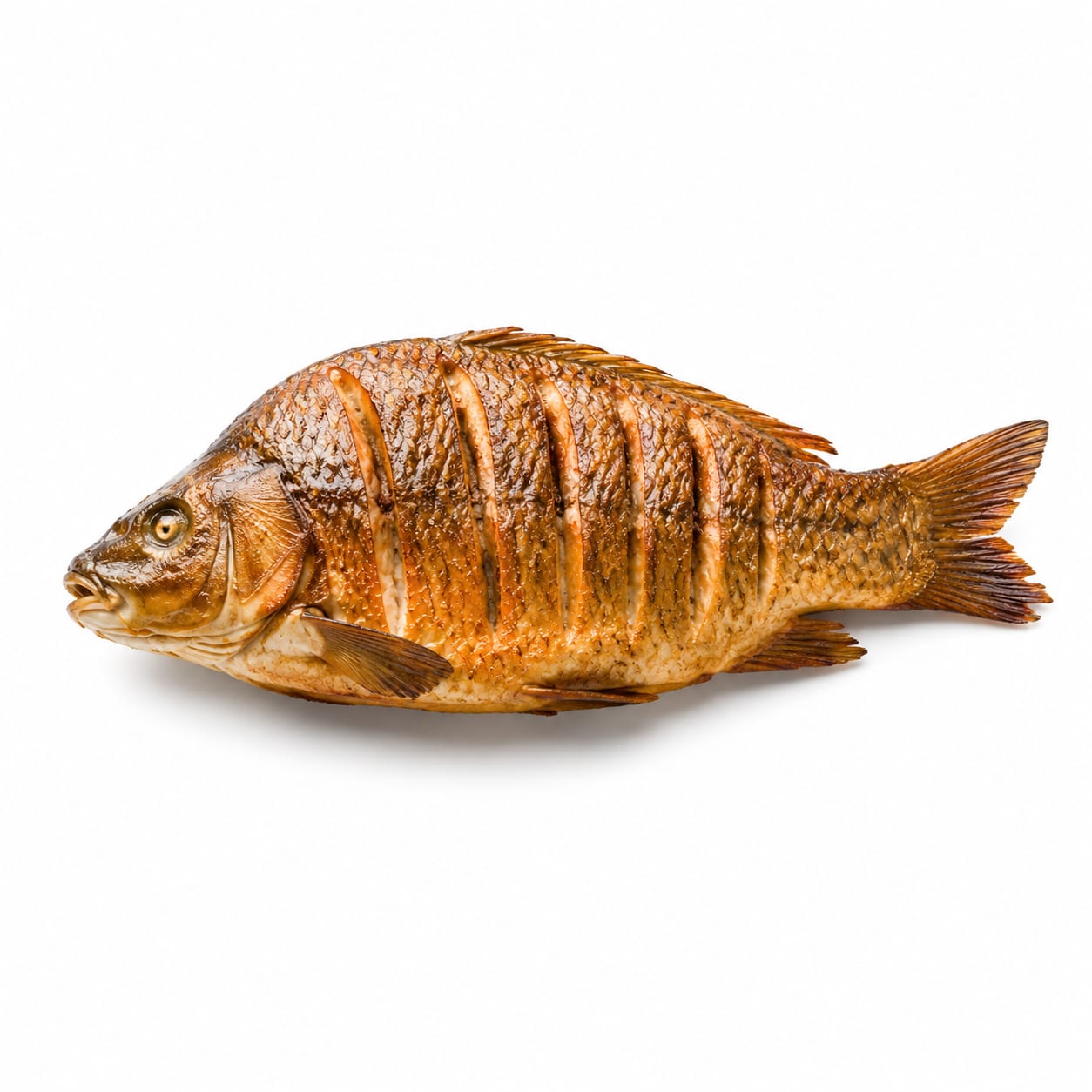
Carp
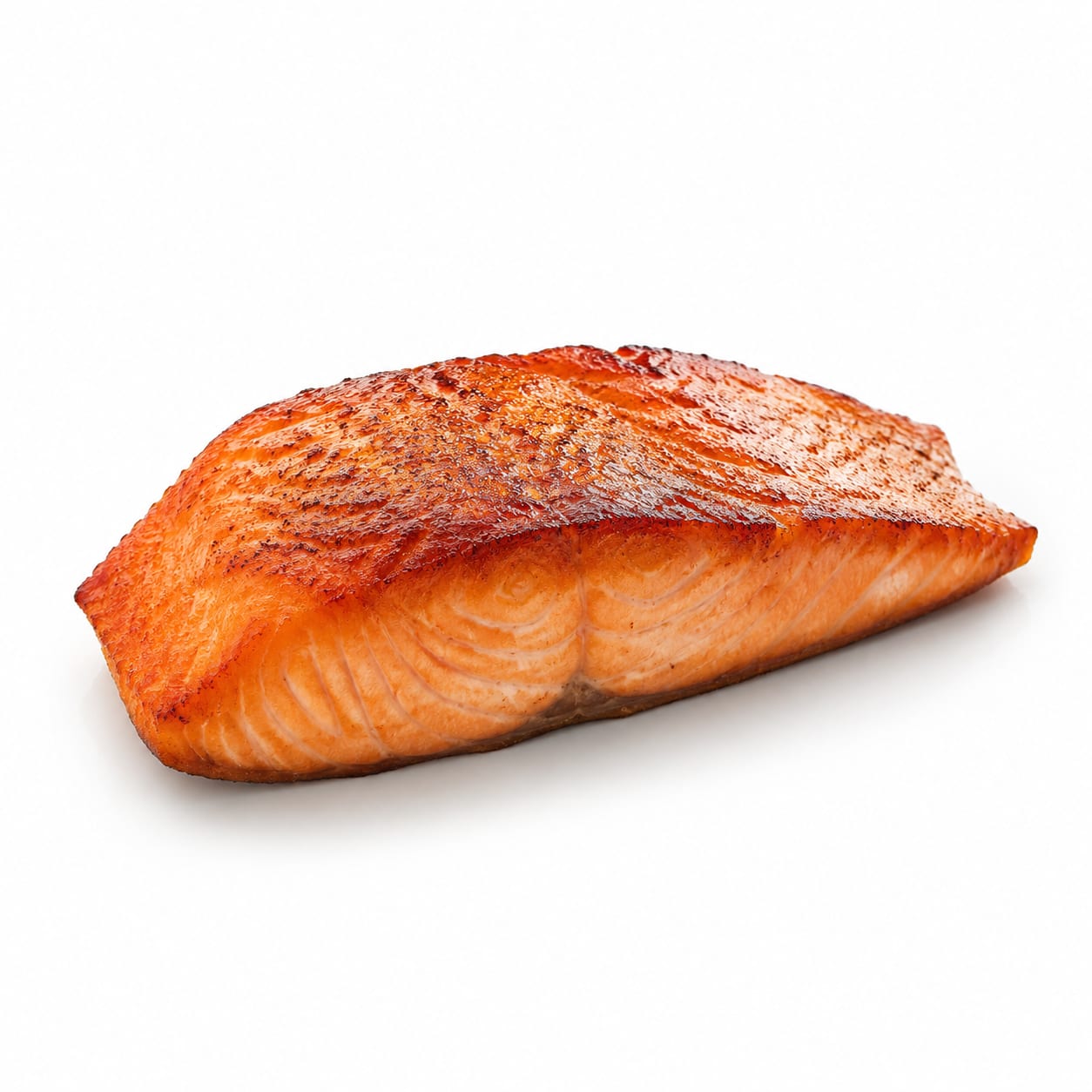
Trout
Trout wins on safety, taste, and ease of eating. Carp wins on price and availability in certain regions, but carries higher contaminant risk.
Trout scores significantly higher due to cleaner safety profile, superior omega-3 ratio, and much easier preparation. Carp remains nutritionally respectable but its contaminant risk and culinary difficulty pull it down.
Carp costs less and offers solid nutrition, but its bottom-feeding habits mean more exposure to heavy metals and pollutants. Trout is cleaner and more enjoyable to eat but pricier.
At a glance
Executive summary
Overall
Trout
Healthier
Trout
More practical
Trout
Daily use
Trout
Key comparison lenses
contaminant safety
Carp are bottom-feeders prone to accumulating pollutants, making safety the top concern for most consumers
omega3 nutrition
Both fish are valued for omega-3 content but differ significantly in quality and quantity
culinary practicality
Carp's bony structure and muddy flavor make it harder to prepare and enjoy compared to trout
affordability access
Carp is dramatically cheaper in many regions, creating a real budget-versus-quality tradeoff
sustainability sourcing
Both can be farmed, but sourcing practices vary widely and affect environmental impact
Best choice for
Carp
- Budget-conscious families in Eastern Europe or Asia where carp is traditional and affordable
- Anglers fishing from clean, well-tested freshwater bodies
- People seeking a high-fat fish for rich, hearty stews
Trout
- Anyone prioritizing low-contaminant fish for regular consumption
- Home cooks wanting an easy, weeknight-friendly fish with mild flavor
- Families feeding children who need safe, bone-friendly seafood
Least suitable for
Carp
- Pregnant women and young children due to contaminant accumulation risk
- People unfamiliar with removing Y-bones from fish fillets
- Consumers sensitive to strong or muddy fish flavors
Trout
- Shoppers on very tight budgets where trout is expensive
- Those in regions where trout is not locally available or farmed
Deep comparison
Dimension by dimension
Each lens scores both foods and breaks down who each option suits.
- Dimension 1 · Priority 92Trout
Contaminant Safety
Carp · 40Trout · 82Carp's bottom-feeding lifestyle means it accumulates more heavy metals, PCBs, and agricultural runoff than trout.
Tradeoff
Carp from pristine waters can be safe, but most consumers cannot verify water quality. Farmed trout has more controlled exposure.
Why it matters
Regular consumption of contaminated fish can quietly build up mercury and PCBs in your body over years, affecting brain and hormonal health.
Real-world impact
If you eat carp weekly from unverified sources, you may be slowly increasing your body's toxic load without noticing immediate symptoms.
Carp
- Wild-caught from remote, uncontaminated lakes with known water quality reports
Better for
- Urban or agricultural-area waterways where runoff concentrates in sediment
- People who already eat other high-mercury fish regularly
Worse for
Trout
- Regular weekly fish consumption without worrying about long-term buildup
- Pregnant women needing safe omega-3 sources
- Children whose developing nervous systems are more vulnerable to heavy metals
Better for
- Wild-caught from polluted streams, though this is less common than with carp
Worse for
- Dimension 2 · Priority 85Trout
Omega-3 & Heart Health
Carp · 68Trout · 86Trout delivers more omega-3s per serving with a better anti-inflammatory ratio. Carp has decent fat content but less EPA and DHA.
Tradeoff
Carp is fattier overall, but much of that fat is not the beneficial omega-3 type. Trout concentrates the omega-3s you actually want.
Why it matters
EPA and DHA omega-3s are what drive heart and brain benefits. Total fat content alone does not equal heart-healthy fat.
Real-world impact
A trout dinner gives you closer to the weekly omega-3 target most dietitians recommend. You would need more carp servings to hit the same effective dose.
Carp
- Providing general caloric density in hearty traditional meals
Better for
- Higher total fat without proportional omega-3 payoff
Worse for
Trout
- Reducing triglycerides and supporting cardiovascular health efficiently
- Getting maximum omega-3 benefit from fewer fish meals per week
- Anti-inflammatory benefits for joint and brain health
Better for
- Dimension 3 · Priority 80Trout
Taste & Culinary Ease
Carp · 38Trout · 85Trout has clean, delicate flavor and simple bone structure. Carp is notoriously bony with a muddy taste many find off-putting.
Tradeoff
Carp can be delicious in skilled hands with proper preparation, but it demands significantly more effort and technique.
Why it matters
If a fish is hard to cook and eat, you will make it less often. Convenience drives real-world dietary habits more than nutrition labels.
Real-world impact
Trout can be pan-seared in 10 minutes with minimal prep. Carp often requires soaking, special cutting techniques, and long cooking to manage bones and flavor.
Carp
- Traditional recipes like gefilte fish or Asian-style braised carp where technique transforms the fish
- Hearty winter stews where strong flavor blends with spices
Better for
- First-time fish cooks who will struggle with Y-bones
- People expecting a clean, salmon-like eating experience
Worse for
Trout
- Quick weeknight dinners with simple pan-frying or grilling
- Serving to guests who expect mild, approachable fish
- Getting kids to eat fish without complaints about taste or bones
Better for
- Those wanting a strongly flavored fish for heavily spiced dishes
Worse for
- Dimension 4 · Priority 72Trout
Protein Quality
Carp · 70Trout · 80Both provide complete protein, but trout offers slightly more protein per calorie with better digestibility.
Tradeoff
The difference is modest. Carp still delivers solid protein, especially for its low cost.
Why it matters
For muscle maintenance and satiety, protein density per calorie matters more than total grams per serving.
Real-world impact
After a trout meal you feel satisfied with fewer calories. Carp fills you up too, but with more fat calories alongside the protein.
Carp
- Budget protein sources in developing regions
Better for
- Calorie-conscious eaters who want protein without extra fat
Worse for
Trout
- Lean muscle gain with controlled calorie intake
- Athletes wanting high protein-to-calorie ratios
Better for
- Dimension 5 · Priority 70Carp
Affordability & Access
Carp · 88Trout · 55Carp is one of the cheapest freshwater fish globally, often a fraction of trout's price.
Tradeoff
You save money with carp but spend more time preparing it and accept higher contaminant uncertainty.
Why it matters
If fish is unaffordable, people simply do not eat it. Cost determines whether omega-3s from fish are even an option.
Real-world impact
In parts of Eastern Europe and Asia, carp costs half or less of what trout costs, making it the only realistic fish for many families.
Carp
- Large families needing affordable protein
- Traditional holiday meals on a budget
- Regions where carp is locally abundant and cheap
Better for
- Western markets where carp is specialty-priced and hard to find
Worse for
Trout
- Consumers who can afford to prioritize quality over quantity
- Markets with reliable farmed trout availability
Better for
- Low-income households where trout is a luxury item
Worse for
Timeline
Health impact over time
Short-term
Hours to days
Carp
- Heavy, satisfying meal due to higher fat content
- Possible digestive discomfort if bones are accidentally swallowed
- Muddy aftertaste if fish was not properly cleaned or soaked
Trout
- Light but satisfying meal with clean aftertaste
- Quick digestion without heaviness
- Easy portion control due to mild, non-moreish flavor
Long-term
Months to years
Carp
- Potential heavy metal and PCB accumulation if sourced from polluted waters
- Solid protein intake supporting muscle maintenance
- Possible cardiovascular benefit from omega-3s, though less efficient than trout
Trout
- Consistent omega-3 intake supporting heart and brain health
- Low contaminant load allows safe regular consumption
- Better long-term compliance because it is simply more enjoyable to eat regularly
Risk profile
Safety & processing
Both carp and trout are typically sold as whole fresh fish with minimal processing. Farmed trout may have slightly more antibiotic exposure depending on sourcing, but both are generally clean whole foods.
Carp
Heavy metal accumulation
highCarp are bottom-feeders that ingest sediment-dwelling organisms, concentrating mercury, lead, and arsenic from polluted waterways over their long lifespan.
PCB and dioxin exposure
mediumCarp's high fat content stores lipophilic toxins like PCBs. Fish from industrial or agricultural runoff areas are particularly concerning.
Parasite burden
mediumWild carp often carry parasites requiring thorough cooking. Never eat raw or undercooked carp.
Trout
Antibiotic residues in farmed trout
lowWell-regulated trout farms have strict antibiotic controls, but poorly managed operations can leave residues. US and EU farmed trout generally tests clean.
Moderate mercury in wild trout
lowWild trout from pristine waters has low mercury, but some lake populations can accumulate moderate levels. Still far safer than carp on average.
Who wins for whom
Audience fit
Same foods, different winners depending on your goal.
children
TroutLower contaminant risk, fewer bones, and milder flavor make trout far more appropriate for developing bodies and picky eaters.
daily consumption
TroutTrout's safety profile and culinary ease make it sustainable as a regular meal. Carp's contaminant risk advises against daily consumption.
diabetes
TroutTrout's superior omega-3 content improves insulin sensitivity, and its leaner profile avoids unnecessary dietary fat that can worsen insulin resistance.
elderly
TroutEasier to chew and digest, with better omega-3s for cognitive and cardiovascular protection during aging.
muscle gain
TroutHigher protein density and better amino acid profile per serving support lean muscle growth more efficiently.
weight loss
TroutTrout provides more protein per calorie and less total fat, making it easier to stay within calorie targets while staying full.
Your move
Decision guide
Choose Carp
- You source it from a known clean lake or trusted fishery with water quality data
- Budget is the primary constraint and trout is simply too expensive
- You grew up with carp recipes and know how to prepare it properly
- You want a rich, fatty fish for traditional stews or braised dishes
Choose Trout
- You want the safest regular fish option for you and your family
- Ease of cooking and eating matters more than saving money
- You are pregnant, nursing, or feeding young children
- You want maximum omega-3 benefit per meal without extra calories
Either works if
- You are eating fish only occasionally and either option is a fine treat
- You have access to well-sourced versions of both at similar prices
Avoid both if
- You have a confirmed fish allergy
- Your local waterways have known contamination advisories for either species
- You cannot verify the source and are pregnant or feeding young children
Final recommendation
Choose trout unless budget or cultural tradition strongly favors carp. If you do eat carp, limit it to once or twice monthly, verify your source, and always cook it thoroughly. Trout gives you more of what you want from fish — omega-3s, clean protein, easy prep — with less of what you do not want.
Practical
Consumer tips
- 1
Ask your fishmonger where the carp was caught. If they cannot tell you, assume higher contaminant risk.
- 2
Farmed rainbow trout from the US or EU is consistently one of the safest fish choices available.
- 3
If cooking carp, soak fillets in milk or salted water for 30 minutes to reduce muddy flavor.
- 4
Check local fish advisories before eating wild-caught carp — many states post consumption limits.
- 5
For trout, whole fish with clear eyes and red gills indicates freshness. Avoid fillets that look gray or dull.
- 6
Freezing carp for at least 48 hours kills most parasites before cooking.
- 7
Consider trout for meal prep — it reheats well and maintains texture better than most freshwater fish.