
Nutrition comparison
Carp vs Tilapia: Nutrition, Safety, and Taste Compared
Compare Carp and Tilapia to see which fish is healthier. Learn about Omega-3s, mercury risks, bone hazards, and which is better for your diet.
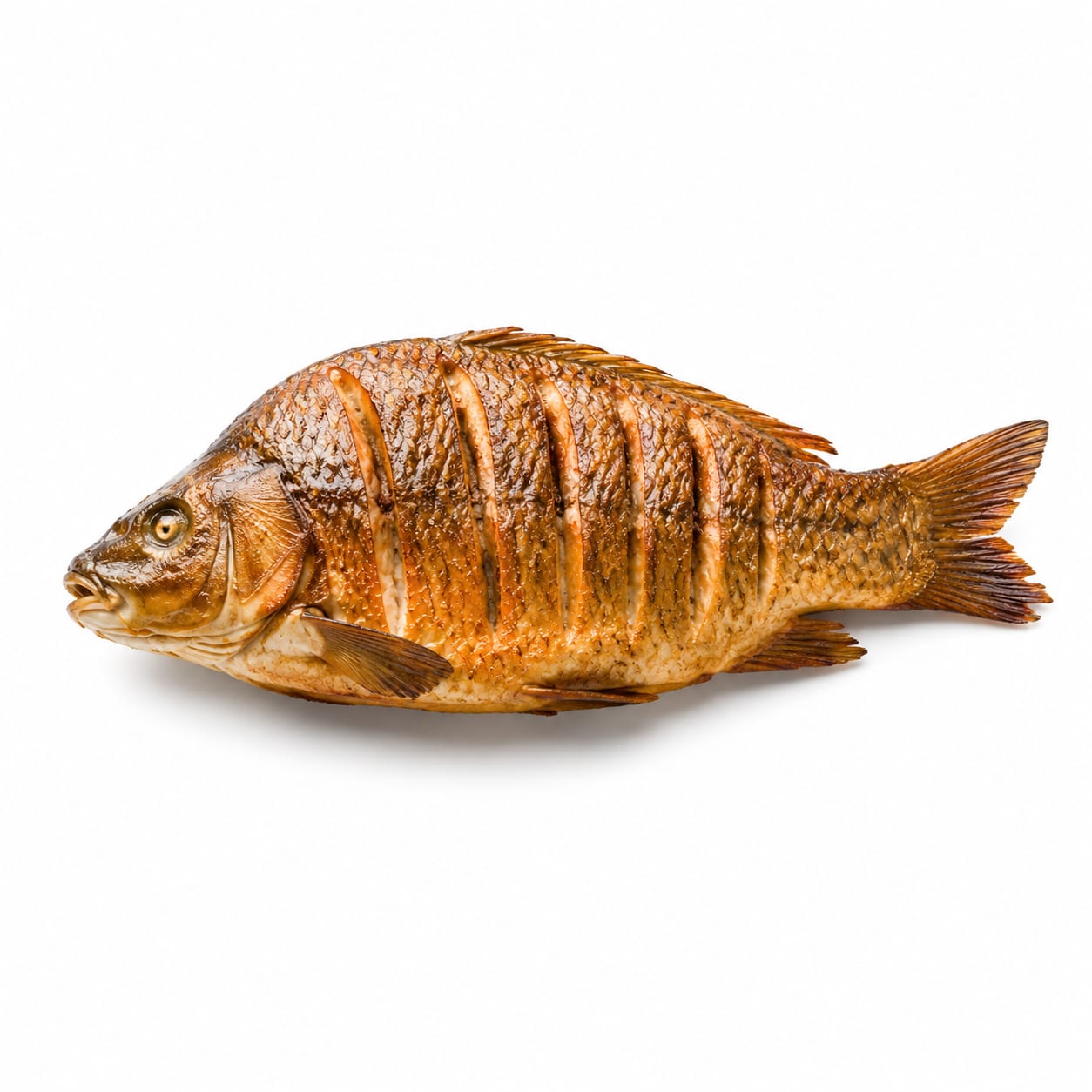
Carp
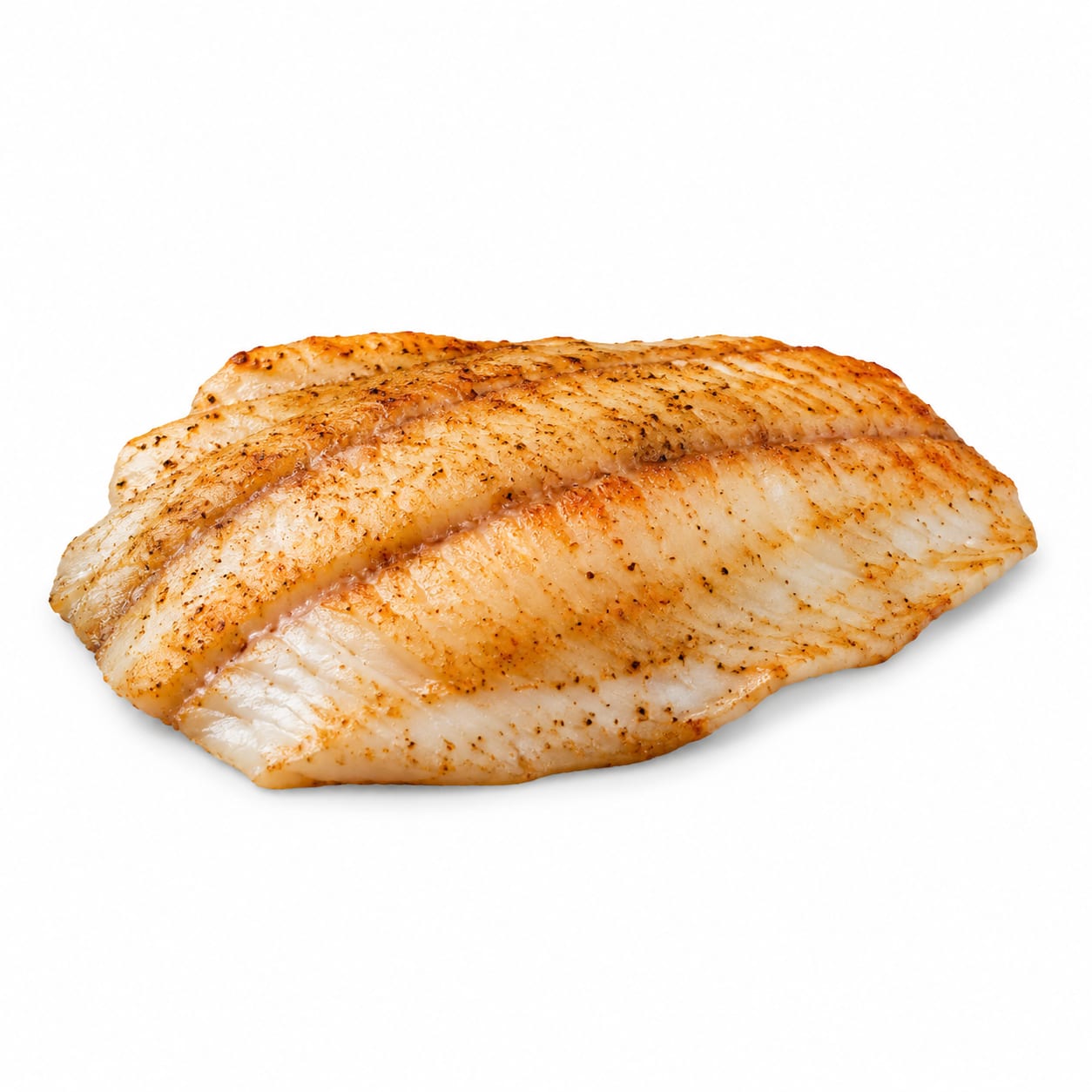
Tilapia
Carp wins on heart-healthy fats and nutrient density, but Tilapia wins on lean protein, safety consistency, and everyday convenience.
Tilapia scores slightly higher overall due to its unmatched convenience, lean profile, and safer daily consumption track record. Carp scores lower primarily because of contaminant risks and difficult preparation, despite its superior micronutrient and fat profile.
You trade the superior Omega-3s and richer flavor of Carp for the boneless convenience, lower calories, and cleaner contaminant profile of Tilapia.
At a glance
Executive summary
Overall
It depends
Healthier
It depends
More practical
Tilapia
Daily use
Tilapia
Key comparison lenses
Omega-3 vs Omega-6 balance
Carp offers substantial Omega-3s while Tilapia is known for a higher Omega-6 profile, making the inflammatory balance a key decision factor
Contaminant and heavy metal exposure
Carp are bottom-feeders prone to accumulating pollutants, whereas Tilapia are typically farmed in controlled environments with lower mercury but potential antibiotic concerns
Calorie and macronutrient density
Carp is a fattier, more caloric fish providing richer satiety, while Tilapia is a lean protein source favored for strict calorie counting
Culinary convenience and bone risk
Tilapia is widely available as convenient boneless fillets, whereas Carp is notoriously bony and requires careful preparation
Best choice for
Carp
- People seeking affordable Omega-3 intake
- Heart health focused diets (when sourced from clean water)
- Those wanting a richer, more satisfying fish meal
Tilapia
- Strict calorie counters and lean muscle builders
- Families needing quick, boneless weeknight dinners
- Anyone avoiding fishy flavors or complex prep
Least suitable for
Carp
- Picky eaters or children due to bone hazards
- Those concerned about waterway pollutants and heavy metals
- Busy home cooks wanting fast meal prep
Tilapia
- Those prioritizing high Omega-3 intake from food
- People avoiding farmed fish or potential antibiotic residues
- Anti-inflammatory diets requiring optimal fat ratios
Deep comparison
Dimension by dimension
Each lens scores both foods and breaks down who each option suits.
- Dimension 1 · Priority 95Carp
Heart-Healthy Fat Profile
Carp · 85Tilapia · 45Carp provides a meaningful dose of Omega-3s, whereas Tilapia has very little Omega-3 and relatively more Omega-6.
Tradeoff
Eating Carp gives you anti-inflammatory fats similar to salmon, but you take on the calorie load of a fattier fish.
Why it matters
Omega-3s are critical for heart and brain health, and most people do not get enough from their diet.
Real-world impact
Choosing Carp over Tilapia a few times a week can meaningfully boost your Omega-3 intake without the cost of premium fish like salmon.
Carp
- Cardiovascular health
- Brain function and mood support
- Reducing systemic inflammation
Better for
- Very low-fat diet protocols
Worse for
Tilapia
- Low-fat diet adherence
- Keeping daily calories strictly controlled
Better for
- Correcting a dietary Omega-3 deficiency
- Anti-inflammatory eating patterns
Worse for
- Dimension 2 · Priority 90Tilapia
Contaminant and Safety Profile
Carp · 40Tilapia · 80Tilapia is generally farmed with low mercury levels, while Carp's bottom-feeding nature makes it a magnet for industrial pollutants.
Tradeoff
Tilapia offers peace of mind regarding heavy metals, but you accept the realities of aquaculture, while wild Carp offers natural diet but unknown water quality.
Why it matters
Long-term exposure to heavy metals and PCBs can undermine the very heart and brain benefits you are trying to get from eating fish.
Real-world impact
If you eat fish multiple times a week, sticking to Tilapia reduces your cumulative toxic load compared to guessing whether your Carp came from a clean lake.
Carp
- Wild foraging if the water source is verified clean
Better for
- Frequent consumption from unknown waterways
- Pregnant women and young children
Worse for
Tilapia
- Safe daily or frequent consumption
- Pregnant women seeking low-mercury protein
- Minimizing cumulative heavy metal intake
Better for
- Avoiding all farmed seafood
Worse for
- Dimension 3 · Priority 80Tilapia
Protein Quality and Leanness
Carp · 70Tilapia · 92Tilapia delivers highly bioavailable protein with minimal fat, making it a classic lean muscle food. Carp is protein-rich but comes with extra calories from fat.
Tradeoff
You get more protein per calorie from Tilapia, but less overall satiety than the fattier Carp.
Why it matters
For body composition goals, maximizing protein while minimizing calories is often the priority.
Real-world impact
A Tilapia fillet after a workout provides the muscle-building blocks without slowing digestion the way a heavier, fattier Carp meal might.
Carp
- Meals where lasting fullness is the goal
Better for
- Strict macro tracking on low-fat plans
Worse for
Tilapia
- Post-workout muscle recovery
- Cutting phases for bodybuilding
- Appetite control through volume eating
Better for
- Situations requiring sustained energy from fats
Worse for
- Dimension 4 · Priority 75Tilapia
Culinary Convenience
Carp · 30Tilapia · 95Tilapia is a convenient, boneless, mild-flavored fillet. Carp is notoriously bony with a muddy flavor that requires skill to manage.
Tradeoff
Tilapia is effortless to cook but can taste bland without heavy seasoning. Carp has rich flavor but demands expert preparation to avoid choking hazards.
Why it matters
If a fish is hard to cook or dangerous to eat, you simply will not eat it, regardless of its health benefits.
Real-world impact
You can pan-fry Tilapia from frozen in 10 minutes on a Tuesday. Carp requires careful deboning and specific cooking methods, making it a weekend project at best.
Carp
- Traditional recipes and slow-cooked stews
- Adventurous home cooks
Better for
- Quick meals
- Inexperienced cooks
Worse for
Tilapia
- Quick weeknight dinners
- Feeding children safely
- Meal prep batching
Better for
- Gourmet or traditional culinary experiences
Worse for
Timeline
Health impact over time
Short-term
Hours to days
Carp
- High satiety and lasting fullness due to fat content
- Potential digestive discomfort if bones are accidentally swallowed
Tilapia
- Light, easily digestible meal that will not weigh you down
- Rapid protein availability for muscle repair
Long-term
Months to years
Carp
- Improved cardiovascular markers if sourced from clean water
- Risk of heavy metal or PCB accumulation with frequent consumption of wild-caught fish from polluted areas
Tilapia
- Reliable lean muscle maintenance and weight management
- Potential imbalance in Omega-3 to Omega-6 ratio if eaten as the sole protein source without other healthy fats
Risk profile
Safety & processing
Both are typically sold as fresh or frozen whole fish or fillets without additives. However, farmed Tilapia often involves aquaculture feeds and potential antibiotic use, whereas Carp is frequently wild-caught eating a natural diet, though farmed varieties exist.
Carp
Heavy Metals and PCBs
highAs bottom-feeders, Carp accumulate toxins like mercury and PCBs from sediment, making water source the ultimate safety decider.
Bone Choking Hazard
highCarp have an intricate Y-bone structure that is difficult to remove, posing a real choking risk if not prepared by a skilled cook.
Tilapia
Aquaculture Chemicals
mediumFarmed Tilapia may be exposed to antibiotics or pesticides depending on the country of origin and farming practices.
Omega-6 Imbalance
lowWhile not a direct safety hazard, the higher Omega-6 content can be pro-inflammatory if Tilapia is your primary protein source.
Who wins for whom
Audience fit
Same foods, different winners depending on your goal.
children
TilapiaTilapia has no bones and low mercury, making it safe and easy for kids to eat, unlike the hazardous bones of Carp.
daily consumption
TilapiaLow mercury and consistent farming practices make Tilapia a safer bet for daily eating compared to the cumulative toxin risk of Carp.
diabetes
TilapiaBoth have zero carbs, but Tilapia's lower fat content makes it easier to pair with healthy carbs for balanced blood sugar management.
elderly
TilapiaTilapia is extremely easy to chew, digest, and safely consume without the choking risks associated with Carp bones.
muscle gain
TilapiaTilapia provides a high dose of pure, lean protein without the extra calories that come with the fats in Carp.
weight loss
TilapiaTilapia offers significantly fewer calories and almost zero fat, making it much easier to fit into a calorie deficit.
Your move
Decision guide
Choose Carp
- You want an affordable, Omega-3 rich fish and have a trusted, clean water source
- You enjoy traditional, slow-cooked fish recipes and know how to navigate the bones
- You are looking for a highly satiating meal that keeps you full for hours
Choose Tilapia
- You need a fast, convenient, and safe protein source for busy weeknights
- You are counting calories or macronutrients and need pure lean protein
- You are feeding children or elderly family members and cannot risk bone choking hazards
Either works if
- You are simply trying to eat more fish instead of red meat
- You pair your fish with plenty of vegetables and healthy sides
Avoid both if
- You have a severe fish or seafood allergy
- You are strictly following a plant-based diet
Final recommendation
For most everyday eaters, Tilapia is the more practical and safer choice due to its lean profile, lack of bones, and low mercury. However, if you have access to Carp from pristine waters and the culinary skill to prepare it, it is the nutritional winner for Omega-3s and heart health. Choose Tilapia for convenience and safety; choose Carp for nutrition and tradition.
Practical
Consumer tips
- 1
If buying Carp, always ask about the water source; avoid fish from industrial or agricultural runoff areas
- 2
When buying Tilapia, look for certifications like BAP (Best Aquaculture Practices) to ensure responsible farming and lower antibiotic use
- 3
If you want the Omega-3s of Carp but the safety of Tilapia, consider swapping to sustainably farmed rainbow trout or sardines
- 4
To mask the sometimes muddy flavor of Carp, soak the fillets in milk or salted water for an hour before cooking
- 5
Keep Tilapia interesting by using bold marinades like chimichurri, Cajun seasoning, or lemon-garlic butter, as its natural flavor is very mild