
Vegetables
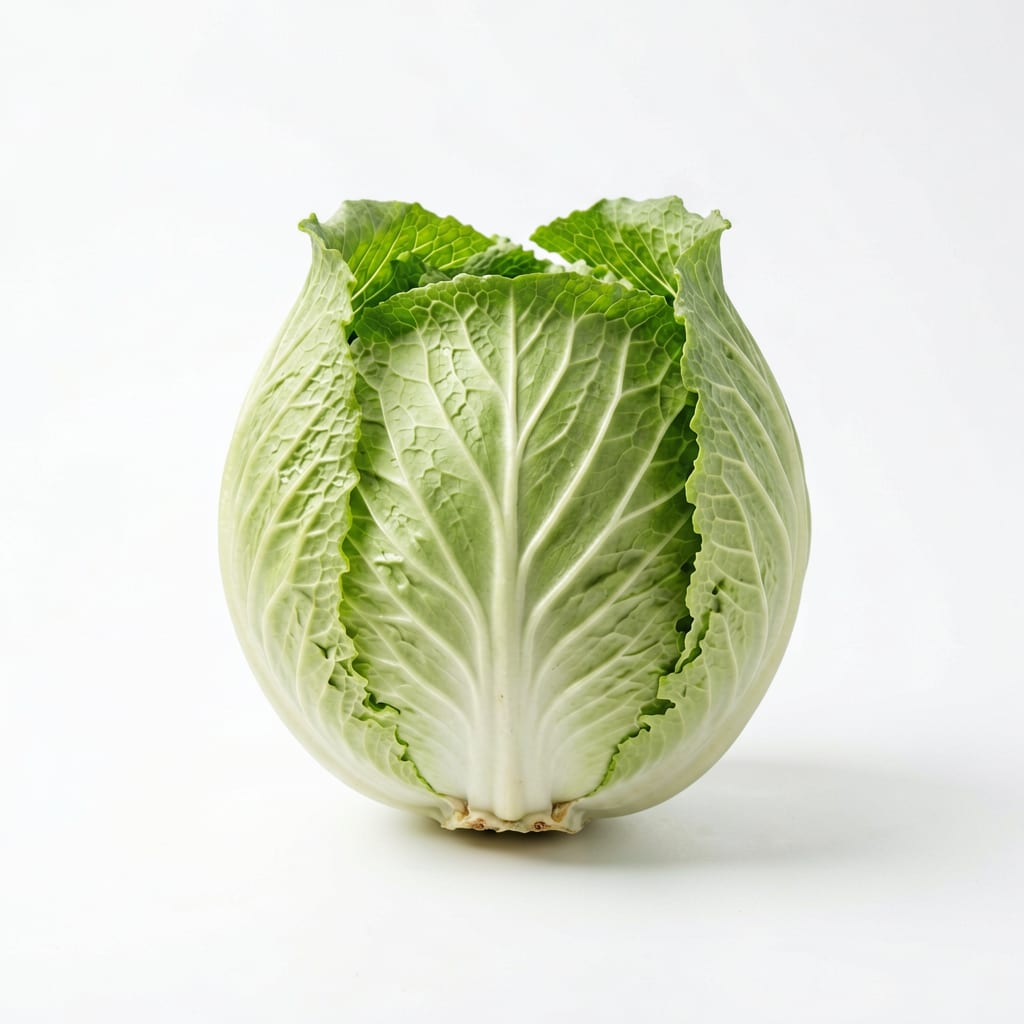
Cabbage
A low-calorie, high-fiber cruciferous vegetable that supports digestion and provides high volume for weight management.
A leafy green, red, or white biennial plant grown as an annual vegetable crop, known for its dense-leaved heads and high fiber, vitamin C, and vitamin K content.
high-volume low-calorie cruciferous vegetable
Typical serving · 89g
Common varieties · green, red, savoy, napa
Overall context score across nutrition, safety, and diet fit
At a glance
Quick facts
Simple indicators based on nutrition, processing, and diet fit.
The story
What makes it unique
Cabbage is a low-energy-density cruciferous vegetable with high water and fiber content that slows gastric emptying and promotes satiety. It contains glucosinolates, which are sulfur-containing compounds broken down into bioactive isothiocyanates during chopping and chewing. Digestion is moderate to slow due to insoluble fiber, resulting in a minimal glycemic impact.
Varieties: green · red · savoy · napa
Per 100g
Nutrition breakdown
Macro balance and key metrics at a glance.
Energy
Density 0.25 kcal/g
Protein
Carbs
Fat
Fiber
Sugar
3.2 g
Sodium
18 mg
Potassium
170 mg
Glycemic index
15
Glycemic load
1
Water content
92%
Standout compounds
Nutrient highlights
Vitamin K
highEssential for blood clotting and bone metabolism.
Vitamin C
moderateSupports immune function and collagen synthesis.
Fiber
moderatePromotes digestive regularity and feeds beneficial gut bacteria.
Glucosinolates
highSulfur-containing compounds that break down into bioactive isothiocyanates with antioxidant properties.
Wellness map
Health scores & processing
NOVA processing scale
unprocessed · Whole food
Raw cabbage is a whole, unprocessed agricultural commodity with no added ingredients.
Diet compatibility
- Weight loss
- Muscle gain
- Diabetes
- Gut health
- Low carb
- High protein
- Heart health
Relative standing
Food rankings
Qualitative ranks compared to similar whole foods.
- Satietyexcellent
- Blood sugarexcellent
- Nutrient densitygood
- Fitness fuelmoderate
- Processing qualityexcellent
Eat with confidence
Food safety profile
Cabbage is generally very safe. The tight formation of the head naturally shields inner leaves from pests and sprays. Washing outer leaves is usually sufficient.
Evidence confidence 95%
- Pesticideslow
- Antibioticslow
- Heavy metalslow
- Contaminationlow
Watch for
- pesticide residues on outer leaves
- soil-borne bacteria
Safer choices
Organic cabbage to avoid pesticide residues on outer leaves if consumed frequently.
Prep tips
Remove and discard the outermost leaves, then rinse the head under running water before cutting.
Minimal regulatory concerns; outer leaves often protect the inner edible portion from direct pesticide spray.
Deep dive
Health analysis
How this food may fit different goals and preparation choices.
Weight loss
Extremely low energy density allows large portion sizes with minimal calories, making it easier to maintain a caloric deficit.
Blood sugar
Very low glycemic index and load. Fiber content slows carbohydrate absorption, preventing blood sugar spikes.
Fitness & energy
Not a primary energy source due to low calories and carbs, but useful for adding volume to meals without adding heavy macronutrients.
Gut health
Insoluble fiber adds bulk to stool and promotes regular bowel movements. Fermented cabbage (sauerkraut, kimchi) provides probiotics that further enhance the microbiome.
Processing quality
Whole, unprocessed food with maximal nutrient retention when consumed raw or lightly cooked.
Food safety
Very safe. Tightly wrapped leaves protect against contamination. Standard washing of outer leaves mitigates most risks.
Common mistakes
Boiling cabbage for prolonged periods destroys vitamin C and produces strong sulfur odors. Overcooking reduces nutritional value and palatability.
Best preparation
Raw in salads, lightly sautéed, steamed, or fermented. Quick cooking methods preserve heat-sensitive nutrients like vitamin C.
Practical guide
Best use cases
When and how this food fits real eating patterns.
High-volume low-calorie eating
Bulk up meals like salads, stir-fries, and soups to increase physical food volume without significantly increasing calories.
Gut microbiome support
Consumed as sauerkraut or kimchi, it provides live probiotic cultures that enhance digestive health.
Low-carb wrap alternative
Large boiled cabbage leaves can replace tortillas or bread for a low-carb, gluten-free wrap.
Balance sheet
Pros & cons
Upsides
- Very low in calories and carbohydrates
- High water and fiber content promotes fullness
- Rich in vitamin K and vitamin C
- Contains beneficial glucosinolates
- Affordable and widely available
- Versatile for raw, cooked, or fermented preparations
Trade-offs
- Can cause gas and bloating due to raffinose and fiber
- Goitrogens may interfere with thyroid function if consumed in extreme amounts raw
- Low in protein and healthy fats, requiring meal pairing
- Prolonged boiling creates strong, unpleasant odors
Fit check
Who is it for?
Great match
- high-volume eating
- low-carb diets
- blood sugar management
- budget-friendly meal prep
Consider alternatives
- strict muscle-building diets needing high protein
- individuals with severe IBS sensitive to cruciferous vegetables
- those on thyroid medication consuming large raw quantities
Side by side
How it compares
Open the full head-to-head analysis for nutrition, safety, and practical tradeoffs.
This food
Cabbage
VS85% alike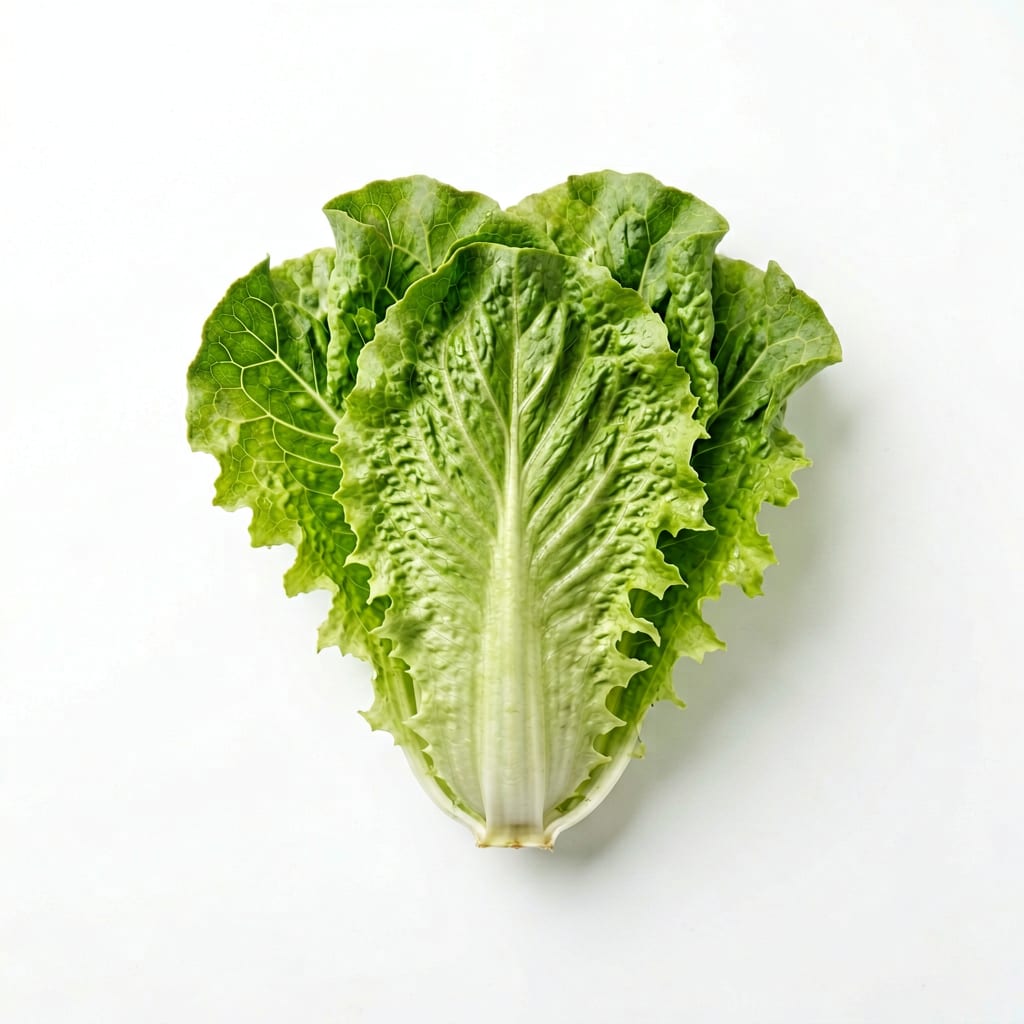
Compare with
Lettuce
Cabbage is denser, higher in fiber, and richer in vitamin C and K, while lettuce is higher in water content and lower in calories per volume.
Cabbage provides more fiber and vitamins than lettuce, making it better for satiety, though lettuce is slightly lower in calories.
This food
Cabbage
VS90% alike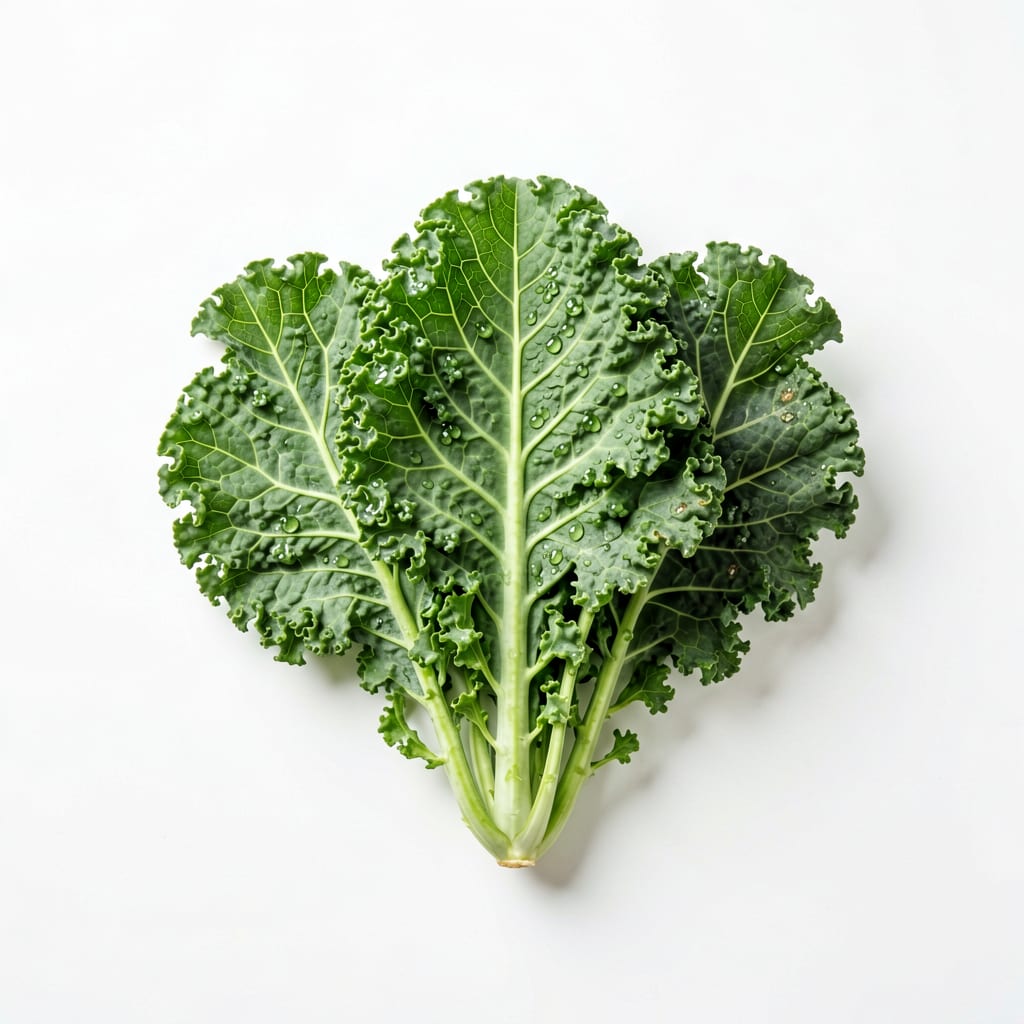
Compare with
Kale
Kale is significantly higher in vitamins A, C, and K, and antioxidants, but cabbage is milder, cheaper, and easier to eat in large volumes.
Kale wins on nutrient density, but cabbage is better for high-volume eating due to its lower calorie density and milder flavor.
This food
Cabbage
VS80% alike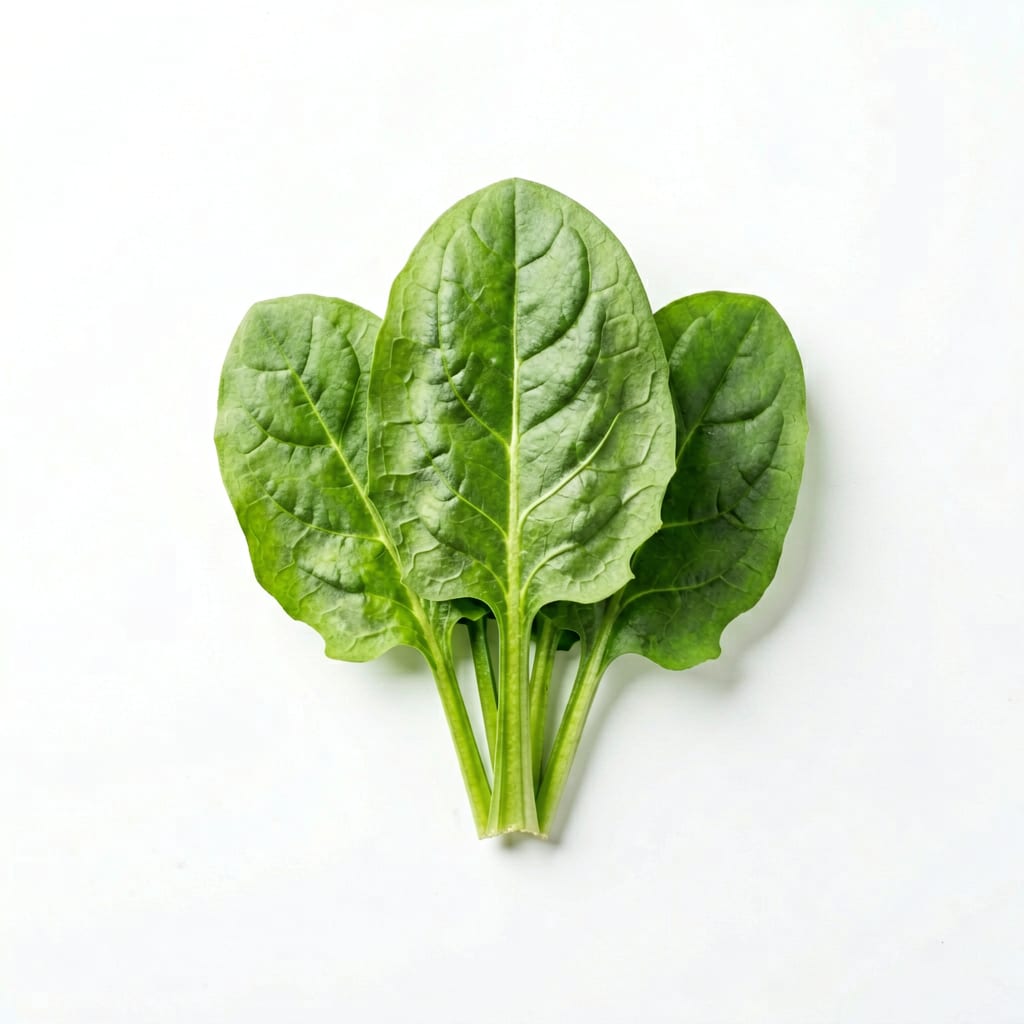
Compare with
Spinach
Spinach is richer in iron and folate, while cabbage offers more volume per calorie and contains glucosinolates.
Spinach provides more iron and folate, but cabbage offers more crunch and volume for fewer calories.
This food
Cabbage
VS88% alike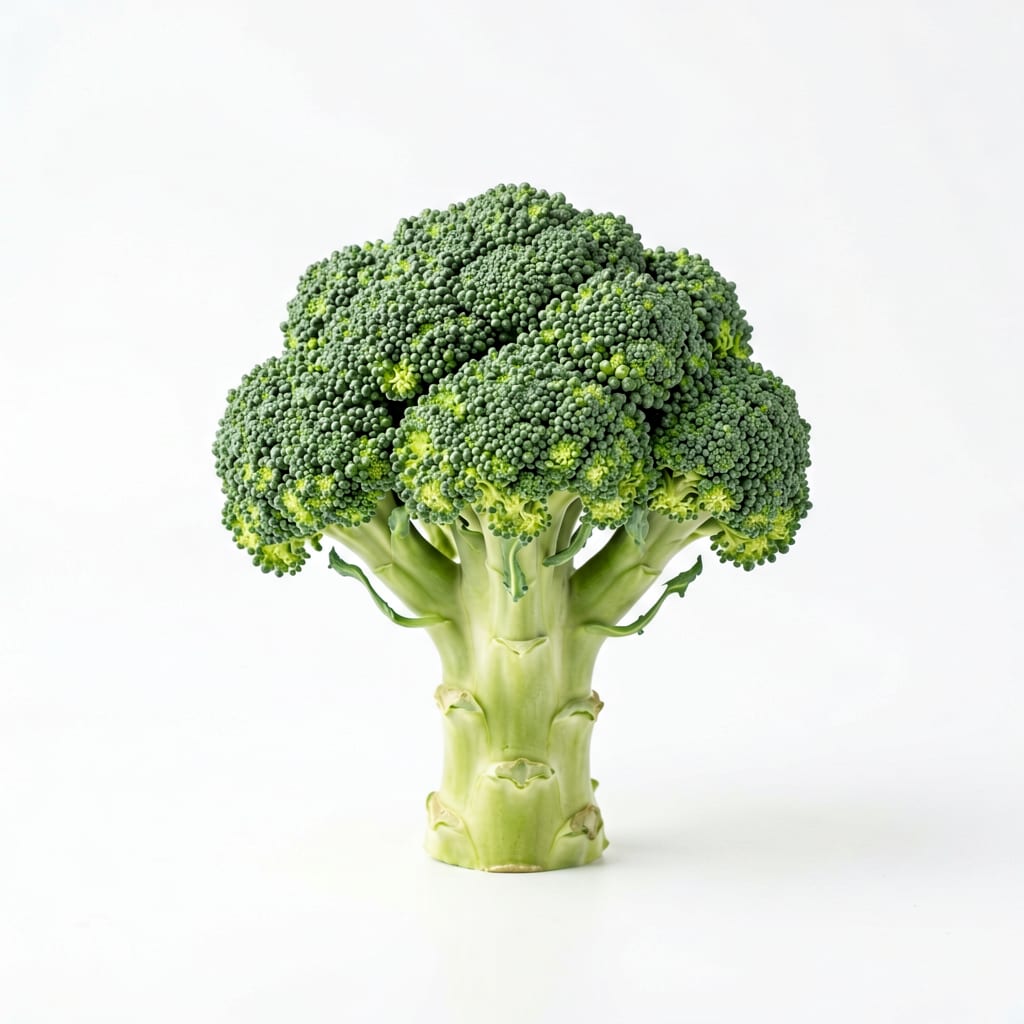
Compare with
Broccoli
Broccoli has more protein and vitamin C per calorie, while cabbage is better for bulk eating and has a lower glycemic load.
Broccoli is higher in protein and vitamin C, but cabbage is lower in calories and better for high-volume meals.
This food
Cabbage
VS85% alike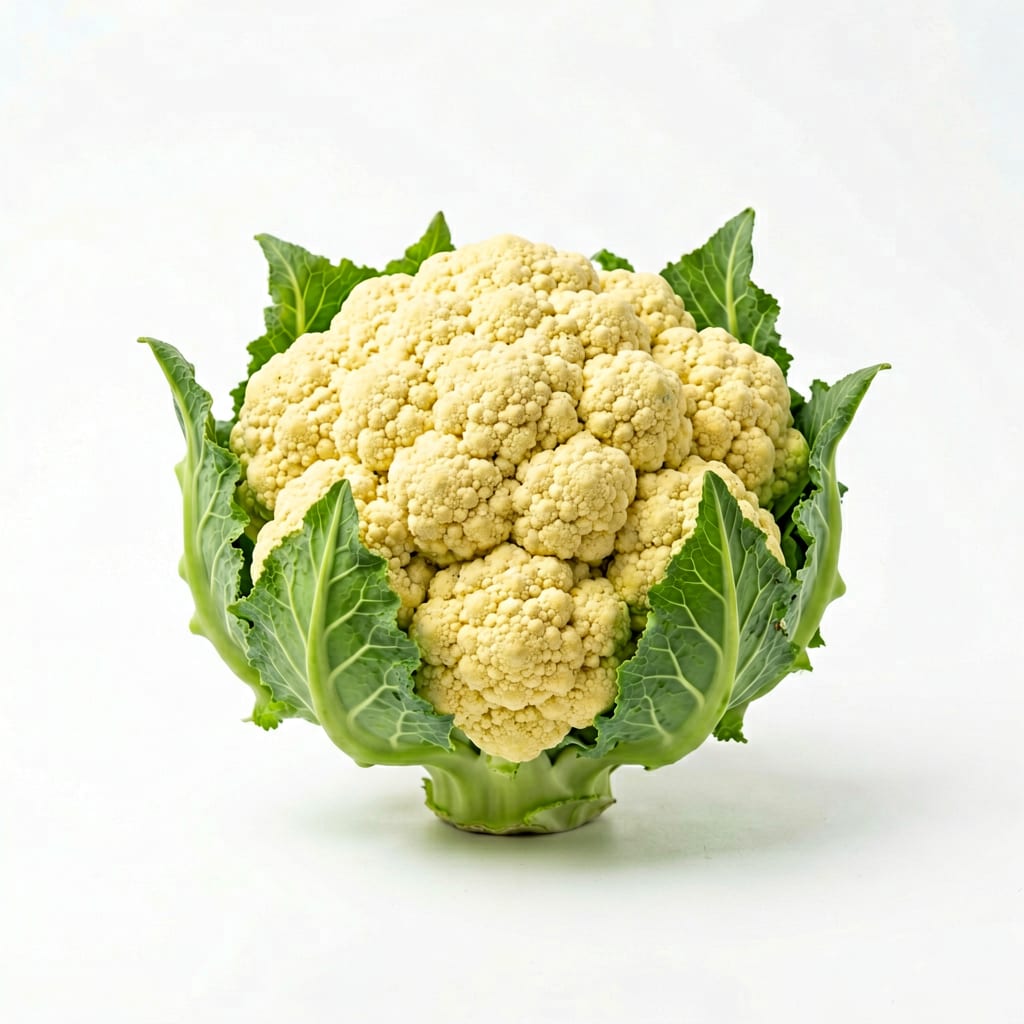
Compare with
Cauliflower
Cauliflower is higher in vitamin C and often used as a rice substitute, while cabbage is lower in calories and better for wraps.
Cabbage is lower in calories and great for wraps, while cauliflower is slightly higher in nutrients and popular as a rice alternative.
This food
Cabbage
VS92% alike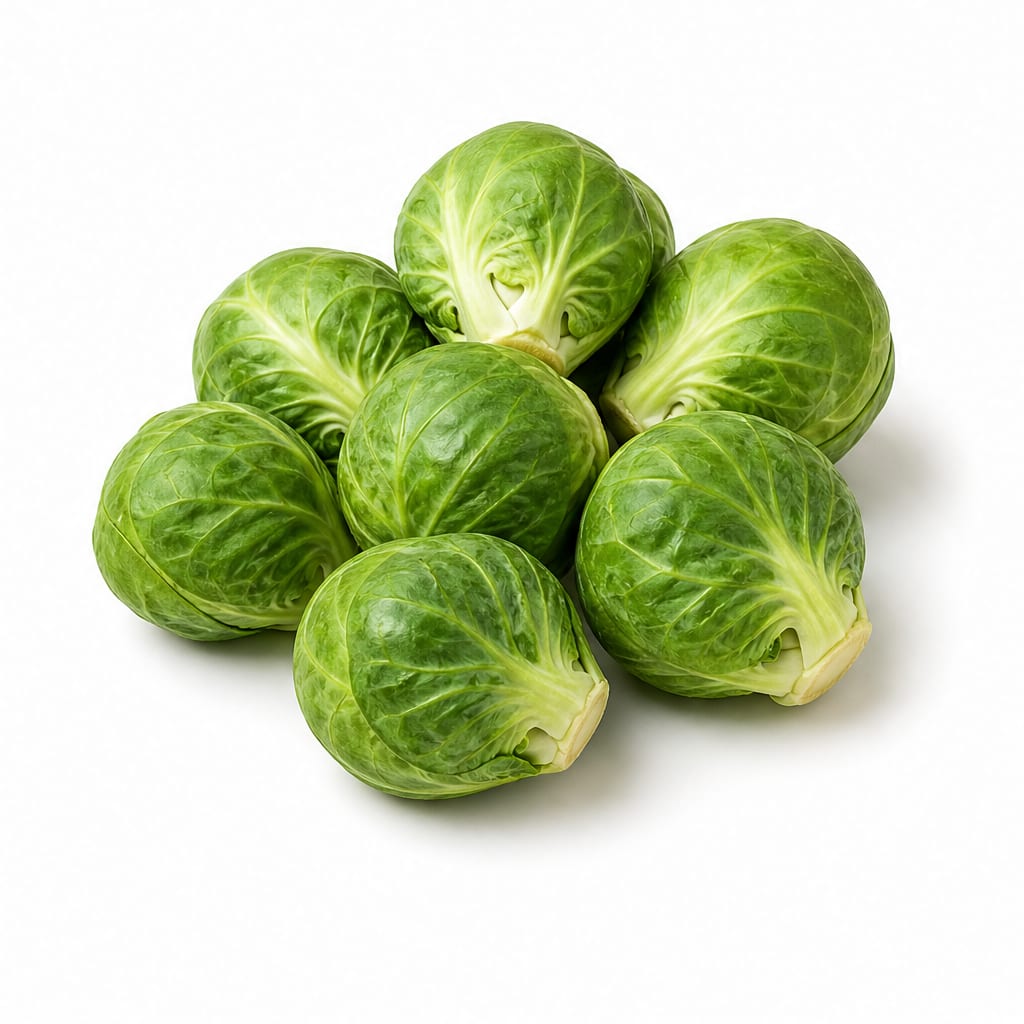
Compare with
Brussels Sprouts
Brussels sprouts are denser in protein and vitamin C, but cabbage is significantly lower in calories and more versatile for large portions.
Brussels sprouts offer more protein and vitamin C per gram, but cabbage provides more food volume for fewer calories.
This food
Cabbage
VS87% alike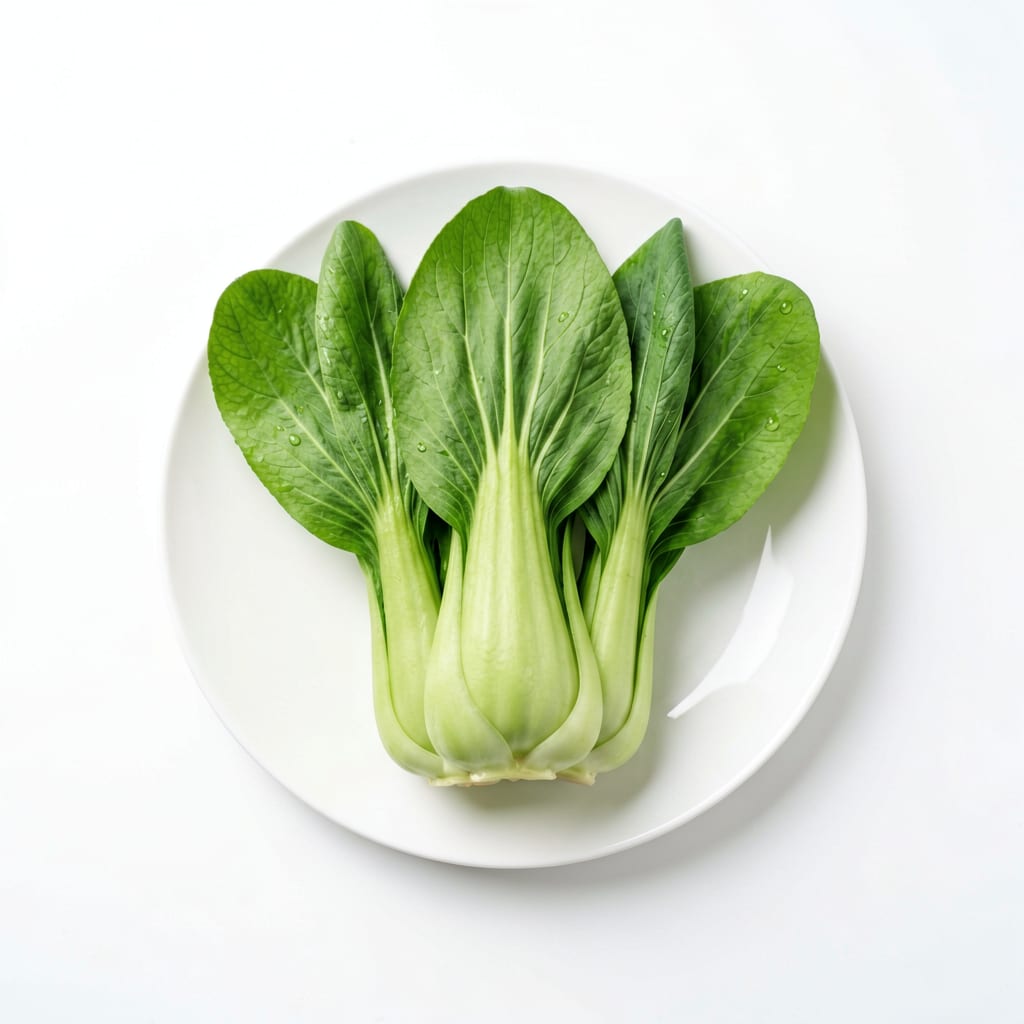
Compare with
Bok Choy
Bok choy is richer in vitamin A and has a more tender texture, while green cabbage is slightly lower in calories and more robust for slaws.
Bok choy provides more vitamin A and a tender crunch, while standard cabbage is slightly lower in calories and better for bulk.
This food
Cabbage
VS75% alike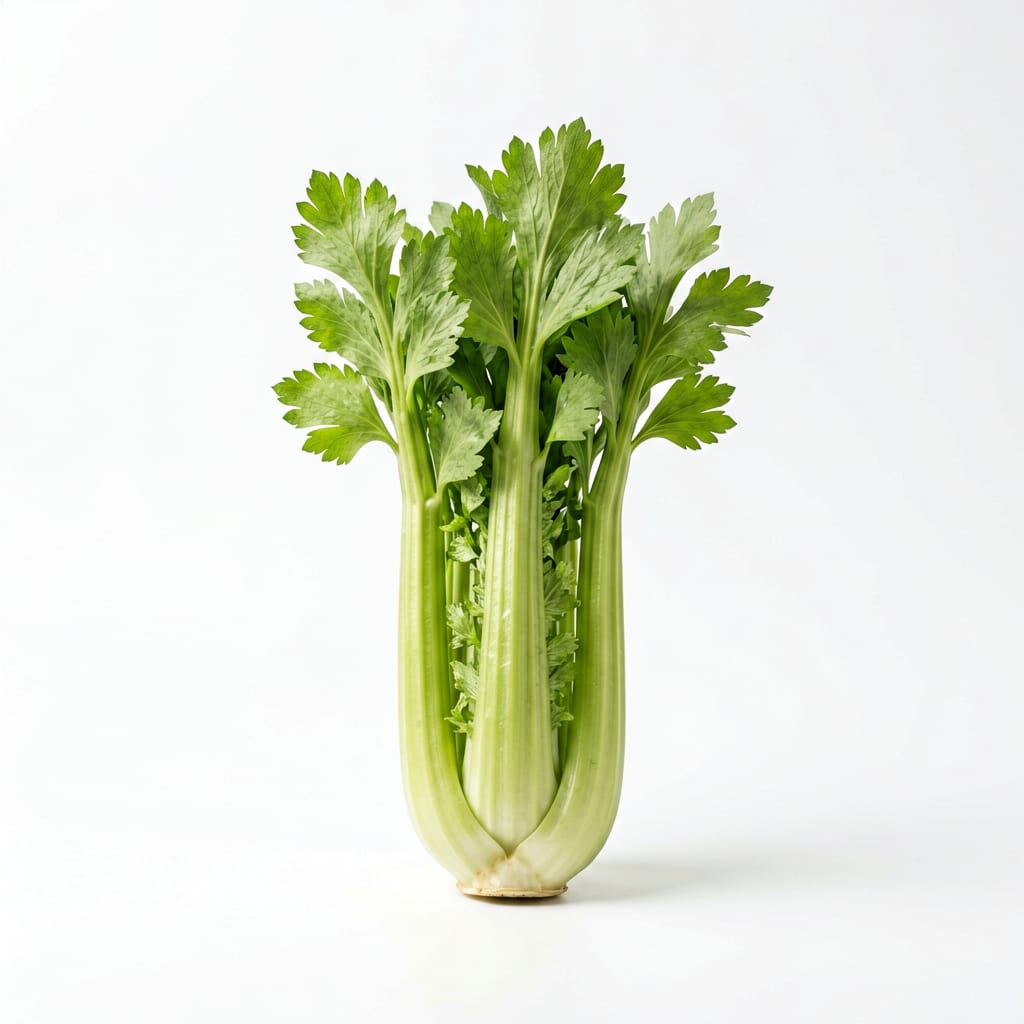
Compare with
Celery
Celery is lower in calories and higher in water, but cabbage provides more fiber, vitamin C, and glucosinolates per serving.
Celery is lower in calories, but cabbage offers more fiber and vitamins, making it more satiating and nutritious.
This food
Cabbage
VS78% alike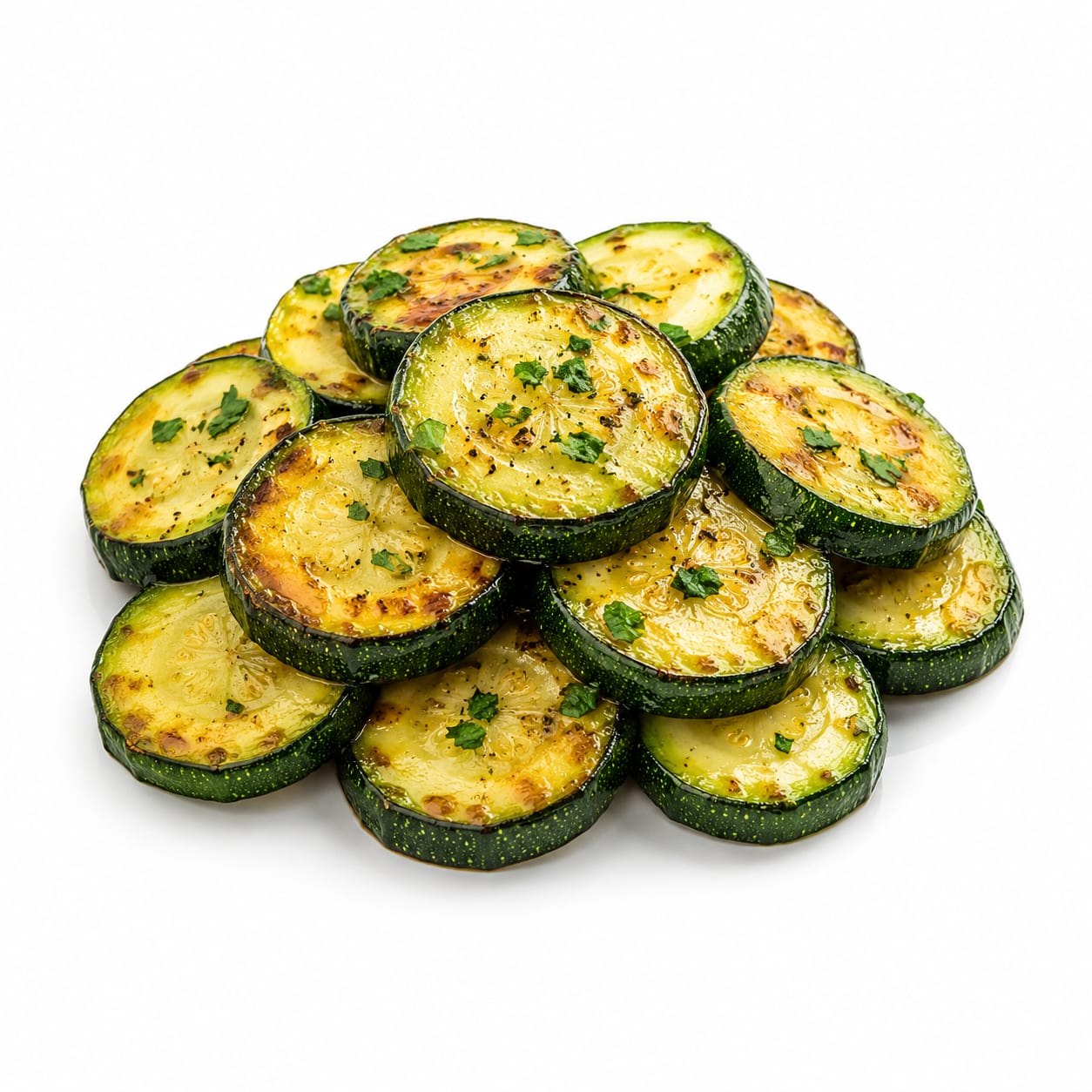
Compare with
Zucchini
Zucchini is higher in potassium and often used as a pasta substitute, while cabbage is higher in vitamin K and better for fermentation.
Zucchini is great for low-carb noodles, while cabbage is lower in calories and higher in vitamin K, ideal for slaws and fermentation.
This food
Cabbage
VS72% alike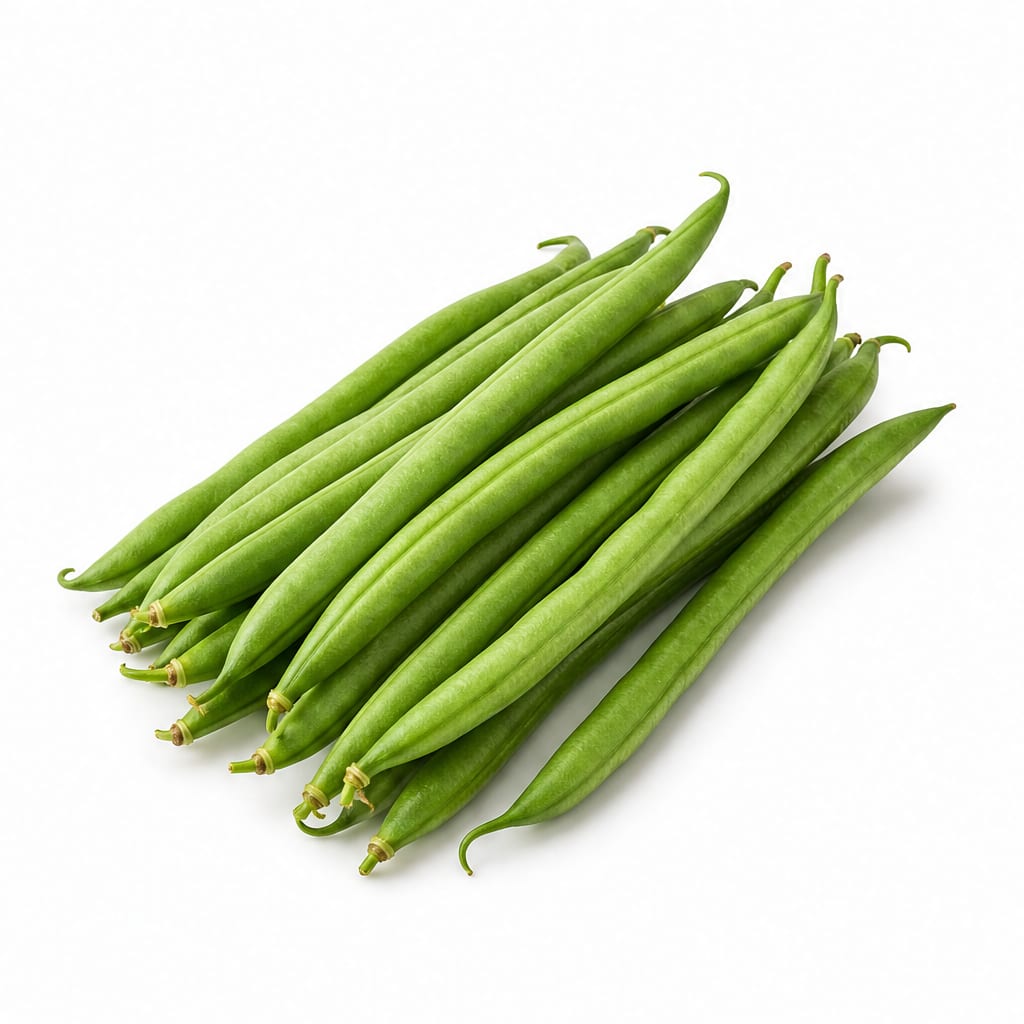
Compare with
Green Beans
Green beans have slightly more protein and carbs, while cabbage is lower in calories and a cruciferous vegetable with glucosinolates.
Cabbage is lower in calories and carbs, making it better for weight loss, while green beans offer slightly more protein.
Common questions
FAQ
Answers aligned with how people search for this food.
Is cabbage good for weight loss?
Yes, cabbage is excellent for weight loss. It is very low in calories and high in fiber and water, which helps you feel full without consuming excess calories.
Does cabbage burn belly fat?
No food directly burns belly fat, including cabbage. However, its low calorie density can help reduce overall calorie intake, which leads to fat loss over time when combined with a balanced diet.
Is cabbage keto-friendly?
Yes, cabbage is keto-friendly. It contains only about 3.3g of net carbs per 100g serving, making it a great low-carb vegetable option.
Is raw cabbage hard to digest?
Raw cabbage can be difficult to digest for some people due to its high insoluble fiber and raffinose content, which can cause gas and bloating. Lightly cooking or fermenting it makes it easier to digest.
Which is healthier, red or green cabbage?
Red cabbage is generally considered slightly healthier because it contains significantly more vitamin C and anthocyanins, which are powerful antioxidants that give it its purple color.
Does cooking cabbage destroy its nutrients?
Prolonged boiling can destroy heat-sensitive nutrients like vitamin C. Steaming, sautéing, or eating it raw preserves the most nutritional value.
What happens if you eat cabbage everyday?
Eating cabbage daily can improve digestion, support heart health, and provide consistent vitamins K and C. However, individuals with thyroid issues should moderate intake as cruciferous vegetables contain goitrogens that can interfere with thyroid function when eaten in extreme amounts raw.
Is sauerkraut as healthy as raw cabbage?
Sauerkraut offers different benefits. While it has less vitamin C than raw cabbage due to processing, the fermentation process adds beneficial probiotics that support gut health.
Transparency
Data confidence
Estimated confidence for nutrition data, interpretation, safety notes, and comparisons.
Nutrition data
Health analysis
Food safety
Comparisons