
Nutrition comparison
Cabbage vs Broccoli: Nutrition, Cost, and Health Comparison
Compare cabbage vs broccoli for weight loss, nutrients, and budget. Find out which cruciferous vegetable is healthier and better for your lifestyle.
Overall winner · Broccoli
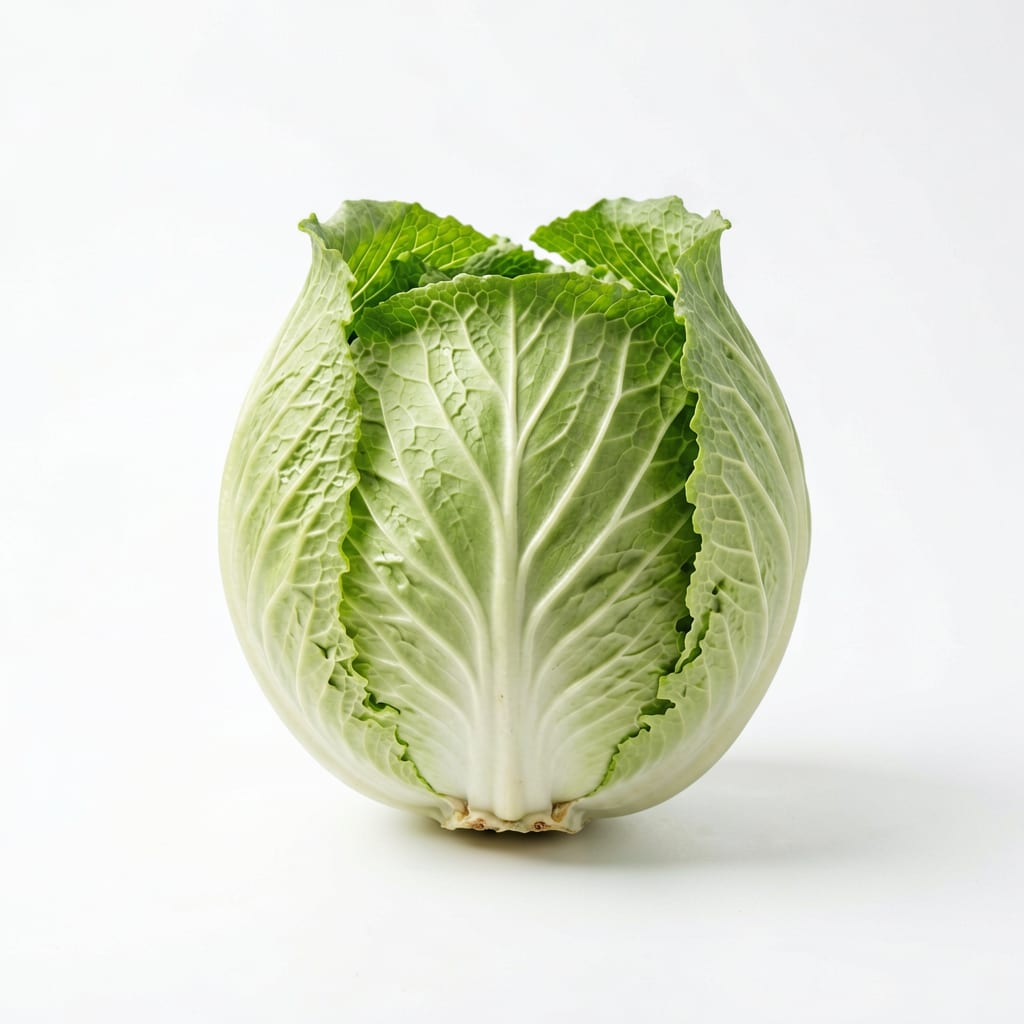
Cabbage
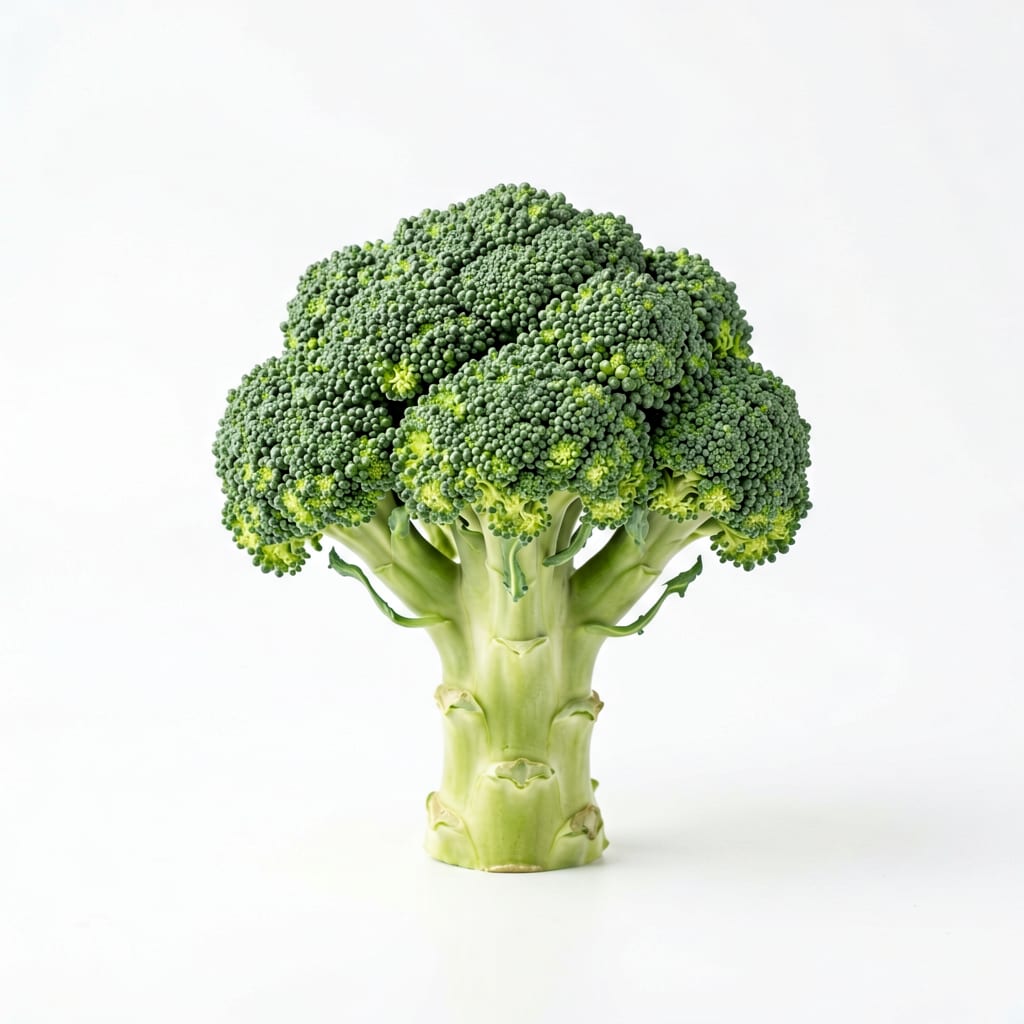
Broccoli
Broccoli delivers more vitamins and cancer-fighting compounds per bite, but cabbage wins on budget, shelf-life, and raw volume eating.
Broccoli edges out cabbage due to higher concentrations of vitamins A, C, and potent antioxidants like sulforaphane, but cabbage remains an excellent, highly practical choice.
Broccoli gives you superior nutritional bang per bite, while cabbage gives you more food volume per dollar and stays fresh much longer.
At a glance
Executive summary
Overall
Broccoli
Healthier
Broccoli
More practical
Cabbage
Daily use
It depends
Key comparison lenses
Nutrient density and vitamin content
Both are cruciferous, but users often want to know which packs more vitamins per serving.
Digestive tolerance and gas
Both vegetables are notorious for causing bloating, making gut comfort a primary concern.
Budget and meal prep practicality
Cabbage is famously cheap and lasts weeks, while broccoli spoils quickly and costs more.
Weight loss and volume eating
Both are low-calorie diet staples, but cabbage allows for massive portion sizes.
Best choice for
Cabbage
- Budget-conscious meal preppers
- Volume eaters trying to lose weight
- People who want a vegetable that lasts weeks in the fridge
Broccoli
- People seeking maximum vitamin C and antioxidants
- Those focused on cellular detox and immune support
- Anyone needing a quick-cooking, nutrient-dense side dish
Least suitable for
Cabbage
- People with severe IBS who struggle with tough raw fiber
- Those looking for high vitamin C per calorie
Broccoli
- Shoppers on a very tight produce budget
- People sensitive to sulfur-containing vegetables
Deep comparison
Dimension by dimension
Each lens scores both foods and breaks down who each option suits.
- Dimension 1 · Priority 92Broccoli
Nutrient Density
Cabbage · 72Broccoli · 94Broccoli is a micronutrient powerhouse, delivering significantly more vitamin C, vitamin A, and folate than cabbage.
Tradeoff
You get more immune-supporting vitamins per cup with broccoli, but cabbage still provides respectable amounts of vitamin K and C at a fraction of the cost.
Why it matters
Higher nutrient density means you get more health benefits without having to eat as much volume.
Real-world impact
Eating a cup of broccoli covers your daily vitamin C needs easily, whereas you would need to eat a massive amount of cabbage to hit the same target.
Cabbage
- Getting vitamin K on a budget
Better for
- Relying on it as a primary vitamin C source
Worse for
Broccoli
- Boosting immune health quickly
- Supporting skin health with vitamin A and C
Better for
- Meeting nutrient needs when money is tight
Worse for
- Dimension 2 · Priority 88Broccoli
Antioxidant & Disease-Fighting Power
Cabbage · 78Broccoli · 92Both contain glucosinolates, but broccoli's sulforaphane content is much higher and heavily studied for cancer prevention.
Tradeoff
Broccoli provides a stronger cellular defense boost, while cabbage offers milder but still meaningful anti-inflammatory benefits.
Why it matters
Sulforaphane is one of the most potent natural compounds for detoxification and fighting oxidative stress.
Real-world impact
Adding broccoli to your meals a few times a week gives your cells a stronger defense shield against environmental stressors.
Cabbage
- Reducing chronic inflammation cheaply
Better for
- Getting top-tier cancer-fighting compounds
Worse for
Broccoli
- Maximizing sulforaphane intake
- Supporting the body's natural detox pathways
Better for
- Dimension 3 · Priority 82Cabbage
Satiety & Volume Eating
Cabbage · 93Broccoli · 79Cabbage is incredibly low in calories and can be eaten in massive volumes, making it the ultimate stomach-filler.
Tradeoff
Cabbage fills your stomach with sheer volume for almost no calories, while broccoli offers more protein and fiber per bite to sustain that fullness longer.
Why it matters
Physical stomach stretch from low-calorie foods is a powerful tool for controlling hunger without overeating.
Real-world impact
A massive cabbage salad will physically fill you up for under 100 calories, whereas broccoli would be difficult to eat in the same quantity.
Cabbage
- Late-night snacking without guilt
- Stretching meals for extreme calorie deficits
Better for
- Staying full for hours without adding protein
Worse for
Broccoli
- Sustained energy between meals
- Post-workout recovery with a bit more protein
Better for
- Eating large portions on a very low-calorie diet
Worse for
- Dimension 4 · Priority 85Cabbage
Budget & Shelf Life
Cabbage · 96Broccoli · 60Cabbage is one of the cheapest vegetables available and can last weeks in the fridge without wilting.
Tradeoff
Cabbage is a set-it-and-forget-it staple, while broccoli spoils quickly and costs significantly more per pound.
Why it matters
The healthiest food is the one you can actually afford and keep fresh long enough to eat.
Real-world impact
You can buy a head of cabbage for a dollar and eat it all week, while broccoli might go yellow and mushy in the crisper drawer after just a few days.
Cabbage
- Weekly meal prep on a tight budget
- Reducing food waste
Better for
Broccoli
- Living far from a grocery store
- Shopping on a very tight food budget
Worse for
- Dimension 5 · Priority 86It depends
Digestive Tolerance
Cabbage · 68Broccoli · 68Both are cruciferous and notorious for causing gas and bloating, especially when eaten raw.
Tradeoff
Cooked cabbage is often easier on the stomach than raw, while broccoli's tough fibrous stems can be hard to break down even when cooked.
Why it matters
Eating healthy doesn't feel good if you're bloated and uncomfortable all day.
Real-world impact
If you have a sensitive gut, both of these need to be cooked well before eating to avoid afternoon stomach pain and gas.
Cabbage
- Making fermented sauerkraut for gut health
Better for
- Eating raw in large salads with a sensitive stomach
Worse for
Broccoli
- Steaming into soft, digestible bites
Better for
- Eating the tough stems without proper cooking
Worse for
Timeline
Health impact over time
Short-term
Hours to days
Cabbage
- Quick physical fullness from sheer volume
- Can cause significant gas if eaten raw
- Very gentle on blood sugar
Broccoli
- Quick vitamin C boost for energy
- May cause sulfur burps or bloating
- Sustained energy from higher fiber density
Long-term
Months to years
Cabbage
- Supports gut regularity via insoluble fiber
- May help lower cholesterol with regular consumption
- Highly sustainable for long-term weight maintenance
Broccoli
- Strong cellular defense against oxidative stress
- Supports eye health with lutein and vitamin A
- Promotes healthy immune function year-round
Risk profile
Safety & processing
Both are whole, natural vegetables typically eaten in their unprocessed state, making them exceptionally clean choices.
Cabbage
Pesticide residue on outer leaves
mediumConventionally grown cabbage can trap pesticides in its tight outer leaves, but simply removing the outer layers reduces risk significantly.
Broccoli
Pesticide residue trapped in florets
highBroccoli is consistently on the EWG's Dirty Dozen list. The tight floret structure traps spray, making it hard to wash off completely.
Who wins for whom
Audience fit
Same foods, different winners depending on your goal.
children
BroccoliBroccoli can be steamed into soft, bite-sized pieces and has a milder flavor when cooked, making it more kid-friendly.
daily consumption
CabbageCabbage is cheaper, lasts much longer in the fridge, and is easier to keep on hand as a daily dietary staple.
diabetes
It dependsBoth are excellent, non-starchy, low-glycemic choices that stabilize blood sugar effectively.
elderly
BroccoliBroccoli is softer when cooked and provides more nutrients per bite, which is crucial for aging appetites.
muscle gain
BroccoliBroccoli has slightly more protein per calorie and vitamin C, which aids in collagen synthesis and workout recovery.
weight loss
CabbageCabbage allows for massive portion sizes with almost no calories, making it the ultimate volume eating tool.
Your move
Decision guide
Choose Cabbage
- You are on a tight grocery budget
- You want a vegetable that lasts weeks without spoiling
- You are focusing on volume eating to lose weight
- You love making fermented foods like sauerkraut or kimchi
Choose Broccoli
- You want maximum vitamins and antioxidants per bite
- You can afford to buy organic produce regularly
- You want a quick-cooking, nutrient-dense side dish
- You are focused on immune support and cellular health
Either works if
- You just need more daily fiber in your diet
- You are trying to eat more cruciferous vegetables for disease prevention
- You want low-calorie sides to pair with lean proteins
Avoid both if
- You have severe IBS or are strictly following a low-FODMAP diet
- You are taking blood thinners and need strictly consistent daily vitamin K intake
Final recommendation
Keep both in your rotation. Rely on cabbage as your affordable, long-lasting daily staple for volume and roughage, but invest in broccoli when you need a nutrient-dense boost for immune health and recovery.
Practical
Consumer tips
- 1
Remove the outer leaves of cabbage to eliminate most pesticide residue and save the inner heart for eating.
- 2
If buying conventional broccoli, soak it in a baking soda bath for 12 minutes to help remove trapped pesticides.
- 3
Steam or roast both vegetables to reduce gas-causing compounds while preserving their nutrients.
- 4
Shred cabbage raw for slaws, or ferment it into sauerkraut to boost probiotics and make it easier to digest.