
Nutrition comparison
Cabbage vs Kale: Nutrition, Digestibility, and Which is Better for You
Kale has more vitamins, but Cabbage is cheaper, easier to digest, and better for daily meals. Compare Cabbage vs Kale for weight loss, health, and budget.
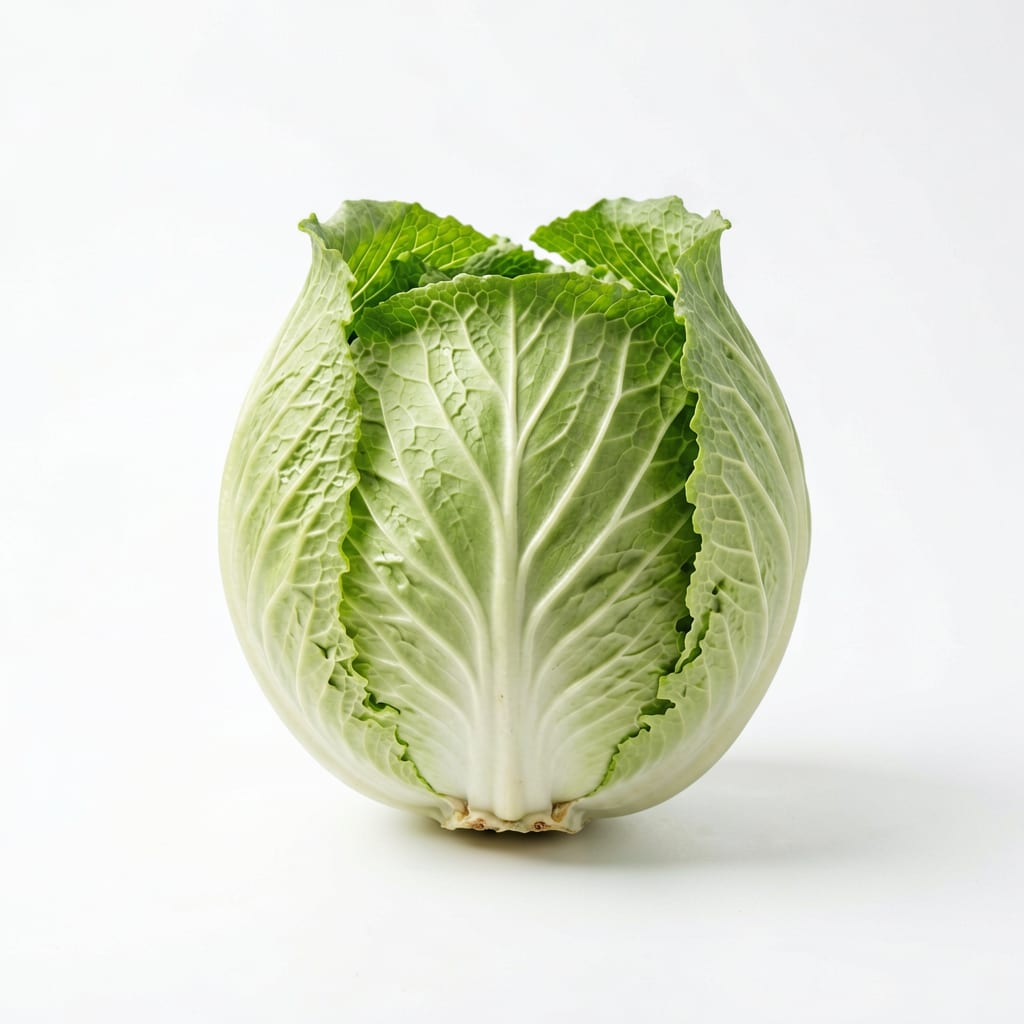
Cabbage
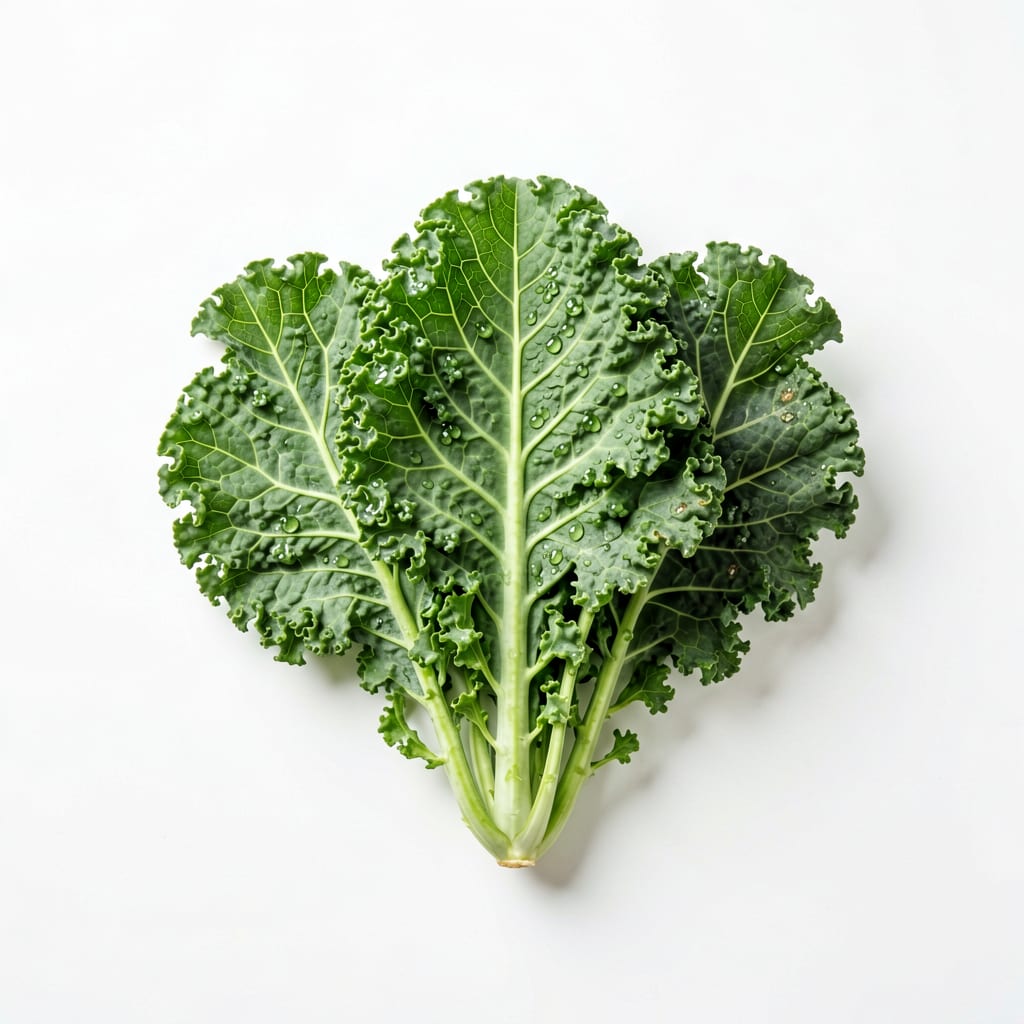
Kale
Kale packs more vitamins per bite, but Cabbage is easier to digest, cheaper, and more practical for daily meals.
Kale scores slightly higher for raw nutrient density, but Cabbage stays close due to superior practicality, digestibility, and affordability.
Peak nutrient density versus everyday versatility and gut comfort.
At a glance
Executive summary
Overall
It depends
Healthier
Kale
More practical
Cabbage
Daily use
Cabbage
Key comparison lenses
Nutrient density versus practicality
Kale is famous for its vitamin content, but Cabbage is a budget-friendly staple that is easier to incorporate daily.
Digestive tolerance and gut comfort
Raw Kale is notoriously tough to digest, while Cabbage is gentler, especially when cooked or fermented.
Budget and accessibility
Cabbage is one of the most affordable vegetables available, making healthy eating accessible on a tight budget.
Superfood hype versus everyday sustainability
Users often wonder if the premium price and tough texture of Kale are truly necessary compared to humble Cabbage.
Best choice for
Cabbage
- Budget-conscious families
- People with sensitive digestion
- Volume eaters seeking fullness
- Weekly meal preppers
Kale
- Nutrient maximizers
- Smoothie drinkers
- People needing a Vitamin K or A boost
- Those who enjoy bitter, robust greens
Least suitable for
Cabbage
- Those seeking peak vitamin density per calorie
- Raw salad enthusiasts wanting delicate, tender greens
Kale
- People prone to kidney stones due to oxalates
- Those with thyroid issues sensitive to goitrogens
- Budget-limited households
Deep comparison
Dimension by dimension
Each lens scores both foods and breaks down who each option suits.
- Dimension 1 · Priority 95Kale
Nutrient Density & Antioxidants
Cabbage · 70Kale · 95Kale is a vitamin powerhouse, significantly outpacing Cabbage in Vitamins A, C, and K.
Tradeoff
You get more vitamins with Kale, but Cabbage still provides solid nutrition at a fraction of the cost.
Why it matters
If you are eating greens primarily for micronutrients, Kale delivers more per leaf.
Real-world impact
A single serving of Kale covers your daily Vitamin K needs easily; Cabbage takes larger portions to hit the same marks.
Cabbage
- Maintaining baseline nutrition on a budget
Better for
- Correcting vitamin deficiencies quickly
Worse for
Kale
- Boosting immunity during cold season
- Supporting bone health with Vitamin K
- Getting vision-supporting Vitamin A
Better for
- Avoiding excessive Vitamin K if on blood thinners
Worse for
- Dimension 2 · Priority 90Cabbage
Digestibility & Gut Comfort
Cabbage · 85Kale · 60Cabbage is much gentler on the stomach, especially when cooked, while raw Kale can be tough and bloating.
Tradeoff
Kale's tough fiber makes it harder to break down raw, whereas Cabbage softens beautifully and is easier to digest.
Why it matters
Eating foods that cause bloating or discomfort makes healthy eating harder to sustain.
Real-world impact
A big Kale salad can leave you feeling overly full and gassy, while a cooked Cabbage side feels light and comforting.
Cabbage
- People with IBS or sensitive stomachs
- Those who prefer cooked greens
- Easing into eating more vegetables
Better for
- Raw crunch enthusiasts who find it too watery
Worse for
Kale
- Those who tolerate raw roughage well
- People seeking very slow-digesting fiber
Better for
- Prone to bloating or gas from raw greens
- Having a sensitive digestive system
Worse for
- Dimension 3 · Priority 85Cabbage
Practicality, Budget & Shelf Life
Cabbage · 95Kale · 70Cabbage is one of the cheapest, longest-lasting vegetables you can buy; Kale wilts faster and costs more.
Tradeoff
You trade peak superfood status for a vegetable that stays fresh in the fridge for weeks and costs pennies per serving.
Why it matters
The healthiest food is the one you actually buy, store, and eat consistently.
Real-world impact
A single head of Cabbage can feed a family for days without going bad, whereas Kale bags often wilt before you finish them.
Cabbage
- Weekly meal preppers
- Budget-limited grocery trips
- Minimal food waste goals
Better for
- Needing a delicate, fancy presentation
Worse for
Kale
- Quick smoothie additions using pre-washed bags
- Small-portion gourmet cooking
Better for
- Trying to stretch your grocery dollar
- Avoiding food spoilage
Worse for
- Dimension 4 · Priority 80Cabbage
Satiety & Volume Eating
Cabbage · 90Kale · 75Cabbage provides massive eating volume for very few calories, making it ideal for feeling full.
Tradeoff
Kale is denser and more caloric per cup, while Cabbage lets you eat a huge bowl for minimal caloric impact.
Why it matters
If you are trying to lose weight, physical fullness from volume eating is a game changer.
Real-world impact
A huge bowl of Cabbage soup is deeply satisfying without breaking the calorie bank; a Kale salad packs more calories due to the need for heavy dressing to soften it.
Cabbage
- Weight loss through volume eating
- Feeling physically full after meals
Better for
- Those who need calorie-dense foods to maintain weight
Worse for
Kale
- Getting more calories and nutrients in a small package
- Athletes needing nutrient density over volume
Better for
- Feeling physically stuffed on low calories
Worse for
Timeline
Health impact over time
Short-term
Hours to days
Cabbage
- Quick fullness from water and fiber
- Can cause gas if eaten raw in large amounts
- Gentle blood sugar stabilization
Kale
- Immediate boost in Vitamins A, C, K
- Can cause stomach discomfort or bloating if raw
- May require heavy dressings to make palatable raw
Long-term
Months to years
Cabbage
- Consistent, affordable fiber intake for heart health
- Supports gut health especially when fermented into sauerkraut
- Sustainable weight management due to low calorie density
Kale
- Excellent bone and eye health from high Vitamin K and A
- Potential risk of kidney stones from high oxalates
- Possible thyroid interference if consumed raw in extreme excess
Risk profile
Safety & processing
Both Cabbage and Kale are whole, natural vegetables with virtually no additive concerns unless purchased pre-washed in bags.
Cabbage
Goitrogens
mediumRaw Cabbage contains goitrogens that can interfere with thyroid function if consumed in massive amounts, but cooking neutralizes most of them.
Pesticide residue
lowConventional Cabbage is typically on the Clean Fifteen list, having very low pesticide residues.
Kale
Oxalates
mediumKale is high in oxalates, which can contribute to kidney stone formation in susceptible individuals.
Goitrogens
mediumLike Cabbage, raw Kale contains goitrogens; cooking reduces this risk significantly.
Pesticide residue
mediumKale is frequently on the Dirty Dozen list, often showing higher pesticide residues, so buying organic is recommended.
Who wins for whom
Audience fit
Same foods, different winners depending on your goal.
children
CabbageCabbage is milder, easier to chew when cooked, and less bitter, making it more kid-friendly than tough, bitter Kale.
daily consumption
CabbageCabbage is cheaper, easier to digest, and lower in oxalates, making it a more sustainable everyday staple than Kale.
diabetes
It dependsBoth are extremely low glycemic and high in fiber, making them excellent for blood sugar control.
elderly
CabbageCabbage is easier to chew and digest when cooked, and fermented versions provide excellent probiotics for aging guts.
muscle gain
It dependsNeither is a significant protein source, but Kale offers slightly more Vitamin C which aids in collagen synthesis for joint health.
weight loss
CabbageCabbage offers more volume per calorie, helping you feel full on fewer calories, and requires less calorie-dense dressing to enjoy.
Your move
Decision guide
Choose Cabbage
- You want the most food volume for the least money
- You have a sensitive stomach or struggle with bloating
- You hate food waste and want veggies that last weeks
- You are prone to kidney stones and need low-oxalate greens
Choose Kale
- You want maximum vitamin density per bite
- You blend greens into smoothies where toughness doesn't matter
- You need a massive boost in Vitamins A, C, or K
- You enjoy the robust, bitter flavor of dark leafy greens
Either works if
- You are making a hearty soup or stew where both work well
- You want low-calorie fiber to fill out a meal
Avoid both if
- You are on a strict low-fiber diet for acute digestive issues
- You have severe thyroid issues and refuse to cook your greens
Final recommendation
Let Kale be your vitamin supplement and Cabbage your daily bread. Use Kale when you need a nutrient punch in a smoothie, but rely on Cabbage for everyday, budget-friendly, gut-friendly meals.
Practical
Consumer tips
- 1
Massage raw Kale with olive oil and salt to break down the tough fibers and make it easier to digest.
- 2
Ferment Cabbage into sauerkraut or kimchi to multiply its gut-health benefits.
- 3
Buy organic Kale when possible, as it frequently tests high for pesticide residues.
- 4
Cook both vegetables to neutralize goitrogens, especially if you have thyroid concerns.
- 5
Shred Cabbage thin for slaws to make it easier to chew and digest raw.