
Nutrition comparison
Cabbage vs Bok Choy: Which Cruciferous Green is Better?
Compare Cabbage and Bok Choy to find out which is better for digestion, weight loss, and cooking. Discover the nutritional differences and health benefits of each.
Overall winner · Bok Choy
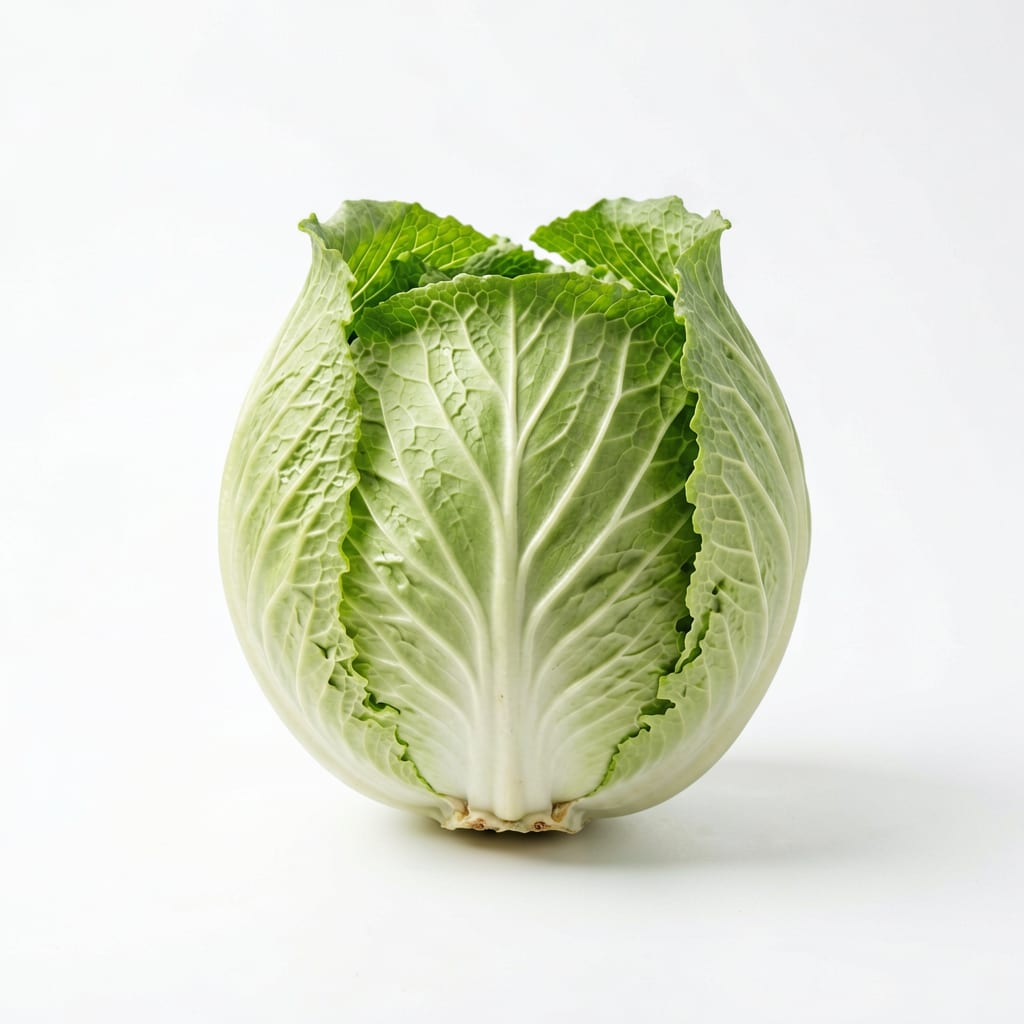
Cabbage
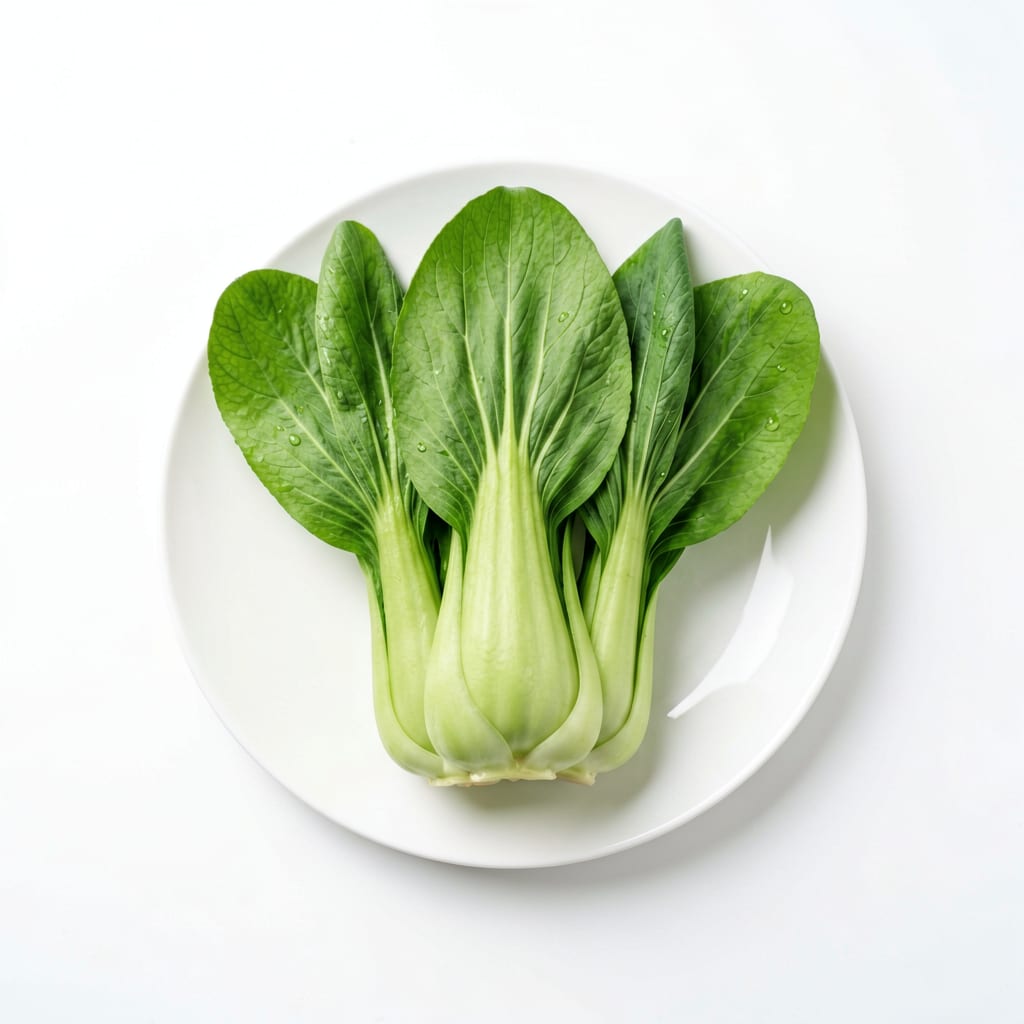
Bok Choy
Bok Choy edges out Cabbage for being easier to digest and richer in key minerals, though Cabbage remains the unbeatable budget and storage champion.
Bok Choy scores slightly higher due to its superior micronutrient density and gentler impact on digestion, making it easier to eat daily. Cabbage remains an excellent, high-fiber choice but loses points for gastrointestinal discomfort in some individuals.
You trade Cabbage's superior fiber, shelf life, and low cost for Bok Choy's gentle digestion, higher calcium, and faster cooking time.
At a glance
Executive summary
Overall
Bok Choy
Healthier
Bok Choy
More practical
Cabbage
Daily use
Bok Choy
Key comparison lenses
Digestive comfort and gas production
Cabbage is notorious for causing bloating, while Bok Choy is much gentler on the stomach
Micronutrient profile differences
Bok Choy offers far more vitamin A and calcium, while Cabbage provides more vitamin C and K
Meal prep durability and budget
Cabbage lasts weeks in the fridge and costs very little, making it a staple for budget meal prep
Culinary application and cooking speed
Bok Choy cooks in minutes and has a tender texture, whereas Cabbage requires longer cooking and holds more structure
Best choice for
Cabbage
- Budget-conscious meal preppers
- People needing long-lasting produce
- Those seeking high fiber for bowel regularity
- Fans of fermented foods like sauerkraut
Bok Choy
- People with sensitive stomachs or IBS
- Anyone needing a quick-cooking green
- Those looking to boost calcium and vitamin A
- Stir-fry and Asian cuisine enthusiasts
Least suitable for
Cabbage
- People prone to severe bloating or gas
- Those who dislike tough textures
- Quick weeknight dinners requiring fast prep
Bok Choy
- Extremely tight grocery budgets
- Long-term storage without wilting
- Recipes requiring a sturdy, crunchy base
Deep comparison
Dimension by dimension
Each lens scores both foods and breaks down who each option suits.
- Dimension 1 · Priority 90Bok Choy
Micronutrient Density
Cabbage · 70Bok Choy · 88Bok Choy delivers significantly more bone-building calcium and vision-supporting vitamin A, while Cabbage offers more immune-boosting vitamin C.
Tradeoff
Choosing Cabbage means missing out on the exceptional calcium content of Bok Choy, which is rare in leafy greens.
Why it matters
Calcium and vitamin A are common dietary gaps, and Bok Choy provides them in a low-calorie package.
Real-world impact
Eating Bok Choy regularly supports bone density and eye health without needing dairy supplements.
Cabbage
- Boosting vitamin C intake for immune support
Better for
- Relies on lower calcium content
Worse for
Bok Choy
- Supporting bone health with plant-based calcium
- Increasing vitamin A for skin and vision
Better for
- Provides less vitamin C per serving
Worse for
- Dimension 2 · Priority 88Bok Choy
Digestive Comfort
Cabbage · 45Bok Choy · 90Bok Choy is soft and easy on the gut, while Cabbage contains complex sugars that famously cause gas and bloating.
Tradeoff
Cabbage provides more fiber for bulk, but the digestive discomfort can outweigh the benefits for sensitive individuals.
Why it matters
Chronic bloating makes meals uncomfortable and can discourage eating healthy vegetables altogether.
Real-world impact
You can eat a large portion of Bok Choy without feeling like you swallowed a balloon, unlike heavy Cabbage meals.
Cabbage
- Providing roughage to speed up sluggish digestion
Better for
- High likelihood of causing flatulence and stomach cramps
Worse for
Bok Choy
- Preventing post-meal bloating and gas
- Soothing sensitive stomachs
Better for
- Less insoluble fiber for sweeping the colon
Worse for
- Dimension 3 · Priority 75Cabbage
Satiety and Fiber
Cabbage · 85Bok Choy · 65Cabbage is denser and higher in fiber, making it more physically filling and better for blood sugar regulation.
Tradeoff
You feel fuller after eating Cabbage, but the bulk can sit heavily in the stomach compared to the light Bok Choy.
Why it matters
Fiber is essential for keeping hunger at bay and preventing energy crashes between meals.
Real-world impact
A Cabbage-heavy salad will keep you full for hours, whereas Bok Choy might leave you looking for a snack sooner.
Cabbage
- Keeping you full longer between meals
- Stabilizing blood sugar spikes
Better for
- Can feel too heavy if eaten in large quantities
Worse for
Bok Choy
- Eating a large volume without feeling overly stuffed
Better for
- Less effective at curbing appetite long-term
Worse for
- Dimension 4 · Priority 80Cabbage
Culinary Versatility and Storage
Cabbage · 92Bok Choy · 68Cabbage is practically indestructible, lasting weeks in the fridge and fitting into endless recipes, while Bok Choy wilts quickly and is best for specific dishes.
Tradeoff
Cabbage requires longer cooking times to become tender, whereas Bok Choy is ready in minutes but spoils fast.
Why it matters
Food that goes bad before you cook it is a waste of money, making shelf life a major practical factor.
Real-world impact
You can buy Cabbage on Sunday and it will still be crisp on Friday, but Bok Choy needs to be eaten within a few days.
Cabbage
- Weekly meal prep and batch cooking
- Raw salads, slaws, and fermented dishes
Better for
- Requires longer cooking to soften tough leaves
Worse for
Bok Choy
- Last-minute stir-fries and quick soups
Better for
- Wilts and spoils quickly in the fridge
- Limited to mostly Asian-style recipes
Worse for
Timeline
Health impact over time
Short-term
Hours to days
Cabbage
- Can cause noticeable gas and abdominal bloating
- Provides immediate fullness due to high fiber bulk
Bok Choy
- Very gentle on the digestive tract
- Light feeling after eating, easy to digest
Long-term
Months to years
Cabbage
- Excellent for preventing constipation and promoting regularity
- High glucosinolates support long-term cellular health
Bok Choy
- Supports bone density and prevents osteoporosis via high calcium
- Vitamin A accumulation supports long-term vision and immune health
Risk profile
Safety & processing
Both Cabbage and Bok Choy are whole, natural vegetables typically sold fresh without any additives or processing.
Cabbage
Goitrogenic compounds
lowRaw Cabbage contains goitrogens that can interfere with thyroid function if eaten in massive amounts, but cooking neutralizes this risk.
Bok Choy
Pesticide residue
mediumBok Choy frequently appears on the EWG's Dirty Dozen list for leafy greens, making thorough washing or buying organic important.
Who wins for whom
Audience fit
Same foods, different winners depending on your goal.
children
Bok ChoyBok Choy has a milder flavor and softer texture, making it far easier to sneak into meals for picky eaters.
daily consumption
Bok ChoyBok Choy is gentler on the stomach day after day, whereas daily Cabbage can lead to chronic bloating for many people.
diabetes
CabbageCabbage has a higher fiber density which slows down glucose absorption and provides steadier blood sugar control.
elderly
Bok ChoyThe high calcium in Bok Choy helps prevent age-related bone loss, and its soft texture is easier to chew and digest.
muscle gain
It dependsNeither is a significant protein source, though both offer micronutrients that support recovery. Cabbage offers more vitamin C for tissue repair.
weight loss
Bok ChoyBok Choy is extremely low in calories and easy to eat in large volumes without digestive distress, making it a painless way to fill up.
Your move
Decision guide
Choose Cabbage
- You are meal prepping for the week and need produce that won't spoil
- You have a tight grocery budget and need maximum volume for your money
- You want to make fermented foods like sauerkraut or kimchi
- You struggle with constipation and need high insoluble fiber
Choose Bok Choy
- You have a sensitive stomach or are prone to bloating
- You need a fast-cooking vegetable for a weeknight stir-fry
- You want to boost your calcium intake without dairy
- You are looking for a tender green with a mild, sweet flavor
Either works if
- You want to increase your daily intake of cruciferous vegetables
- You are looking for low-calorie volume to fill out a plate
Avoid both if
- You have a severe thyroid condition and eat large amounts of raw cruciferous vegetables daily
Final recommendation
Keep both in your rotation: use Cabbage for sturdy slaws, meal prep, and fermented sides, and rely on Bok Choy for quick, gentle stir-fries and a calcium boost. If digestion is your main concern, Bok Choy is your daily driver.
Practical
Consumer tips
- 1
Cooking both vegetables significantly reduces their goitrogenic compounds, making them safer for thyroid health
- 2
If Cabbage gives you gas, try fermenting it into sauerkraut first; the fermentation pre-digests the troublesome sugars
- 3
Buy organic Bok Choy when possible, as conventional leafy greens often carry higher pesticide residues
- 4
Store Cabbage whole and uncut in the crisper drawer to maximize its already impressive shelf life
- 5
Use the thick white stems of Bok Choy separately from the leaves—they need an extra minute or two in the pan