
Nutrition comparison
Cabbage vs Zucchini: Nutrition, Digestion, and Best Uses
Compare Cabbage and Zucchini to find out which is better for weight loss, digestion, and daily nutrition. Discover the pros and cons of each vegetable.
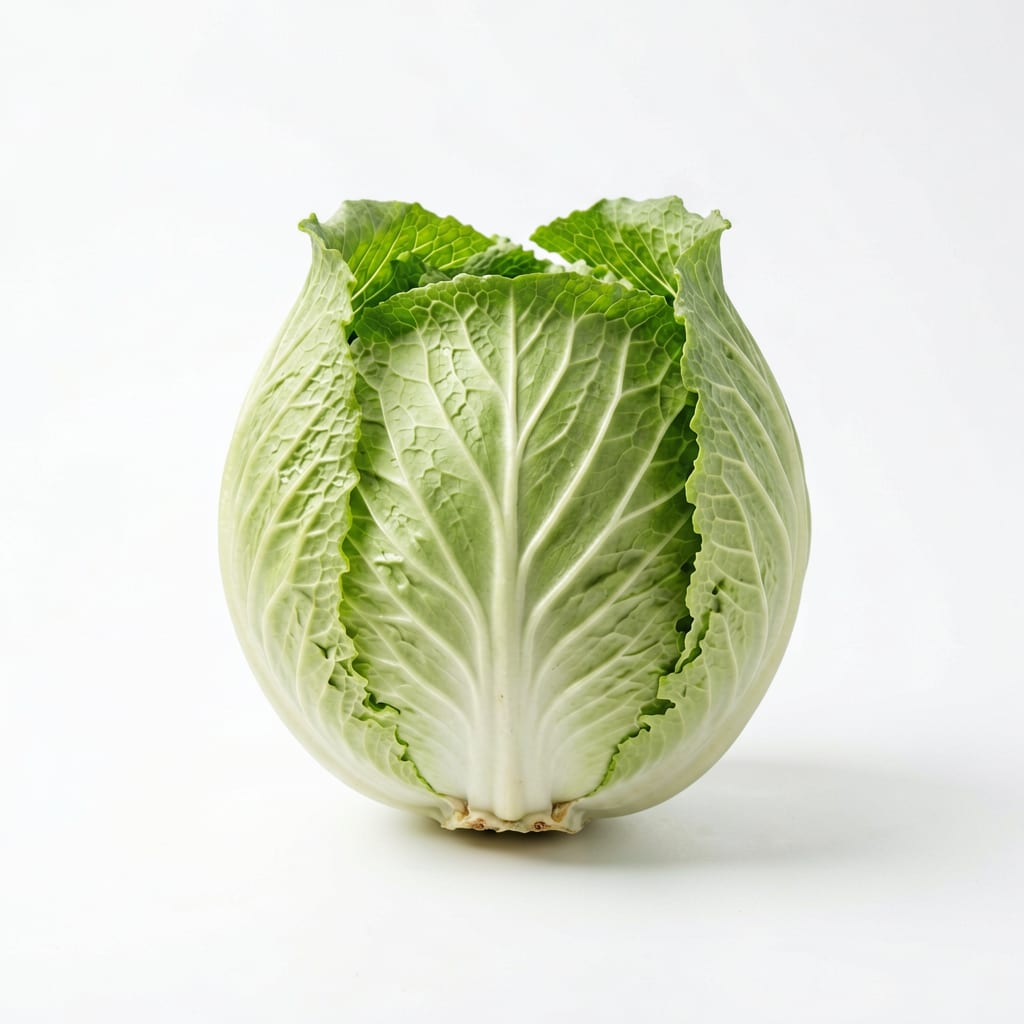
Cabbage
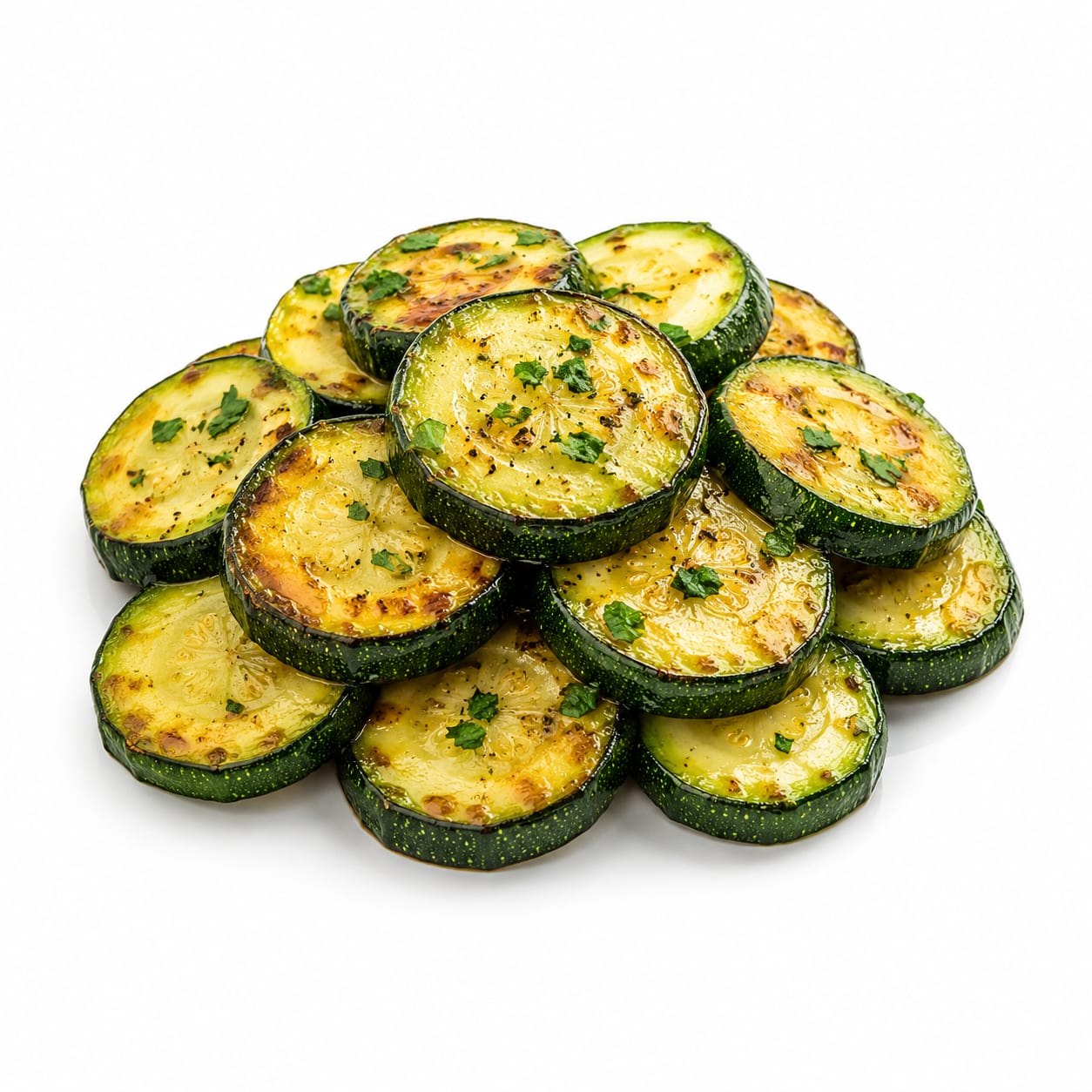
Zucchini
Cabbage delivers more vitamins and fiber per bite, but Zucchini is far gentler on digestion and more versatile in low-carb cooking.
Cabbage scores slightly higher for its superior nutrient density and satiety benefits, but Zucchini stays close due to its unmatched digestive tolerance and culinary convenience.
Nutritional punch and satiety (Cabbage) versus digestive ease and culinary flexibility (Zucchini).
At a glance
Executive summary
Overall
It depends
Healthier
Cabbage
More practical
Zucchini
Daily use
Zucchini
Key comparison lenses
Low-calorie vegetable selection for weight management
Both are popular diet foods, but they serve different roles in a weight loss plan.
Digestive comfort and IBS considerations
Cabbage is a known FODMAP trigger, while Zucchini is generally well-tolerated and gut-friendly.
Nutrient density comparison
Users often want to know which vegetable gives them more vitamins for their calorie budget.
Best choice for
Cabbage
- Maximizing vitamin K and vitamin C intake
- Adding bulk and fiber to meals for fullness
- Supporting gut health through fermented preparations like sauerkraut
Zucchini
- Managing digestive sensitivities or IBS
- Replacing high-carb noodles or rice in meals
- Getting a quick-cooking, mild-flavored side dish
Least suitable for
Cabbage
- People with severe IBS or FODMAP sensitivities
- Those with thyroid concerns consuming large amounts raw
- Anyone needing a quick-cooking, low-prep vegetable
Zucchini
- Those looking for high vitamin K or iron intake
- People wanting a filling, high-fiber standalone side
- Anyone seeking strong, distinct vegetable flavors
Deep comparison
Dimension by dimension
Each lens scores both foods and breaks down who each option suits.
- Dimension 1 · Priority 90Cabbage
Nutrient Density & Vitamins
Cabbage · 88Zucchini · 65Cabbage is a nutritional powerhouse compared to Zucchini, offering significantly more vitamin C, vitamin K, and folate.
Tradeoff
You get far more immune-boosting and bone-supporting vitamins with Cabbage, but Zucchini provides more potassium and vitamin A.
Why it matters
Vitamin K is crucial for bone health and blood clotting, and vitamin C supports immunity and skin. Cabbage makes it easier to hit daily targets.
Real-world impact
Eating Cabbage regularly can noticeably improve your vitamin K intake, whereas Zucchini acts more as a hydrating filler.
Cabbage
- Boosting immune function with vitamin C
- Supporting bone density with vitamin K
Better for
- Relying on it for potassium intake
Worse for
Zucchini
- Increasing potassium for blood pressure regulation
- Getting more vision-supporting vitamin A
Better for
- Meeting daily vitamin K needs efficiently
Worse for
- Dimension 2 · Priority 85Zucchini
Digestive Tolerance & Gut Comfort
Cabbage · 55Zucchini · 92Zucchini is incredibly gentle on the digestive system, while Cabbage is a common trigger for bloating and gas.
Tradeoff
Cabbage provides fermentable fiber that feeds gut bacteria, but it can cause severe discomfort for sensitive individuals. Zucchini offers soft, easy-to-digest fiber without the bloating.
Why it matters
Chronic bloating can ruin the experience of healthy eating. If your stomach is sensitive, the wrong vegetable can set you back.
Real-world impact
Zucchini is a safe bet for a light, comfortable dinner. Cabbage might leave you feeling puffy and reaching for stretchy pants if you overdo it.
Cabbage
- Feeding beneficial gut bacteria when well-tolerated
- Promoting regular bowel movements through roughage
Better for
- Avoiding gas and abdominal discomfort
Worse for
Zucchini
- Eating a large volume without bloating
- Navigating IBS or low-FODMAP diets safely
Better for
- Providing prebiotic fermentation for gut flora
Worse for
- Dimension 3 · Priority 80Cabbage
Satiety & Fiber Content
Cabbage · 82Zucchini · 68Cabbage has nearly double the fiber of Zucchini, making it much more filling per serving.
Tradeoff
Cabbage keeps you fuller for longer due to its dense fiber structure, but Zucchini's high water content makes it a lighter, less filling option.
Why it matters
Fiber is key for controlling hunger and stabilizing blood sugar. A more fibrous vegetable helps prevent snacking between meals.
Real-world impact
A Cabbage-heavy salad will keep you satisfied for hours. A Zucchini-based dish might leave you looking for a snack sooner.
Cabbage
- Staying full between meals
- Stabilizing blood sugar after eating
Better for
- Eating a heavy meal close to bedtime
Worse for
Zucchini
- Eating a light meal before a workout
- Keeping meals feeling fresh and hydrating
Better for
- Controlling hunger on a calorie deficit
Worse for
- Dimension 4 · Priority 75Zucchini
Culinary Versatility & Convenience
Cabbage · 70Zucchini · 88Zucchini adapts seamlessly to low-carb recipes and cooks in minutes, while Cabbage requires more prep and specific cooking methods.
Tradeoff
Zucchini can become noodles, bake into breads, or sauté in 5 minutes. Cabbage shines in slaws and stews but takes longer to cook down and has a stronger flavor.
Why it matters
Convenience dictates what you actually cook. A vegetable that is easy to prep and mild in flavor gets used more often.
Real-world impact
Zucchini noodles make giving up pasta painless. Cabbage requires more effort to make palatable for picky eaters.
Cabbage
- Making fermented foods like kimchi or sauerkraut
- Creating hearty, warming stews and soups
Better for
- Whipping up a 10-minute meal
Worse for
Zucchini
- Making quick weeknight stir-fries
- Crafting low-carb pasta substitutes
Better for
- Adding a robust, crunchy texture to raw salads
Worse for
Timeline
Health impact over time
Short-term
Hours to days
Cabbage
- Can cause noticeable bloating and gas due to raffinose and high fiber
- Provides a quick hit of vitamin C, especially when eaten raw
Zucchini
- Highly hydrating due to over 90% water content
- Very easy on the stomach, rarely causing digestive distress
Long-term
Months to years
Cabbage
- Supports bone health and blood clotting through high vitamin K intake
- May reduce certain cancer risks due to glucosinolates if consumed regularly
Zucchini
- Supports healthy blood pressure levels thanks to potassium content
- Helps maintain hydration and skin health with consistent water and vitamin A intake
Risk profile
Safety & processing
Both Cabbage and Zucchini are whole, natural vegetables with minimal processing and no artificial additives when purchased fresh.
Cabbage
Goitrogen exposure
mediumRaw Cabbage contains goitrogens that can interfere with thyroid function if consumed in massive amounts; cooking significantly reduces this risk.
Pesticide residue
mediumConventional Cabbage can retain pesticides on its outer leaves, though peeling the outer layers greatly reduces exposure.
Zucchini
Toxic squash syndrome
lowRarely, Zucchini can contain high levels of cucurbitacins, causing a bitter taste and potential stomach upset; always avoid eating extremely bitter Zucchini.
Pesticide residue
lowZucchini typically has lower pesticide concerns, though washing is still recommended.
Who wins for whom
Audience fit
Same foods, different winners depending on your goal.
children
ZucchiniZucchini has a milder, slightly sweet flavor and softer texture that kids usually accept better than the strong taste of Cabbage.
daily consumption
ZucchiniBecause Zucchini is so gentle on the stomach, it is easier to eat every single day without discomfort.
diabetes
CabbageCabbage's higher fiber content slows sugar absorption more effectively, leading to steadier blood sugar levels.
elderly
ZucchiniZucchini is easier to chew and digest, making it a safer and more comfortable choice for aging digestive systems.
muscle gain
It dependsNeither is a significant protein source, but Cabbage offers slightly more vitamin C which aids in exercise recovery.
weight loss
ZucchiniZucchini's incredibly low calorie count and ability to replace high-carb staples like pasta make it a weight loss favorite.
Your move
Decision guide
Choose Cabbage
- You want to maximize your vitamin K and C intake
- You need a high-fiber food to keep you full longer
- You enjoy fermented foods or hearty winter dishes
Choose Zucchini
- You have a sensitive stomach or IBS
- You want a low-carb substitute for pasta or noodles
- You need a quick-cooking vegetable for busy weeknights
Either works if
- You simply want to add more low-calorie volume to your meals
- You are looking to increase your daily vegetable variety
Avoid both if
- You are specifically looking for high-protein plant foods
Final recommendation
Keep both in your kitchen, but lean toward Zucchini for everyday comfort and low-carb cooking, and Cabbage for nutrient-dense, filling meals when your digestion feels up to it.
Practical
Consumer tips
- 1
Remove the outer leaves of Cabbage to lower pesticide exposure before cooking.
- 2
If Cabbage gives you gas, try cooking it with caraway seeds or fermenting it, which can ease digestion.
- 3
Always taste a small piece of raw Zucchini before cooking; if it is unusually bitter, throw it out to avoid cucurbitacin toxicity.
- 4
Use a spiralizer on Zucchini for a 5-minute low-carb pasta alternative.