
Nutrition comparison
Cabbage vs Lettuce: Which Is Actually Better for You?
Cabbage delivers far more nutrients, fiber, and disease-fighting compounds than lettuce. See the full comparison of health benefits, digestion, shelf life, and which to choose for your goals.
Overall winner · Cabbage
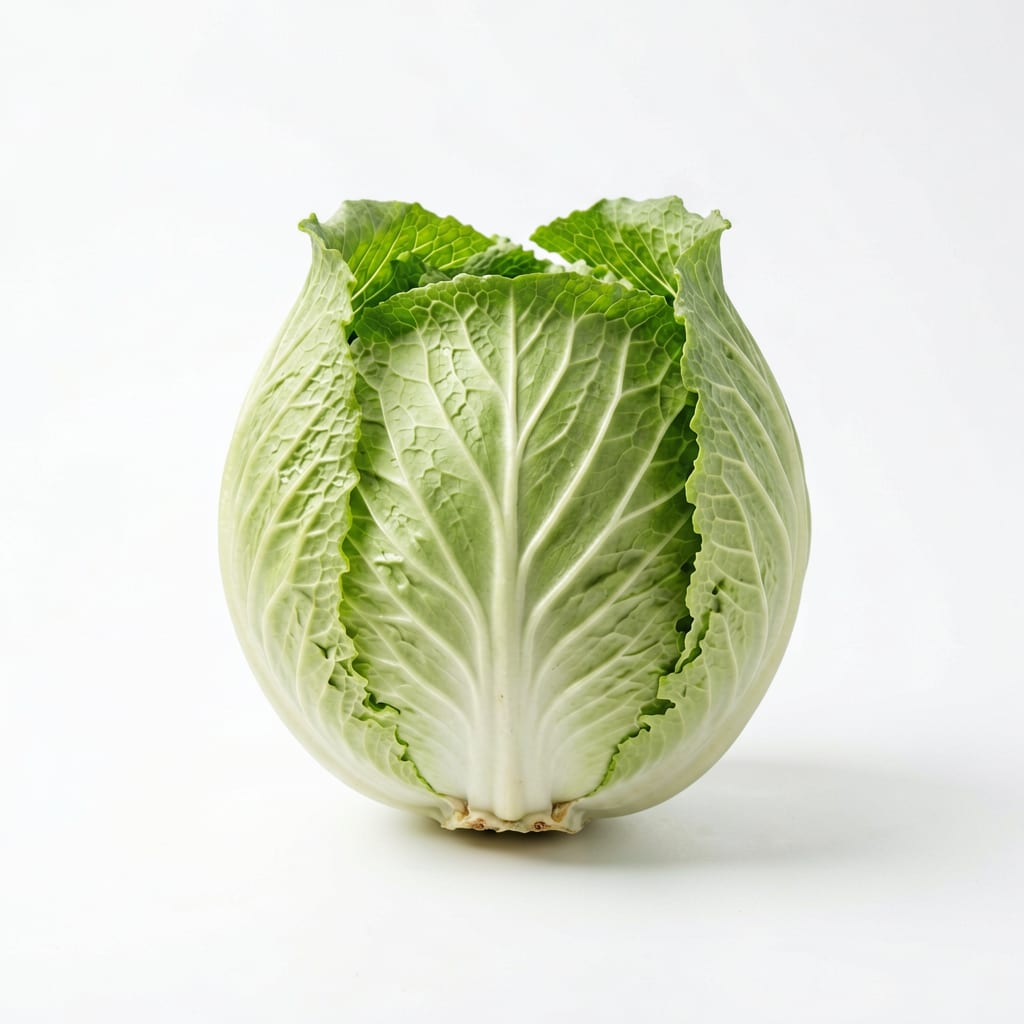
Cabbage
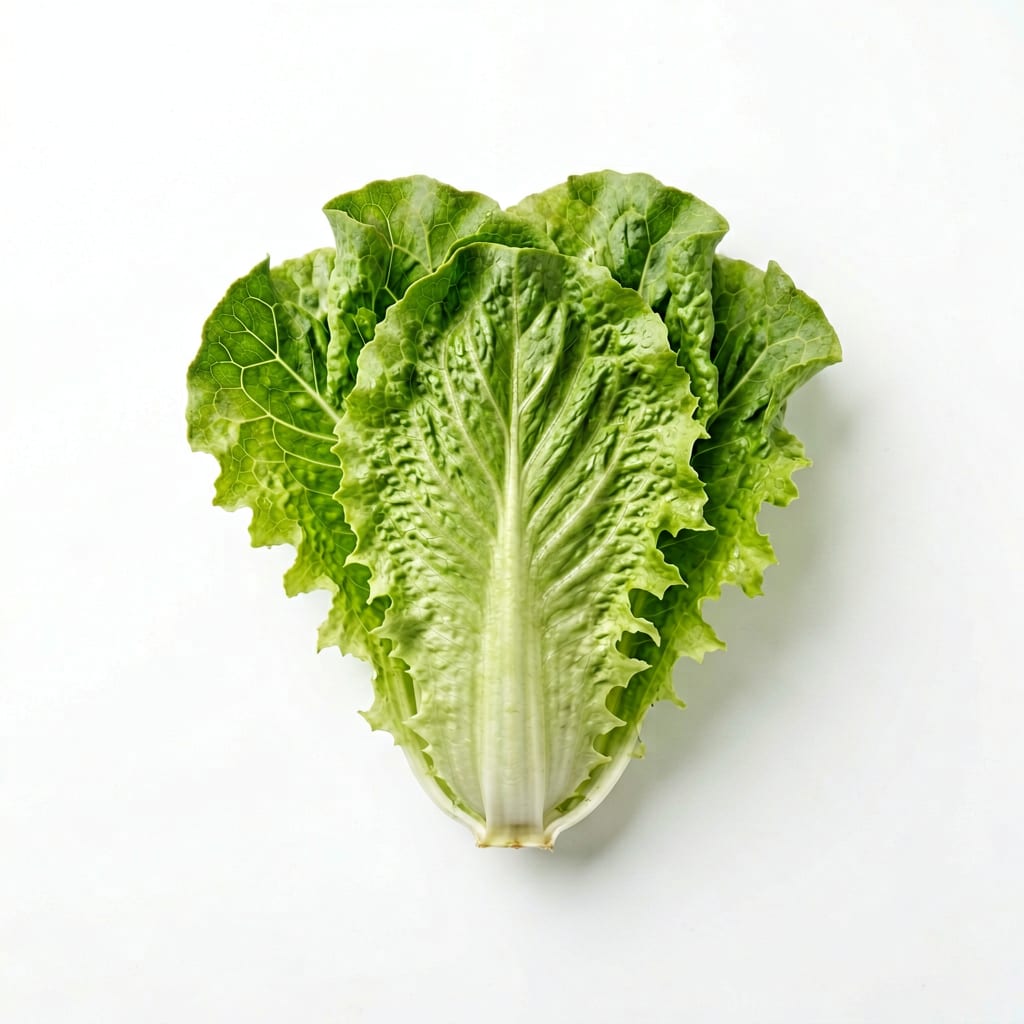
Lettuce
Cabbage is the nutritional powerhouse of the two, offering far more vitamins, fiber, and disease-fighting compounds per bite. Lettuce wins on gentleness and convenience for light, refreshing meals.
Cabbage scores substantially higher due to its superior nutrient density, fiber content, antioxidant compounds, and shelf stability. Lettuce remains useful but offers minimal nutrition beyond hydration and bulk.
You gain significantly more nutrients and fullness from cabbage but sacrifice the soft, easy-to-eat texture and mild flavor that makes lettuce a salad staple.
At a glance
Executive summary
Overall
Cabbage
Healthier
Cabbage
More practical
Lettuce
Daily use
Cabbage
Key comparison lenses
nutrient density comparison
Cabbage and lettuce are often used interchangeably in salads but differ dramatically in vitamin and mineral content per calorie
satiety and meal satisfaction
Fiber density directly affects how full you feel, and cabbage delivers significantly more bulk and staying power
digestive comfort and tolerance
Cabbage can cause bloating in sensitive people while lettuce is gentler on the stomach
gut health and fermentation potential
Cabbage uniquely supports gut health through fermentation into sauerkraut or kimchi, something lettuce cannot do
everyday practicality and shelf life
Cabbage lasts weeks in the fridge while lettuce wilts within days, affecting food waste and meal planning
Best choice for
Cabbage
- People wanting maximum nutrition per calorie
- Anyone trying to stay full longer on fewer calories
- Gut health enthusiasts who ferment vegetables
- Meal preppers who need produce that lasts weeks
- Budget-conscious shoppers getting more for their money
Lettuce
- People with sensitive digestion who need gentle fiber
- Anyone wanting a light, hydrating base for meals
- Those who find cabbage too strong or bitter
- Quick meal builders who want zero-cook convenience
- People recovering from stomach illness needing mild foods
Least suitable for
Cabbage
- People with IBS or severe cabbage intolerance
- Those who struggle with bitter flavors
- Anyone wanting a delicate, light salad base
- People on low-FODMAP diets during elimination phase
Lettuce
- Anyone relying on it as a primary vegetable for nutrients
- People who need filling meals to avoid overeating
- Those wanting anti-inflammatory or antioxidant benefits
- Meal preppers who hate food waste from wilted greens
Deep comparison
Dimension by dimension
Each lens scores both foods and breaks down who each option suits.
- Dimension 1 · Priority 95Cabbage
nutrient_density
Cabbage · 88Lettuce · 35Cabbage delivers dramatically more vitamin C, vitamin K, folate, and manganese per serving. Lettuce provides mostly water with trace nutrients.
Tradeoff
Cabbage requires more chewing and has a stronger flavor, but the nutritional payoff is substantial compared to lettuce's mild convenience.
Why it matters
If you eat vegetables primarily for health benefits, cabbage gives you far more return per bite. Relying on lettuce as your main green can leave nutritional gaps.
Real-world impact
A single cup of raw cabbage provides over half your daily vitamin K and a third of vitamin C. The same cup of iceberg lettuce gives you roughly 5% of each.
Cabbage
- Meeting daily vitamin needs from food
- Getting more from every meal without supplements
- Building nutrient-dense meals on a budget
Better for
- Quick snacking when you want something mild
Worse for
Lettuce
- Staying hydrated in hot weather
- Adding volume without any overwhelming taste
Better for
- Preventing nutrient deficiencies over time
- Getting meaningful vitamins from your salad base
Worse for
- Dimension 2 · Priority 88Cabbage
satiety_and_fullness
Cabbage · 82Lettuce · 40Cabbage has nearly triple the fiber of lettuce, making it far more filling and satisfying. Lettuce barely moves the needle on hunger.
Tradeoff
Cabbage's filling nature means smaller portions satisfy, but it can feel heavy. Lettuce lets you eat large volumes but leaves you hungry again quickly.
Why it matters
If you eat salads to lose weight or control appetite, cabbage-based meals keep you satisfied far longer than lettuce-based ones.
Real-world impact
A cabbage-heavy salad at lunch can keep you full until dinner. A lettuce salad often leads to a 3pm snack craving.
Cabbage
- Weight management through natural portion control
- Long workdays without hunger distractions
- Replacing higher-calorie fillers in meals
Better for
- Right before intense exercise when you want light digestion
Worse for
Lettuce
- Post-surgery or recovery when you need light eating
- Hot days when heavy food sounds unappealing
Better for
- Anyone prone to overeating between meals
- Controlling late-night hunger after a light dinner
Worse for
- Dimension 3 · Priority 82Lettuce
digestive_tolerance
Cabbage · 45Lettuce · 85Lettuce is gentle and easy on most digestive systems. Cabbage contains fermentable carbohydrates that can cause gas and bloating, especially raw.
Tradeoff
Cabbage offers more gut-health benefits long-term but can cause short-term discomfort. Lettuce is comfortable immediately but offers less digestive nourishment.
Why it matters
For people with IBS, SIBO, or sensitive stomachs, raw cabbage can trigger uncomfortable symptoms. Lettuce rarely causes these issues.
Real-world impact
Eating a large raw cabbage salad before a date or meeting could mean bloating and gas. Lettuce is the safer social choice.
Cabbage
- Long-term gut microbiome support when tolerated
- Fermented forms like sauerkraut that actually aid digestion
Better for
- Low-FODMAP diet followers
- People prone to bloating after cruciferous vegetables
Worse for
Lettuce
- Sensitive stomachs and IBS flare-ups
- Eating before social situations
- Recovery from stomach bugs
Better for
- Anyone wanting to improve gut bacteria diversity
Worse for
- Dimension 4 · Priority 80Cabbage
antioxidant_and_disease_fighting_power
Cabbage · 90Lettuce · 25Cabbage contains glucosinolates, anthocyanins (especially red cabbage), and other compounds linked to cancer prevention. Lettuce has minimal antioxidant activity.
Tradeoff
Cabbage's bitter compounds are exactly what make it protective against disease. Lettuce's mildness means fewer defensive plant chemicals.
Why it matters
The same sulfur compounds that make cabbage smell when cooked are associated with reduced cancer risk. This is a case where stronger flavor signals stronger protection.
Real-world impact
Regular cabbage consumption is linked to lower rates of certain cancers, especially colorectal. Lettuce has no comparable evidence base.
Cabbage
- Family history of cancer wanting preventive foods
- Reducing inflammation through daily food choices
- Getting protective phytonutrients without supplements
Better for
- People who cannot tolerate the taste no matter the benefit
Worse for
Lettuce
- Minimal concern here since lettuce offers little in this area
Better for
- Anyone relying on salad as their primary disease-fighting food
Worse for
- Dimension 5 · Priority 75Cabbage
versatility_and_cooking_potential
Cabbage · 92Lettuce · 38Cabbage works raw, sautéed, roasted, braised, fermented, and in soups. Lettuce is essentially limited to raw salads and occasional wraps.
Tradeoff
Cabbage's toughness requires cooking knowledge for best results. Lettuce needs zero preparation but offers zero cooking potential.
Why it matters
More cooking options mean more ways to eat vegetables without getting bored. Cabbage can be a different vegetable every night of the week.
Real-world impact
Cabbage can become coleslaw, stir-fry, soup, sauerkraut, or roasted wedges. Lettuce is always just lettuce.
Cabbage
- Home cooks wanting one ingredient with many uses
- Reducing food waste through flexible cooking methods
- Meal preppers who batch-cook vegetables
Better for
- People who never cook and only eat raw
Worse for
Lettuce
- No-cook meal assembly
- Wraps and sandwich layers
Better for
- Anyone wanting variety in vegetable preparation
Worse for
- Dimension 6 · Priority 72Cabbage
shelf_life_and_food_waste
Cabbage · 90Lettuce · 35A head of cabbage can last 3-4 weeks refrigerated. Lettuce often wilts or browns within 3-5 days.
Tradeoff
Cabbage's durability means less food waste and fewer grocery trips. Lettuce demands prompt consumption or it becomes compost.
Why it matters
Food waste is expensive and demoralizing. Buying lettuce and watching it rot before you finish it is one of the most common kitchen frustrations.
Real-world impact
A cabbage bought on Sunday is still good the following weekend. Lettuce bought Monday may be slimy by Thursday.
Cabbage
- Weekly grocery shoppers who buy in bulk
- Busy people who cannot shop multiple times per week
- Budget-conscious households minimizing waste
Better for
- Minimal downside here
Worse for
Lettuce
- Those who shop daily and eat immediately
- People who enjoy very fresh produce
Better for
- Anyone who has thrown away wilted lettuce more than once
Worse for
Timeline
Health impact over time
Short-term
Hours to days
Cabbage
- Noticeable fullness after meals due to high fiber content
- Possible gas and bloating, especially with large raw portions
- Steadier blood sugar after eating compared to lettuce
Lettuce
- Light hydration and refreshing crunch without digestive strain
- Rapid return of hunger since fiber is minimal
- Almost no blood sugar impact, which is neutral rather than beneficial
Long-term
Months to years
Cabbage
- Improved gut microbiome diversity from fiber and fermentation potential
- Lower inflammation markers from glucosinolate compounds
- Better vitamin K status supporting bone and cardiovascular health
- Potential reduction in colorectal cancer risk with regular consumption
Lettuce
- Minimal long-term health impact beyond basic hydration
- Possible nutrient shortfalls if used as primary vegetable
- Very low risk of any negative effects due to benign nutritional profile
Risk profile
Safety & processing
Both cabbage and lettuce are whole, unprocessed vegetables typically sold without additives. Pre-cut or bagged versions of either may include preservatives or chlorine washes, so whole heads are the cleanest option.
Cabbage
Pesticide residue on outer leaves
mediumCabbage retains pesticides on outer leaves, but removing the outer layers eliminates most exposure. Conventionally grown cabbage is actually on the Clean Fifteen list because the discarded leaves protect the interior.
Foodborne illness from raw cabbage
lowTightly wrapped heads are less susceptible to contamination than leafy greens, but shredded cabbage in coleslaw has been linked to occasional outbreaks.
Lettuce
E. coli and Salmonella contamination
highLettuce is one of the most frequently recalled vegetables for foodborne illness. Its open leaf structure and irrigation methods create multiple contamination pathways.
Pesticide residue on leaf surfaces
mediumLettuce leaves are fully exposed to sprays and cannot be peeled. Washing helps but does not remove all residue. Romaine often appears on the Dirty Dozen list.
Who wins for whom
Audience fit
Same foods, different winners depending on your goal.
children
LettuceLettuce's mild taste and soft texture are easier for kids to accept. Cabbage's bitterness and chewiness make it a harder sell with picky eaters.
daily consumption
CabbageCabbage's superior nutrient profile, shelf stability, and cooking versatility make it more sustainable as a daily vegetable. Fermented cabbage adds probiotic benefits lettuce cannot match.
diabetes
CabbageCabbage's higher fiber content slows glucose absorption and provides steadier blood sugar response. Lettuce has minimal fiber to offer this benefit.
elderly
It dependsLettuce is gentler on aging digestive systems, but cabbage provides crucial vitamin K for bone health and fiber for regularity. Cooked cabbage bridges both needs.
muscle gain
It dependsNeither vegetable provides meaningful protein. Both serve as low-calorie meal accompaniments, but cabbage offers slightly more vitamin C which supports collagen and recovery.
weight loss
CabbageCabbage provides more fiber and volume per calorie, keeping you full longer and reducing the urge to snack between meals.
Your move
Decision guide
Choose Cabbage
- You want maximum nutrition from every meal
- Digestive bloating is not a regular problem for you
- You enjoy cooking and want a versatile ingredient
- You hate throwing away wilted greens
- You are building meals around satiety and weight management
- You want to try fermenting your own sauerkraut or kimchi
Choose Lettuce
- You have a sensitive stomach or are on a low-FODMAP diet
- You want a light, refreshing base that disappears into meals
- Raw cabbage flavor or texture bothers you
- You eat salads daily and want something delicate
- You are recovering from illness and need gentle foods
- You prioritize quick, no-cook meal assembly
Either works if
- You want raw vegetable crunch in a dish
- You are building a mixed salad and can use both
- You are trying to eat more vegetables in general
Avoid both if
- You need substantial protein or calories from your vegetables
- You are looking for a significant source of iron or B12
- You have a severe oral allergy syndrome triggered by cruciferous or leafy greens
Final recommendation
Keep both in your kitchen but lean on cabbage as your nutritional workhorse. Use lettuce for light, refreshing meals and cabbage for everything else. If budget or fridge space forces a choice, cabbage gives you more nutrients, more meals, more shelf life, and less waste for your money.
Practical
Consumer tips
- 1
Remove and discard the outermost leaves of cabbage to reduce pesticide exposure and any surface contamination
- 2
Massage raw shredded cabbage with salt and let it sit for 10 minutes to soften texture and improve digestibility
- 3
Buy whole heads of lettuce rather than pre-washed bags to reduce foodborne illness risk and save money
- 4
Red cabbage offers significantly more antioxidants than green cabbage due to anthocyanin content
- 5
If raw cabbage causes bloating, try cooking it lightly or fermenting it, which breaks down the gas-causing compounds
- 6
Store lettuce with a paper towel in a sealed container to absorb moisture and extend freshness by a few days
- 7
A half head of cabbage can last over two weeks refrigerated, making it ideal for small households that shop weekly