
Nutrition comparison
Cabbage vs Green Beans: Nutrition, Digestion, and Health Benefits Compared
Compare cabbage and green beans to see which is better for weight loss, digestion, and daily eating. Learn the tradeoffs between these two healthy vegetables.
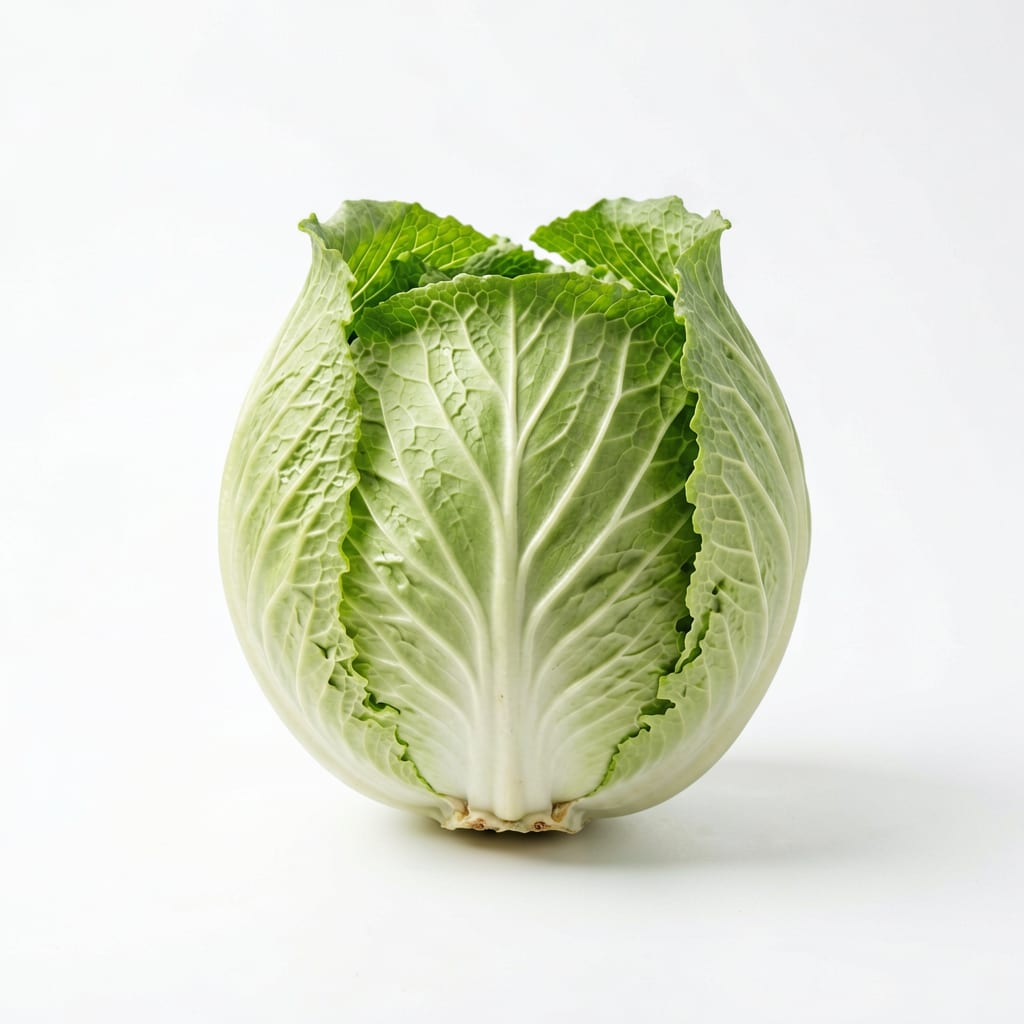
Cabbage
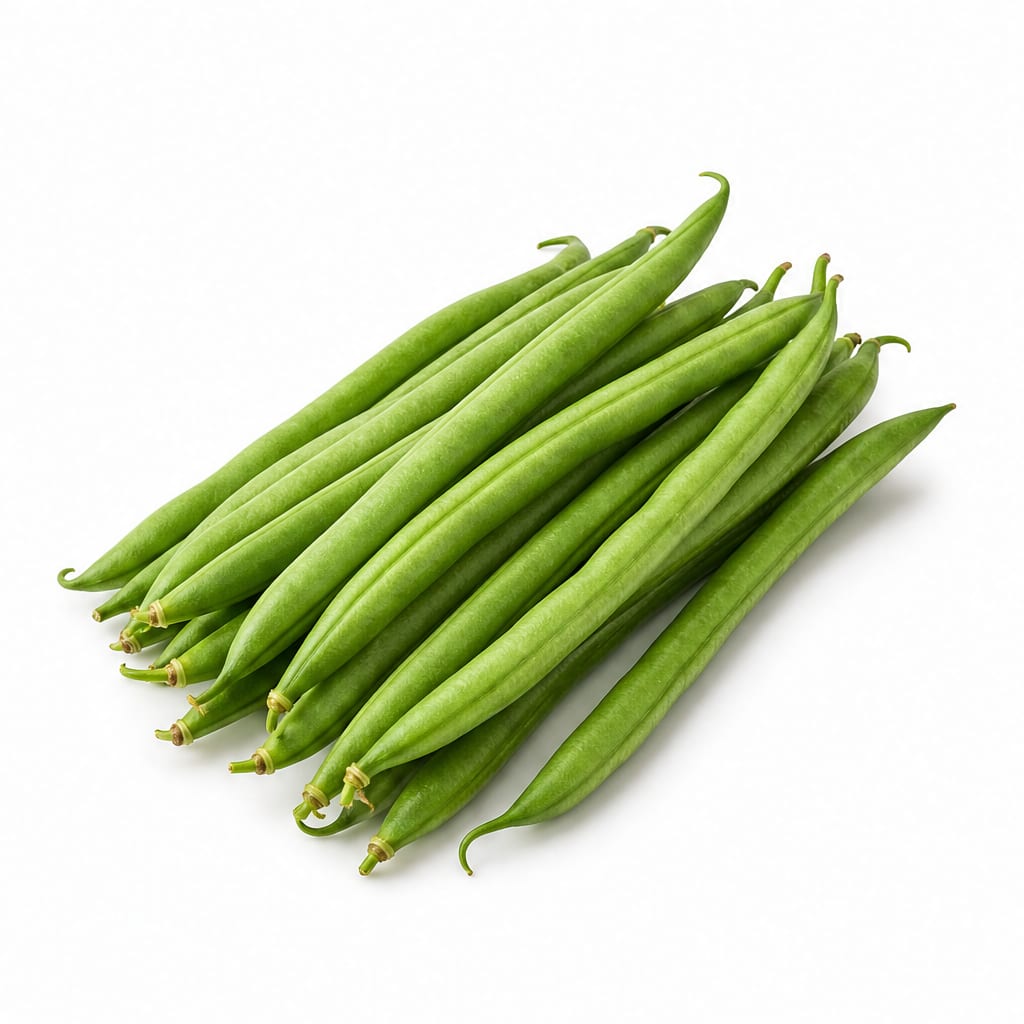
Green Beans
Cabbage wins for raw crunch, fermented gut benefits, and sheer volume, while green beans are gentler on digestion and easier as a quick cooked side.
Green beans slightly edge out cabbage due to better digestive tolerance for daily eating, but both are excellent low-calorie vegetables with unique benefits.
Cabbage offers more potent disease-fighting compounds and raw versatility but can cause bloating, whereas green beans are easier to digest but require cooking to neutralize lectins.
At a glance
Executive summary
Overall
It depends
Healthier
It depends
More practical
Green Beans
Daily use
Green Beans
Key comparison lenses
Digestive tolerance and gas prevention
Cabbage is notorious for causing bloating due to its cruciferous fiber, while green beans are generally much easier on the stomach.
Weight loss and volume eating
Cabbage is incredibly low in calories and high in physical volume, making it a staple for those looking to eat larger portions.
Preparation safety and cooking requirements
Green beans contain lectins that must be cooked out, whereas cabbage can be safely eaten raw or fermented.
Disease-fighting phytonutrients
Cabbage contains unique glucosinolates studied for cancer prevention, while green beans offer different antioxidant profiles.
Best choice for
Cabbage
- Volume eaters wanting large portions for few calories
- Fermented food fans looking for probiotic benefits
- Budget shoppers needing affordable nutrition
Green Beans
- Sensitive stomachs prone to gas and bloating
- Quick side dish seekers needing fast prep
- Parents feeding picky children
Least suitable for
Cabbage
- People with IBS or severe bloating
- Those on a low-fiber or low-residue diet
Green Beans
- Raw food diet followers due to lectin toxicity
- People looking for high-volume raw crunch
Deep comparison
Dimension by dimension
Each lens scores both foods and breaks down who each option suits.
- Dimension 1 · Priority 90Green Beans
Digestive Tolerance
Cabbage · 60Green Beans · 85Green beans are much gentler on the stomach than cabbage.
Tradeoff
Cabbage's cruciferous fiber feeds gut bacteria but produces gas; green beans are less likely to cause bloating.
Why it matters
If you have a sensitive stomach or IBS, cabbage can cause significant discomfort.
Real-world impact
Eating a large cabbage salad might leave you bloated all afternoon, while a side of steamed green beans feels light and comfortable.
Cabbage
- Building microbiome diversity via fermented versions
Better for
- Date nights
- IBS flare-ups
Worse for
Green Beans
- Avoiding after-dinner bloating
- Comfort during work lunches
Better for
- Maximizing raw food intake
Worse for
- Dimension 2 · Priority 85Cabbage
Nutritional Density & Special Compounds
Cabbage · 88Green Beans · 75Cabbage packs more Vitamin C and unique cancer-fighting glucosinolates.
Tradeoff
Cabbage has stronger medicinal compounds, but green beans offer more Vitamin A and bone-supporting silicon.
Why it matters
Glucosinolates in cabbage are heavily studied for their anti-cancer properties.
Real-world impact
Regularly eating cabbage gives your body a strong dose of cellular defense compounds you cannot get from green beans.
Cabbage
- Long-term disease prevention
- Immune support during cold season
Better for
- Those on blood thinners needing stable Vitamin K
Worse for
Green Beans
- Eye health from Vitamin A
- Bone and joint support from silicon
Better for
- Targeted cancer-prevention diets
Worse for
- Dimension 3 · Priority 80It depends
Versatility & Preparation
Cabbage · 85Green Beans · 80Cabbage can be eaten raw, fermented, or cooked, while green beans are best cooked.
Tradeoff
Cabbage offers raw salads and probiotic ferments, but green beans are a faster, more foolproof cooked side.
Why it matters
How you prefer to prep vegetables dictates whether you actually eat them.
Real-world impact
Cabbage shines in slaws and stir-fries, while green beans are perfect for quick steaming or roasting alongside a protein.
Cabbage
- Meal prepping large batches
- Making fermented foods like sauerkraut
Better for
- Quick snacking unless you like raw leaves
Worse for
Green Beans
- Quick weeknight side dishes
- Blanching for meal prep
Better for
- Raw salads
Worse for
- Dimension 4 · Priority 75Cabbage
Satiety & Volume
Cabbage · 90Green Beans · 75Cabbage is the ultimate volume-eating food, letting you eat a massive portion for almost no calories.
Tradeoff
Cabbage takes up more plate space and physically fills the stomach faster.
Why it matters
If you are cutting calories, physical fullness prevents overeating.
Real-world impact
A giant bowl of cabbage soup or slaw fills you up for under 100 calories, whereas green beans provide a smaller portion for the same energy.
Cabbage
- Weight loss phases
- Big eaters who need volume
Better for
- Those needing a calorie surplus
Worse for
Green Beans
- More calorie-dense meals
- Balanced dinner plates
Better for
- Strict calorie restrictors seeking volume
Worse for
Timeline
Health impact over time
Short-term
Hours to days
Cabbage
- Noticeable fullness from physical volume
- Potential gas and bloating from cruciferous fibers
- Quick hydration due to high water content
Green Beans
- Light, comfortable digestion
- Mild blood sugar stabilization
- Easy addition to any meal without bloating
Long-term
Months to years
Cabbage
- Enhanced cellular defense from glucosinolates
- Improved gut flora if consumed as fermented sauerkraut or kimchi
- Possible thyroid suppression if eaten in extreme raw excess
Green Beans
- Better bone health from silicon and Vitamin K
- Consistent fiber intake for heart health
- Lower systemic inflammation from steady antioxidant intake
Risk profile
Safety & processing
Both are whole, natural vegetables with virtually no additive concerns when bought fresh or frozen.
Cabbage
Goitrogens
lowRaw cabbage contains goitrogens that can interfere with thyroid function, but cooking neutralizes them. Only an issue if consumed in massive raw amounts.
Green Beans
Lectins and Phytohaemagglutinin
mediumRaw green beans contain lectins that can cause nausea and vomiting. They must be cooked before eating to neutralize these compounds.
Who wins for whom
Audience fit
Same foods, different winners depending on your goal.
children
Green BeansGreen beans are milder in flavor, easier to digest, and less likely to cause uncomfortable gas in kids.
daily consumption
Green BeansGreen beans are less likely to cause daily bloating, making them a more comfortable everyday staple.
diabetes
CabbageCabbage has a slightly lower glycemic load and higher volume, helping manage blood sugar without feeling deprived.
elderly
Green BeansGreen beans are gentler on aging digestive systems and easier to chew when cooked soft.
muscle gain
It dependsNeither is a primary muscle-building food, but both offer fiber and micronutrients to support an overall healthy diet.
weight loss
CabbageCabbage provides massive volume and physical fullness for very few calories, making it easier to stick to a deficit.
Your move
Decision guide
Choose Cabbage
- You want maximum food volume for minimal calories
- You enjoy fermented foods like sauerkraut or kimchi
- You are looking for potent anti-cancer compounds
- You have a tight grocery budget
Choose Green Beans
- You have a sensitive stomach or IBS
- You want an easy, quick-cooking side dish
- You are feeding picky kids
- You prefer cooked vegetables over raw
Either works if
- You just need more daily fiber
- You want low-calorie vegetable options
- You are building a balanced dinner plate
Avoid both if
- You are on a strict low-fiber or low-residue diet before a medical procedure
Final recommendation
Keep both in rotation. Use cabbage for raw crunch, fermented gut health, and volume-eating, and rely on green beans for a gentle, quick-cooked side that will not leave you bloated.
Practical
Consumer tips
- 1
Cook cabbage if you are prone to gas; steaming or sautéing breaks down the tough fibers.
- 2
Never eat raw green beans; always steam, boil, or roast them to destroy harmful lectins.
- 3
Ferment cabbage into sauerkraut or kimchi to unlock probiotic benefits and make it easier to digest.
- 4
Buy pre-shredded cabbage slaw mixes to save prep time on busy weeknights.
- 5
Blanch green beans and store them in the fridge for an easy, ready-to-eat snack or salad addition.