
Nutrition comparison
Cabbage vs Brussels Sprouts: Which Cruciferous Vegetable Is Healthier?
Compare cabbage and Brussels sprouts for nutrient density, digestion, cost, and cancer-fighting benefits. Find out which is better for your health goals and budget.
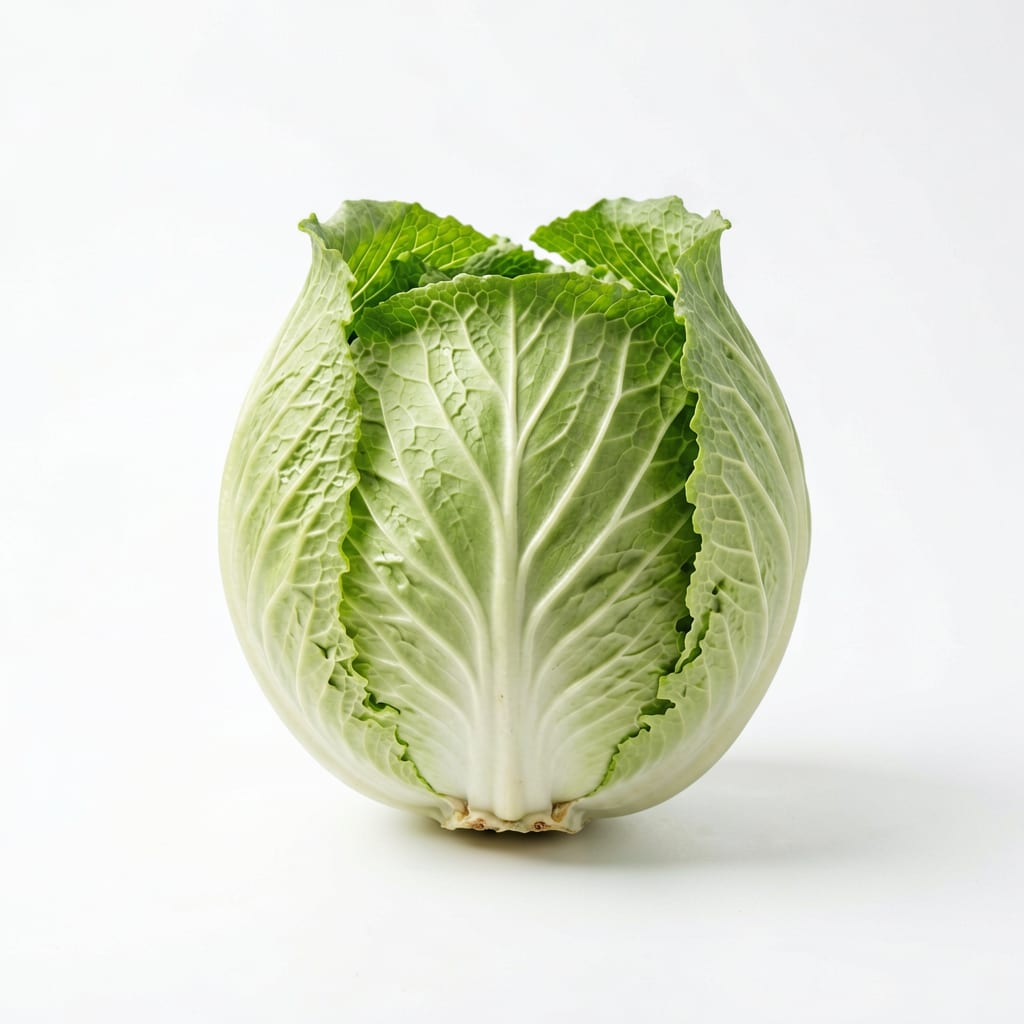
Cabbage
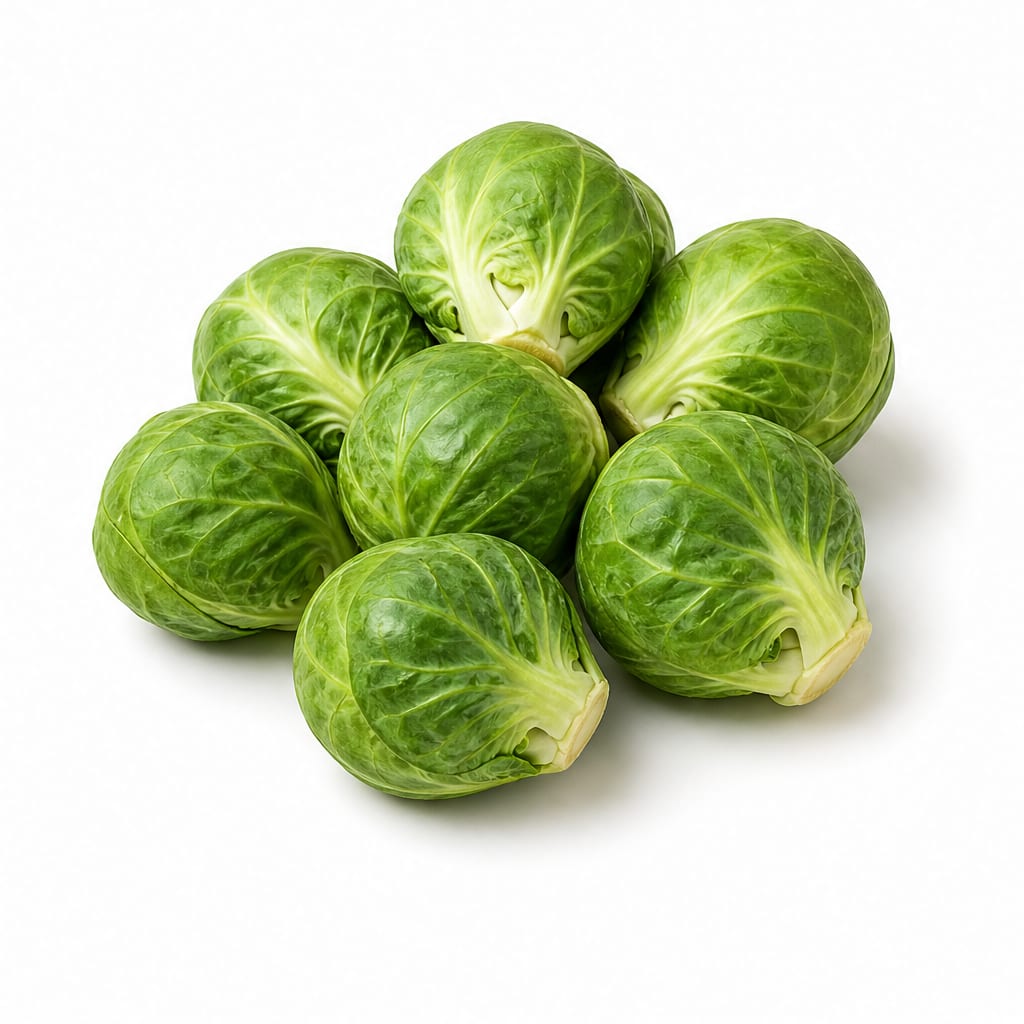
Brussels Sprouts
Brussels sprouts deliver more nutrients per bite, but cabbage wins on budget, versatility, and digestibility. Your choice depends on what you're optimizing for.
Brussels sprouts score higher for nutrient density and health impact, but cabbage stays competitive through superior affordability, versatility, and easier digestion. The gap reflects concentration versus practicality.
Nutrient concentration versus everyday practicality and comfort
At a glance
Executive summary
Overall
It depends
Healthier
Brussels Sprouts
More practical
Cabbage
Daily use
Cabbage
Key comparison lenses
nutrient density comparison within cruciferous vegetables
Users choosing between these two are usually optimizing for maximum health benefit per bite
digestive tolerance and gas production
Both foods are notorious for causing bloating, but differ significantly in severity
budget and meal practicality
Cabbage is dramatically cheaper and more versatile for everyday cooking
cancer-fighting compound concentration
Both contain glucosinolates but Brussels sprouts pack more per serving
Best choice for
Cabbage
- People with sensitive digestion who still want cruciferous benefits
- Budget-conscious families needing volume and versatility
- Meal preppers who want a vegetable that stores for weeks
- Anyone who finds Brussels sprouts too bitter or filling
Brussels Sprouts
- Those maximizing nutrient density per calorie
- People targeting anti-inflammatory and cancer-fighting compounds
- Anyone already comfortable digesting cruciferous vegetables
- Low-carb dieters wanting more protein and fiber per serving
Least suitable for
Cabbage
- People seeking the highest possible antioxidant concentration
- Those wanting a more protein-rich vegetable side dish
Brussels Sprouts
- People with IBS or severe bloating sensitivity
- Very tight grocery budgets
- Picky eaters sensitive to bitter flavors
Deep comparison
Dimension by dimension
Each lens scores both foods and breaks down who each option suits.
- Dimension 1 · Priority 95Brussels Sprouts
Nutrient Density
Cabbage · 65Brussels Sprouts · 90Brussels sprouts concentrate significantly more vitamins K, C, folate, and cancer-fighting glucosinolates per serving than cabbage.
Tradeoff
You get more nutrition per bite with Brussels sprouts, but you pay more and eat less volume
Why it matters
If you're eating limited calories or portions, Brussels sprouts deliver more health compounds per forkful
Real-world impact
A single cup of Brussels sprouts covers over 100% of daily vitamin K needs versus about 60% from the same amount of cabbage
Cabbage
- Those who prefer eating larger volumes of food
Better for
- Nutrient-seekers wanting the most from every serving
Worse for
Brussels Sprouts
- Anyone eating smaller portions who needs maximum nutrition per bite
- Older adults needing more vitamin K for bone health
Better for
- Volume eaters who feel unsatisfied with small portions
Worse for
- Dimension 2 · Priority 88Cabbage
Digestive Tolerance
Cabbage · 72Brussels Sprouts · 55Both cause gas, but Brussels sprouts tend to produce more bloating and discomfort due to higher fiber and sulfur compound concentration.
Tradeoff
Cabbage is gentler on the gut while still providing cruciferous benefits, but has less fiber overall
Why it matters
If you avoid Brussels sprouts because of after-effects, cabbage lets you stay in the cruciferous family with less suffering
Real-world impact
Many people report Brussels sprouts causing noticeable bloating within hours, while cabbage — especially cooked — is better tolerated
Cabbage
- People with IBS or sensitive digestion
- Anyone who has avoided Brussels sprouts due to gas
Better for
- Anyone specifically trying to increase fiber intake significantly
Worse for
Brussels Sprouts
- Those with ironclad digestion who want maximum fiber intake
Better for
- People prone to bloating or social situations where gas matters
Worse for
- Dimension 3 · Priority 82Cabbage
Affordability and Value
Cabbage · 95Brussels Sprouts · 60Cabbage is one of the cheapest vegetables available, often costing a third of Brussels sprouts per pound while yielding far more servings.
Tradeoff
Cabbage saves serious money but delivers fewer concentrated nutrients per dollar spent on the same weight
Why it matters
For families or anyone on a tight budget, cabbage provides cruciferous benefits at a fraction of the cost
Real-world impact
A single cabbage head can feed a family multiple meals for under $2, while Brussels sprouts cost $3-5 per pound for fewer total servings
Cabbage
- Budget-conscious households
- Bulk meal preppers
- Large families needing affordable vegetable volume
Better for
- No real downside here unless money is no object
Worse for
Brussels Sprouts
- Those where cost is secondary to nutrient optimization
Better for
- Anyone watching grocery spending closely
Worse for
- Dimension 4 · Priority 78Brussels Sprouts
Cancer-Fighting Compounds
Cabbage · 68Brussels Sprouts · 88Both contain glucosinolates that convert to cancer-fighting compounds, but Brussels sprouts contain roughly 2-3 times more per serving.
Tradeoff
More protective compounds in Brussels sprouts, but you need to eat them regularly and cook them properly to activate benefits
Why it matters
For anyone with family history of cancer or strong prevention focus, Brussels sprouts are the more potent choice
Real-world impact
Regular Brussels sprouts consumption is linked to more significant reductions in certain cancer markers in studies compared to cabbage
Cabbage
- Those who eat cruciferous vegetables daily in large amounts — volume can compensate
Better for
- Anyone specifically targeting high glucosinolate intake
Worse for
Brussels Sprouts
- People with cancer concerns wanting maximum glucosinolate intake
- Those who only eat cruciferous vegetables a few times per week
Better for
- People who cannot tolerate eating them regularly enough to accumulate benefits
Worse for
- Dimension 5 · Priority 75Cabbage
Versatility and Cooking Ease
Cabbage · 92Brussels Sprouts · 65Cabbage works in slaws, soups, stir-fries, ferments, wraps, and braises. Brussels sprouts have a narrower range of appealing preparations.
Tradeoff
Cabbage adapts to nearly any cuisine or cooking method, while Brussels sprouts shine mainly when roasted or sautéed
Why it matters
If you get bored easily or cook for varied tastes, cabbage keeps meals interesting longer
Real-world impact
You can use cabbage raw, fermented as sauerkraut, in Asian stir-fries, or European braises — Brussels sprouts rarely leave the roasting pan
Cabbage
- Home cooks wanting one vegetable that does everything
- Anyone who meal preps across multiple cuisines
- Raw vegetable snackers and slaw lovers
Better for
- Anyone specifically wanting a roasted vegetable side dish
Worse for
Brussels Sprouts
- Those happy with roasted or sautéed side dishes
- People who prefer simpler preparation routines
Better for
- Adventurous cooks who want multi-purpose ingredients
Worse for
- Dimension 6 · Priority 70Brussels Sprouts
Satiety and Fullness
Cabbage · 68Brussels Sprouts · 80Brussels sprouts have more protein and fiber per serving, making them slightly more filling despite smaller portion sizes.
Tradeoff
Brussels sprouts fill you up faster with less volume, but cabbage lets you eat more total food if you prefer larger portions
Why it matters
For appetite control, Brussels sprouts may keep you satisfied longer with fewer calories consumed
Real-world impact
A cup of cooked Brussels sprouts has about 4g protein and 4g fiber versus 2g protein and 3g fiber in the same amount of cabbage
Cabbage
- Volume eaters who feel more satisfied by larger portions
Better for
- People who need more protein from all food sources including vegetables
Worse for
Brussels Sprouts
- Those using vegetables to stay full between meals
- Anyone managing appetite on lower calorie intake
Better for
- Those who feel unsatisfied with small portions of calorie-dense sides
Worse for
Timeline
Health impact over time
Short-term
Hours to days
Cabbage
- Mild gas and bloating, especially when eaten raw
- Quick fiber boost that supports regular digestion
- Light hydration due to high water content
Brussels Sprouts
- More noticeable gas and bloating than cabbage for most people
- Stronger feeling of fullness after eating
- Potential digestive discomfort if not cooked thoroughly
Long-term
Months to years
Cabbage
- Consistent cruciferous vegetable intake linked to lower cancer risk
- Supports heart health through fiber and antioxidant content
- Very sustainable for daily consumption due to low cost and high versatility
Brussels Sprouts
- Higher glucosinolate intake provides stronger cancer-prevention signal in research
- More concentrated vitamin K supports long-term bone density
- Anti-inflammatory compounds may reduce chronic disease markers more significantly
Risk profile
Safety & processing
Both are whole, unprocessed cruciferous vegetables with no additive concerns. Neither has a naturalness advantage — both are as clean as food gets.
Cabbage
Pesticide residue on outer leaves
mediumCabbage retains pesticide residue on outer leaves, but removing the outer layers eliminates most exposure. Buying organic further reduces this.
Foodborne illness from raw preparations
lowRaw cabbage in slaws or salads can harbor bacteria if not washed properly, but cooking eliminates this risk.
Brussels Sprouts
Pesticide residue
mediumBrussels sprouts appear on EWG's Dirty Dozen list some years due to pesticide exposure. Washing helps but cannot remove all residues from the tight leaf layers.
Sulfur compound sensitivity
lowHigh sulfur content can trigger headaches or digestive distress in sensitive individuals, though this is uncommon.
Who wins for whom
Audience fit
Same foods, different winners depending on your goal.
children
CabbageCabbage is milder in flavor, easier to hide in dishes, and less likely to trigger the strong rejection that Brussels sprouts often face from kids.
daily consumption
CabbageCabbage's lower cost, easier digestion, and cooking versatility make it more sustainable as a daily vegetable without fatigue or budget strain.
diabetes
Brussels SproutsHigher fiber and protein content in Brussels sprouts creates steadier blood sugar response, though both are excellent low-glycemic choices.
elderly
Brussels SproutsHigher vitamin K and folate concentrations in Brussels sprouts support bone density and cognitive health, both critical concerns for aging adults — assuming digestion tolerates them.
muscle gain
Brussels SproutsBrussels sprouts provide roughly double the protein per serving compared to cabbage, making them a slightly better complement to a muscle-building diet.
weight loss
It dependsCabbage allows more volume for fewer calories, which helps some people feel satisfied. Brussels sprouts provide more protein and fiber per calorie, which controls appetite better for others. Both are excellent choices — pick based on whether you're a volume eater or a nutrient-density optimizer.
Your move
Decision guide
Choose Cabbage
- You want maximum food volume for minimal calories and cost
- Brussels sprouts cause you uncomfortable bloating or gas
- You cook across many cuisines and want a versatile ingredient
- You're feeding a family on a budget and need affordable nutrition
- You prefer milder flavors that blend into dishes easily
Choose Brussels Sprouts
- You want the most concentrated cancer-fighting compounds per serving
- Digestive gas is not a concern for you
- You're optimizing nutrient density over cost or volume
- You enjoy roasted or sautéed vegetable side dishes
- You have specific needs for extra vitamin K, folate, or anti-inflammatory support
Either works if
- You simply want more cruciferous vegetables in your diet
- You're looking for low-calorie, high-fiber side dishes
- Both fit your budget and you enjoy variety
Avoid both if
- You're on a low-FODMAP diet for IBS management — both are high in fermentable carbs
- You take blood thinners like warfarin and cannot maintain consistent vitamin K intake
- You have severe sulfur sensitivity or related digestive conditions
Final recommendation
Eat both. Rotate cabbage for everyday meals, budget cooking, and digestive comfort. Add Brussels sprouts a few times per week when you want a nutrient density boost. The best cruciferous vegetable is the one you'll actually eat consistently.
Practical
Consumer tips
- 1
Remove outer leaves from both vegetables to reduce pesticide exposure significantly
- 2
Roasting Brussels sprouts with olive oil reduces bitterness and improves digestibility compared to boiling
- 3
Fermenting cabbage as sauerkraut or kimchi adds probiotics and may reduce gas-producing compounds
- 4
Steam or sauté cabbage instead of boiling to preserve water-soluble vitamins like C and folate
- 5
Buy organic Brussels sprouts when possible — they tend to carry more pesticide residue than cabbage
- 6
Start with small portions of either vegetable if you're not used to cruciferous fiber, and increase gradually