
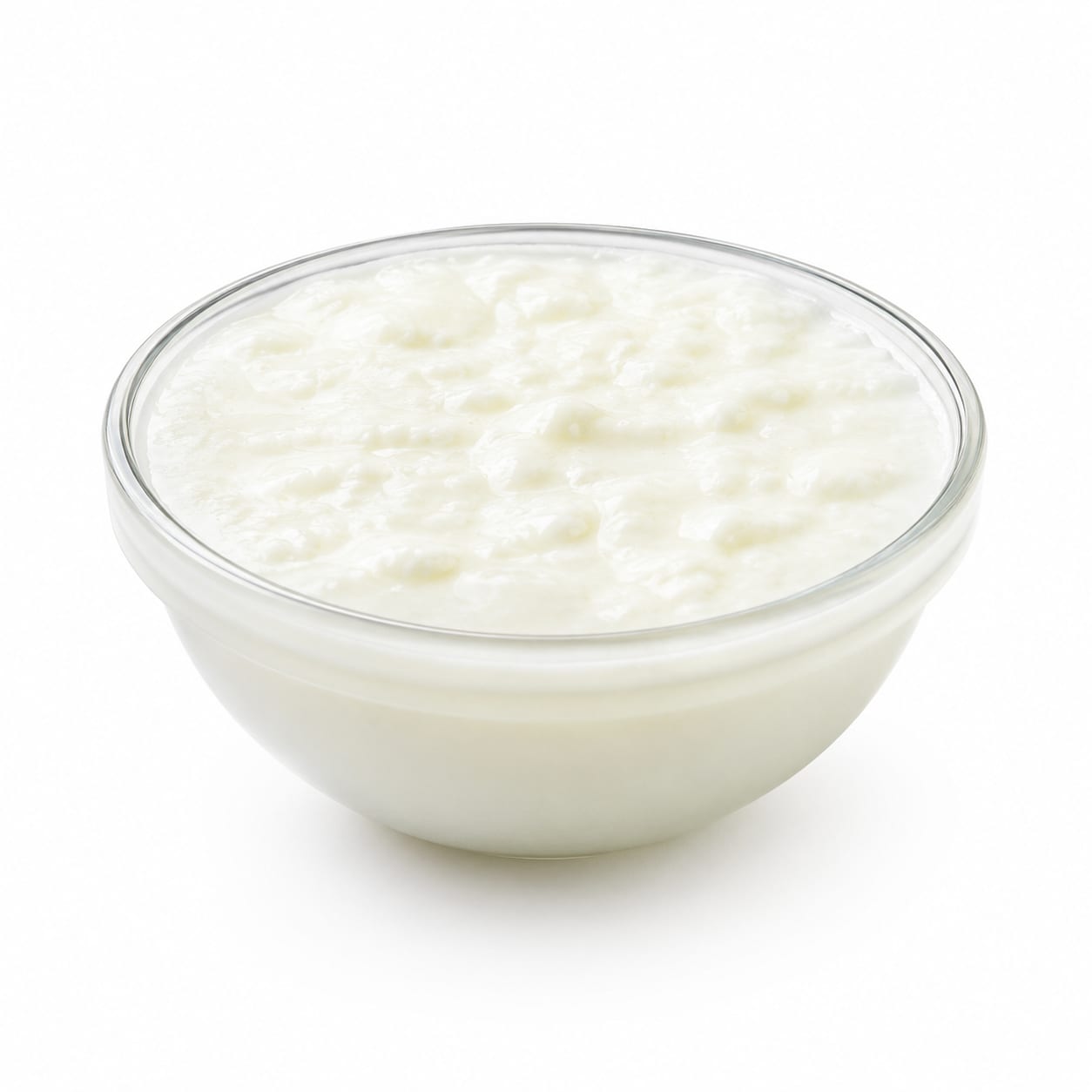
Dairy
Buttermilk
A tangy, probiotic-rich fermented dairy drink made from low-fat milk.
A fermented dairy drink traditionally made from the liquid left behind after churning butter, but today mostly produced by adding lactic acid bacteria to low-fat milk.
low-fat probiotic dairy beverage
Typical serving · 245g
Common varieties · cultured low-fat buttermilk, cultured whole milk buttermilk, traditional buttermilk, powdered buttermilk, lactose-free buttermilk
Overall context score across nutrition, safety, and diet fit
At a glance
Quick facts
Simple indicators based on nutrition, processing, and diet fit.
The story
What makes it unique
Cultured buttermilk contains lactic acid bacteria, which ferment lactose into lactic acid, lowering the pH and giving it a tangy flavor. It is relatively low in fat and calories while providing a moderate source of protein and calcium. The fermentation process slows gastric emptying, improving satiety and reducing glycemic response.
Varieties: cultured low-fat buttermilk · cultured whole milk buttermilk · traditional buttermilk · powdered buttermilk · lactose-free buttermilk
Per 100g
Nutrition breakdown
Macro balance and key metrics at a glance.
Energy
Density 0.40 kcal/g
Protein
Carbs
Fat
Fiber
Sugar
4.8 g
Sodium
105 mg
Potassium
151 mg
Glycemic index
25
Glycemic load
2
Water content
90%
Standout compounds
Nutrient highlights
Calcium
highEssential for bone health and muscle function
Probiotics
moderateSupports gut microbiome and digestion
Riboflavin (Vitamin B2)
moderateHelps convert food into cellular energy
Phosphorus
moderateWorks with calcium for strong bones and teeth
Wellness map
Health scores & processing
NOVA processing scale
moderately processed · Whole food
Cultured buttermilk is made by adding bacterial cultures to pasteurized milk, classifying it as a processed culinary ingredient rather than a minimally processed or ultra-processed food.
Diet compatibility
- Weight loss
- Muscle gain
- Diabetes
- Gut health
- Low carb
- High protein
- Heart health
Relative standing
Food rankings
Qualitative ranks compared to similar whole foods.
- Satietygood
- Blood sugarexcellent
- Nutrient densitygood
- Fitness fuelmoderate
- Processing qualitygood
Eat with confidence
Food safety profile
Commercially produced buttermilk is pasteurized and safe. Raw, unpasteurized versions carry a higher risk of bacterial contamination.
Evidence confidence 92%
- Pesticideslow
- Antibioticsmoderate
- Heavy metalslow
- Contaminationlow
Watch for
- listeria
- salmonella
Safer choices
Pasteurized cultured buttermilk from reputable brands
Prep tips
Keep refrigerated and consume before the expiration date. Do not consume if the container is swollen or smells overly sour or off.
Standard dairy pasteurization requirements minimize pathogen risk. Antibiotic residues in conventional dairy are monitored but remain a concern for some consumers.
Deep dive
Health analysis
How this food may fit different goals and preparation choices.
Weight loss
Low energy density and high water content make it a filling, low-calorie beverage option for weight management.
Blood sugar
The fermentation process and lactic acid lower the glycemic index, resulting in a slow, steady release of carbohydrates.
Fitness & energy
Provides modest protein for muscle maintenance but lacks the fast-digesting carbs needed for intense post-workout recovery.
Gut health
Contains live active cultures and lactic acid that support a healthy gut microbiome and improve lactose digestion.
Processing quality
A traditionally fermented food that uses simple, whole-food ingredients without artificial additives.
Food safety
Pasteurization eliminates most harmful bacteria, but proper refrigeration is essential to prevent spoilage.
Common mistakes
Assuming it is high in fat or butter content, or using it interchangeably with regular milk in recipes without accounting for its acidity.
Best preparation
Consumed cold as a beverage, used as a marinade to tenderize meats, or used in baking to create tender, fluffy textures.
Practical guide
Best use cases
When and how this food fits real eating patterns.
Gut-friendly beverage
A refreshing, probiotic-rich drink to support digestion and gut microbiome health.
Meat marinade
The lactic acid tenderizes meat while adding subtle tanginess without excess fat.
Low-calorie baking liquid
Adds moisture and a tender crumb to baked goods while keeping the fat content low.
Balance sheet
Pros & cons
Upsides
- Low in calories and fat
- Contains probiotics for gut health
- Low glycemic index supports blood sugar control
- Good source of calcium and B vitamins
- Lactic acid aids in tenderizing and baking
Trade-offs
- Contains lactose, which may bother highly sensitive individuals
- Not as high in protein as Greek yogurt
- Sodium content can be higher than regular milk
- Shorter shelf life once opened
Fit check
Who is it for?
Great match
- weight management
- gut health improvement
- blood sugar control
- baking and cooking
Consider alternatives
- strict low-carb diets
- high-protein diets
- dairy-free or vegan lifestyles
- severe lactose intolerance
Side by side
How it compares
Open the full head-to-head analysis for nutrition, safety, and practical tradeoffs.
This food
Buttermilk
VS85% alike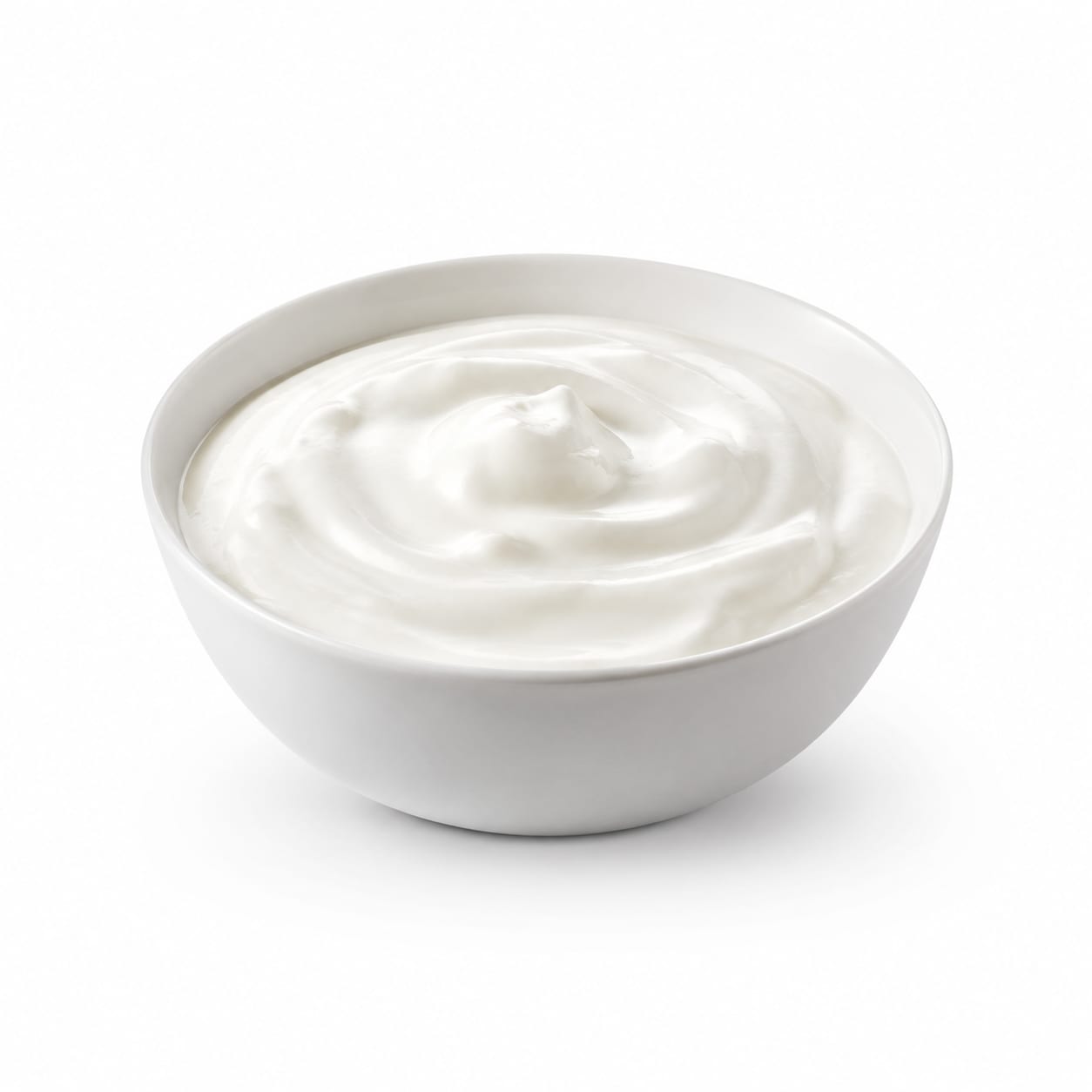
Compare with
Yogurt
Yogurt is thicker and higher in protein, while buttermilk is a thinner beverage with slightly fewer calories.
Yogurt offers more protein and satiety, but buttermilk is a lighter, drinkable option with similar probiotic benefits.
This food
Buttermilk
VS90% alike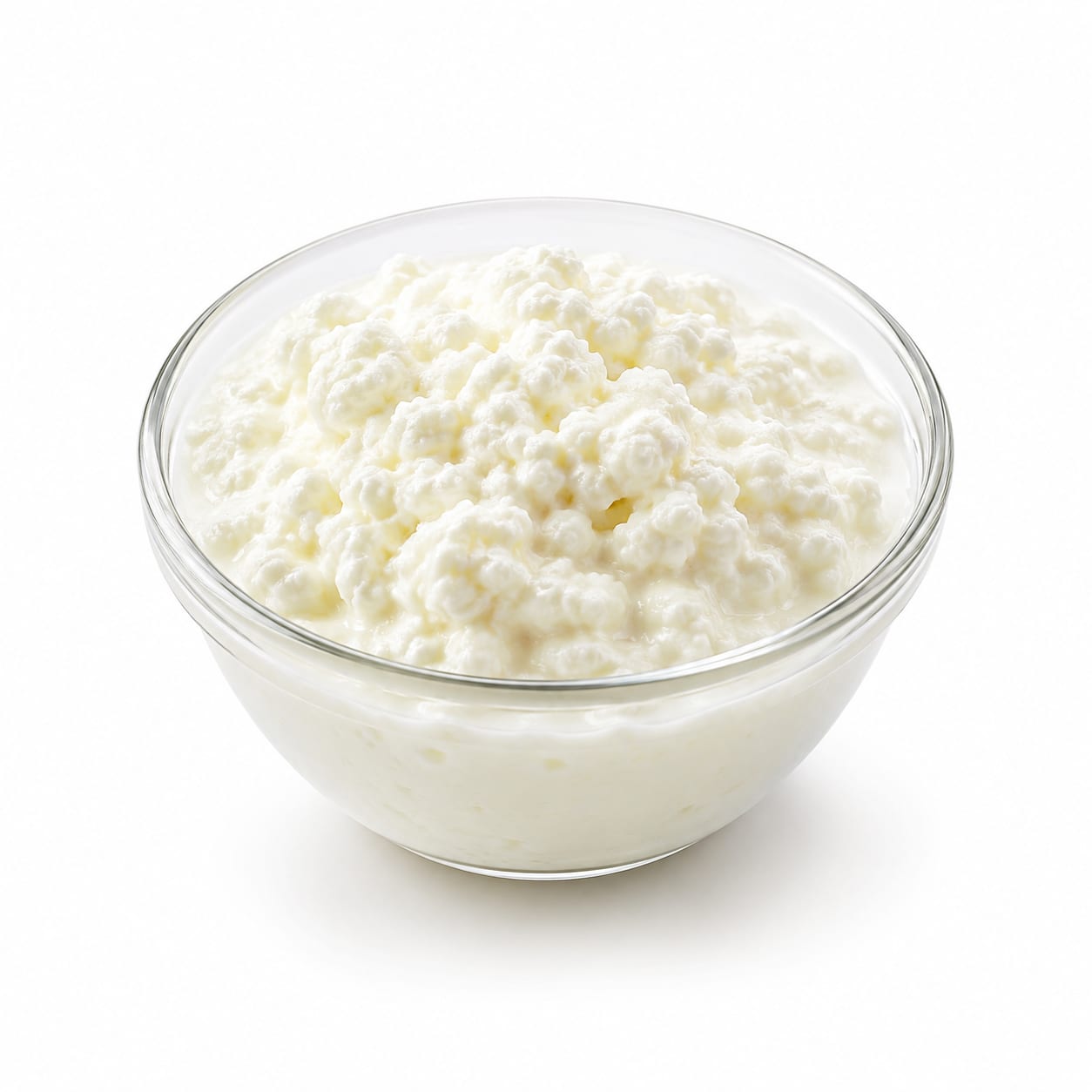
Compare with
Kefir
Kefir contains a wider variety of probiotics and some yeast, while buttermilk is milder and slightly lower in calories.
Kefir provides a more diverse probiotic profile and more protein, while buttermilk is lighter and better for blood sugar control.
This food
Buttermilk
VS75% alike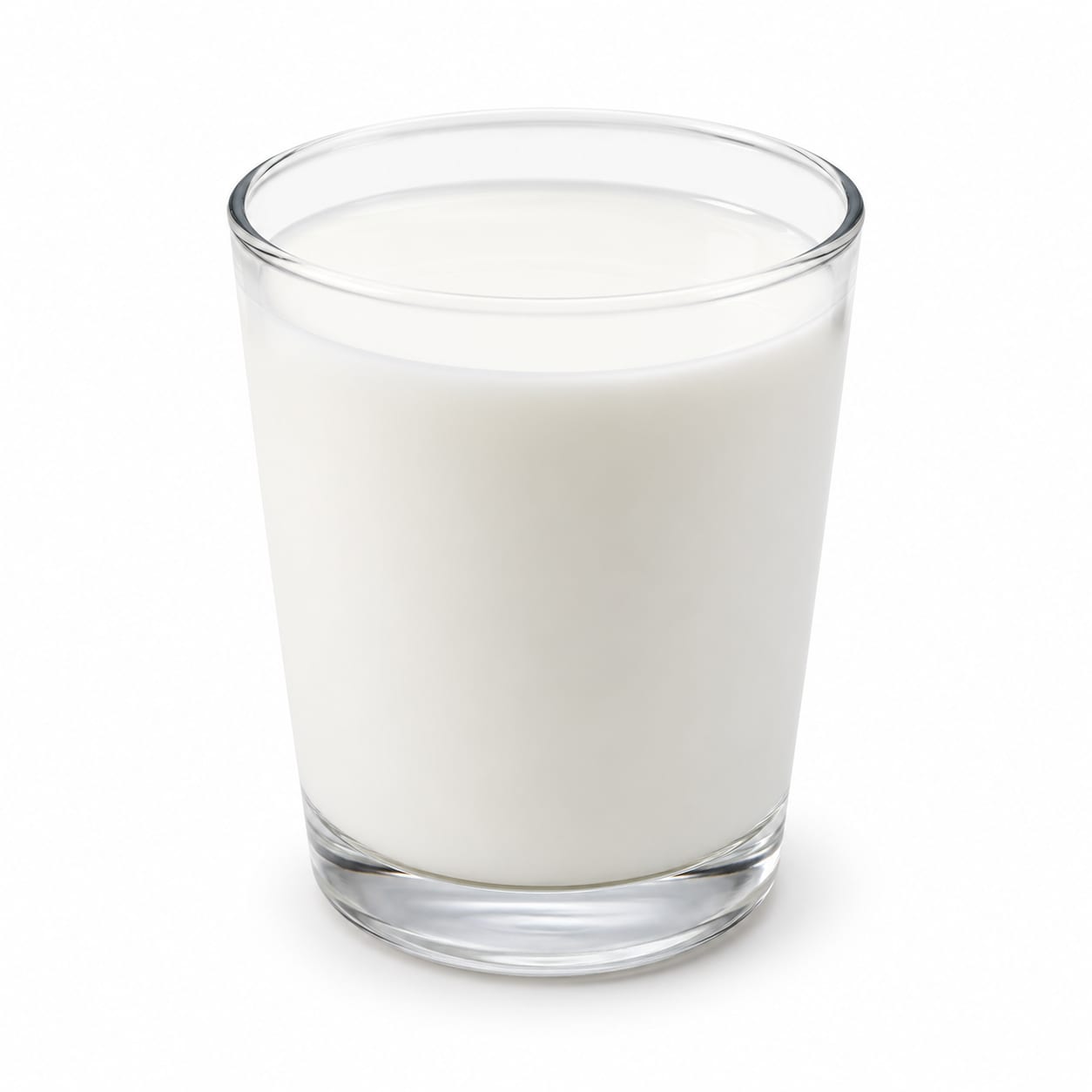
Compare with
Whole Milk
Whole milk is higher in fat and calories, while buttermilk is lower in fat and contains probiotics.
Buttermilk is significantly lower in fat and calories and contains probiotics, making it better for weight loss and gut health than whole milk.
This food
Buttermilk
VS80% alike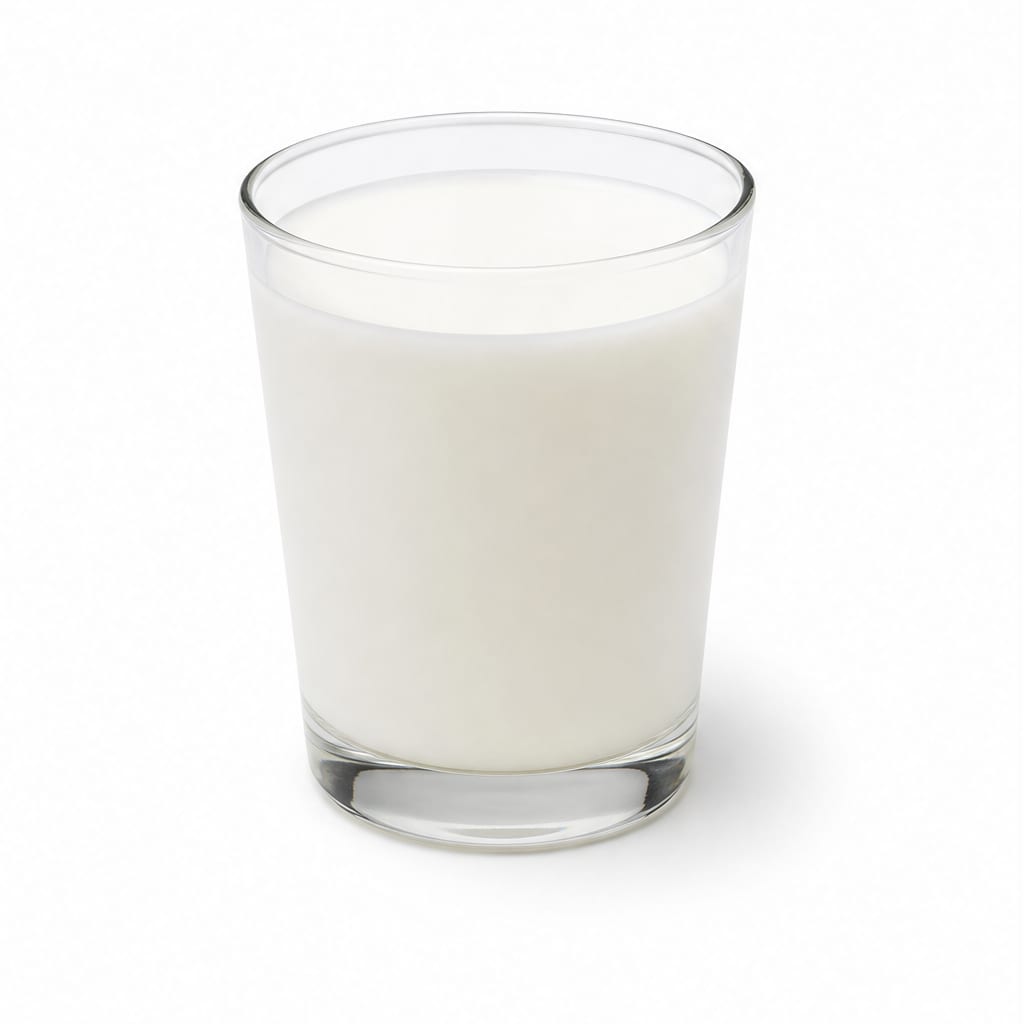
Compare with
Skim Milk
Skim milk is higher in protein and sugar, while buttermilk contains probiotics and has a lower glycemic index.
Skim milk provides more protein, but buttermilk offers probiotics and a lower glycemic impact for better blood sugar control.
This food
Buttermilk
VS70% alike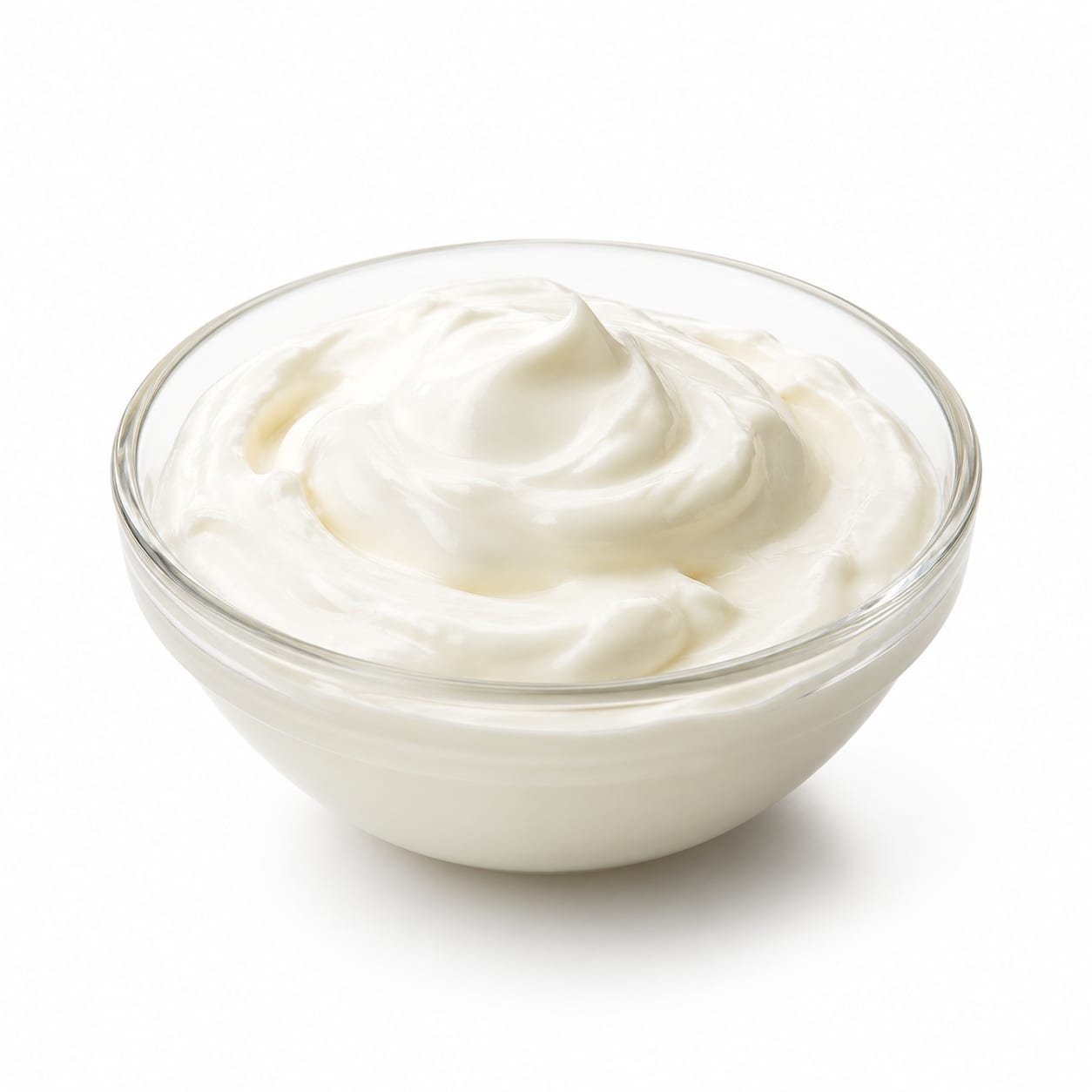
Compare with
Sour Cream
Sour cream is much higher in fat and calories, used as a topping, whereas buttermilk is a low-fat beverage.
Buttermilk is far lower in calories and fat than sour cream, making it a much better choice for weight loss and heart health.
This food
Buttermilk
VS50% alike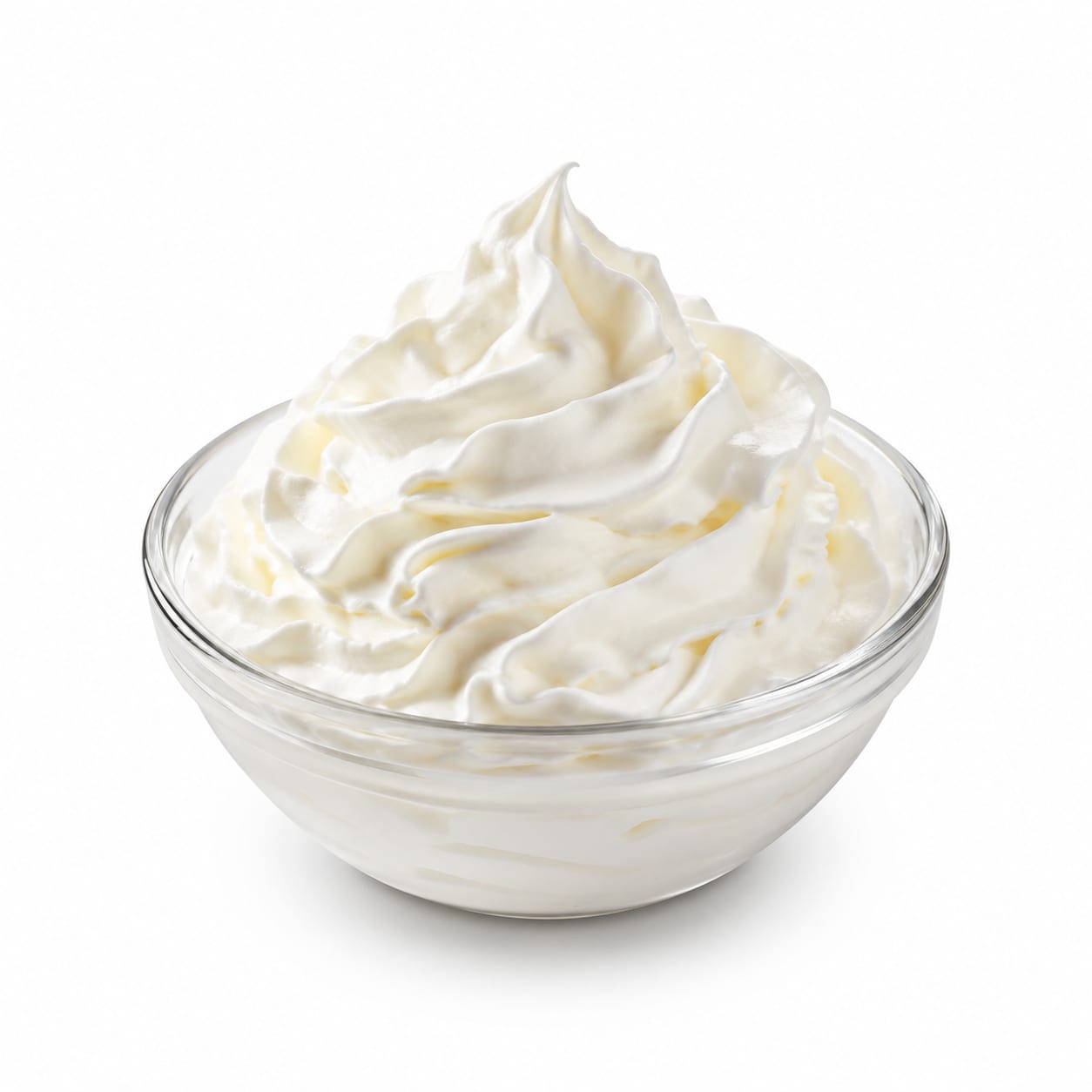
Compare with
Heavy Cream
Heavy cream is extremely high in fat and calories, while buttermilk is low in fat and contains probiotics.
Buttermilk is a light, probiotic-rich drink, whereas heavy cream is a dense fat source with no probiotic benefits.
This food
Buttermilk
VS40% alike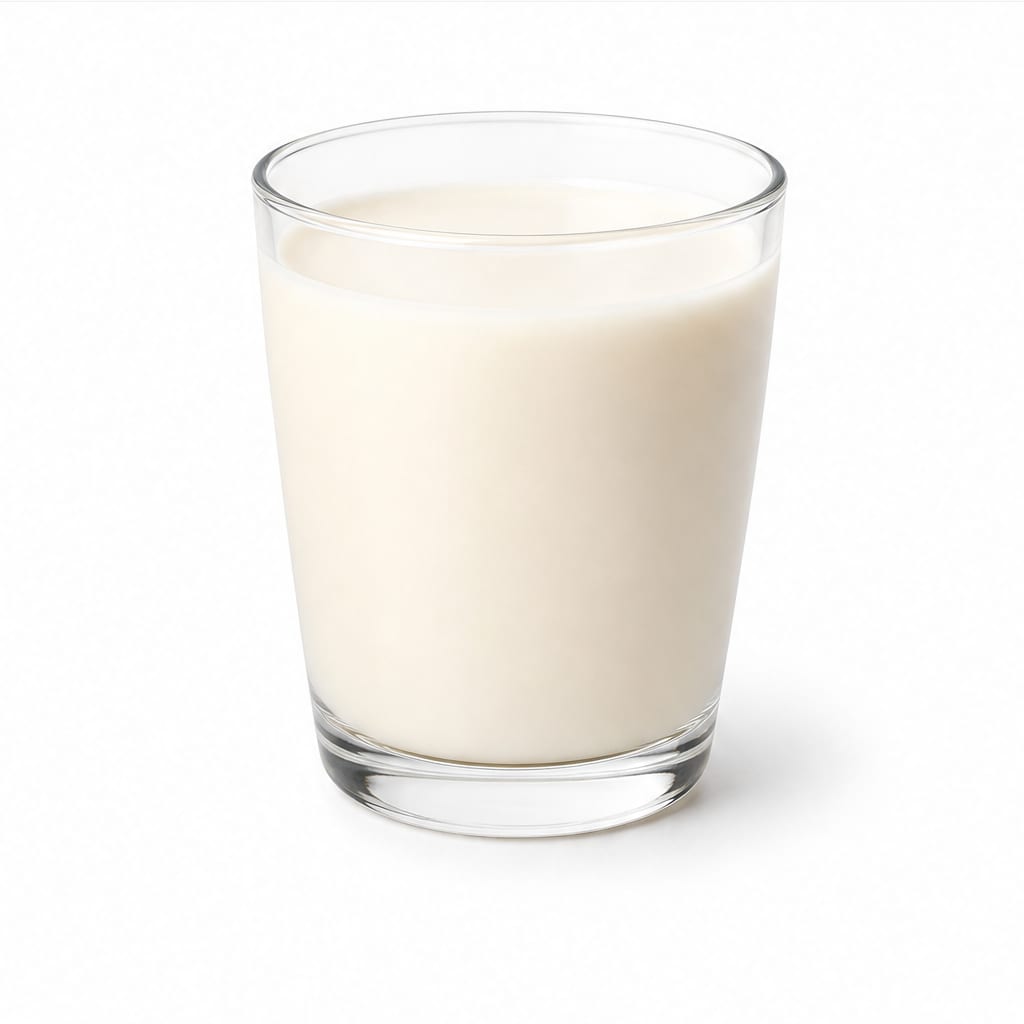
Compare with
Almond Milk
Almond milk is plant-based and lower in calories, while buttermilk provides more protein and probiotics.
Almond milk is lower in calories and dairy-free, but buttermilk offers significantly more protein and gut-friendly probiotics.
This food
Buttermilk
VS40% alike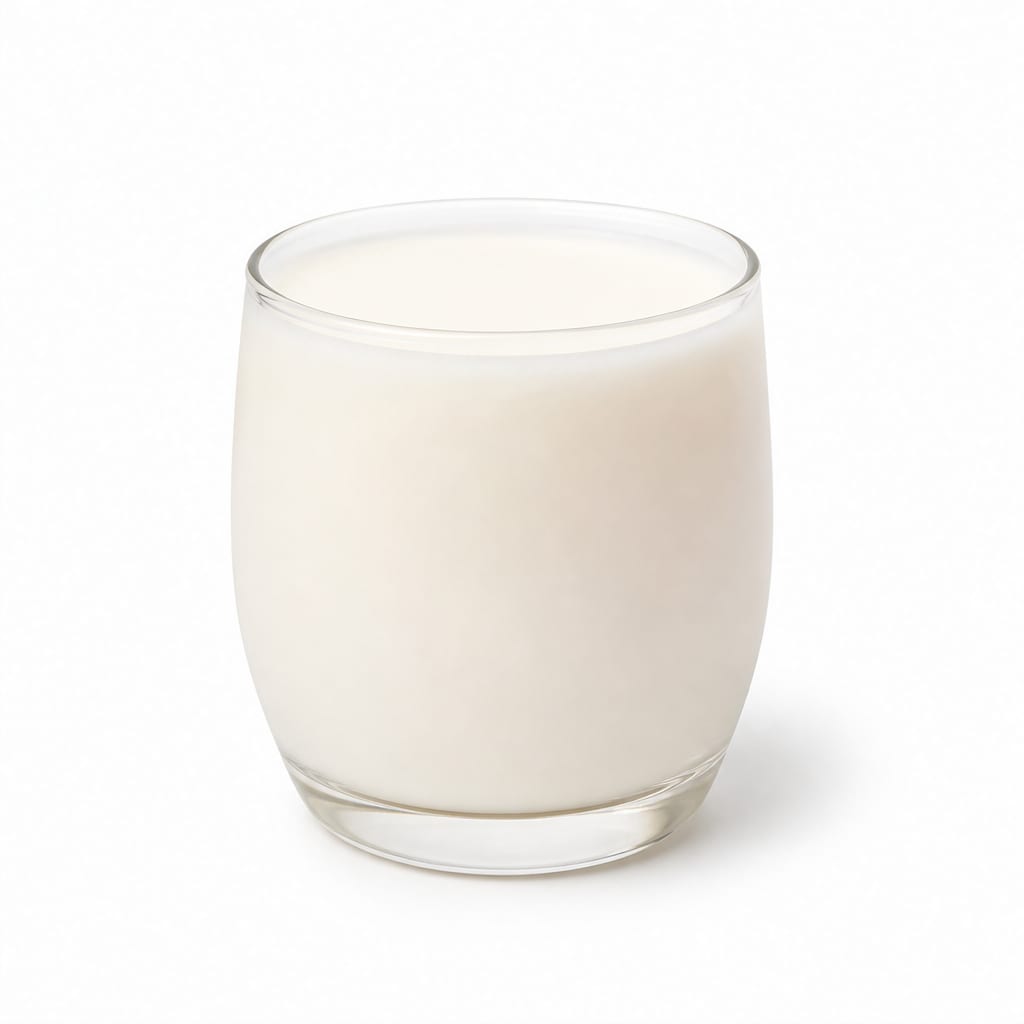
Compare with
Coconut Milk
Coconut milk is high in saturated fat, while buttermilk is low in fat and rich in probiotics.
Buttermilk is much lower in calories and fat than coconut milk and provides probiotics, making it better for weight loss and gut health.
This food
Buttermilk
VS65% alike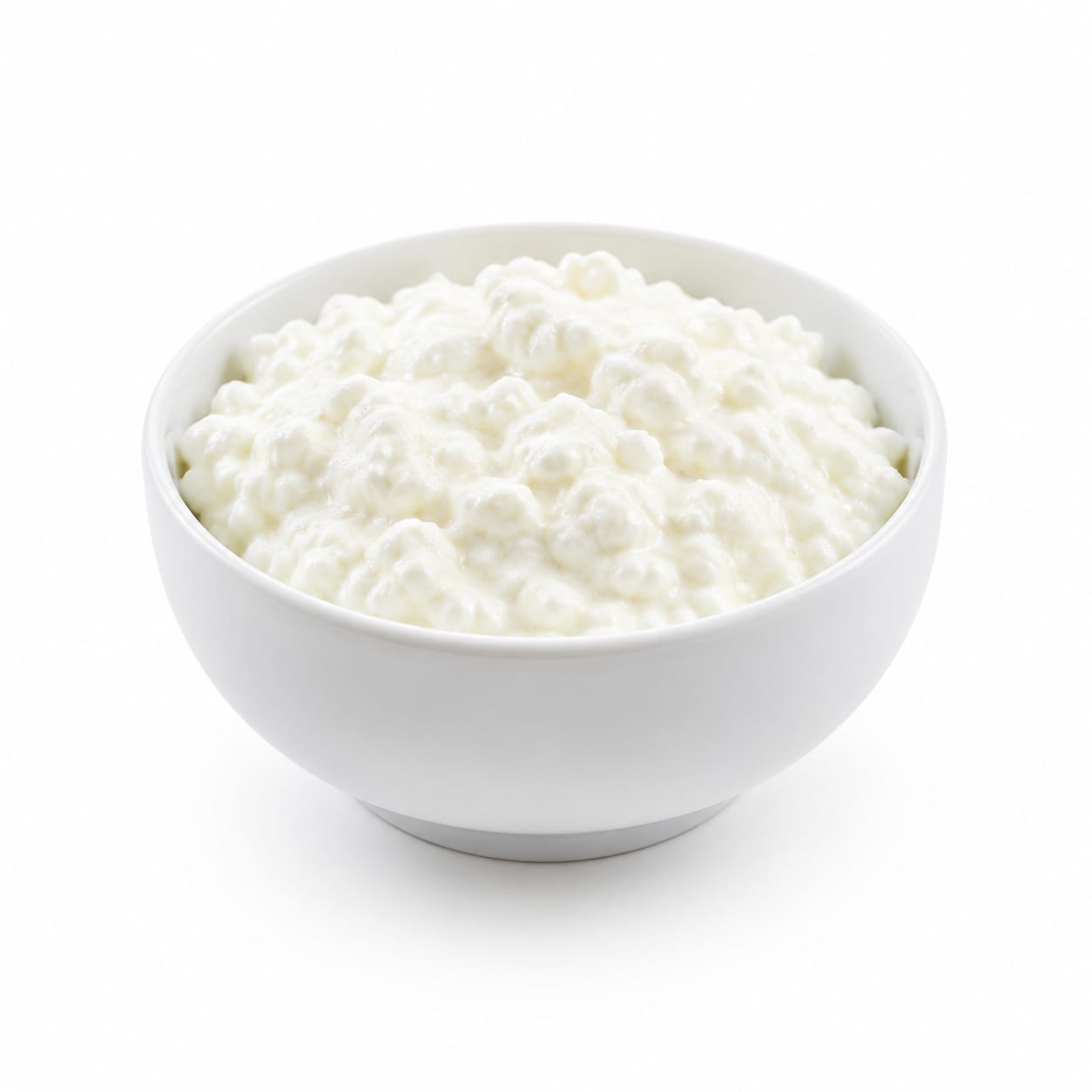
Compare with
Cottage Cheese
Cottage cheese is high in protein and eaten with a spoon, while buttermilk is a lower-protein beverage.
Cottage cheese is far superior for protein and satiety, but buttermilk is a lighter, drinkable alternative with probiotics.
This food
Buttermilk
VS45% alike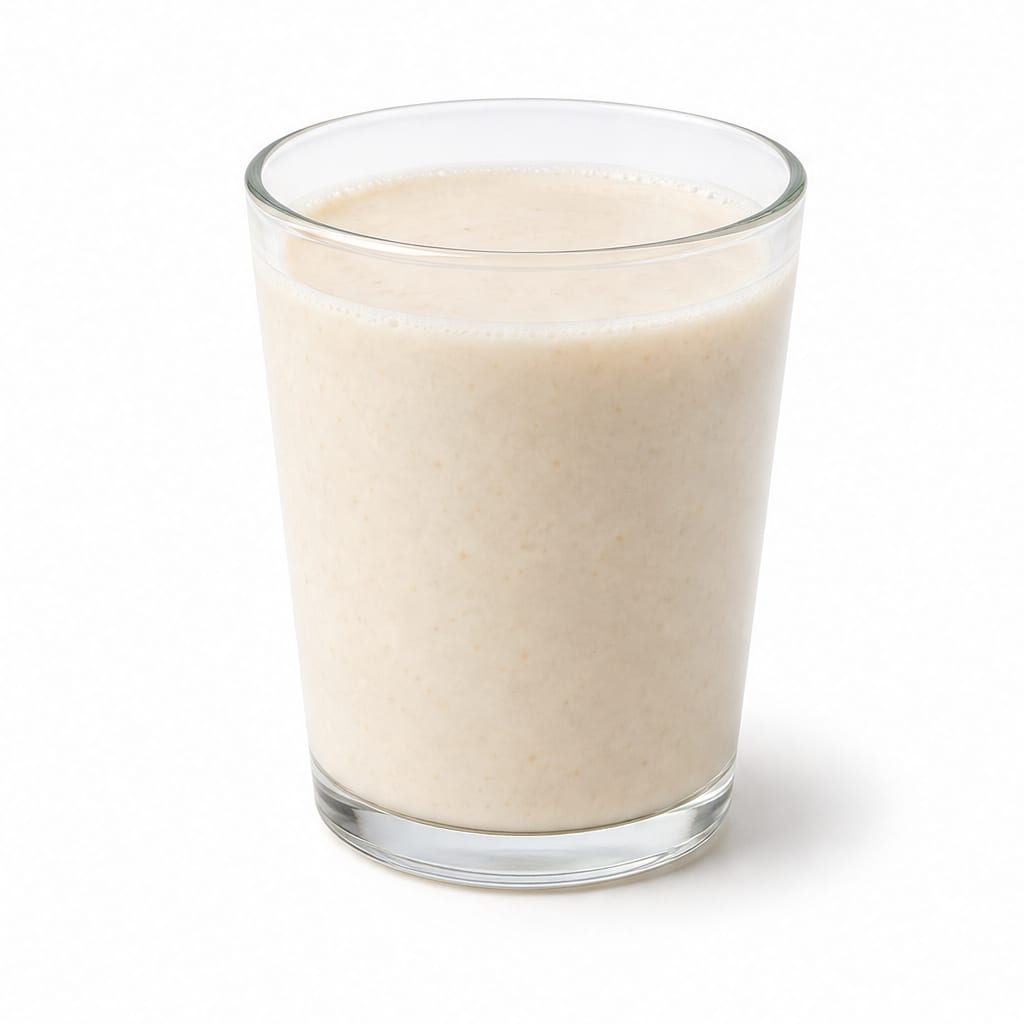
Compare with
Oat Milk
Oat milk is plant-based and higher in carbs, while buttermilk is dairy-based with more protein and probiotics.
Buttermilk is lower in carbs and higher in protein than oat milk, offering better blood sugar control and gut health benefits.
Common questions
FAQ
Answers aligned with how people search for this food.
Is buttermilk good for weight loss?
Yes, buttermilk is low in calories and fat while providing a good amount of protein, which helps keep you full and supports weight management.
Can diabetics drink buttermilk?
Yes, buttermilk has a low glycemic index, meaning it causes a slow, steady rise in blood sugar rather than a sharp spike.
Is buttermilk high in fat?
No, despite its name, modern cultured buttermilk is typically made from skim or low-fat milk and contains only about 1 gram of fat per cup.
Does buttermilk have probiotics?
Yes, cultured buttermilk contains live lactic acid bacteria that act as probiotics, supporting digestive health.
What is the difference between buttermilk and kefir?
Both are fermented dairy drinks, but kefir is fermented with yeast and bacteria grains, making it thinner and slightly fizzy, while buttermilk is thicker and fermented only with lactic acid bacteria.
Can I drink buttermilk if I am lactose intolerant?
Many people with lactose intolerance can tolerate buttermilk better than regular milk because the bacterial cultures break down much of the lactose.
Is buttermilk good for acid reflux?
Buttermilk is often recommended for acid reflux because it is cooling and the probiotics may help soothe the digestive tract, though individual tolerance varies.
Transparency
Data confidence
Estimated confidence for nutrition data, interpretation, safety notes, and comparisons.
Nutrition data
Health analysis
Food safety
Comparisons