
Nutrition comparison
Buttermilk vs Sour Cream: Nutrition, Calories, and Best Uses
Compare Buttermilk vs Sour Cream to see which is healthier. Learn the calorie, protein, and fat differences, plus the best culinary uses for each dairy product.
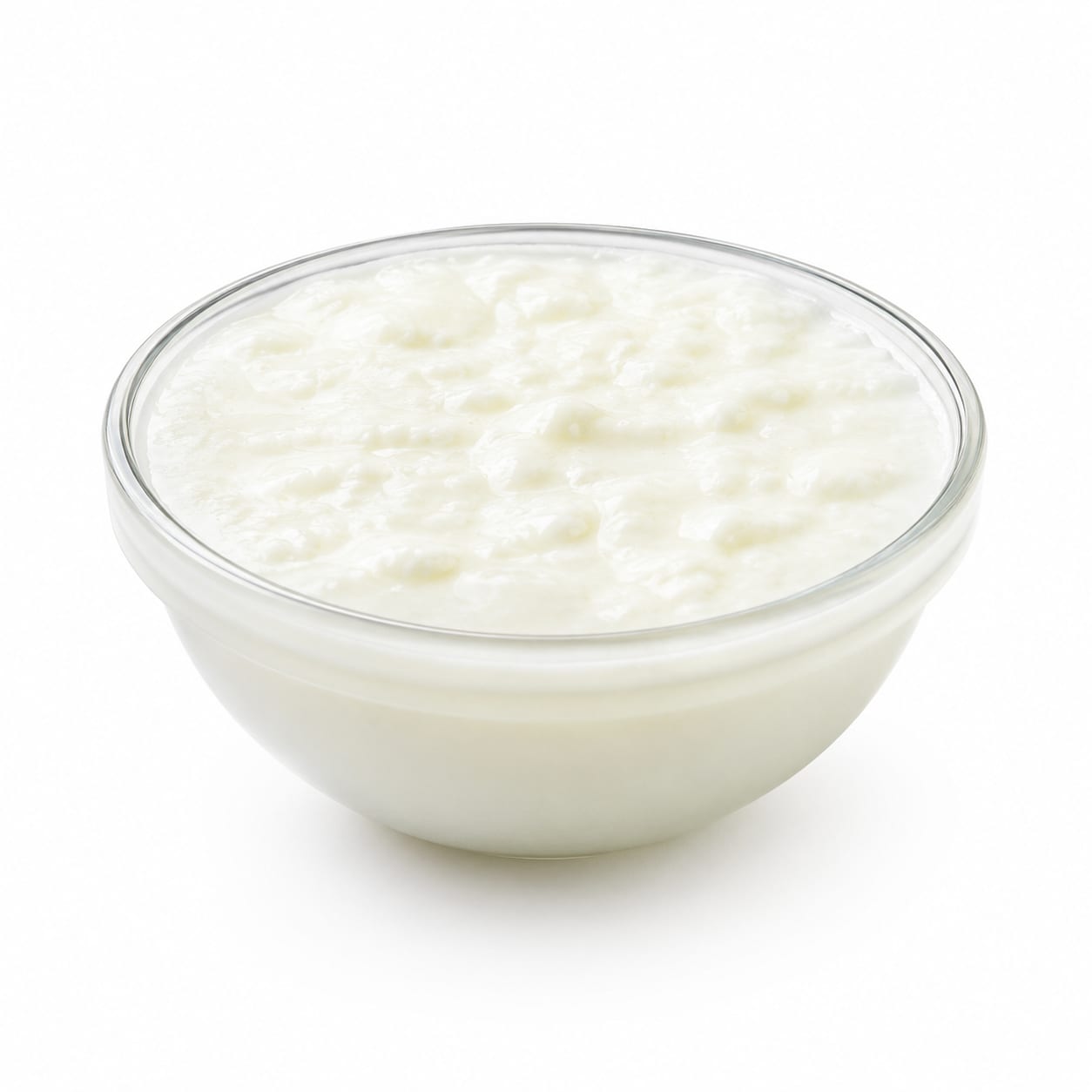
Buttermilk
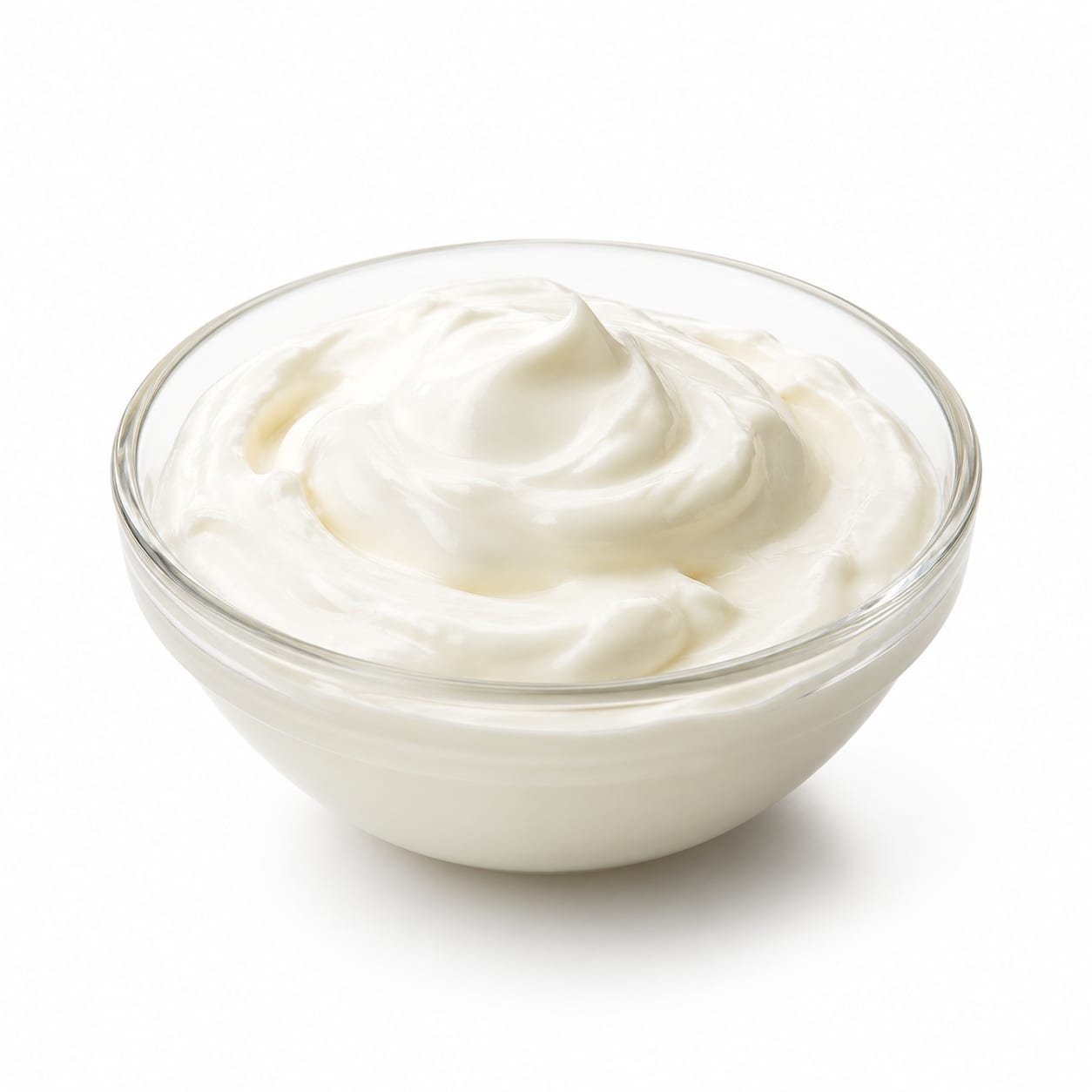
Sour Cream
Buttermilk is a lean, protein-rich fluid ideal for drinking and baking, while Sour Cream is a dense, high-fat condiment built for richness and topping.
Buttermilk scores higher overall due to its superior protein-to-calorie ratio and versatility as a daily beverage. Sour Cream loses points for high calorie density and saturated fat, though it excels in its niche as a flavor-enhancing topping.
You trade low calories and high protein in Buttermilk for the satisfying richness and keto-friendliness of Sour Cream.
At a glance
Executive summary
Overall
It depends
Healthier
Buttermilk
More practical
It depends
Daily use
Buttermilk
Key comparison lenses
Calorie density and weight management
Buttermilk is primarily water and protein, while Sour Cream is heavily fat-dominant, creating a massive calorie gap per serving.
Culinary role and usage
Buttermilk is a drinkable or baking liquid, whereas Sour Cream is a thick condiment or topping; they serve entirely different kitchen purposes.
Macronutrient balance for specific diets
Sour Cream fits low-carb and keto diets due to high fat, while Buttermilk suits high-protein or low-fat diets.
Digestive tolerance and gut health
Both are fermented dairy, but their fat and lactose content differ, affecting how easily people digest them.
Best choice for
Buttermilk
- People counting calories
- High-protein, low-fat dieters
- Bakers making tender cakes and marinades
- Those seeking a hydrating, probiotic drink
Sour Cream
- Keto and low-carb dieters
- Those needing a rich, satisfying topping
- People wanting to increase healthy fat intake
- Recipes requiring thick texture and tang
Least suitable for
Buttermilk
- Strict keto dieters due to higher carbs
- Those wanting a thick, spreadable condiment
- People with severe lactose intolerance
Sour Cream
- Low-fat or calorie-restricted dieters
- Those watching saturated fat intake
- Recipes requiring a thin, pourable liquid
Deep comparison
Dimension by dimension
Each lens scores both foods and breaks down who each option suits.
- Dimension 1 · Priority 95Buttermilk
Calorie Density & Weight Management
Buttermilk · 92Sour Cream · 35Buttermilk is incredibly light, while Sour Cream is calorie-dense.
Tradeoff
You sacrifice the rich mouthfeel of Sour Cream to save hundreds of calories per serving with Buttermilk.
Why it matters
It is very easy to overshoot daily calories with a few spoonfuls of Sour Cream, whereas Buttermilk is forgiving.
Real-world impact
A cup of Buttermilk has about 100 calories; a cup of Sour Cream has over 400. Using Buttermilk in ranch dressing or baking slashes calories effortlessly.
Buttermilk
- Cutting calories without sacrificing portion size
- Daily consumption without weight gain risk
Better for
- Those who need calorie-dense foods to maintain weight
Worse for
Sour Cream
- Adding calories easily for weight gain
- Low-carb high-fat diet goals
Better for
- Anyone tracking a calorie deficit
Worse for
- Dimension 2 · Priority 85It depends
Macronutrient Balance
Buttermilk · 82Sour Cream · 60Buttermilk is protein-forward; Sour Cream is fat-forward.
Tradeoff
Buttermilk fuels muscle and satiety via protein, while Sour Cream provides low-carb energy via fat but lacks protein.
Why it matters
Your macro goals dictate the winner here. Protein supports muscle and fullness; fat supports flavor and low-carb energy.
Real-world impact
After a workout, Buttermilk offers useful protein for recovery. On a keto diet, Sour Cream keeps carbs near zero while providing fuel.
Buttermilk
- Post-workout recovery
- Meeting daily protein targets
Better for
- Those strictly limiting carbohydrates
Worse for
Sour Cream
- Strict ketogenic macros
- High-fat, low-carb meal plans
Better for
- Anyone needing a protein boost
Worse for
- Dimension 3 · Priority 90It depends
Culinary Versatility & Use Case
Buttermilk · 78Sour Cream · 85Buttermilk tenderizes and hydrates; Sour Cream tops and thickens.
Tradeoff
Buttermilk is essential for baking and marinades but fails as a topping. Sour Cream is the ultimate topping but cannot be drunk or used to thin batters.
Why it matters
Substituting one for the other usually ruins a recipe's texture and moisture balance.
Real-world impact
Buttermilk makes fried chicken batter crispy and cakes fluffy. Sour Cream makes baked potatoes and tacos creamy and indulgent.
Buttermilk
- Marinades and brines
- Baking cakes and scones
- Thin salad dressings
Better for
- Need a thick, dollopable garnish
Worse for
Sour Cream
- Thick dips and spreads
- Toppings for soups and potatoes
- Mousses and creamy desserts
Better for
- Need a pourable liquid for soaking or drinking
Worse for
- Dimension 4 · Priority 75It depends
Satiety & Fullness
Buttermilk · 72Sour Cream · 78Sour Cream fills you up faster per bite, but Buttermilk fills you up with fewer calories.
Tradeoff
Fat makes Sour Cream feel heavy and satisfying instantly, while Buttermilk relies on volume and protein to keep you full.
Why it matters
If you need a small amount of something to feel satisfied, Sour Cream wins. If you want a larger portion without the guilt, Buttermilk wins.
Real-world impact
A couple of tablespoons of Sour Cream on a taco feel very satisfying. A glass of Buttermilk quenches thirst and curbs hunger for hours without the heaviness.
Buttermilk
- Large-volume snacking without the calorie crash
- Staying hydrated while feeling full
Better for
- Those who need dense calories to feel satisfied
Worse for
Sour Cream
- Quick satiety in small portions
- Making light meals feel indulgent
Better for
- Those who tend to overeat rich foods
Worse for
- Dimension 5 · Priority 70Buttermilk
Gut Health & Digestion
Buttermilk · 80Sour Cream · 70Both offer probiotics, but Buttermilk is generally easier on the stomach.
Tradeoff
Buttermilk's lower fat content makes it digest more quickly, while Sour Cream's high fat can slow digestion, which is good for satiety but bad if you have a sensitive stomach.
Why it matters
High-fat foods can trigger reflux or sluggishness in sensitive individuals, whereas lighter fermented dairy tends to soothe the gut.
Real-world impact
Buttermilk is a traditional remedy for settling an upset stomach. Sour Cream, while probiotic, can feel heavy and aggravate heartburn for some after a large meal.
Buttermilk
- Soothing an upset stomach
- Quick digestion without bloating
Better for
- Those with severe lactose intolerance
Worse for
Sour Cream
- Slowed digestion for steady energy release
Better for
- Prone to acid reflux or gallbladder issues
Worse for
Timeline
Health impact over time
Short-term
Hours to days
Buttermilk
- Provides quick hydration and a light protein boost
- Can help settle the stomach due to lactic acid
Sour Cream
- Delivers immediate satiety and energy from fat
- Can trigger sluggishness or heartburn in sensitive people
Long-term
Months to years
Buttermilk
- Supports lean muscle maintenance with consistent protein
- Promotes bone density without excessive saturated fat
Sour Cream
- Frequent use may elevate saturated fat intake, impacting heart health
- Supports fat-soluble vitamin absorption when paired with veggies
Risk profile
Safety & processing
Both are cultured dairy products, but commercial Sour Cream often contains stabilizers like guar gum or carrageenan to maintain thickness. Buttermilk is typically simpler, containing just milk and cultures.
Buttermilk
Spoilage and bacterial growth
mediumButtermilk is highly perishable once opened and can harbor harmful bacteria if left unrefrigerated, though its high acidity provides some natural protection.
Lactose intolerance reaction
mediumDespite culturing, Buttermilk still contains moderate lactose that can cause discomfort for highly sensitive individuals.
Sour Cream
Spoilage and mold
mediumSour Cream grows mold quickly if contaminated by double-dipping or improper sealing.
Listeria from unpasteurized versions
highUnpasteurized Sour Cream poses a severe listeria risk, especially dangerous for pregnant women.
Who wins for whom
Audience fit
Same foods, different winners depending on your goal.
children
It dependsButtermilk is great for hydration and growth, but Sour Cream makes veggies more appealing to picky eaters with its rich flavor.
daily consumption
ButtermilkA daily glass of Buttermilk is light and nutritious, whereas daily Sour Cream consumption would likely push saturated fat intake too high.
diabetes
ButtermilkWhile both are relatively low in sugar, Buttermilk's lower fat content prevents the insulin resistance risks associated with high saturated fat intake.
elderly
ButtermilkButtermilk offers easier digestion, high protein to prevent muscle wasting, and hydration benefits that are crucial for older adults.
muscle gain
ButtermilkButtermilk contains roughly double the protein of Sour Cream per calorie, making it more useful for muscle repair and growth.
weight loss
ButtermilkButtermilk provides a fraction of the calories and significantly more protein per serving, making it far easier to maintain a calorie deficit.
Your move
Decision guide
Choose Buttermilk
- You want a low-calorie, high-protein dairy option
- You are baking cakes, scones, or marinating chicken
- You need a refreshing, gut-friendly drink
- You are watching your saturated fat intake
Choose Sour Cream
- You are on a keto or strict low-carb diet
- You need a rich, thick topping for tacos, soups, or potatoes
- You want to make a creamy dip or dessert base
- You need dense calories and high fat for energy
Either works if
- You are making a homemade ranch or creamy dressing
- You want probiotic benefits from cultured dairy
- You need a tangy flavor boost to a bland dish
Avoid both if
- You have a severe dairy allergy
- You are strictly vegan
Final recommendation
Let your culinary goal and macro needs decide. Drink Buttermilk for a light, protein-rich refreshment or use it for baking. Reach for Sour Cream when you need a satisfying, high-fat topping, but keep portions modest to manage calories and saturated fat.
Practical
Consumer tips
- 1
If you love Sour Cream's tang but want Buttermilk's macros, try mixing plain Greek yogurt with a splash of lemon juice as a topping.
- 2
Freeze Buttermilk in ice cube trays if you only need small amounts for baking; it thaws perfectly.
- 3
To make a lighter sour cream substitute, blend cottage cheese with a little Buttermilk until smooth.
- 4
If a recipe calls for Sour Cream and you only have Buttermilk, you can sometimes use Greek yogurt to mimic the thickness without the fat.