
Nutrition comparison
Buttermilk vs Skim Milk: Which Is Healthier for You?
Compare buttermilk and skim milk on calories, protein, probiotics, calcium absorption, and sodium. Find out which low-fat dairy is better for weight loss, gut health, and daily use.
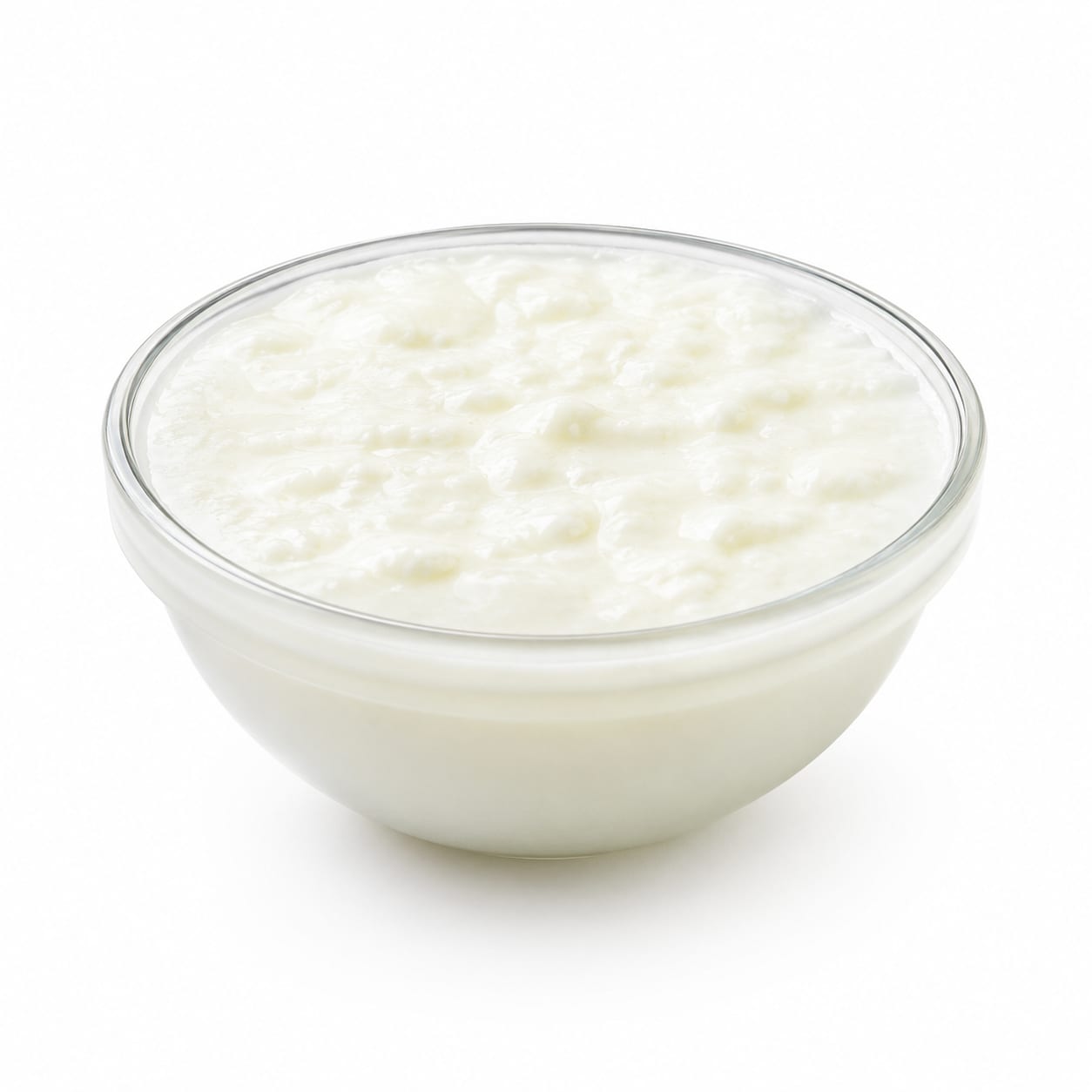
Buttermilk
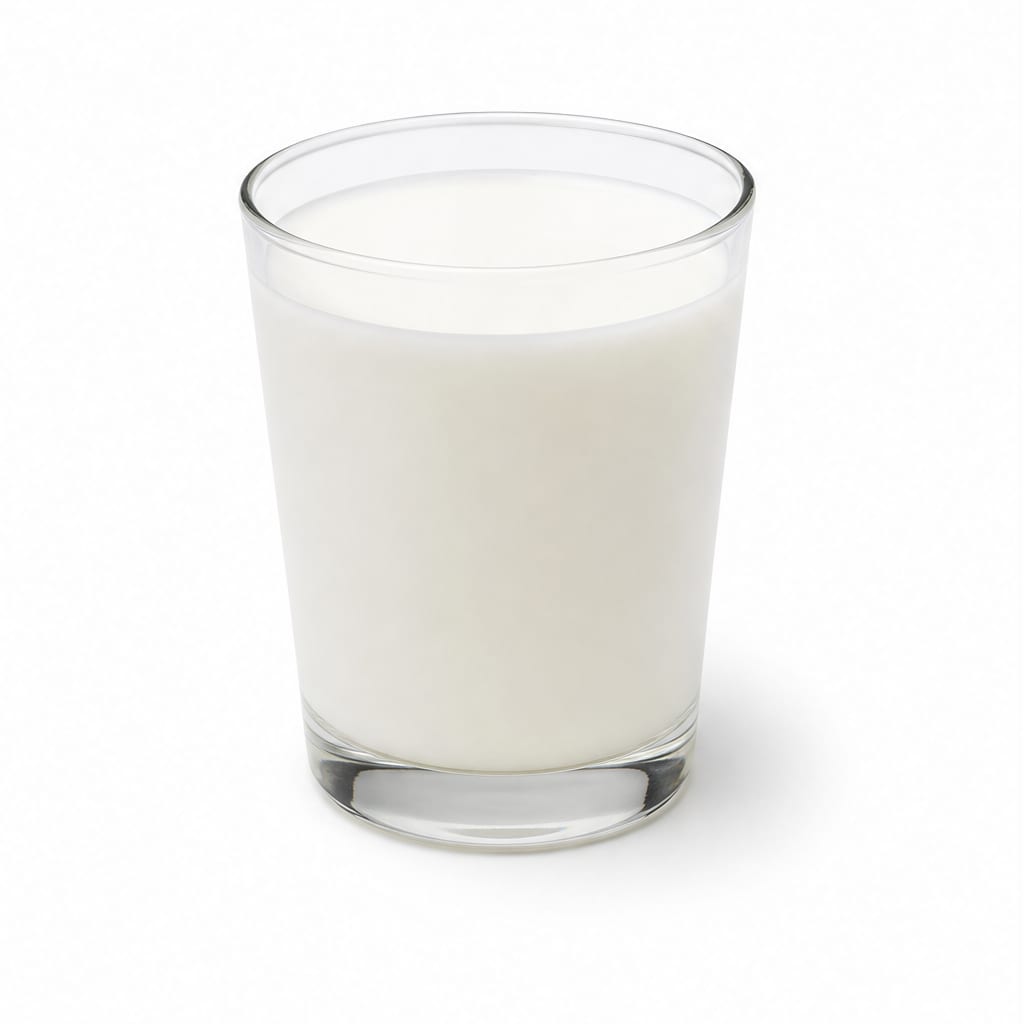
Skim Milk
Buttermilk wins for gut health and cooking versatility; skim milk wins for pure calorie efficiency and neutral everyday drinking.
Skim milk edges ahead slightly due to lower calories, lower sodium, and broader everyday utility. Buttermilk's probiotic and culinary advantages keep it competitive, but its narrower use cases and higher sodium pull the score down.
You trade a few extra calories and some sodium in buttermilk for probiotics, better calcium absorption, and richer flavor. Skim milk gives you the lowest-calorie, most neutral dairy base.
At a glance
Executive summary
Overall
It depends
Healthier
It depends
More practical
Skim Milk
Daily use
Skim Milk
Key comparison lenses
weight loss and calorie efficiency
Both are low-calorie dairy options, so users are likely deciding which better supports fat loss goals
digestive health and gut benefits
Buttermilk's cultured nature and probiotics are a key differentiator from skim milk
protein and muscle support
Both provide dairy protein but users may want to know which is more efficient for lean muscle
bone health and calcium absorption
Lactic acid in buttermilk may enhance calcium bioavailability, making this a meaningful comparison point
culinary versatility and taste
Buttermilk's tangy flavor changes how it can be used compared to neutral skim milk
Best choice for
Buttermilk
- People seeking probiotic benefits and easier digestion
- Home cooks who bake or make marinades regularly
- Anyone wanting more satisfying flavor without heavy fat
- Those with mild lactose sensitivity who tolerate fermented dairy better
Skim Milk
- Strict calorie counters aiming for maximum protein per calorie
- People who drink milk daily as a neutral beverage
- Anyone watching sodium intake closely
- Those who want the simplest, most versatile dairy staple
Least suitable for
Buttermilk
- People on low-sodium diets due to added salt in most commercial buttermilk
- Anyone wanting a neutral-flavored drink for smoothies or cereal
- Those avoiding fermented or cultured foods
Skim Milk
- People seeking probiotic or gut health benefits from dairy
- Anyone who finds skim milk too thin or unsatisfying
- Those wanting richer flavor without adding fat
Deep comparison
Dimension by dimension
Each lens scores both foods and breaks down who each option suits.
- Dimension 1 · Priority 92Skim Milk
calorie_efficiency_and_weight_management
Buttermilk · 70Skim Milk · 90Skim milk delivers more protein per calorie and fewer total calories, making it the leaner choice for weight management.
Tradeoff
Buttermilk's extra ~15-20 calories per cup come with probiotic benefits and more satisfying flavor, but they add up if you drink multiple servings daily.
Why it matters
When cutting calories, every 15-20 calories per cup matters over weeks and months of daily consumption.
Real-world impact
Two cups a day of skim milk instead of buttermilk saves roughly 200 calories per week — meaningful for gradual fat loss.
Buttermilk
- People who find skim milk too thin and end up snacking more later
Better for
- Those who need maximum calorie restriction
Worse for
Skim Milk
- Consistent calorie counters tracking every macro
- People who consume multiple dairy servings daily
Better for
- People who feel unsatisfied and compensate with extra food
Worse for
- Dimension 2 · Priority 88Buttermilk
digestive_health_and_gut_benefits
Buttermilk · 88Skim Milk · 45Cultured buttermilk contains live probiotic cultures and lactic acid that support gut health and ease digestion. Skim milk offers none of this.
Tradeoff
You gain real gut benefits from buttermilk but accept slightly higher sodium and calories compared to skim milk.
Why it matters
Gut health affects everything from immunity to mood. A daily probiotic source from food is more sustainable than supplements for most people.
Real-world impact
People with mild lactose sensitivity often tolerate buttermilk better because lactic acid bacteria pre-digest some lactose.
Buttermilk
- Anyone with mild lactose intolerance
- People seeking daily probiotic intake from whole foods
- Those with sluggish digestion or bloating after dairy
Better for
- Those avoiding fermented foods for any reason
Worse for
Skim Milk
- People with no digestive concerns who prioritize simplicity
Better for
- Anyone specifically looking for gut health support from dairy
Worse for
- Dimension 3 · Priority 78Skim Milk
protein_quality_and_muscle_support
Buttermilk · 72Skim Milk · 82Both provide complete dairy protein with all essential amino acids, but skim milk offers slightly more protein per calorie and per cup.
Tradeoff
Buttermilk's protein is nearly identical in quality, but you get marginally less of it per serving due to the culturing process diluting concentration slightly.
Why it matters
For post-workout recovery or maintaining muscle during weight loss, protein density per calorie matters.
Real-world impact
After a workout, a cup of skim milk gives you about 8.3g protein for 83 calories. Buttermilk gives roughly 8g for 99 calories — a small but real efficiency gap.
Buttermilk
- Post-workout recovery where flavor enjoyment matters more than micro-optimization
Better for
- Strict macro trackers optimizing every gram
Worse for
Skim Milk
- Athletes tracking protein-per-calorie ratios precisely
- Anyone in a calorie deficit trying to preserve muscle
Better for
- People who find plain skim milk unappealing after exercise
Worse for
- Dimension 4 · Priority 74Buttermilk
bone_health_and_calcium_absorption
Buttermilk · 85Skim Milk · 75Buttermilk's lactic acid lowers the pH, which increases calcium solubility and may improve absorption. Both are good calcium sources, but buttermilk has a bioavailability edge.
Tradeoff
The calcium advantage is real but modest. Skim milk is often fortified with vitamin D, which also supports calcium uptake, partially closing the gap.
Why it matters
Calcium you absorb matters more than calcium you consume. Small absorption improvements compound over years of daily intake.
Real-world impact
For someone at risk of osteoporosis, buttermilk's absorption advantage could translate to meaningfully better bone density over decades.
Buttermilk
- Older adults focused on bone density
- Women post-menopause concerned about osteoporosis
Better for
- Those who already supplement calcium and may not need enhanced absorption
Worse for
Skim Milk
- People who get vitamin D from other sources and just need baseline calcium
Better for
- Anyone relying solely on dairy for calcium absorption optimization
Worse for
- Dimension 5 · Priority 70Skim Milk
sodium_load_and_cardiovascular_impact
Buttermilk · 50Skim Milk · 85Commercial buttermilk typically contains added salt, delivering 150-250mg sodium per cup. Skim milk has only about 100mg naturally.
Tradeoff
That tangy buttermilk flavor partly comes from added sodium. If you drink 2-3 cups daily, this can push you toward higher sodium intake.
Why it matters
For salt-sensitive individuals, an extra 100-150mg sodium per serving can meaningfully affect blood pressure over time.
Real-world impact
Three cups of buttermilk daily could add 300-450mg more sodium than the same amount of skim milk — roughly 15-20% of the daily recommended limit.
Buttermilk
- Active people who sweat heavily and need more sodium
Better for
- People monitoring blood pressure closely
- Those eating mostly processed foods with hidden sodium
Worse for
Skim Milk
- Anyone with hypertension or salt sensitivity
- People already consuming high-sodium diets
Better for
- Endurance athletes who might benefit from extra electrolytes
Worse for
- Dimension 6 · Priority 68Buttermilk
culinary_versatility_and_taste
Buttermilk · 88Skim Milk · 65Buttermilk's tangy flavor and thicker texture make it irreplaceable in baking, marinades, and dressings. Skim milk is a neutral workhorse but adds no flavor dimension.
Tradeoff
Buttermilk shines in recipes but is less versatile as a standalone drink or in smoothies where its tang can clash.
Why it matters
Food that tastes better and works in more recipes gets used more consistently, which matters for long-term dietary habits.
Real-world impact
Tender pancakes, crispy fried chicken, and creamy ranch dressing all depend on buttermilk. Skim milk cannot replicate these effects.
Buttermilk
- Home bakers making pancakes, biscuits, or cakes
- Anyone making marinades for chicken or pork
- People who enjoy tangy flavors in dressings and dips
Better for
- People who only use milk for drinking or smoothies
- Anyone put off by sour or tangy flavors
Worse for
Skim Milk
- Smoothie makers wanting a neutral base
- Cereal and oatmeal eaters who want classic milk flavor
- Coffee drinkers adding milk to lattes
Better for
- Anyone who cooks and bakes regularly
Worse for
- Dimension 7 · Priority 65Buttermilk
satiety_and_drinking_satisfaction
Buttermilk · 78Skim Milk · 60Buttermilk's thicker texture and richer taste make it more satisfying to drink, despite having only marginally more calories than skim milk.
Tradeoff
Skim milk's thinness can leave you feeling less satisfied, potentially leading to more snacking. Buttermilk feels more like a small meal.
Why it matters
Satiety per calorie is one of the most underrated factors in sustainable weight management.
Real-world impact
A glass of buttermilk at 3pm feels like a meaningful snack. A glass of skim milk feels like flavored water — you may reach for something else within the hour.
Buttermilk
- Afternoon snackers needing something filling
- People replacing higher-calorie snacks with a satisfying dairy drink
Better for
- Anyone wanting a light, refreshing drink
Worse for
Skim Milk
- Those who prefer light, thin beverages
- People who drink milk alongside food rather than alone
Better for
- People who find thin drinks unsatisfying and end up eating more
Worse for
Timeline
Health impact over time
Short-term
Hours to days
Buttermilk
- May reduce bloating after meals due to probiotic content
- Tangy flavor can feel refreshing and satisfying as a standalone drink
- Slightly higher sodium may cause mild water retention in sensitive individuals
Skim Milk
- Light and easy on the stomach for most people
- Quick protein source without digestive heaviness
- May feel unsatisfying if consumed alone, potentially triggering snacking
Long-term
Months to years
Buttermilk
- Consistent probiotic intake may improve gut microbiome diversity over months
- Enhanced calcium absorption could support better bone density long-term
- Higher sodium intake may become a concern if consumed in large quantities daily
Skim Milk
- Lower calorie intake supports sustainable weight management over years
- Consistent protein intake helps preserve lean muscle during aging
- Lack of probiotics means no direct gut health benefit from the milk itself
Risk profile
Safety & processing
Both are relatively clean dairy products. Buttermilk undergoes culturing with added bacterial cultures and typically some salt, making it slightly more processed. Skim milk is simply milk with the fat removed — about as minimal as dairy processing gets. Neither contains artificial additives, emulsifiers, or preservatives in standard forms.
Buttermilk
spoilage_due_to_fermentation
lowButtermilk's acidity actually inhibits many harmful bacteria, giving it a slightly longer safe window than regular milk. Spoilage is usually obvious via off-smells.
sodium_content
mediumCommercial buttermilk often contains 150-250mg sodium per cup from added salt. This is not a contamination risk but a cardiovascular concern for salt-sensitive individuals.
Skim Milk
rapid_spoilage
lowSkim milk spoils faster than whole milk because fat acts as a partial preservative. Without it, bacterial growth accelerates once opened. Keep refrigerated and consume within 5-7 days.
nutrient_loss_from_fat_removal
lowRemoving fat also removes fat-soluble vitamins A and D. Most skim milk is fortified to compensate, but natural vitamin content is reduced.
Who wins for whom
Audience fit
Same foods, different winners depending on your goal.
children
Skim MilkSkim milk's neutral flavor is more kid-friendly, and pediatricians generally recommend it as a standard dairy source. Buttermilk's tang may be off-putting to many children, and the extra sodium is less ideal for developing bodies.
daily consumption
Skim MilkSkim milk's lower sodium, lower calories, and neutral versatility make it easier to consume daily without accumulating dietary tradeoffs. Buttermilk is better as a targeted addition rather than a daily staple.
diabetes
ButtermilkButtermilk's lactic acid and fermentation may produce a slightly lower glycemic response. The probiotic content also supports metabolic health, which is relevant for blood sugar management.
elderly
ButtermilkButtermilk's enhanced calcium absorption and probiotic content are especially valuable for older adults concerned about bone density and digestive health. The sodium should be monitored but the benefits outweigh concerns for most.
muscle gain
Skim MilkBoth provide similar protein quality, but skim milk delivers marginally more protein per calorie and per serving, giving it a slight edge for muscle-building phases where calorie efficiency matters.
weight loss
Skim MilkSkim milk's lower calorie count and slightly higher protein-per-calorie ratio make it the more efficient choice for sustained fat loss, though buttermilk's satiety advantage helps some people eat less overall.
Your move
Decision guide
Choose Buttermilk
- You want probiotic benefits from your dairy without taking supplements
- You bake regularly and need buttermilk for recipes anyway
- You find skim milk unsatisfying and end up snacking more after drinking it
- You have mild lactose sensitivity and tolerate fermented dairy better
- You are an older adult prioritizing calcium absorption and gut health
Choose Skim Milk
- You count calories precisely and want maximum protein per calorie
- You drink milk multiple times daily and need a neutral, versatile base
- You are watching your sodium intake for blood pressure reasons
- You want a simple, everyday dairy staple without second-guessing
- You make smoothies, oatmeal, or coffee drinks where tangy flavor would clash
Either works if
- You just need a low-fat dairy source and have no specific health concerns
- You rotate between both depending on the meal or recipe
- You are meeting calcium and protein needs from other sources too
Avoid both if
- You have a dairy allergy or severe lactose intolerance
- You are following a strict dairy-free or vegan diet
- You experience bloating or skin issues from any dairy consumption
Final recommendation
Keep both in your rotation. Use skim milk as your daily drinking and smoothie base for its calorie efficiency and neutral taste. Use buttermilk strategically for its gut health benefits, cooking versatility, and superior calcium absorption. If you must pick only one, skim milk is the safer all-around choice — but you would be missing out on buttermilk's unique advantages.
Practical
Consumer tips
- 1
Check buttermilk labels for sodium content — brands vary from 150mg to over 250mg per cup
- 2
Look for buttermilk with live active cultures to ensure you are getting real probiotic benefits
- 3
Skim milk fortified with vitamin D is worth seeking out since fat removal depletes natural vitamin D content
- 4
Buttermilk freezes well if you only need small amounts for occasional baking — freeze in ice cube trays
- 5
If buttermilk is too tangy to drink alone, try mixing it half-and-half with skim milk for a milder probiotic drink
- 6
Shake buttermilk well before using — the cultures can settle and create uneven texture