
Nutrition comparison
Buttermilk vs Yogurt: Which is Healthier?
Compare Buttermilk vs Yogurt for protein, probiotics, and weight loss. Find out which fermented dairy is better for your health goals and recipes.
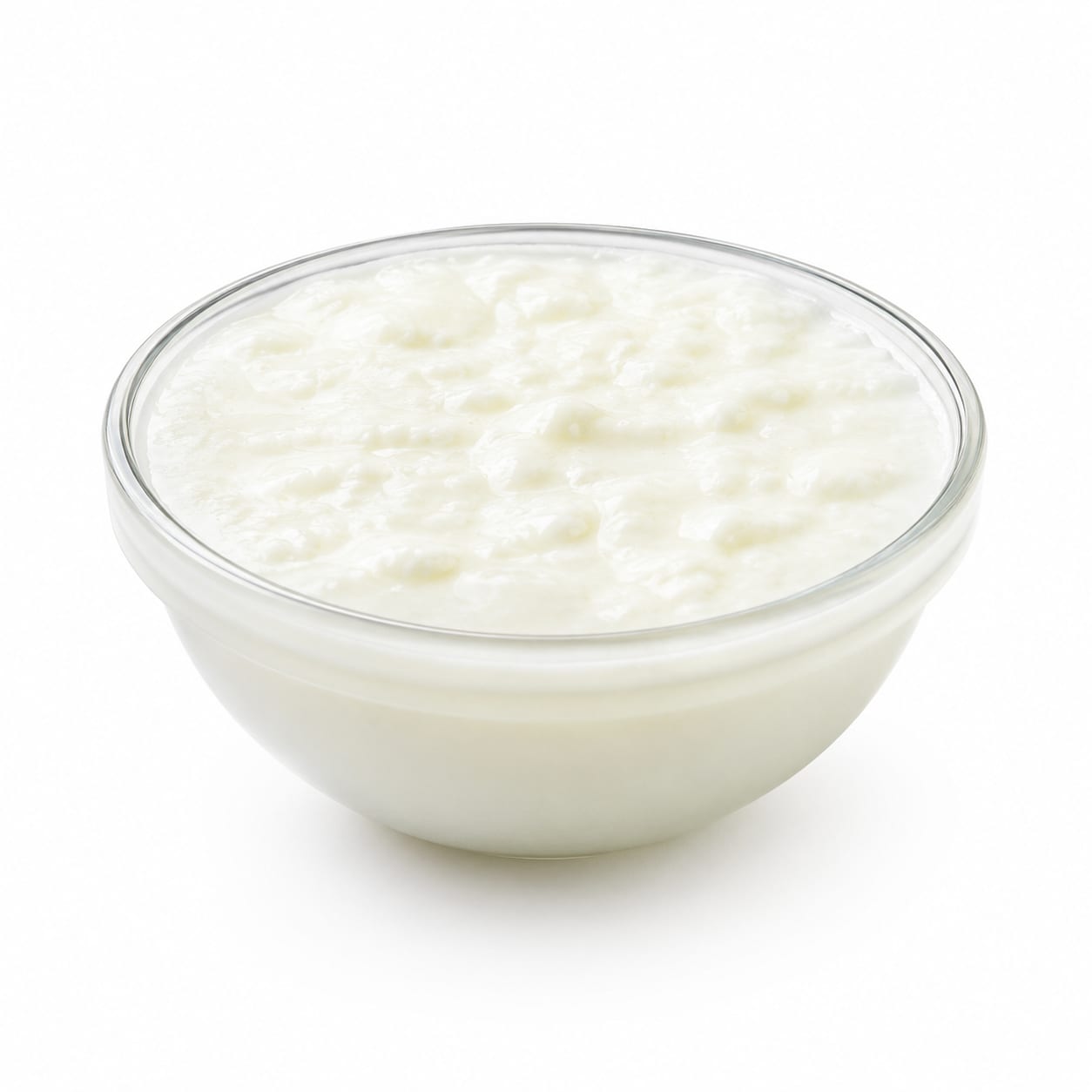
Buttermilk
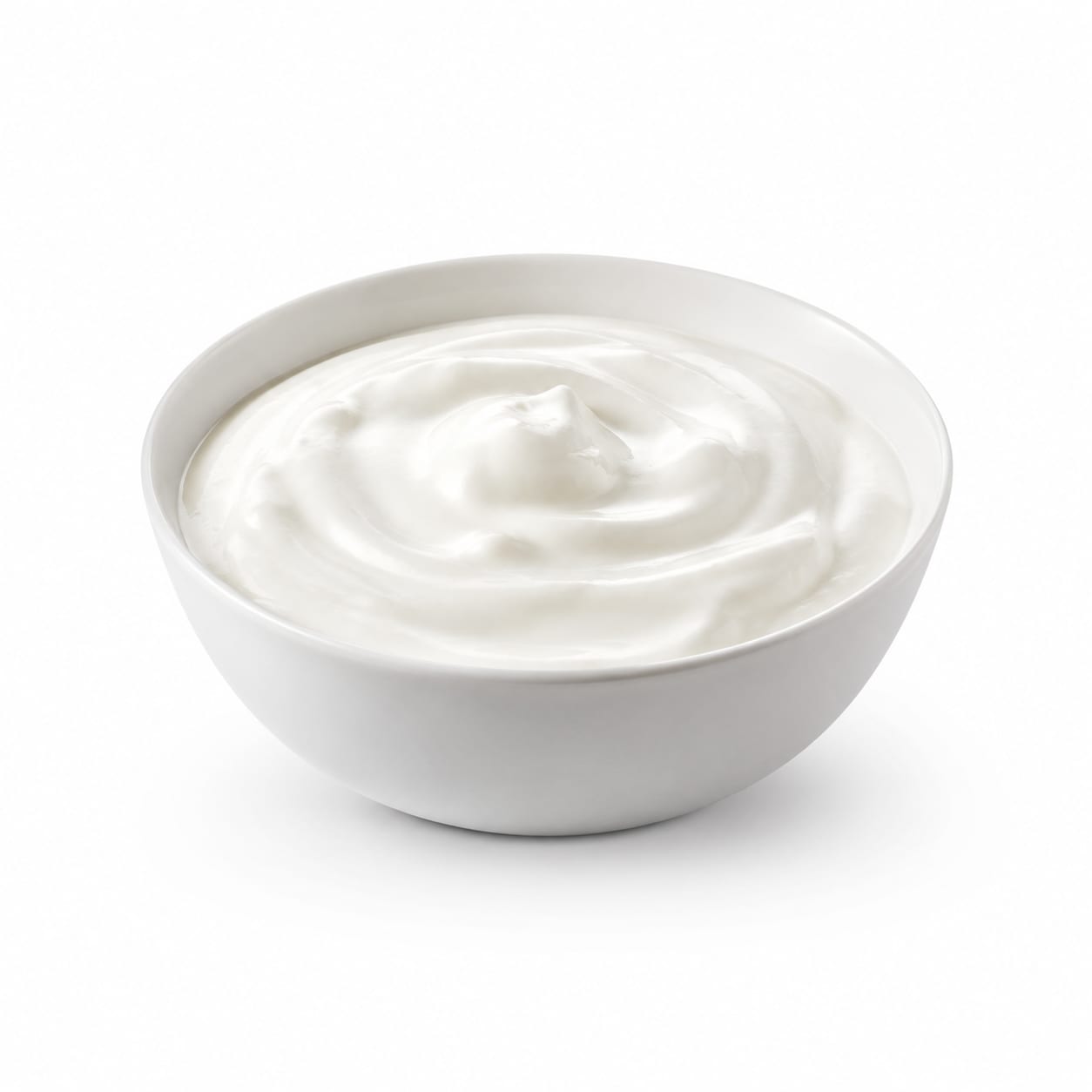
Yogurt
Yogurt is better for protein and snacking, while Buttermilk is a lighter drink and superior baking ingredient.
Yogurt scores higher due to its superior protein content, satiety, and versatility as a standalone food, though Buttermilk holds its own as a low-calorie cooking staple.
Satiety and protein from Yogurt versus lower calories and culinary utility from Buttermilk.
At a glance
Executive summary
Overall
It depends
Healthier
Yogurt
More practical
It depends
Daily use
Yogurt
Key comparison lenses
Daily dairy snack versus cooking ingredient
People often wonder if they can substitute Buttermilk for Yogurt in recipes or as a daily probiotic drink.
Protein and satiety for weight management
Yogurt is a protein powerhouse, while Buttermilk is lighter and lower in calories.
Gut health and probiotics
Both are fermented dairy, but their probiotic profiles and digestibility differ.
Best choice for
Buttermilk
- Baking fluffy Buttermilk pancakes and biscuits
- A light, low-calorie Buttermilk probiotic drink
- People who find thick Yogurt too heavy
Yogurt
- A filling high-protein Yogurt snack
- Smoothie bases and Yogurt breakfast bowls
- Building and maintaining muscle with Yogurt
Least suitable for
Buttermilk
- A high-protein post-workout meal from Buttermilk
- People avoiding added sodium in Buttermilk
- Thick, creamy dessert cravings that Buttermilk cannot satisfy
Yogurt
- Drinking Yogurt straight as a refreshing beverage
- Low-calorie hydration where Buttermilk is better
- Recipes needing a thin liquid like Buttermilk
Deep comparison
Dimension by dimension
Each lens scores both foods and breaks down who each option suits.
- Dimension 1 · Priority 95Yogurt
Protein & Satiety
Buttermilk · 40Yogurt · 90Yogurt delivers significantly more protein and keeps you full much longer than Buttermilk.
Tradeoff
Buttermilk is lighter and easier to drink quickly, but it will not stave off hunger as well as Yogurt.
Why it matters
Protein is crucial for muscle maintenance and preventing overeating later in the day.
Real-world impact
A cup of Yogurt can hold you over until lunch, while Buttermilk might leave you reaching for a snack an hour later.
Buttermilk
- A light stomach before a workout using Buttermilk
- Quick hydration with Buttermilk without feeling stuffed
Better for
- Sustained energy without snacking on Buttermilk
- Muscle building diets using Buttermilk
Worse for
Yogurt
- Staying full with Yogurt until your next meal
- Post-workout muscle recovery with Yogurt
Better for
- Light, thirst-quenching refreshment from Yogurt
Worse for
- Dimension 2 · Priority 80Buttermilk
Calorie & Fat Profile
Buttermilk · 88Yogurt · 65Buttermilk is naturally lower in calories and fat, making it a lighter choice than Yogurt.
Tradeoff
You sacrifice the creaminess and satiety of Yogurt's fat content for a thinner, lower-calorie Buttermilk drink.
Why it matters
For those strictly managing calorie intake, every gram of fat and calorie counts.
Real-world impact
Swapping Yogurt for Buttermilk saves you 50-100 calories per cup, but you might feel less satisfied.
Buttermilk
- Strict calorie counting with Buttermilk
- Low-fat diet protocols using Buttermilk
Better for
- Those needing calorie-dense nutrition from Buttermilk
- People who find low-fat Buttermilk unsatisfying
Worse for
Yogurt
- Keto or low-carb diets using full-fat Yogurt
- Meals where healthy fats in Yogurt provide sustained energy
Better for
- Aggressive fat-loss phases where every calorie from Yogurt counts
Worse for
- Dimension 3 · Priority 85It depends
Digestive Comfort & Gut Health
Buttermilk · 82Yogurt · 88Both Buttermilk and Yogurt are fermented and gut-friendly, but Yogurt typically has a wider variety of live active cultures.
Tradeoff
Buttermilk is thinner and sometimes easier on an upset stomach, while Yogurt offers more diverse probiotic benefits.
Why it matters
A diverse gut microbiome supports immunity and digestion.
Real-world impact
Eating Yogurt daily can improve bowel regularity more effectively, but a glass of Buttermilk can soothe acid reflux for some.
Buttermilk
- Soothing an irritated stomach with Buttermilk
- A light Buttermilk probiotic drink after a heavy meal
Better for
- Getting a high dose of diverse probiotics from Buttermilk
Worse for
Yogurt
- Maximizing probiotic diversity with Yogurt
- Managing lactose intolerance since Yogurt cultures help digest lactose
Better for
- When you cannot tolerate thick Yogurt on a nauseous stomach
Worse for
- Dimension 4 · Priority 75It depends
Culinary Versatility
Buttermilk · 85Yogurt · 80Buttermilk excels in baking, while Yogurt shines in breakfast bowls and savory dips.
Tradeoff
Buttermilk makes the fluffiest pancakes, but Yogurt makes the creamiest sauces and parfaits.
Why it matters
How you plan to use the dairy dictates the better choice.
Real-world impact
Use Buttermilk for tender fried chicken and biscuits; use Yogurt for tzatziki and smoothie bowls.
Buttermilk
- Tenderizing meat with Buttermilk
- Baking light, fluffy baked goods with Buttermilk
Better for
- Making thick dips with thin Buttermilk
- Eating Buttermilk with a spoon as a quick snack
Worse for
Yogurt
- Thick, creamy Yogurt dressings
- No-cook Yogurt breakfast meals
Better for
- Recipes requiring a thin, pourable liquid like Buttermilk
Worse for
Timeline
Health impact over time
Short-term
Hours to days
Buttermilk
- Quick hydration from Buttermilk
- Light feeling in the stomach after drinking Buttermilk
- Potential sodium intake from commercial Buttermilk
Yogurt
- Immediate satiety from eating Yogurt
- Steadier blood sugar due to Yogurt's protein
- Possible bloating from Yogurt if lactose intolerant
Long-term
Months to years
Buttermilk
- Lower calorie intake from Buttermilk supports weight maintenance
- Consistent probiotic intake from Buttermilk for digestion
- Buttermilk may not provide enough protein for muscle retention
Yogurt
- Improved muscle mass from Yogurt's higher protein
- Stronger gut microbiome from Yogurt's diverse cultures
- Risk of excess sugar if eating flavored Yogurt
Risk profile
Safety & processing
Plain Yogurt is typically just milk and live cultures, while commercial Buttermilk often contains added thickeners and salt to mimic the texture of traditional churned Buttermilk.
Buttermilk
Sodium content
mediumCultured Buttermilk often contains added salt, which can be a concern for those managing blood pressure.
Additive sensitivity
lowThickeners like carrageenan in commercial Buttermilk can cause digestive upset in sensitive individuals.
Yogurt
Added sugars
highFlavored Yogurt is notorious for high sugar content, which can spike blood sugar and contribute to weight gain.
Spoilage
lowYogurt can grow mold if not refrigerated properly, though the live cultures generally keep it safe longer than milk.
Who wins for whom
Audience fit
Same foods, different winners depending on your goal.
children
YogurtYogurt is a kid-friendly, spoonable snack that delivers essential protein and calcium for growing bodies.
daily consumption
YogurtYogurt offers a better balance of protein, satiety, and probiotics for an everyday health routine.
diabetes
YogurtUnsweetened Yogurt's protein content stabilizes blood sugar better than Buttermilk, provided you avoid flavored options.
elderly
YogurtThe higher protein in Yogurt helps prevent age-related muscle loss, and it is easy to eat even with dental issues.
muscle gain
YogurtYogurt provides substantially more protein per serving, which is essential for muscle repair and growth.
weight loss
It dependsButtermilk is lower in calories, but Yogurt's high protein prevents overeating, making both viable depending on your strategy.
Your move
Decision guide
Choose Buttermilk
- You are baking and need Buttermilk for a tender, fluffy texture
- You want a light, drinkable Buttermilk probiotic that will not weigh you down
- You are strictly counting calories and prefer a Buttermilk beverage
Choose Yogurt
- You need a filling, high-protein Yogurt snack to get through the afternoon
- You want a versatile Yogurt base for smoothies, bowls, or dips
- You are focused on muscle maintenance or building with Yogurt
Either works if
- You are looking to add fermented dairy like Buttermilk or Yogurt to your diet for gut health
- You need a tangy dairy substitute in a recipe with texture adjustments
Avoid both if
- You have a severe dairy allergy or are strictly vegan
- You are highly sensitive to lactose and lack access to lactose-free Buttermilk or Yogurt
Final recommendation
Choose Yogurt for a satisfying, protein-rich daily staple, but keep Buttermilk on hand for lighter hydration and exceptional baking.
Practical
Consumer tips
- 1
Always opt for plain, unsweetened Yogurt to avoid hidden sugars; add your own fruit for flavor.
- 2
Check the label on Buttermilk for added thickeners and sodium if you are sensitive.
- 3
You can thin out Yogurt with water or milk as a Buttermilk substitute in a pinch, though the flavor will be milder.
- 4
If drinking Buttermilk for probiotics, look for live active cultures on the label, as some commercial versions are heat-treated after fermentation.