
Nutrition comparison
Buttermilk vs Almond Milk: Nutrition, Protein, and Dairy Comparison
Comparing Buttermilk and Almond Milk for protein, calories, and digestion. Find out which milk alternative is better for weight loss, baking, and daily use.
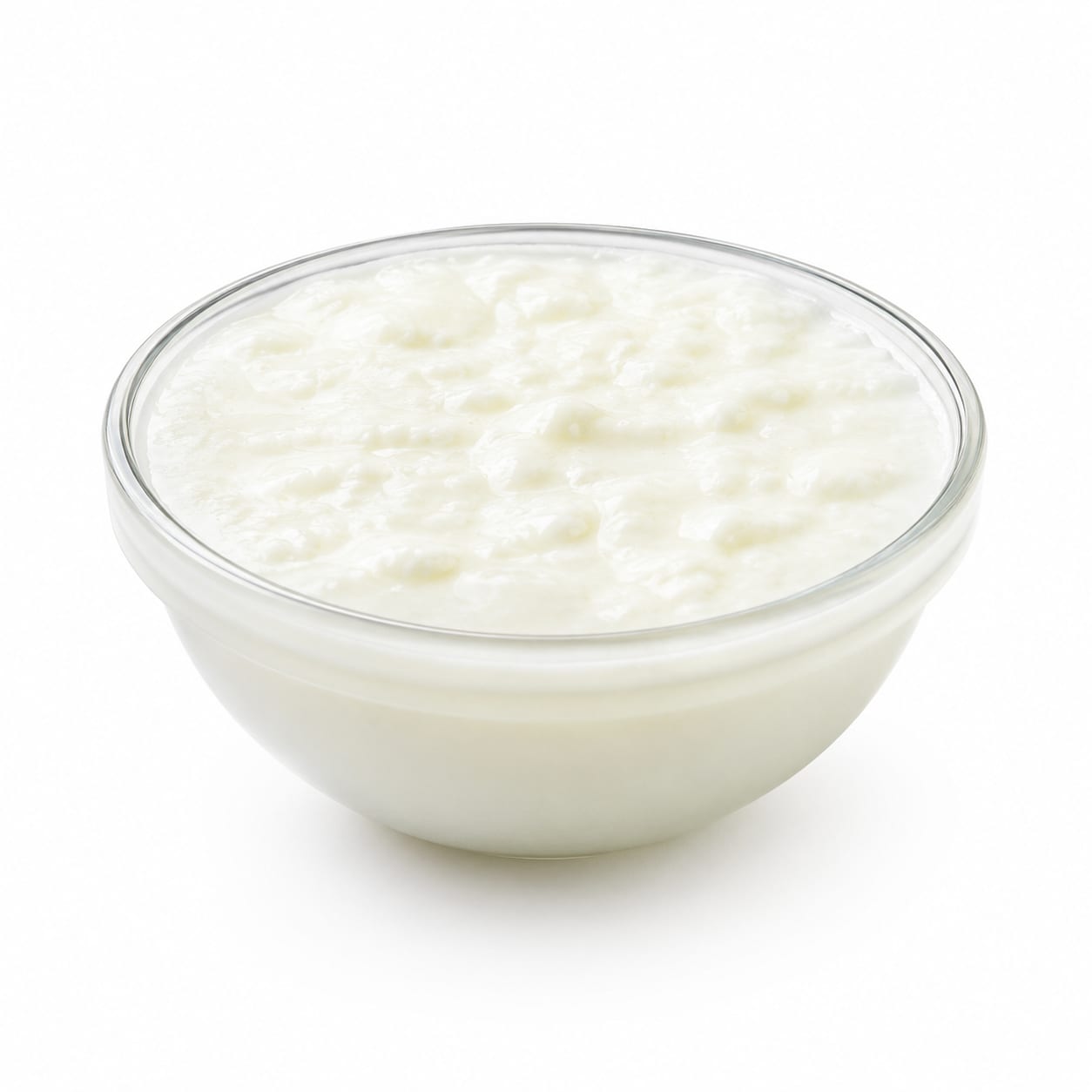
Buttermilk
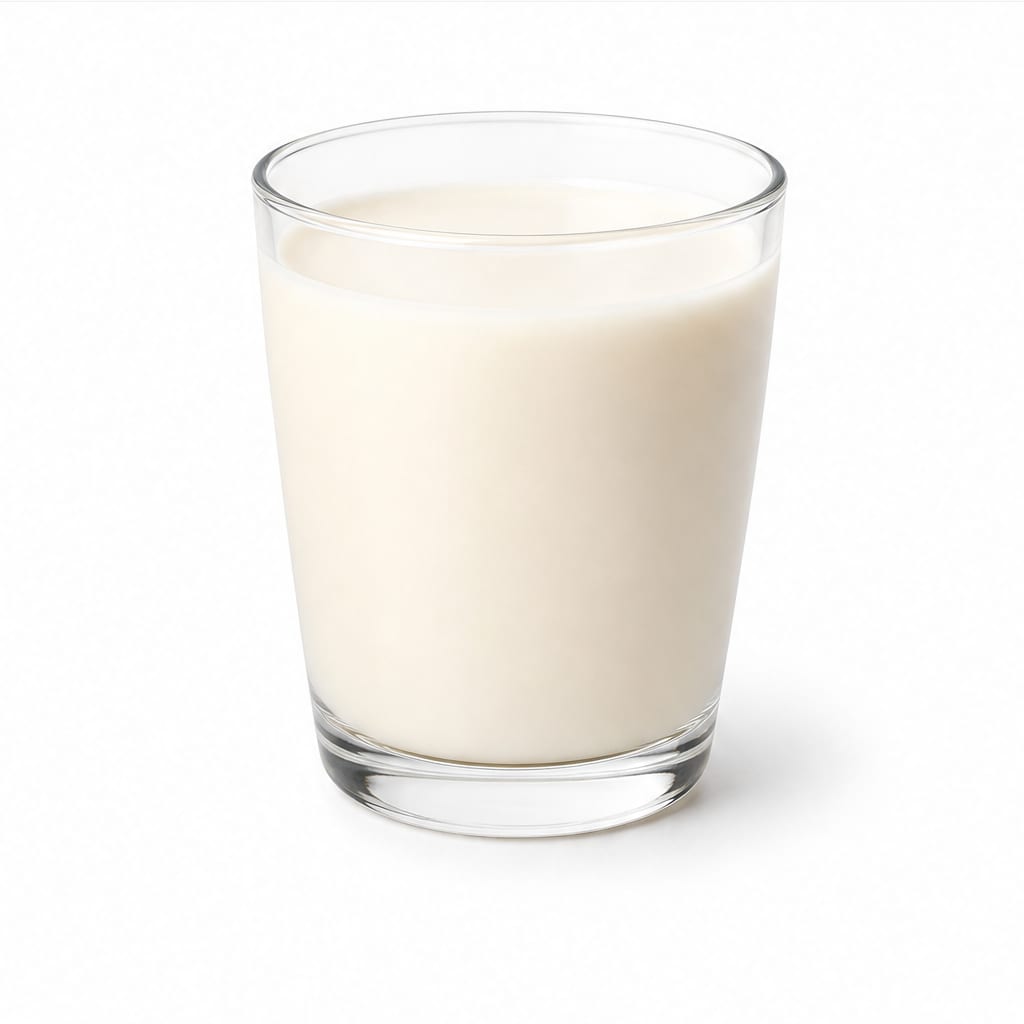
Almond Milk
Buttermilk delivers genuine nutrition and satiety, while Almond Milk is a low-calorie, dairy-free vessel for hydration and flavor.
Buttermilk scores higher for natural nutritional density and satiety, but Almond Milk remains highly popular for its low calorie count and digestive accessibility, making the winner highly context-dependent.
Real protein and probiotics versus near-zero calories and dairy-free digestion.
At a glance
Executive summary
Overall
It depends
Healthier
It depends
More practical
Almond Milk
Daily use
It depends
Key comparison lenses
Dairy vs Plant-Based Digestion
Lactose intolerance and dairy avoidance are primary drivers for choosing Almond Milk over Buttermilk.
Nutritional Density vs Calorie Savings
Buttermilk provides real protein and micronutrients, while Almond Milk offers minimal calories but almost no protein.
Satiety and Blood Sugar Impact
Protein in Buttermilk stabilizes blood sugar and keeps you full, whereas Almond Milk is too light to provide lasting satiety on its own.
Additive and Processing Concerns
Commercial Almond Milk often contains emulsifiers and fortified vitamins, whereas Buttermilk is a naturally cultured whole food.
Best choice for
Buttermilk
- People wanting a filling, protein-rich beverage
- Those seeking natural calcium and B vitamins
- Bakers needing a tangy, tenderizing dairy ingredient
Almond Milk
- Calorie counters and intermittent fasters
- Vegans and lactose-intolerant individuals
- People wanting a light base for smoothies or cereal
Least suitable for
Buttermilk
- Strict vegans and those with dairy allergies
- People with severe lactose intolerance
- Those strictly limiting calories
Almond Milk
- People relying on milk for protein intake
- Those avoiding emulsifiers and synthetic fortification
- Individuals with tree nut allergies
Deep comparison
Dimension by dimension
Each lens scores both foods and breaks down who each option suits.
- Dimension 1 · Priority 95Buttermilk
Protein & Satiety
Buttermilk · 88Almond Milk · 10Buttermilk provides a solid dose of complete protein that keeps you full, while Almond Milk offers almost zero protein.
Tradeoff
You trade the satisfying, hunger-curbing protein of Buttermilk for the empty lightness of Almond Milk.
Why it matters
Protein is essential for staying full between meals and maintaining muscle. Drinking Almond Milk alone won't curb hunger.
Real-world impact
A glass of Buttermilk can hold you over until your next meal. A glass of Almond Milk might leave you reaching for a snack twenty minutes later.
Buttermilk
- Breakfast pairing to stay full longer
- Post-workout recovery hydration
Better for
- Very low-calorie fasting protocols
Worse for
Almond Milk
- Late-night low-calorie craving
- Hydration without feeling heavy
Better for
- Main protein source for a meal
- Recovering from heavy exercise
Worse for
- Dimension 2 · Priority 85Almond Milk
Calorie Density & Weight Management
Buttermilk · 45Almond Milk · 95Almond Milk is a dieter's dream for slashing calories, whereas Buttermilk carries the natural calories of dairy.
Tradeoff
You save significant calories with Almond Milk but sacrifice the nutritional substance that Buttermilk provides.
Why it matters
If you are tracking every calorie, Almond Milk makes cutting easy. But relying on it might leave you undernourished if you aren't careful.
Real-world impact
Swapping Buttermilk for Almond Milk in a daily smoothie saves you about 80 calories, but you will need to add protein powder to feel equally satisfied.
Buttermilk
- Maintaining weight without feeling deprived
Better for
- Aggressive fat-loss phases
Worse for
Almond Milk
- Strict calorie-deficit diets
- Keto coffee creamer alternative
Better for
- Those needing calorie-dense nutrition
Worse for
- Dimension 3 · Priority 90Almond Milk
Digestive Tolerance
Buttermilk · 50Almond Milk · 92Almond Milk is naturally lactose-free and easy on the stomach, while Buttermilk can trouble those with dairy sensitivity.
Tradeoff
You avoid digestive discomfort with Almond Milk, but miss out on the gut-friendly probiotics found in cultured Buttermilk.
Why it matters
Dairy intolerance is widespread. If milk causes bloating, Almond Milk is a safe bet, though cultured Buttermilk is often better tolerated than regular milk.
Real-world impact
If regular milk makes you bloated, Almond Milk is a worry-free choice. Buttermilk might be manageable due to lower lactose, but it is still a gamble for sensitive stomachs.
Buttermilk
- Those who tolerate dairy and want probiotic benefits
Better for
- Anyone with an upset stomach from dairy
Worse for
Almond Milk
- People with confirmed lactose intolerance
- Vegans avoiding all animal products
Better for
- Those seeking gut-healing probiotics
Worse for
- Dimension 4 · Priority 82Buttermilk
Micronutrients & Bone Health
Buttermilk · 90Almond Milk · 60Buttermilk boasts naturally occurring calcium and B vitamins, while Almond Milk relies on synthetic fortification to compete.
Tradeoff
Natural, bioavailable nutrients in Buttermilk versus fortified, less absorbable nutrients in Almond Milk.
Why it matters
Your body absorbs natural dairy calcium more efficiently. Almond Milk's nutrients are added in processing and may not be as effective.
Real-world impact
Drinking Buttermilk naturally supports bone density and energy metabolism. With Almond Milk, you are getting synthetic vitamins that often settle at the bottom of the carton.
Buttermilk
- Older adults needing highly absorbable calcium
- Supporting natural energy levels with B12
Better for
- Those avoiding dairy-derived saturated fat
Worse for
Almond Milk
- Getting vitamin E from almond content
Better for
- Relying on it as a primary calcium source
Worse for
- Dimension 5 · Priority 78Buttermilk
Processing & Additives
Buttermilk · 82Almond Milk · 35Buttermilk is a minimally processed cultured food. Commercial Almond Milk is ultra-processed with emulsifiers and thickeners.
Tradeoff
Clean, simple ingredients in Buttermilk versus the convenience and shelf-stability of processed Almond Milk.
Why it matters
Emulsifiers like carrageenan or gums in Almond Milk can irritate the gut lining over time. Buttermilk is just milk and cultures.
Real-world impact
Reading Buttermilk's label reveals two ingredients. Almond Milk labels often read like a science experiment, including added vitamins and stabilizers.
Buttermilk
- Clean-eating advocates
- Those with sensitive guts reacting to gums
Better for
- Those who dislike sour/tangy flavors
Worse for
Almond Milk
- Convenience and long shelf life
Better for
- People avoiding ultra-processed foods
Worse for
Timeline
Health impact over time
Short-term
Hours to days
Buttermilk
- Provides immediate satiety and steadier blood sugar due to protein
- May cause bloating or gas if you are lactose intolerant
Almond Milk
- Very light in the stomach, easy to drink quickly
- Will not satisfy hunger on its own, potentially leading to overeating later
Long-term
Months to years
Buttermilk
- Supports muscle maintenance and bone density through high-quality dairy protein and calcium
- Probiotics from culturing can improve gut microbiome diversity if tolerated
Almond Milk
- Helps maintain a calorie deficit for weight management over time
- Risk of under-consuming protein and bioavailable calcium if used as a primary milk substitute
Risk profile
Safety & processing
Buttermilk is simply cultured milk, keeping it close to its natural state. Almond Milk is a factory-made product requiring water, almonds, and a host of thickeners, emulsifiers, and synthetic vitamins to mimic milk's texture and nutrition.
Buttermilk
Lactose Intolerance
mediumAlthough cultured and lower in lactose than regular milk, Buttermilk still contains enough to trigger symptoms in highly sensitive individuals.
Dairy Allergy
highContains casein and whey, which are severe allergens for those with a true milk allergy.
Almond Milk
Tree Nut Allergy
highCompletely unsafe for anyone with almond or tree nut allergies, potentially causing anaphylaxis.
Additive Sensitivity
mediumCarrageenan and other gums can cause digestive inflammation or discomfort in sensitive individuals.
Who wins for whom
Audience fit
Same foods, different winners depending on your goal.
children
ButtermilkGrowing children need the natural fats, protein, and bioavailable calcium in Buttermilk, provided they are not dairy-allergic.
daily consumption
It dependsChoose Almond Milk if you are dairy-free or cutting calories; choose Buttermilk if you tolerate dairy and prioritize whole-food nutrition.
diabetes
Almond MilkUnsweetened Almond Milk has nearly zero carbohydrates and will not spike blood sugar at all.
elderly
ButtermilkOlder adults greatly benefit from the easily absorbed calcium and muscle-preserving protein in Buttermilk.
muscle gain
ButtermilkButtermilk provides complete, high-quality dairy protein essential for muscle repair and growth.
weight loss
Almond MilkAlmond Milk's extremely low calorie count makes it effortless to maintain a deficit.
Your move
Decision guide
Choose Buttermilk
- You want a filling drink that actually contributes to your daily protein needs
- You tolerate dairy and want natural, highly absorbable calcium and B vitamins
- You are baking and need authentic tang and tenderizing properties
Choose Almond Milk
- You are lactose intolerant, vegan, or avoiding animal products
- You are strictly counting calories and want a low-impact milk alternative
- You need a light, neutral base for protein shakes or smoothies
Either works if
- You just need a liquid base for oatmeal and care more about flavor preference than macros
Avoid both if
- You have severe digestive issues triggered by both dairy and nut-based emulsifiers
Final recommendation
Let your digestion and goals decide. If you tolerate dairy, Buttermilk is the superior nutritional choice for satiety and natural micronutrients. If you are dairy-free or cutting calories, unsweetened Almond Milk is your best friend, but be sure to get your protein and calcium from other sources.
Practical
Consumer tips
- 1
Always buy unsweetened Almond Milk to avoid hidden sugars that spike blood sugar.
- 2
If Almond Milk upsets your stomach, check the label for carrageenan or guar gum, which are common irritants.
- 3
Buttermilk is surprisingly lower in fat than regular milk, making it a great nutrient-dense option for those who assume it is too heavy.
- 4
Shake Almond Milk well before pouring; synthetic vitamins and thickeners often settle at the bottom of the carton.