
Nutrition comparison
Buttermilk vs Coconut Milk: Which Is Healthier for Daily Use?
Compare Buttermilk and Coconut Milk on protein, fat, calories, probiotics, and calcium. Find out which milk alternative fits your diet, cooking needs, and health goals.
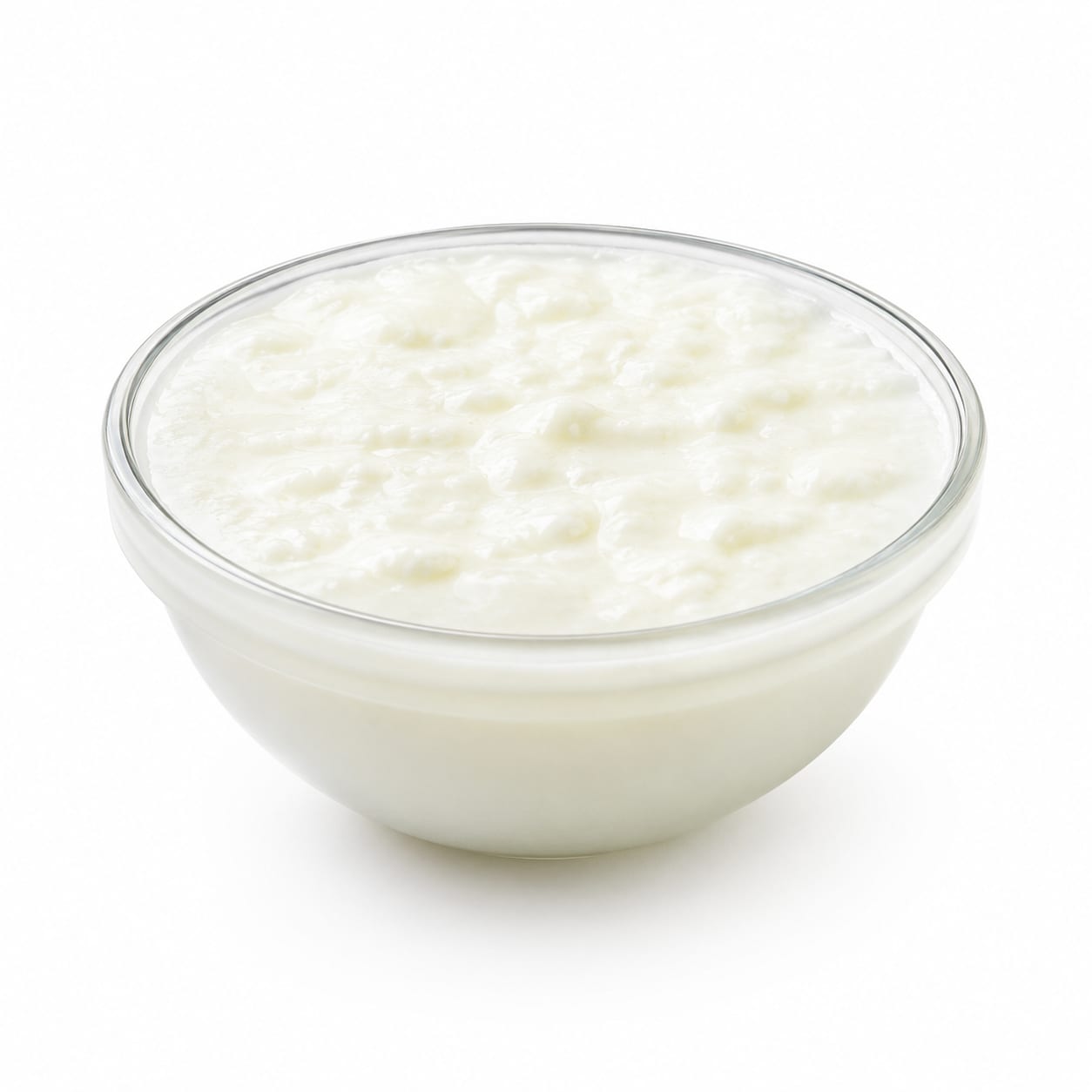
Buttermilk
Coconut Milk
Buttermilk wins for protein, probiotics, and low calories. Coconut Milk wins for dairy-free diets and rich cooking texture. They serve fundamentally different needs.
Buttermilk scores higher due to superior protein, probiotics, calcium, and lower calorie density. Coconut Milk loses ground on saturated fat content and near-zero protein, but remains valuable for specific dietary needs.
Buttermilk offers real protein and gut-friendly probiotics with minimal fat, while Coconut Milk delivers creamy plant-based richness at the cost of high saturated fat and almost no protein.
At a glance
Executive summary
Overall
It depends
Healthier
Buttermilk
More practical
It depends
Daily use
Buttermilk
Key comparison lenses
dairy vs plant based milk alternative
The core decision most users face: animal-based probiotic drink vs plant-based creamy alternative
fat profile and heart health
Buttermilk is low-fat while coconut milk is high in saturated fat, creating a major health tradeoff
digestive tolerance
Lactose intolerance makes this a practical dealbreaker for many users choosing between these two
weight management
Calorie density differs dramatically, directly impacting satiety and daily calorie budgets
culinary use case
These products serve very different cooking purposes despite both being white creamy liquids
Best choice for
Buttermilk
- Probiotic support and gut health
- Low-calorie cooking and baking
- High-protein dairy diets
- Bone health through natural calcium
Coconut Milk
- Vegan and dairy-free lifestyles
- Lactose-intolerant individuals
- Curries and creamy soups
- Keto and high-fat low-carb diets
Least suitable for
Buttermilk
- Lactose-intolerant individuals
- Vegan diets
- Those avoiding dairy for inflammatory concerns
Coconut Milk
- Low-fat or heart-health-focused diets
- Anyone needing protein from their milk
- Calorie-restricted weight loss plans
Deep comparison
Dimension by dimension
Each lens scores both foods and breaks down who each option suits.
- Dimension 1 · Priority 92Buttermilk
Protein and Satiety
Buttermilk · 82Coconut Milk · 15Buttermilk provides meaningful protein per serving. Coconut Milk is essentially fat and water with negligible protein.
Tradeoff
Choosing Coconut Milk means getting almost no protein, which leaves you less full and more likely to snack later.
Why it matters
Protein is the most satiating macronutrient. A drink with 8g protein versus near-zero makes a real difference in hunger management.
Real-world impact
A buttermilk smoothie keeps you satisfied for hours. A coconut milk smoothie may leave you hungry again within 90 minutes.
Buttermilk
- Post-workout recovery
- Breakfast that actually holds you
- Replacing higher-calorie protein sources
Better for
- Vegan meal plans
Worse for
Coconut Milk
- Adding richness without protein goals
- Fat-fasting protocols
Better for
- Any meal where the drink is your protein source
- Growing children needing protein density
Worse for
- Dimension 2 · Priority 90Buttermilk
Fat Profile and Heart Health
Buttermilk · 78Coconut Milk · 40Buttermilk is naturally low in fat. Coconut Milk is loaded with saturated fat, which raises LDL cholesterol in most people.
Tradeoff
Coconut Milk's creamy texture comes with a significant saturated fat load that concerns cardiologists, while Buttermilk's low fat makes it heart-friendlier.
Why it matters
Regular saturated fat intake from coconut products can raise heart disease risk over time, even if some MCTs behave differently than other saturated fats.
Real-world impact
A single cup of canned coconut milk can contain 40+ grams of saturated fat. That is roughly two days' worth by American Heart Association guidelines.
Buttermilk
- Cardiovascular risk reduction
- Low-fat diet adherence
- Cholesterol-conscious eating
Better for
- Very low-carb high-fat diet goals
Worse for
Coconut Milk
- Ketogenic diet fat targets
- Short-term energy from MCTs
Better for
- Anyone with elevated LDL cholesterol
- Family history of heart disease
Worse for
- Dimension 3 · Priority 88It depends
Digestive Health and Tolerance
Buttermilk · 75Coconut Milk · 70Buttermilk offers probiotics and is often easier to digest than regular milk, but still contains lactose. Coconut Milk is completely lactose-free but lacks any probiotic benefit.
Tradeoff
Probiotics versus lactose-free: Buttermilk actively helps your gut microbiome but triggers issues for the lactose-intolerant. Coconut Milk never triggers lactose issues but does nothing to improve gut flora.
Why it matters
Roughly 65% of the global population has some lactose intolerance, making this a genuinely decisive factor.
Real-world impact
If dairy causes bloating or discomfort, Coconut Milk is the clear winner regardless of Buttermilk's probiotic advantages.
Buttermilk
- Building healthy gut bacteria
- Mild digestive support for dairy-tolerant people
Better for
- Anyone with lactose intolerance
- Dairy-sensitive IBS
Worse for
Coconut Milk
- Lactose-intolerant individuals
- IBS patients sensitive to dairy
- Vegan digestive comfort
Better for
- Those wanting probiotic benefits
- People relying on food for gut microbiome support
Worse for
- Dimension 4 · Priority 82Buttermilk
Bone Health and Minerals
Buttermilk · 85Coconut Milk · 25Buttermilk delivers substantial calcium and phosphorus naturally. Coconut Milk has minimal minerals unless fortified, and many canned versions are not.
Tradeoff
Buttermilk is a genuine calcium source supporting bone density. Coconut Milk requires separate supplementation or fortification to compete.
Why it matters
Calcium from food is absorbed better than from supplements. Choosing Coconut Milk as a daily milk alternative without other calcium sources risks bone health over time.
Real-world impact
One cup of buttermilk provides roughly 30% of daily calcium needs. Unfortified coconut milk provides under 5%.
Buttermilk
- Osteoporosis prevention
- Growing teenagers needing calcium
- Older adults maintaining bone density
Better for
- Dairy-avoidant bone health protocols
Worse for
Coconut Milk
- Situations where other calcium sources are already adequate
Better for
- Anyone relying on it as a primary calcium source
- Elderly individuals at fracture risk
Worse for
- Dimension 5 · Priority 85Buttermilk
Calorie Density and Weight Management
Buttermilk · 88Coconut Milk · 30Buttermilk is a low-calorie beverage at roughly 100 calories per cup. Canned Coconut Milk can exceed 400 calories per cup.
Tradeoff
Coconut Milk's richness comes at a steep caloric cost. Buttermilk lets you enjoy a creamy drink without blowing your calorie budget.
Why it matters
Liquid calories are the easiest to overconsume because they rarely feel filling. High-calorie drinks silently undermine weight goals.
Real-world impact
Adding coconut milk to a daily smoothie can add 200+ hidden calories. That alone could account for slow weight gain over months.
Buttermilk
- Calorie-controlled diets
- Weight loss meal plans
- Large-volume low-calorie cooking
Better for
- Bulking phases needing calorie density
Worse for
Coconut Milk
- Weight gain when needed
- High-calorie meal replacement for athletes
Better for
- Weight loss programs
- Mindless snacking patterns
- Anyone who drinks calories without tracking
Worse for
- Dimension 6 · Priority 75It depends
Culinary Versatility
Buttermilk · 70Coconut Milk · 78Buttermilk excels in baking and marinades. Coconut Milk dominates in curries, soups, and desserts. They rarely substitute for each other.
Tradeoff
Buttermilk tenderizes and adds tang. Coconut Milk adds body and sweetness. Neither replaces the other well in recipes.
Why it matters
Choosing between these often comes down to what you are cooking, not which is healthier.
Real-world impact
Buttermilk makes fluffier pancakes and tender fried chicken. Coconut Milk makes creamier curries and richer puddings. Both are irreplaceable in their specialties.
Buttermilk
- Baking tender cakes and biscuits
- Marinades that tenderize meat
- Ranch-style dressings
Better for
- Curries and creamy soups
- Vegan recipe requirements
Worse for
Coconut Milk
- Thai and Indian curries
- Coconut-based soups
- Vegan ice cream and desserts
Better for
- Baking that requires acid activation
- Recipes needing tangy flavor
Worse for
Timeline
Health impact over time
Short-term
Hours to days
Buttermilk
- Probiotics may reduce bloating in dairy-tolerant people
- Low calorie content supports portion control
- Lactose can cause gas and discomfort in sensitive individuals
Coconut Milk
- High fat content provides quick satiety but may feel heavy
- MCTs offer rapid but short-lived energy
- Can cause digestive upset if consumed in large amounts due to fat load
Long-term
Months to years
Buttermilk
- Regular probiotic intake supports gut microbiome diversity
- Consistent calcium intake protects bone mineral density
- Low saturated fat intake supports cardiovascular health over decades
Coconut Milk
- High saturated fat consumption may elevate LDL cholesterol over time
- Absence of protein may contribute to inadequate intake if used as primary milk
- Chronic use without other calcium sources may compromise bone health
Risk profile
Safety & processing
Cultured buttermilk is simply milk fermented with live cultures, a traditional and minimal process. Coconut Milk often contains guar gum, carrageenan, or other stabilizers, especially in carton versions. Canned coconut milk is simpler but may have sulfites as preservatives.
Buttermilk
Lactose-related digestive distress
mediumAffects majority of global population to some degree. Symptoms range from mild bloating to significant discomfort.
Dairy allergy
highTrue milk allergy can cause serious reactions. Completely distinct from lactose intolerance and more dangerous.
Spoilage if not refrigerated
lowButtermilk is fermented and somewhat preserved, but still requires refrigeration and has a limited shelf life once opened.
Coconut Milk
BPA exposure from can linings
mediumMost canned coconut milk uses BPA-lined cans. Regular consumption may contribute to endocrine disruption. Carton versions avoid this but have more additives.
Guar gum or carrageenan sensitivity
lowEmulsifiers and stabilizers in coconut milk can cause bloating or inflammation in sensitive individuals.
Saturated fat cardiovascular risk
mediumConsistent high intake of coconut saturated fat raises LDL cholesterol in most studies, increasing long-term heart disease risk.
Who wins for whom
Audience fit
Same foods, different winners depending on your goal.
children
ButtermilkGrowing children benefit from Buttermilk's calcium, protein, and B vitamins. Coconut Milk lacks most nutrients children need for development unless heavily fortified.
daily consumption
ButtermilkLower calories, more protein, probiotics, and natural calcium make Buttermilk a more sustainable daily choice for most people.
diabetes
ButtermilkButtermilk has lower calorie density and more protein for blood sugar stability. Coconut Milk's high fat content does not spike blood sugar directly but adds significant calories.
elderly
ButtermilkBone-preserving calcium and gut-supporting probiotics make Buttermilk more valuable for aging bodies, provided lactose tolerance exists.
muscle gain
ButtermilkButtermilk contains actual protein to support muscle repair. Coconut Milk contributes only fat and minimal protein.
weight loss
ButtermilkButtermilk provides protein and satiety at roughly one-quarter the calories of canned coconut milk.
Your move
Decision guide
Choose Buttermilk
- You tolerate dairy and want a probiotic-rich, low-calorie drink
- Bone health and calcium intake matter to you
- You bake frequently and need a tangy, tenderizing ingredient
- You are watching your weight and want protein without excess calories
Choose Coconut Milk
- You are vegan or lactose-intolerant
- You cook Southeast Asian or Indian curries regularly
- You follow a ketogenic or high-fat low-carb diet
- You need a dairy-free cream substitute for soups or desserts
Either works if
- You want a liquid base for smoothies and have no dairy restrictions
- You are simply looking for variety in your beverage rotation
Avoid both if
- You have severe dairy allergy and coconut allergy simultaneously
- You are strictly limiting both saturated fat and dairy for medical reasons
Final recommendation
For daily drinking and general health, Buttermilk is the stronger choice thanks to its protein, probiotics, calcium, and low calorie count. Reserve Coconut Milk for specific recipes, dairy-free needs, or ketogenic diets. If lactose intolerance is your reality, Coconut Milk becomes the practical default, but plan other calcium and protein sources to fill the nutritional gaps.
Practical
Consumer tips
- 1
Choose carton coconut milk over canned for drinking, as it is lower in calories and fat. Save canned for cooking.
- 2
Check buttermilk labels for live active cultures. Some commercial brands are more cultured milk than true probiotic buttermilk.
- 3
If you are lactose-sensitive but want probiotic benefits, try a small amount of buttermilk first. The culturing process reduces lactose significantly compared to regular milk.
- 4
Look for BPA-free canned coconut milk if you use it regularly. The cumulative exposure matters.
- 5
Carton coconut milk is often fortified with calcium and vitamins. Read labels carefully, as nutrition varies wildly between brands.
- 6
Freeze leftover buttermilk in ice cube trays for later use in baking. It wastes less and preserves the cultures.
- 7
A single splash of coconut milk in coffee is roughly 30-50 calories. A full cup in a smoothie is 400+. Portion awareness matters enormously.