
Nutrition comparison
Buttermilk vs Whole Milk: Which Is Healthier for You?
Compare buttermilk and whole milk on calories, fat, probiotics, digestion, and taste. Find out which dairy fits your health goals, cooking needs, and lifestyle.
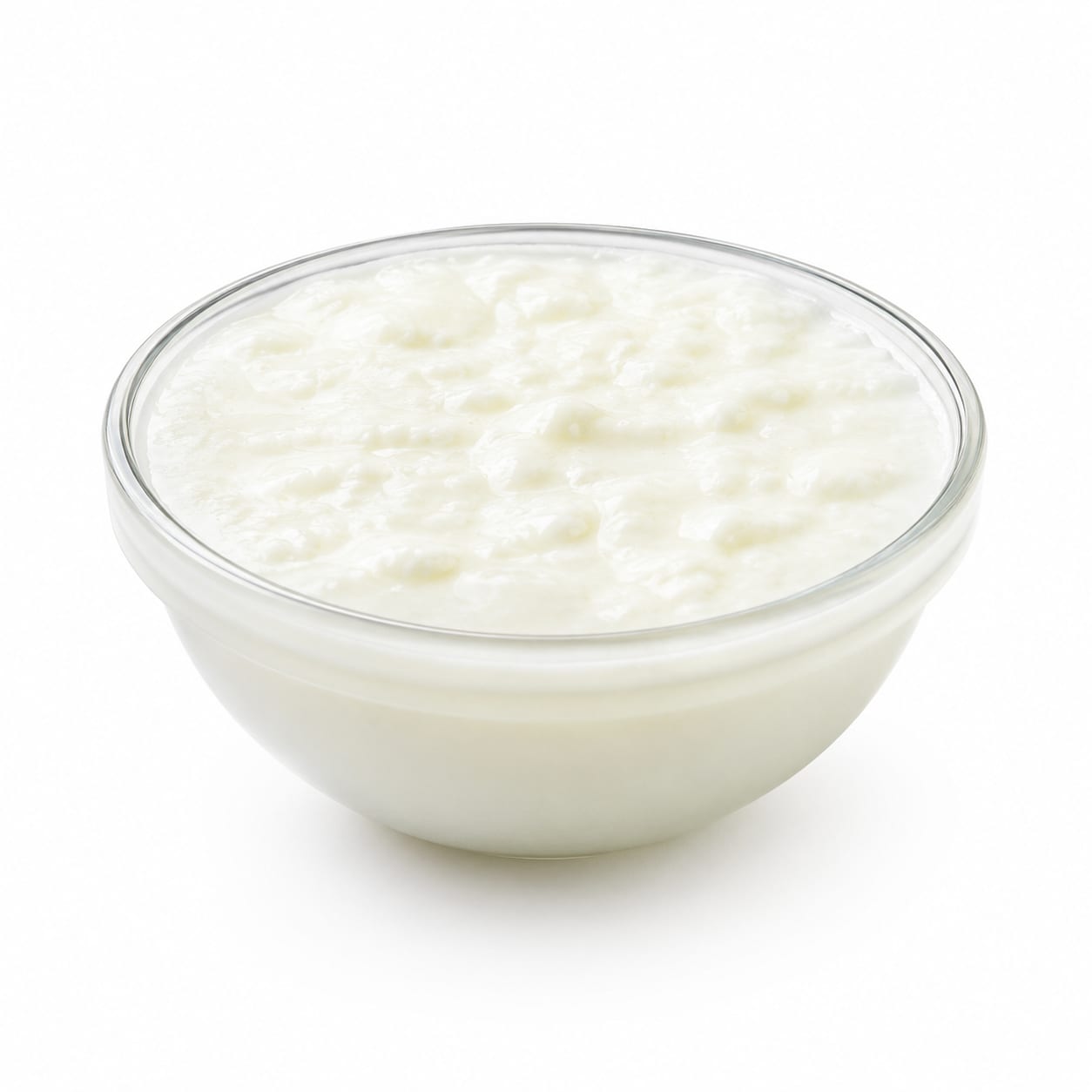
Buttermilk
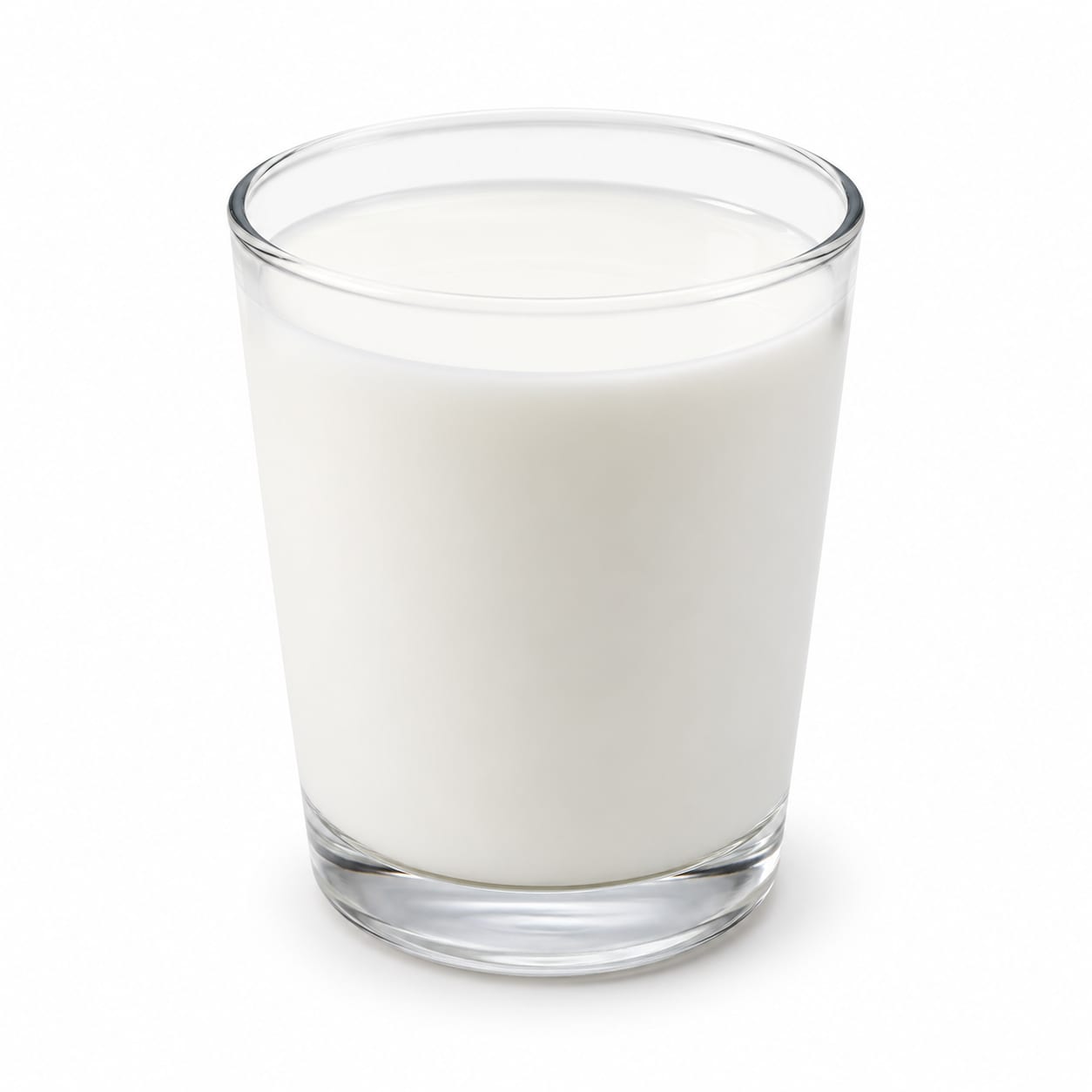
Whole Milk
Buttermilk wins for fewer calories and gut-friendly probiotics, while whole milk wins for satiety, creaminess, and fat-soluble vitamin absorption.
Whole milk edges ahead slightly due to superior satiety and natural nutrient profile, but buttermilk's probiotic and calorie advantages make it the better choice for specific goals like weight management and gut health.
Light and tangy versus rich and filling — you trade satisfying mouthfeel and fullness for fewer calories and digestive benefits.
At a glance
Executive summary
Overall
It depends
Healthier
It depends
More practical
Whole Milk
Daily use
It depends
Key comparison lenses
weight management and calorie control
Buttermilk has roughly half the calories of whole milk, making this the most common decision driver
digestive comfort and gut health
Buttermilk is cultured with probiotics and lower in lactose, while whole milk can cause bloating for sensitive individuals
satiety and meal satisfaction
Whole milk's fat content keeps you fuller longer, while buttermilk feels lighter and less filling
heart health and fat intake
Saturated fat content differs significantly, impacting cardiovascular considerations
culinary and cooking use
Each has distinct cooking roles — buttermilk for baking and marinades, whole milk for drinking and creaminess
Best choice for
Buttermilk
- People counting calories who still want dairy flavor
- Those with mild lactose sensitivity
- Bakers and cooks making marinades or tenderized dishes
- Anyone seeking probiotic-rich fermented foods
Whole Milk
- Children who need fat for brain development
- People wanting a filling, satisfying beverage
- Those needing calorie-dense nutrition or weight gain
- Anyone prioritizing fat-soluble vitamin absorption
Least suitable for
Buttermilk
- People avoiding tangy or sour flavors
- Those wanting a rich, creamy drinking experience
- Anyone needing high-calorie nutrition support
Whole Milk
- People strictly limiting saturated fat intake
- Those with lactose intolerance
- Anyone on a calorie-restricted diet wanting volume over density
Deep comparison
Dimension by dimension
Each lens scores both foods and breaks down who each option suits.
- Dimension 1 · Priority 90Buttermilk
Calorie Density and Weight Management
Buttermilk · 85Whole Milk · 55Buttermilk delivers roughly half the calories per cup compared to whole milk, making it far easier to fit into a calorie-conscious eating plan.
Tradeoff
You save calories but sacrifice the rich creaminess and staying power that whole milk provides.
Why it matters
For anyone tracking intake, swapping whole milk for buttermilk can save 50+ calories per cup without losing dairy nutrition entirely.
Real-world impact
A daily switch from whole milk to buttermilk could save roughly 350 calories per week — meaningful for gradual weight loss.
Buttermilk
- Calorie counters
- Intermittent fasters breaking their fast lightly
- People replacing cream-based dressings
Better for
- Those who find low-fat dairy unsatisfying and overeat later
Worse for
Whole Milk
- Underweight individuals needing easy calories
- Athletes in bulking phases
- Anyone struggling to eat enough
Better for
- Anyone whose doctor recommended reducing saturated fat and calories
Worse for
- Dimension 2 · Priority 85Whole Milk
Satiety and Fullness
Buttermilk · 50Whole Milk · 88Whole milk's fat content slows digestion and signals fullness far more effectively than thin, low-fat buttermilk.
Tradeoff
You feel satisfied longer with whole milk, but those calories add up if you drink it freely.
Why it matters
A glass of whole milk can hold you over between meals. Buttermilk may leave you reaching for a snack sooner.
Real-world impact
That afternoon glass of whole milk might prevent a cookie craving. Buttermilk probably won't have the same effect.
Buttermilk
- Light breakfast pairings where you don't want heaviness
- Post-heavy meal digestive aid
Better for
- Anyone using milk as a meal replacement or hunger bridge
Worse for
Whole Milk
- Breakfast smoothies that need to last until lunch
- Evening snacks to prevent late-night grazing
- Growing teenagers who burn through food fast
Better for
- People who find high-fat dairy triggers overconsumption
Worse for
- Dimension 3 · Priority 85Buttermilk
Digestive Tolerance and Gut Health
Buttermilk · 88Whole Milk · 45Buttermilk's live cultures and lower lactose content make it significantly gentler on sensitive digestive systems.
Tradeoff
The tangy fermented taste isn't for everyone, and probiotic content varies by brand.
Why it matters
If regular milk causes bloating or discomfort, buttermilk often feels much easier to digest.
Real-world impact
Someone who avoids milk due to gas might tolerate buttermilk comfortably with their morning granola.
Buttermilk
- People with mild lactose intolerance
- Anyone recovering from antibiotics who wants probiotic support
- Those prone to bloating after dairy
Better for
- Those sensitive to fermented or acidic foods
Worse for
Whole Milk
- People with no digestive issues who prefer classic milk flavor
Better for
- Anyone with diagnosed lactose malabsorption
Worse for
- Dimension 4 · Priority 75Buttermilk
Nutrient Density Per Calorie
Buttermilk · 80Whole Milk · 65Buttermilk packs more protein and calcium per calorie since fat takes up less of its calorie budget.
Tradeoff
Whole milk delivers more fat-soluble vitamins (A, D, K) because fat is needed for their absorption.
Why it matters
If every calorie matters, buttermilk gives you more of the minerals and protein per unit of energy consumed.
Real-world impact
A cup of buttermilk gives you similar calcium and protein to whole milk but at roughly 99 calories instead of 149.
Buttermilk
- Nutrient-maximizers on calorie budgets
- People tracking macros closely
Better for
- Anyone relying on milk as a primary vitamin D source without supplementation
Worse for
Whole Milk
- Those who need better vitamin D and A absorption
- Children needing comprehensive fat-soluble nutrition
Better for
- Those already getting ample fat-soluble vitamins from other sources
Worse for
- Dimension 5 · Priority 75Buttermilk
Heart Health and Fat Profile
Buttermilk · 78Whole Milk · 52Buttermilk's lower saturated fat content makes it the easier choice for cardiovascular health concerns.
Tradeoff
Some emerging research suggests dairy fat may be less harmful than once assumed, but the consensus still favors lower saturated fat intake.
Why it matters
For anyone watching cholesterol or following heart-healthy guidelines, buttermilk creates less dietary tension.
Real-world impact
Three daily cups of whole milk add roughly 24g of saturated fat — above the recommended daily limit for most adults.
Buttermilk
- People with elevated LDL cholesterol
- Those following heart-healthy eating patterns
- Anyone with family history of cardiovascular disease
Better for
- People who compensate for missing fat with less healthy sources
Worse for
Whole Milk
- Healthy active individuals without lipid concerns
- Those on keto or high-fat diets
Better for
- Anyone whose cardiologist recommended reducing saturated fat
Worse for
- Dimension 6 · Priority 70It depends
Culinary Versatility
Buttermilk · 75Whole Milk · 78Whole milk is the more versatile all-purpose dairy, but buttermilk excels in specific cooking roles nothing else replicates.
Tradeoff
Buttermilk makes incredible pancakes and fried chicken but isn't something most people drink by the glass. Whole milk does both.
Why it matters
If you cook often, having both makes sense. If you need one carton for everything, whole milk adapts to more situations.
Real-world impact
Buttermilk makes the fluffiest pancakes and the tenderest marinades. Whole milk makes the creamiest mashed potatoes and the most satisfying latte.
Buttermilk
- Baking enthusiasts making cakes, biscuits, and scones
- Home cooks marinating chicken or making ranch dressing
Better for
- Anyone wanting a neutral-flavored milk for coffee or cereal
Worse for
Whole Milk
- Coffee drinkers who want creamy texture
- Smoothie makers needing a neutral base
- Mac and cheese, cream soups, and custards
Better for
- Bakers who need acid for leavening reactions
Worse for
- Dimension 7 · Priority 70It depends
Bone Health Support
Buttermilk · 72Whole Milk · 76Both deliver solid calcium, but whole milk's fat content helps your body absorb vitamin D more effectively.
Tradeoff
Buttermilk has slightly more calcium per calorie, but whole milk's fat matrix improves vitamin D utilization.
Why it matters
For osteoporosis prevention, both work well. The edge goes to whole milk if you're not supplementing vitamin D elsewhere.
Real-world impact
Postmenopausal women concerned about bone density might benefit more from whole milk's complete nutrient package.
Buttermilk
- Those already taking vitamin D supplements
- Calorie-conscious people wanting maximum calcium per calorie
Better for
- People relying solely on dairy for vitamin D
Worse for
Whole Milk
- Older adults not supplementing vitamin D
- Anyone wanting the full natural bone-support package
Better for
- Those who need to limit saturated fat for other health reasons
Worse for
Timeline
Health impact over time
Short-term
Hours to days
Buttermilk
- Lighter feeling after consumption with less digestive heaviness
- Probiotics may reduce bloating in the hours after eating
- Tangy flavor can feel refreshing, especially when cold
- Less likely to trigger post-meal sluggishness
Whole Milk
- More immediate and lasting fullness after drinking
- Rich mouthfeel provides quick sensory satisfaction
- Can cause bloating or gas in lactose-sensitive individuals
- Higher calorie intake may feel heavy before physical activity
Long-term
Months to years
Buttermilk
- Lower calorie intake from dairy may support gradual weight maintenance
- Regular probiotic consumption may improve gut microbiome diversity
- Lower saturated fat intake aligns with cardiovascular risk reduction
- Risk of insufficient fat-soluble vitamin absorption if not compensated elsewhere
Whole Milk
- Better sustained satiety may reduce overall snacking and calorie intake for some
- Consistent fat-soluble vitamin absorption supports immune and bone health
- Higher saturated fat intake may elevate LDL cholesterol in susceptible individuals
- Calorie density can contribute to gradual weight gain if portion control is loose
Risk profile
Safety & processing
Both are relatively clean dairy products. Modern buttermilk is cultured low-fat milk with added cultures, making it slightly more processed than whole milk, which is simply pasteurized and homogenized. Neither contains concerning additives.
Buttermilk
Spoilage due to fermentation continuation
lowLive cultures keep working slowly, so buttermilk can become overly sour or separate faster than regular milk. Still safe but less pleasant.
Histamine content from fermentation
lowFermented foods contain higher histamine levels, which may affect histamine-sensitive individuals with headaches or skin reactions.
Whole Milk
Lactose-related digestive distress
mediumWhole milk contains more lactose than buttermilk, causing significant discomfort for the estimated 65% of adults with some lactose malabsorption.
Saturated fat and cardiovascular impact
mediumRegular high intake of saturated fat from whole milk may raise LDL cholesterol, particularly in genetically susceptible individuals.
Who wins for whom
Audience fit
Same foods, different winners depending on your goal.
children
Whole MilkGrowing children need dietary fat for brain development, hormone synthesis, and calorie density — whole milk is specifically recommended over low-fat dairy for kids under 2 and beneficial beyond.
daily consumption
It dependsDepends entirely on your goals. Choose buttermilk for lighter daily use with gut benefits, or whole milk for more satisfying nutrition with higher calorie intake.
diabetes
ButtermilkLower calorie density and the presence of beneficial fermentation byproducts make buttermilk slightly more favorable, though both have similar carbohydrate content.
elderly
ButtermilkOlder adults often need fewer calories, more probiotic support for gut health, and easier digestion — all areas where buttermilk excels.
muscle gain
Whole MilkMore calories and fat provide the energy surplus needed for growth, and the fat supports hormone production.
weight loss
ButtermilkHalf the calories per cup with similar protein makes buttermilk the easier fit for a calorie deficit.
Your move
Decision guide
Choose Buttermilk
- You're watching calories but don't want to give up dairy
- Regular milk causes bloating or digestive discomfort
- You bake frequently and want authentic tangy flavor and leavening
- You're focused on gut health and want daily probiotic intake
- Your doctor recommended reducing saturated fat
Choose Whole Milk
- You want a satisfying drink that holds you over between meals
- You have children who need fat for healthy development
- You're trying to gain weight or maintain during illness recovery
- You drink milk daily and prefer classic creamy flavor
- You don't digest enough fat-soluble vitamins from other sources
Either works if
- You're simply looking for a calcium and protein source
- You have no digestive issues with dairy
- You're cooking a recipe where either could work with minor adjustments
Avoid both if
- You have a dairy allergy (not just lactose intolerance)
- You're following a strict vegan diet
- You have severe histamine intolerance (especially buttermilk)
Final recommendation
Keep both in your fridge if possible — they serve completely different purposes. Use buttermilk for baking, marinades, and lighter daily drinking. Use whole milk for coffee, cereal, smoothies, and satisfying snacks. If you must choose one, whole milk is the more versatile all-rounder, but buttermilk is the smarter choice if weight management or digestive comfort is your priority.
Practical
Consumer tips
- 1
Check buttermilk labels for live active cultures — some commercial brands are more cultured than others
- 2
Buttermilk freezes well for baking, so you can stock up without waste
- 3
If whole milk is too rich, try 2% as a middle ground rather than jumping straight to buttermilk
- 4
Add a splash of buttermilk to smoothies for probiotics without the tang dominating the flavor
- 5
Whole milk from grass-fed cows has a better omega-3 to omega-6 ratio if you can find and afford it
- 6
Shake buttermilk before using — separation is natural and doesn't mean it's spoiled