
Nutrition comparison
Buttermilk vs Cottage Cheese: Nutrition, Protein, and Satiety Compared
Comparing buttermilk and cottage cheese? Discover which dairy staple wins for protein, weight loss, digestion, and daily snacking.
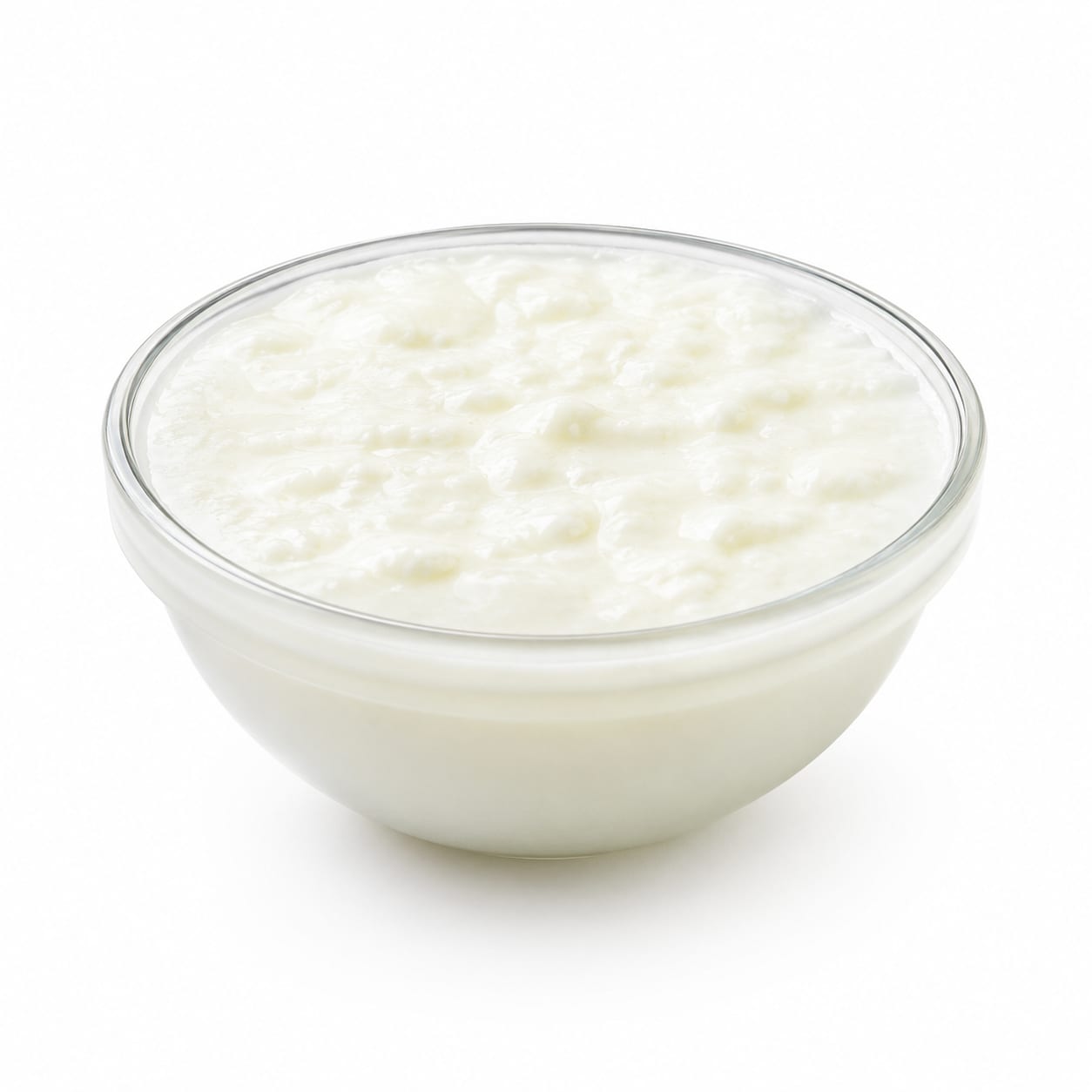
Buttermilk
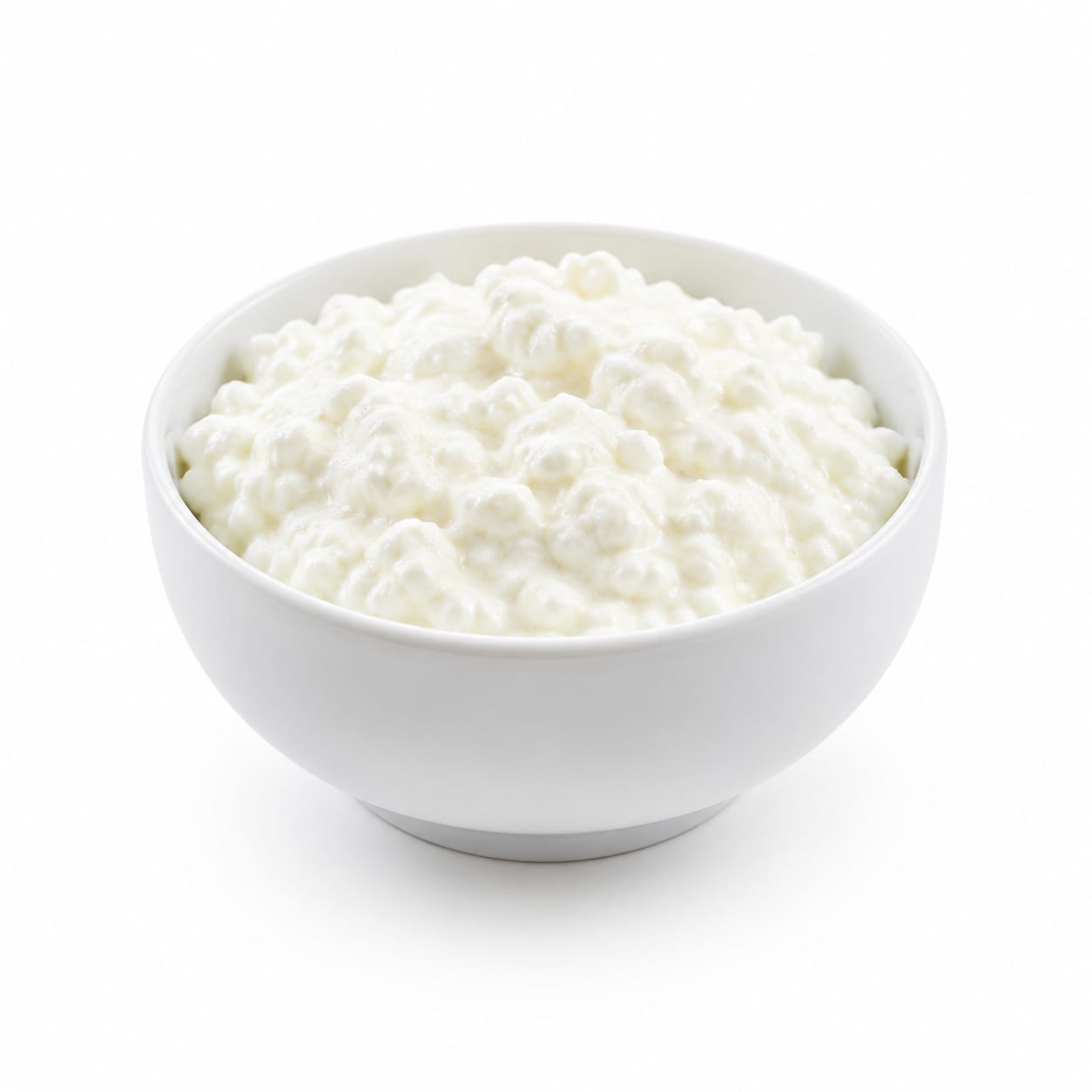
Cottage Cheese
Cottage cheese dominates for protein and fullness, while buttermilk wins for hydration and light refreshment.
Cottage cheese scores slightly higher due to its exceptional protein content and satiety, making it a more substantial nutritional staple, though buttermilk remains an excellent low-calorie, gut-friendly beverage.
Heavy satiety and muscle-building protein versus low-calorie hydration and easier digestion.
At a glance
Executive summary
Overall
It depends
Healthier
It depends
More practical
It depends
Daily use
It depends
Key comparison lenses
Protein and Satiety
Cottage cheese is a protein powerhouse, while buttermilk is mostly water, making this the most dramatic nutritional difference.
Weight Management
Buttermilk is low in calories, but cottage cheese prevents overeating later through intense fullness.
Digestive Comfort
Both are fermented dairy, but buttermilk is a light drink, whereas cottage cheese can feel heavy or bloating for some.
Sodium Load
Cottage cheese is notoriously high in sodium, which is a major concern for daily consumption.
Best choice for
Buttermilk
- Staying hydrated
- Light post-meal digestion
- Low-calorie flavoring in baking or cooking
Cottage Cheese
- Muscle recovery
- Sustained energy
- High-protein breakfasts or snacks
Least suitable for
Buttermilk
- People needing high protein intake
- Those wanting a meal-replacement option
Cottage Cheese
- People with severe sodium restrictions
- Those who dislike heavy textured foods
Deep comparison
Dimension by dimension
Each lens scores both foods and breaks down who each option suits.
- Dimension 1 · Priority 95Cottage Cheese
Protein and Satiety
Buttermilk · 30Cottage Cheese · 95Cottage cheese packs a massive protein punch compared to the relatively low-protein buttermilk.
Tradeoff
You get far more hunger-curving power from cottage cheese, but buttermilk is much lighter if you don't want a heavy stomach.
Why it matters
Protein is key for staying full and maintaining muscle, where cottage cheese clearly dominates.
Real-world impact
A bowl of cottage cheese will keep you full for hours; a glass of buttermilk won't hold you over for long.
Buttermilk
- Light snacking without feeling stuffed
- Post-meal digestive aid
Better for
- Building muscle
- Replacing a full meal
Worse for
Cottage Cheese
- Post-workout recovery
- Fending off afternoon hunger
Better for
- Quick hydration
- Eating right before intense cardio
Worse for
- Dimension 2 · Priority 85Buttermilk
Calorie Density and Weight Management
Buttermilk · 85Cottage Cheese · 70Buttermilk is significantly lower in calories per serving, making it easier to fit into a calorie deficit.
Tradeoff
Buttermilk saves calories but might leave you hungry sooner, whereas cottage cheese costs more calories but prevents overeating later.
Why it matters
Managing hunger versus calorie intake is the core of sustainable weight loss.
Real-world impact
Drinking buttermilk saves you 100+ calories compared to a cottage cheese snack, but you might reach for food again an hour later.
Buttermilk
- Strict calorie counting
- Late-night low-calorie cravings
Better for
- Sustaining energy between meals
Worse for
Cottage Cheese
- Intermittent fasting windows
- Preventing binge eating
Better for
- Quick low-calorie hydration
Worse for
- Dimension 3 · Priority 80Buttermilk
Digestive Comfort and Gut Health
Buttermilk · 88Cottage Cheese · 75Both are fermented and gut-friendly, but buttermilk's liquid form is easier on the stomach and more soothing.
Tradeoff
Buttermilk acts as a digestive tonic, while cottage cheese's curds can feel heavy or cause bloating for some.
Why it matters
How a food feels in your stomach dictates whether you'll actually want to eat it regularly.
Real-world impact
Buttermilk is a classic remedy for heartburn or after a spicy meal; cottage cheese can feel like a brick if you're already bloated.
Buttermilk
- Soothing an upset stomach
- Cooling down after spicy food
Better for
- Providing substantial nutrition when appetite is low
Worse for
Cottage Cheese
- Feeding gut bacteria with a solid food matrix
Better for
- Eating right before exercise or bed if prone to reflux
Worse for
- Dimension 4 · Priority 75Buttermilk
Sodium Load
Buttermilk · 55Cottage Cheese · 35Cottage cheese is notoriously high in sodium, while buttermilk, though salty, generally has less per serving.
Tradeoff
Even low-sodium cottage cheese options exist, but standard versions can easily hit 400mg+ per serving.
Why it matters
High sodium intake impacts blood pressure and water retention over time.
Real-world impact
Eating cottage cheese daily can stealthily push your sodium intake over the edge if you aren't checking labels.
Buttermilk
- Managing blood pressure
- Reducing morning puffiness
Better for
- Post-workout electrolyte replenishment
Worse for
Cottage Cheese
- Replenishing sodium after heavy sweating
Better for
- Salt-sensitive individuals
Worse for
Timeline
Health impact over time
Short-term
Hours to days
Buttermilk
- Quick hydration
- Soothing digestive relief
- Light energy without sluggishness
Cottage Cheese
- Immediate fullness
- Steady blood sugar
- Possible thirst from sodium
Long-term
Months to years
Buttermilk
- Better hydration habits
- Gut microbiome support
- Possible inadequate protein if relied on as a main staple
Cottage Cheese
- Improved muscle maintenance
- Stronger bones from calcium and protein
- Risk of elevated blood pressure if consuming high-sodium versions
Risk profile
Safety & processing
Both are simple fermented dairy products with minimal additives, though flavored or low-fat versions of either can sneak in thickeners or sugars.
Buttermilk
Lactose intolerance flare-ups
mediumDespite fermentation reducing lactose, buttermilk still contains enough to trigger sensitive individuals.
Spoilage
mediumAs a fresh liquid dairy product, it spoils quickly if left unrefrigerated.
Cottage Cheese
Lactose intolerance flare-ups
mediumCottage cheese has moderate lactose, which can cause bloating or gas for some.
High sodium health impacts
mediumConsistent intake of high-sodium cottage cheese can contribute to hypertension over time.
Who wins for whom
Audience fit
Same foods, different winners depending on your goal.
children
Cottage CheeseKids benefit more from the protein and bone-building nutrients in cottage cheese for growth.
daily consumption
It dependsButtermilk is great as a daily light beverage, while cottage cheese is better as a daily protein staple.
diabetes
Cottage CheeseThe high protein and fat in cottage cheese stabilize blood sugar better than the liquid carbs in buttermilk.
elderly
Cottage CheeseOlder adults desperately need the protein in cottage cheese to prevent muscle loss, though sodium should be watched.
muscle gain
Cottage CheeseCottage cheese provides a dense source of slow-digesting casein protein ideal for muscle repair.
weight loss
It dependsButtermilk is better for pure calorie restriction, but cottage cheese prevents hunger-driven overeating.
Your move
Decision guide
Choose Buttermilk
- You want a refreshing, low-calorie drink to wash down a meal
- You struggle with heavy foods feeling like a brick in your stomach
- You need a base for smoothies or baking with less fat
- You are watching your sodium closely
Choose Cottage Cheese
- You need a high-protein snack that actually keeps you full
- You are lifting weights or trying to build muscle
- You want a versatile food that can be sweet or savory
- You tend to get hungry between meals and need satiety
Either works if
- You want gut-friendly fermented dairy in your diet
- You are looking for calcium-rich alternatives to milk
Avoid both if
- You have a severe dairy allergy
- You are strictly vegan
Final recommendation
Let your goal decide: grab cottage cheese when you need serious protein and lasting fullness, or pour a glass of buttermilk when you want light hydration and digestive comfort.
Practical
Consumer tips
- 1
Rinse cottage cheese curds under water to significantly cut the sodium content.
- 2
Look for cultured buttermilk with live active probiotics for the best gut benefits.
- 3
Use buttermilk as a marinade; its acidity tenderizes meat beautifully.
- 4
Mix cottage cheese with fruit and a handful of nuts for a perfectly balanced, filling snack.